

Commentary
The advantage that China has over other global powers, especially America, is that its foreign policy is closely aligned with those of many of the Middle Eastern countries.
Jin Liangxiang, Maha Yahya, Hesham Alghannam
{
  "authors": [],
  "type": "pressRelease",
  "centerAffiliationAll": "dc",
  "centers": [
    "Carnegie Endowment for International Peace"
  ],
  "collections": [],
  "englishNewsletterAll": "menaTransitions",
  "nonEnglishNewsletterAll": "",
  "primaryCenter": "Carnegie Endowment for International Peace",
  "programAffiliation": "MEP",
  "programs": [
    "Middle East"
  ],
  "projects": [],
  "regions": [
    "Middle East",
    "North Africa",
    "Egypt",
    "Algeria",
    "Morocco",
    "Jordan",
    "Bahrain",
    "Kuwait",
    "Yemen"
  ],
  "topics": [
    "Political Reform"
  ]
}
REQUIRED IMAGE
Despite some electoral success, Islamist movements participating in politics have failed to influence policy and are criticized by their base for abandoning their religious commitments. Islamist movements must convince their supporters that political participation is the best way to affect government in the long term, despite seemingly poor short-term gains.
WASHINGTON, Dec 11—Islamist movements participating in politics in the Middle East have reached an important crossroad. Despite some electoral success, they have failed to influence policy and are criticized by their base for abandoning their religious commitments. Islamist movements must convince their supporters that political participation is the best way to affect government in the long term, despite seemingly poor short-term gains, concludes a new paper from the Carnegie Endowment.
Marina Ottaway and Amr Hamzawy examine the experiences of “participating Islamist movements” in Morocco, Algeria, Egypt, Jordan, Bahrain, Kuwait, and Yemen. Islamists are torn between their need to compromise on some social and political issues to be effective political players and the risk of alienating their core supporters.
Key Conclusions:
The authors conclude:
“While participation is not invariably a process of further democratization and moderation, it is also clear that non-participation—either enforced by governments or chosen by the leadership of Islamist parties and movements—is a guarantee that a process of moderation will not take place. This is a sobering thought for those governments and their international backers that would like to set the bar for participation by Islamists extremely high. The choice is not between allowing the somewhat risky participation by Islamists in politics and their disappearance from the political scene. It is between allowing their participation despite the existence of gray zones with the possibility that a moderating process will unfold, and excluding them from the legal political process—thus ensuring the growing influence of hard-liners inside those movements and the continued existence of gray zones.”
###

Carnegie does not take institutional positions on public policy issues; the views represented herein are those of the author(s) and do not necessarily reflect the views of Carnegie, its staff, or its trustees.
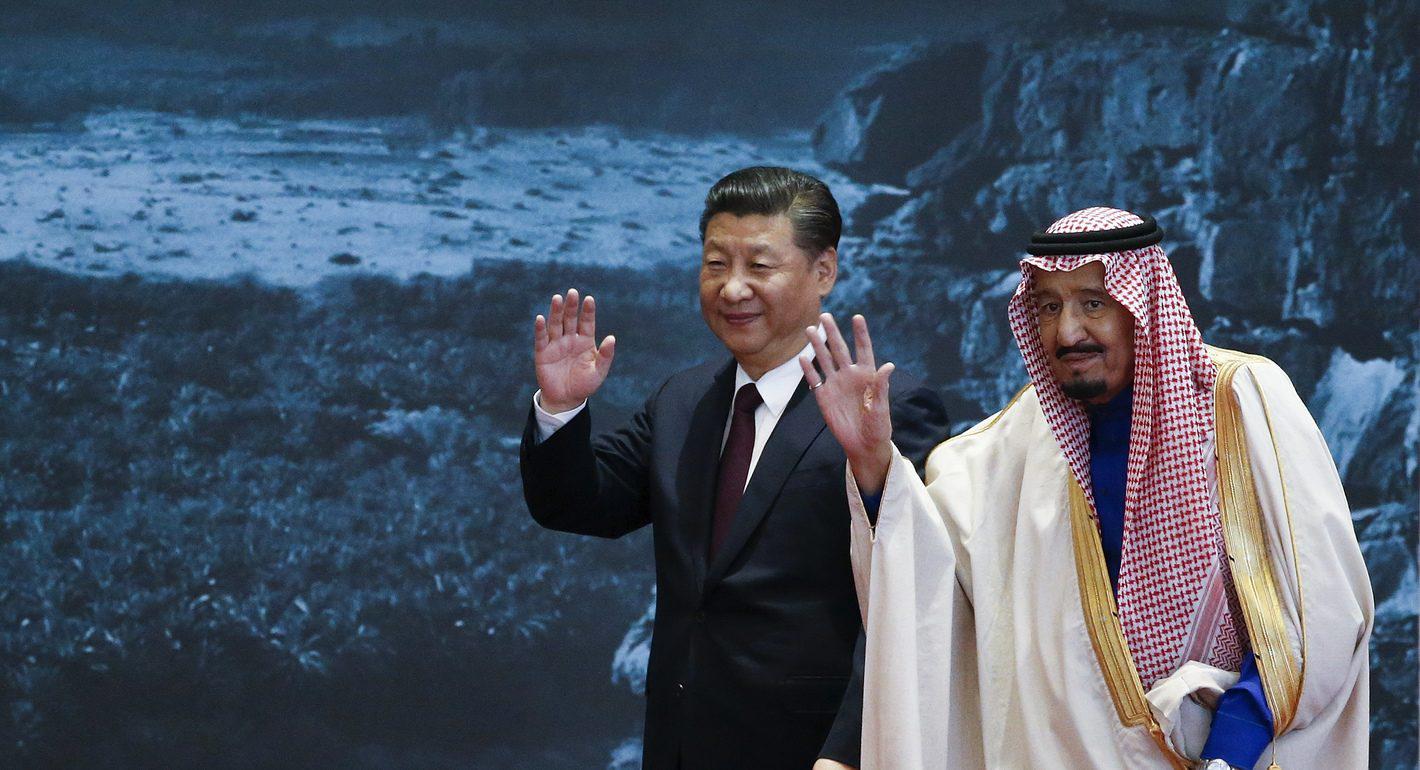
The advantage that China has over other global powers, especially America, is that its foreign policy is closely aligned with those of many of the Middle Eastern countries.


Jin Liangxiang, Maha Yahya, Hesham Alghannam
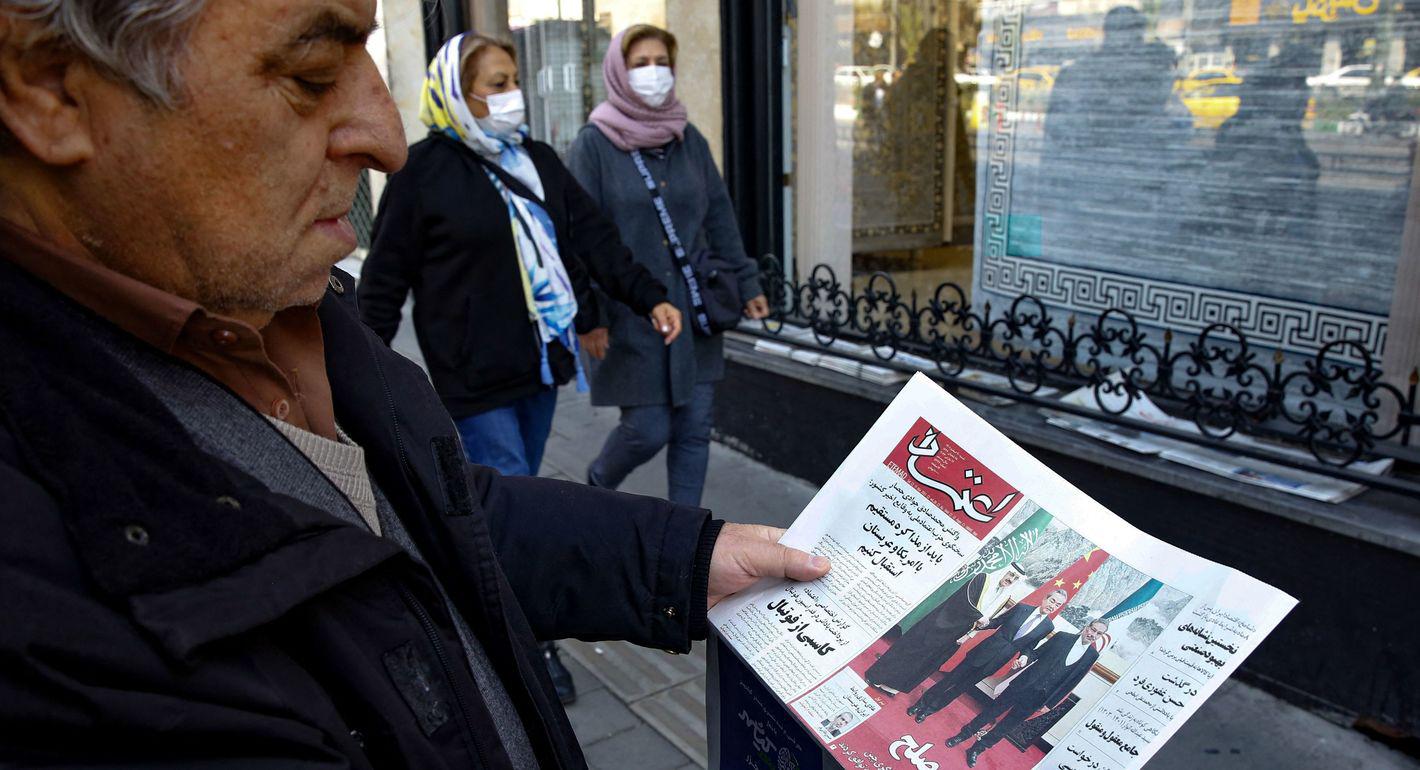
Transactional relationships are stable but can be shallow.


Paul Haenle, Maha Yahya, Benjamin Ho, …

It’s about managing oil prices, bread prices, and strategic partnerships.



Amr Hamzawy, Karim Sadjadpour, Aaron David Miller, …

The murder of George Floyd has underscored the deep inequities that have long plagued American society. In a note to the Carnegie community, Bill Burns reflects on Carnegie’s commitment to build a more just future here at home and around the world, without which peace will remain beyond our grasp.

William J. Burns

While the world hoped this pandemic might lead to more cooperation between these two great powers, American and Chinese leaders instead fell into a blame game and allowed their increasing suspicions to guide their decision-making.
Lyu Jinghua