• Commentary
  • Research
  • Experts
  • Events
Carnegie China logoCarnegie lettermark logo
{
  "authors": [
    "Shahram Chubin"
  ],
  "type": "legacyinthemedia",
  "centerAffiliationAll": "dc",
  "centers": [
    "Carnegie Endowment for International Peace"
  ],
  "collections": [],
  "englishNewsletterAll": "ctw",
  "nonEnglishNewsletterAll": "",
  "primaryCenter": "Carnegie Endowment for International Peace",
  "programAffiliation": "NPP",
  "programs": [
    "Nuclear Policy"
  ],
  "projects": [],
  "regions": [
    "Middle East",
    "Iran"
  ],
  "topics": [
    "Security",
    "Foreign Policy",
    "Nuclear Policy",
    "Nuclear Energy"
  ]
}
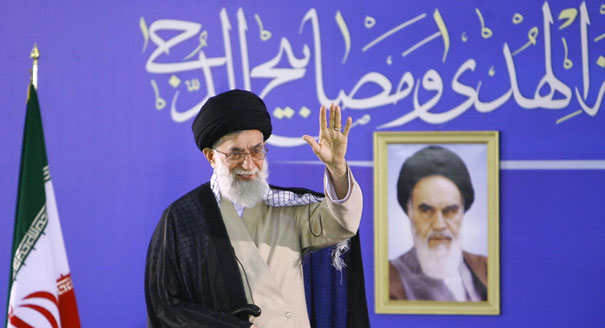
Source: Getty

In The Media

Iran's Power in Context

Depicting Iran as a military threat obscures the real political threat it poses in the Middle East. It is precisely Iran's political behaviour and goals that underlay concerns about its nuclear ambitions.

Link Copied
By Shahram Chubin
Published on Feb 1, 2009

Source: Survival

Iran-US relations – strained at the best of times since the 1979 Iranian revolution – have never been worse than during the past six years, due to the much more intense interaction between the two states since the revelations about Iran's nuclear ambitions and the United States' invasion of Iraq. The United States sees Iran as a potential strategic rival, while Tehran views the American presence in the Middle East as a potential existential threat. This has led to zero-sum thinking and has raised the stakes correspondingly. In the process there has been an inflation of the Iranian threat, which is poorly understood and often exaggerated. Depicting Iran as a military threat obscures the real political threat the country poses to its region; Iran's regional behaviour has been neglected and overshadowed by the contentious nuclear issue. However, it is precisely Iran's behaviour and goals which feed concerns about its nuclear ambitions.

About the Author

Shahram Chubin

Former Nonresident Senior Fellow, Nuclear Policy Program

Chubin, who is based in Geneva, focuses his research on nonproliferation, terrorism, and Middle East security issues. He was director of studies at the Geneva Centre for Security Policy, Switzerland, from 1996 to 2009.

    Recent Work

  • In The Media
    Iran and the P5+1 in Moscow: Time is Running Out (Again)

      Shahram Chubin

  • In The Media
    The Revolution in Cairo is a Serious Warning for the Mullahs

      Shahram Chubin

Shahram Chubin
Former Nonresident Senior Fellow, Nuclear Policy Program
SecurityForeign PolicyNuclear PolicyNuclear EnergyMiddle EastIran

Carnegie does not take institutional positions on public policy issues; the views represented herein are those of the author(s) and do not necessarily reflect the views of Carnegie, its staff, or its trustees.

More Work from Carnegie China

  • Commentary
    Malaysia’s Year as ASEAN Chair: Managing Disorder

    Malaysia’s chairmanship sought to fend off short-term challenges while laying the groundwork for minimizing ASEAN’s longer-term exposure to external stresses.

      Elina Noor

  • Commentary
    When It Comes to Superpower Geopolitics, Malaysia Is Staunchly Nonpartisan

    For Malaysia, the conjunction that works is “and” not “or” when it comes to the United States and China.

      Elina Noor
  • Commentary
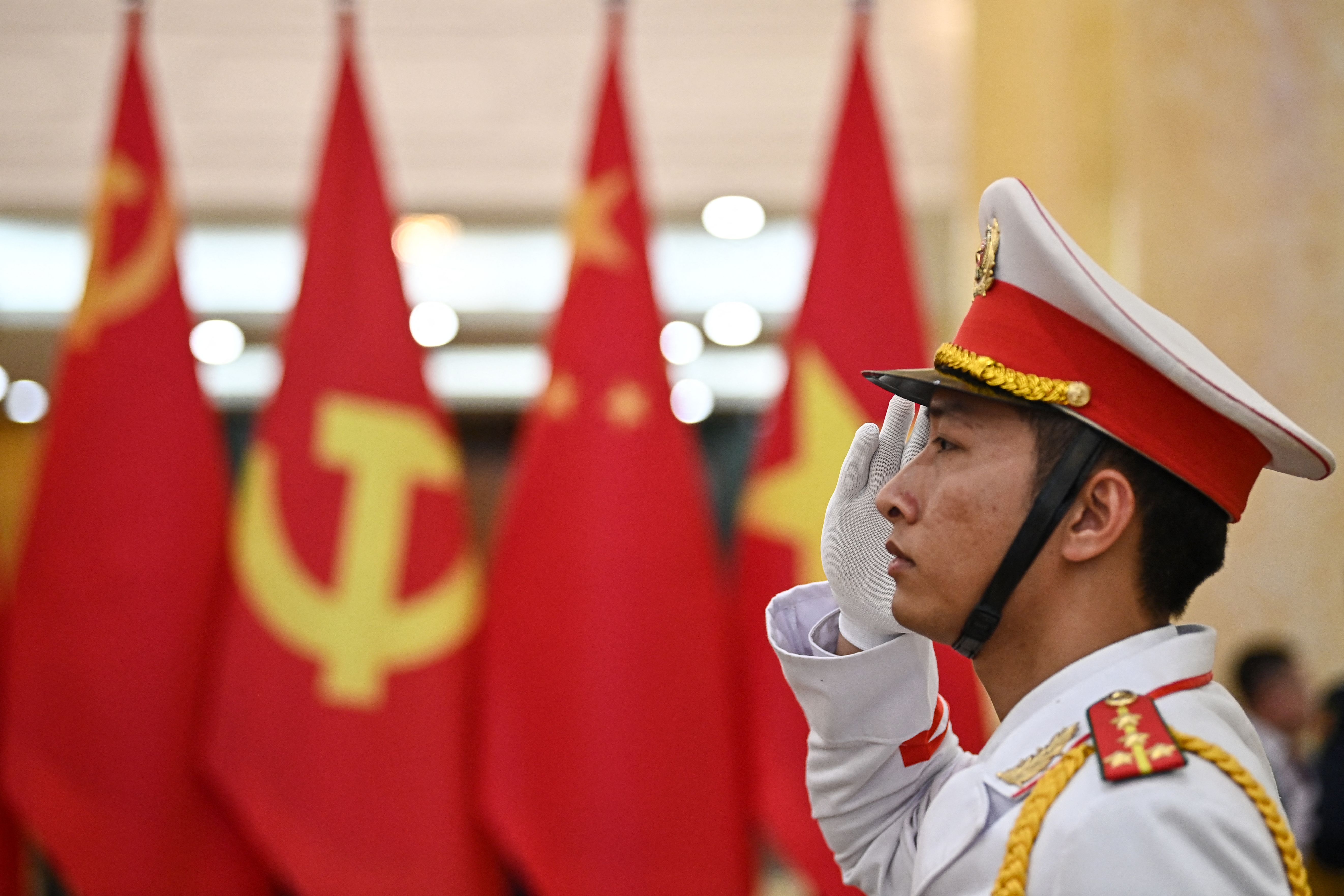
    Neither Comrade nor Ally: Decoding Vietnam’s First Army Drill with China

    In July 2025, Vietnam and China held their first joint army drill, a modest but symbolic move reflecting Hanoi’s strategic hedging amid U.S.–China rivalry.

      • Nguyen-khac-giang

      Nguyễn Khắc Giang

  • Commentary
    China’s Mediation Offer in the Thailand-Cambodia Border Dispute Sheds Light on Beijing’s Security Role in Southeast Asia

    The Thai-Cambodian conflict highlights the limits to China's peacemaker ambition and the significance of this role on Southeast Asia’s balance of power.

      Pongphisoot (Paul) Busbarat
  • Trump and Xi on a red background
    Commentary
    Emissary
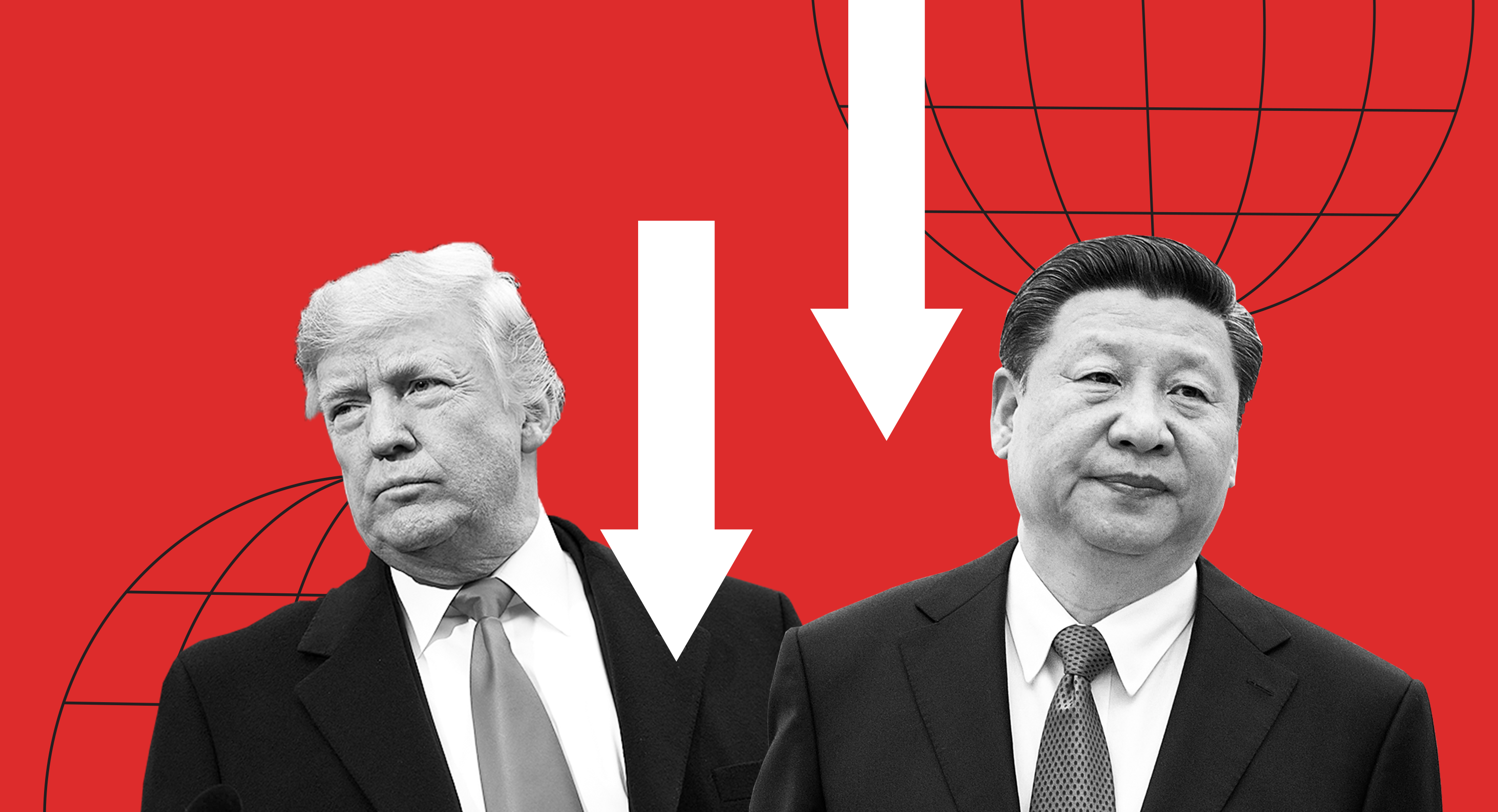
    China Is Determined to Hold Firm Against Trump’s Pressure

    Beijing believes that Washington is overestimating its own leverage and its ability to handle the trade war’s impacts. 

      • Sheena Chestnut Greitens

      Rick Waters, Sheena Chestnut Greitens

Get more news and analysis from
Carnegie China
Carnegie China logo, white
Keck Seng Tower133 Cecil Street #10-01ASingapore, 069535Phone: +65 9650 7648
  • Research
  • About
  • Experts
  • Events
  • Contact
  • Careers
  • Privacy
  • For Media
Get more news and analysis from
Carnegie China
© 2026 Carnegie Endowment for International Peace. All rights reserved.