

Commentary
But their "principal to principal" model will only be as effective as the political strength of each leader back home.
Damien Ma
{
  "authors": [],
  "type": "legacyinthemedia",
  "centerAffiliationAll": "",
  "centers": [
    "Carnegie Endowment for International Peace"
  ],
  "collections": [],
  "englishNewsletterAll": "",
  "nonEnglishNewsletterAll": "",
  "primaryCenter": "Carnegie Endowment for International Peace",
  "programAffiliation": "",
  "programs": [],
  "projects": [],
  "regions": [
    "North America",
    "United States",
    "Middle East"
  ],
  "topics": [
    "Political Reform",
    "Security",
    "Military"
  ]
}
Source: Getty
Guantanamo remains the most powerful recruiting tool terrorists have, and though closing the facility poses numerous challenges, it is vital for U.S. national security.
Source: VOA Encounter

In an interview with Voice of America's Carol Castiel, Will Dobson cautions that Guantanamo remains the most powerful recruiting tool terrorists have, and though closing the facility poses numerous challenges, it is vital for U.S. national security. The president’s speech also highlighted the difficulties of translating broad policy shifts into concrete action; each detainee’s case poses unique legal and logistical questions, and despite Congressional opposition, some detainees will have to be transferred to U.S. prisons.
Carnegie does not take institutional positions on public policy issues; the views represented herein are those of the author(s) and do not necessarily reflect the views of Carnegie, its staff, or its trustees.

But their "principal to principal" model will only be as effective as the political strength of each leader back home.

Damien Ma

U.S. unpredictability has allowed China to capitalize on its positioning as the “responsible great power”. Paradoxically, the more China wins the perception game, the more likely expectations will rise for Beijing to deliver not just words but to demonstrate with its deeds.

Chong Ja Ian

For Malaysia, the conjunction that works is “and” not “or” when it comes to the United States and China.

Elina Noor
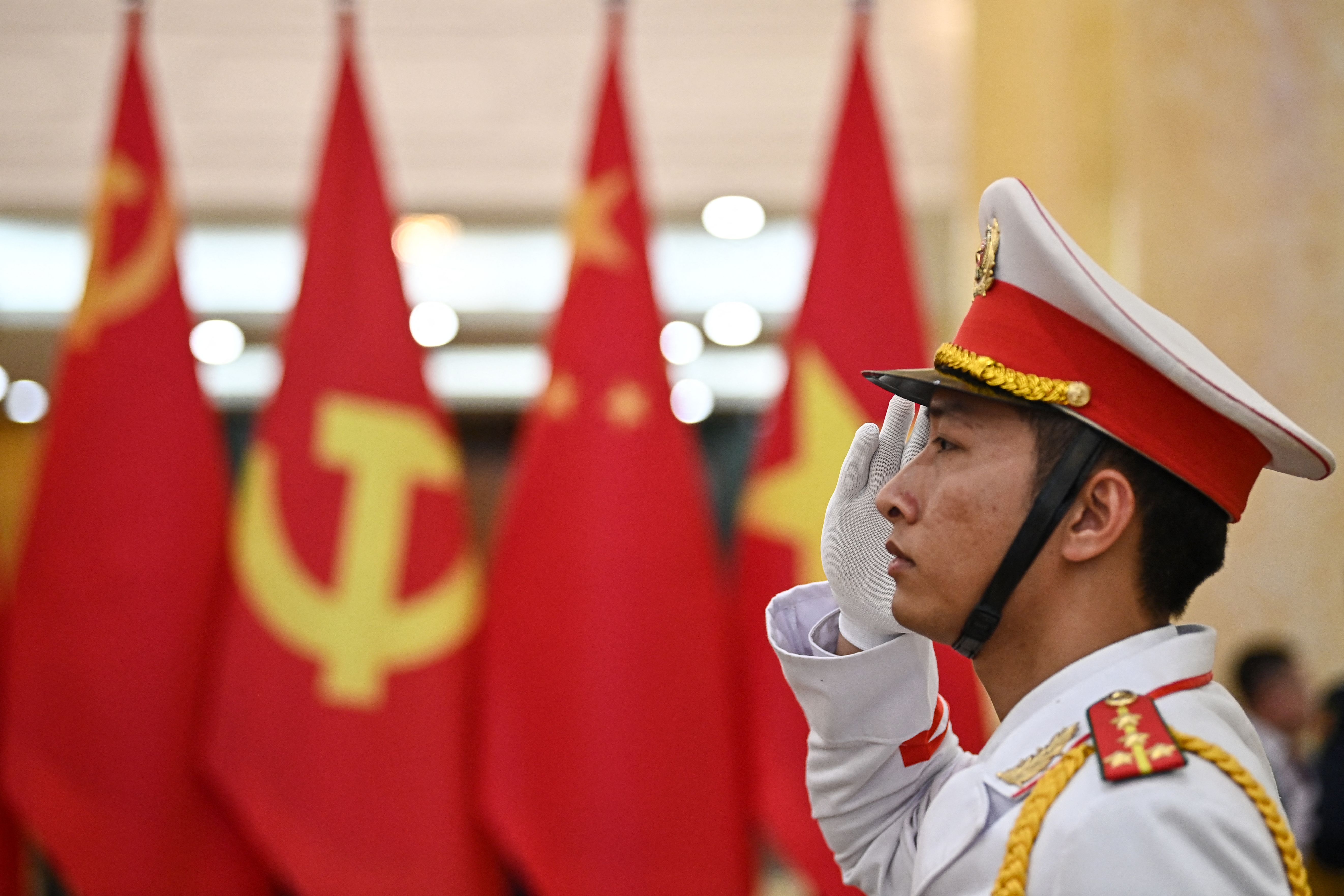
In July 2025, Vietnam and China held their first joint army drill, a modest but symbolic move reflecting Hanoi’s strategic hedging amid U.S.–China rivalry.

Nguyễn Khắc Giang

Regulation, not embargo, allows Beijing to shape how other countries and firms adapt to its terms.
Alvin Camba