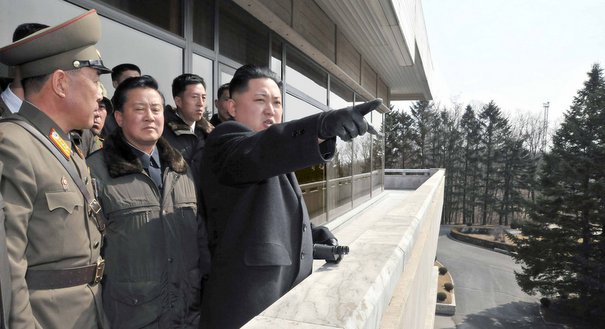
Kim Jong Un, the youngest son of Kim Jong Il, looks to be the next ruler of North Korea. Will he usher in a period of perestroika? Or are we to expect more of the same provocation we've witnessed in the past two months?
Daddy DearestFor years, a prime method for decoding the impenetrable North Korean regime has been the Dear Leader's sushi chef, a defector named Kenji Fujimoto. When I met him in Tokyo several years ago, he looked as if he had just stepped off a construction site. His body was squat, his face rough. From his vantage in the kitchen, Fujimoto had been an astute observer of Kim Jong Il's court--and the struggle within that court to win favor.
Years ago, Fujimoto began noticing the growing prominence of Kim Jong Il's youngest son, Kim Jong Un. He had grown close to his father; a special bond had formed. On the surface, Kim Jong Un seemed like a nice boy, dutiful and respectful. Fujimoto, however, sensed these were mere exterior traits. He sensed that Kim Jong Un was "ruthless" and "tough inside." In his memoir about his time in the household, Fujimoto captured the youngest son in a chilling passage: "When Jong Un shook hands with me, he stared at me with a vicious look. I cannot forget the look in the Prince's eyes."
It is said that Kim Jong Il, who has ruled North Korea since his father died in 1994, has suffered at least one stroke, a health record that focused his mind on his successor. And, apparently, his choice for the job is Kim Jong Un, now reportedly 26 years old. No formal announcement has been made, but there are all the telltale signs: schoolchildren invoking Kim Jong Un in their songs, instructions that diplomats pay homage to him.
Perhaps all this tumult within the regime can explain its particularly belligerent behavior in recent months. Will the new leader put an end to this chapter? There are only a mere handful of other clues about the young man who will take over the Hermit Kingdom. And it is essential to examine them closely to determine whether Kim Jong Un is as ruthless as the chef describes.
When I first heard the name Kim Jong Un from the chef, it meant little to me. The only public photo of him is a grainy shot, taken when he was about eleven; it shows a sweet-looking child with the same broad face and thick lips as his infamous dad. Unlike his eldest brother, the beefy Kim Jong Nam, who the Japanese once deported for traveling under a false passport, Kim Jong Un had never made news of any kind--not through scandals, not through speeches. His upbringing was shrouded; he supposedly attended the International School of Berne in Switzerland under a pseudonym, though no one knows for sure. For years, many North Korea-watchers didn't even know he existed.
Kim Jung Un is the son of the Dear Leader's third and most beloved wife, Koh Young Hee, a dancer from a state-run troupe. He could be spoiled. And, like his father, he's a big-time drinker. The father's taste for imported liquor consumed at wild parties is something that Fujimoto knows well. At one late-night party, the Dear Leader had the chef's pubic hair shaved, a humiliating gag.
The parallels between father and son extend beyond their extracurricular pursuits. In North Korea's elite circles, Kim Jong Un was known for his cruel, icy, and often domineering personality, a mentality that could be perfect for running a gulag state or playing a dangerous game of nuclear chicken. According to Fujimoto, these parallels between father and son were precisely the reason that the Dear Leader gravitated toward Kim Jong Un.
Yet even if Kim Jong Un proves as tough as his father, the power of the Kim family brand might be diluted. The Dear Leader's father and the state's founder, Kim Il Sung, boasted revolutionary credentials and dominated North Korea, creating an exhaustive personality cult and keeping tight control of the armed forces. Despite his Dear Leader moniker, Kim Jong Il has never generated the same levels of devotion or complete control of his country. Concessions to competing power bastions, namely the military, have been necessary. (That's why the army has been showered with food and resources, even as the rest of the nation has starved.) Andrei Lankov, probably the foremost North Korea-watcher in Seoul, told me that Kim Jong Il rules less by fiat than is commonly believed; he has to reach some degree of consensus with top generals before making decisions. "Kim Jong Il cannot do whatever he wants," Lankov said.
Kim Jong Un will have to cede even more power than his dad. Most likely, he will rule in tandem with the Dear Leader's brother-in-law, Chang Song-Taek, who controls the North Korean secret police. Many analysts believe that Chang has been running the country in recent months, while Kim Jong Il recovers. (When I have asked former North Korean defectors about Chang, they have responded as if I'd mentioned Keyser Soze; most have clammed up entirely, while others have detailed the horrors of his agents.) The young Kim may also hand over more power to senior military leaders. Unlike his father, who spent more than a decade building ties to top generals before assuming power, Kim Jong Un hasn't had nearly as long to cultivate relationships.
Is there any chance that Kim could usher in a period of perestroika? American analysts of North Korea have long insisted that there is a moderate group within Pyongyang's military that wants Chinese-style economic reforms. And, even if this weren't the case, a larger governing role for the army might help constrain the craziness that inherently flows from an erratic monomaniacal autocrat. That might be wishful thinking. More likely is the possibility that the accession of the country's new leader might end Pyongyang's nuclear provocations--which may be a tactic to rally domestic opinion around the new leadership.
Then again, maybe the world is underestimating the younger Kim. More than a decade ago, when his father took control, most North Korea analysts believed the pudgy playboy wouldn't last long before a military junta sidelined him. Since then, Kim Jong Il has developed a nuclear weapon, despite international sanctions, and kept the military at bay. If his son, with a nuclear arsenal at his command, has inherited his old man's disposition, imagine what he can accomplish.
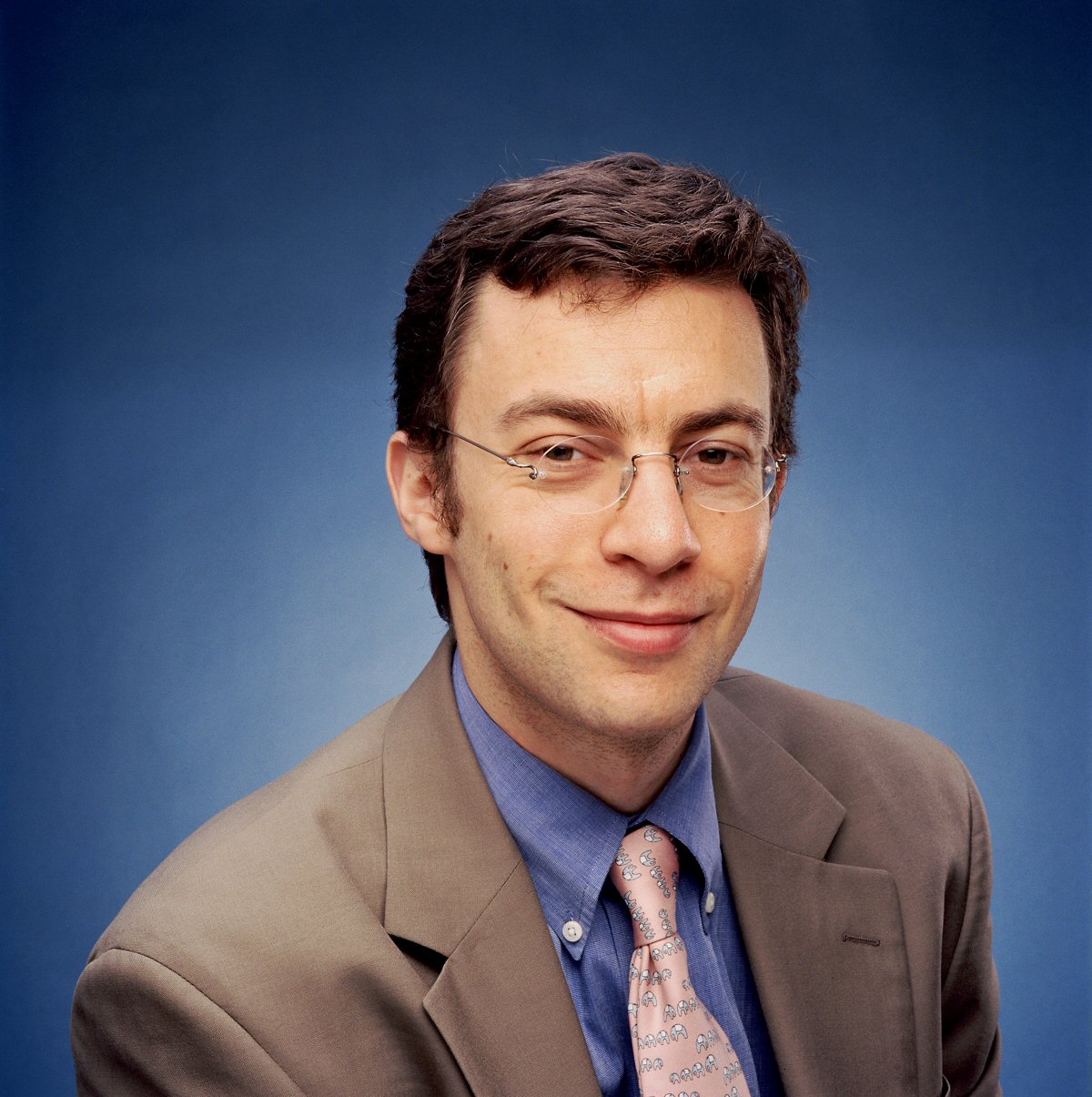
A special correspondent for The New Republic, a columnist for Time, and a senior correspondent for The American Prospect, Kurlantzick assesses China’s relationship with the developing world, including Southeast Asia, Africa, and Latin America.
Carnegie does not take institutional positions on public policy issues; the views represented herein are those of the author(s) and do not necessarily reflect the views of Carnegie, its staff, or its trustees.
Chinese biotech companies have been on the receiving end of U.S. economic coercion. Yet their responses have differed significantly because firm and state interests are not uniformly aligned. For Washington, treating all Chinese tech firms the same, irrespective of their actual interests, risks pushing them farther into Beijing’s corner.
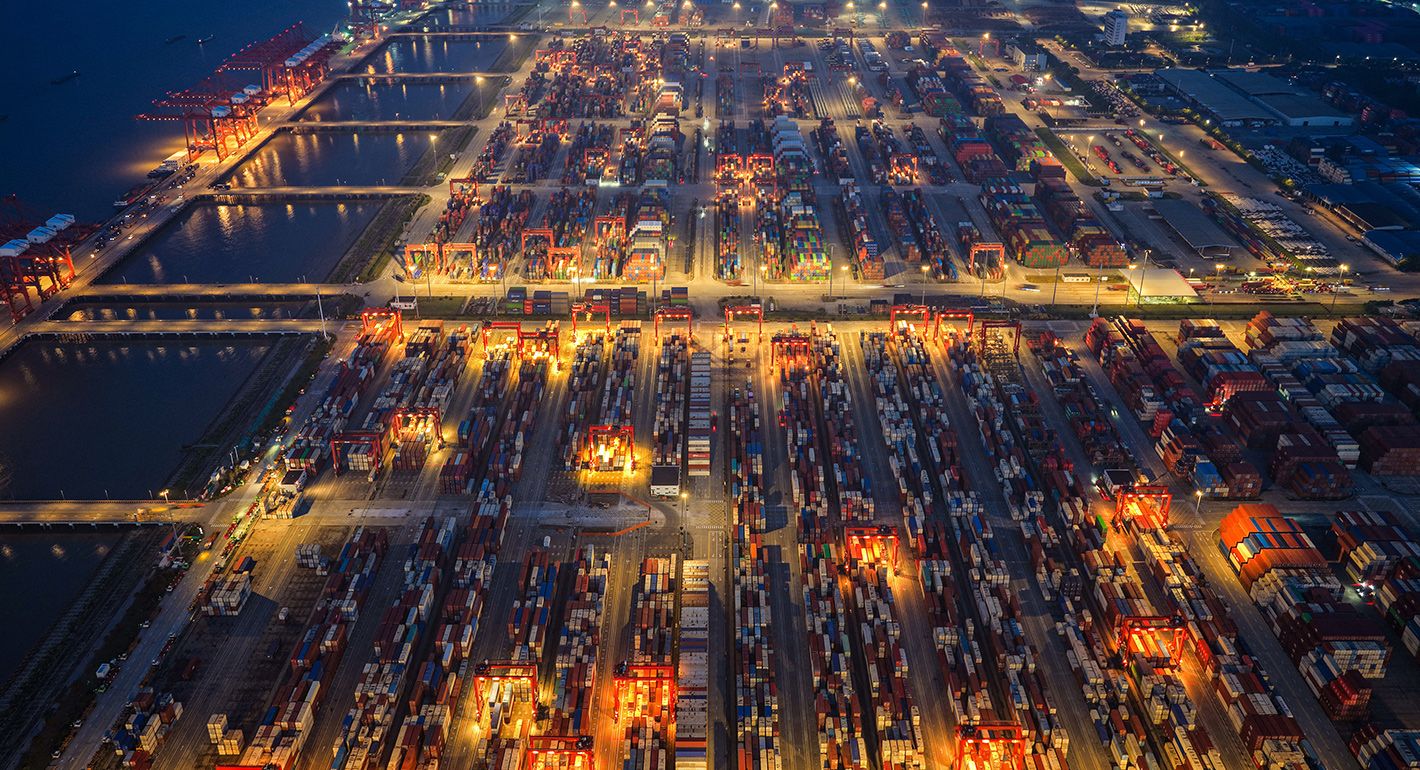
Across Asia, China is better positioned to withstand energy shocks from the fallout of the Iran war. Its abundant coal capacity can ensure stability in the near term. Yet at the same time, the country’s energy transition away from coal will make it even less vulnerable during the next shock.
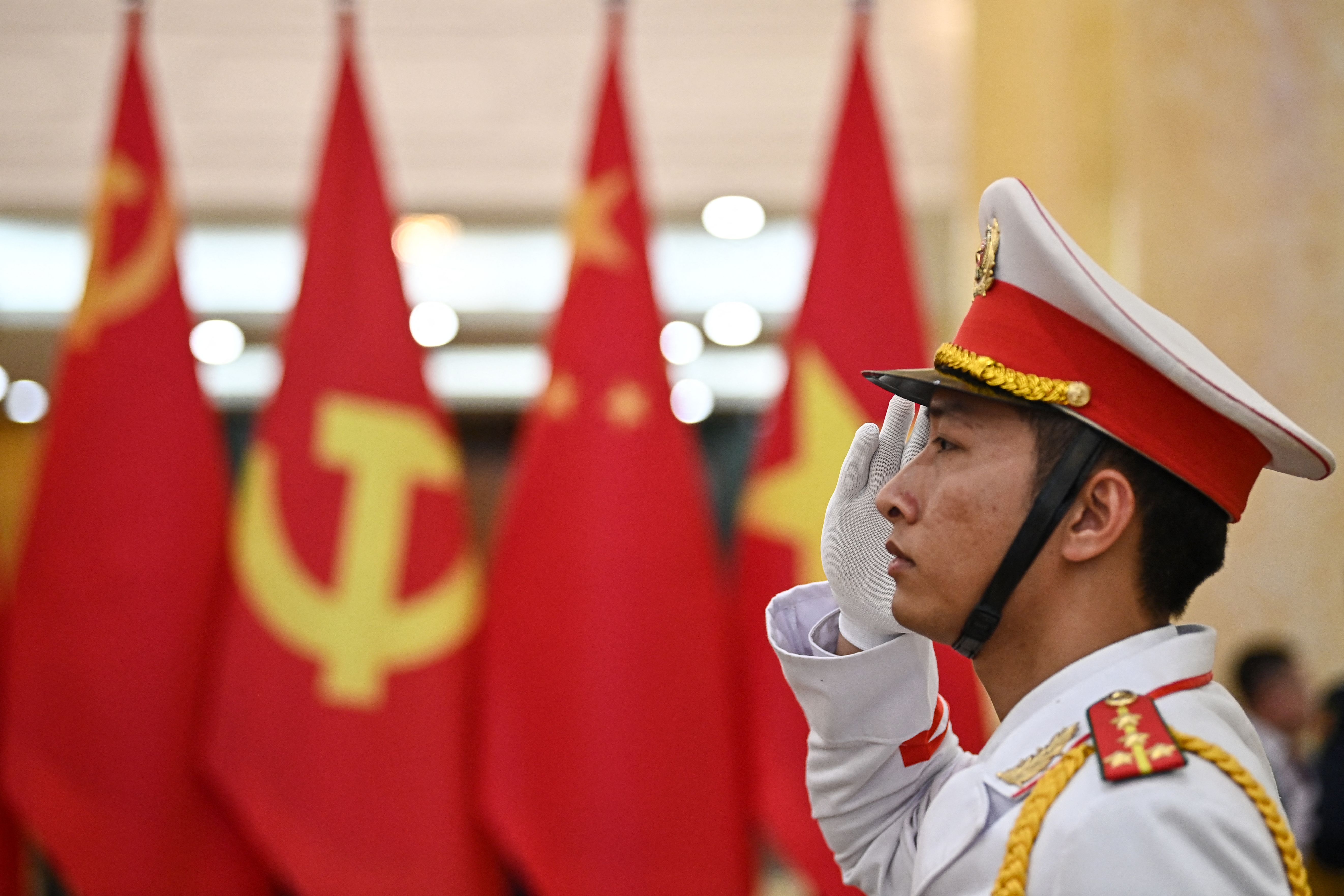
In July 2025, Vietnam and China held their first joint army drill, a modest but symbolic move reflecting Hanoi’s strategic hedging amid U.S.–China rivalry.
The Thai-Cambodian conflict highlights the limits to China's peacemaker ambition and the significance of this role on Southeast Asia’s balance of power.