

Commentary
But their "principal to principal" model will only be as effective as the political strength of each leader back home.
Damien Ma
{
  "authors": [
    "George Perkovich",
    "James M. Acton"
  ],
  "type": "legacyinthemedia",
  "centerAffiliationAll": "dc",
  "centers": [
    "Carnegie Endowment for International Peace"
  ],
  "collections": [
    "U.S. Nuclear Policy"
  ],
  "englishNewsletterAll": "ctw",
  "nonEnglishNewsletterAll": "",
  "primaryCenter": "Carnegie Endowment for International Peace",
  "programAffiliation": "NPP",
  "programs": [
    "Nuclear Policy"
  ],
  "projects": [],
  "regions": [
    "North America",
    "United States"
  ],
  "topics": [
    "Nuclear Policy"
  ]
}
Source: Getty
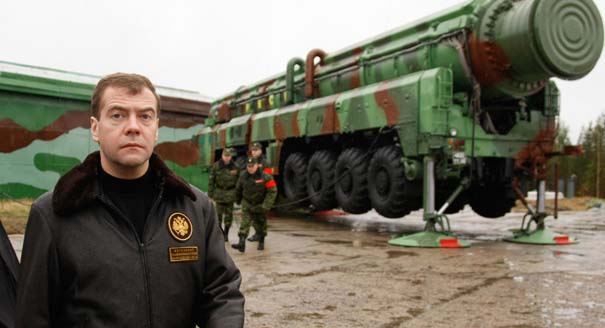
Those opposed to ridding the world of nuclear weapons have a tendency of setting up and knocking down the same old straw men, argue George Perkovich and James. M Acton. If disarmament advocates want to improve the debate, they need to stress that the US would not disarm unilaterally or leave its allies in the lurch.
Source: Bulletin of the Atomic Scientists

Certainly, there is much room for serious disagreement about whether a nuclear-weapon-free world is achievable or even worthwhile. In fact, such discussion is welcomed. Unfortunately, opponents of abolishing nuclear weapons tend to make their case by rebutting a selection of five weak arguments that the growing bipartisan movement of nuclear zero supporters led by realists such as Henry Kissinger, George Shultz, Bill Perry and Sam Nunn rarely use. In the interest of improving the quality of the debate in future, here's how disarmament proponents should respond to the "fatuous five":
Read the full article in the Bulletin of the Atomic Scientists.

Japan Chair for a World Without Nuclear Weapons, Senior Fellow
George Perkovich is the Japan Chair for a World Without Nuclear Weapons and a senior fellow in the Carnegie Endowment for International Peace’s Nuclear Policy Program. He works primarily on nuclear deterrence, nonproliferation, and disarmament issues, and is leading a study on nuclear signaling in the 21st century.

Jessica T. Mathews Chair, Co-director, Nuclear Policy Program
Acton holds the Jessica T. Mathews Chair and is co-director of the Nuclear Policy Program at the Carnegie Endowment for International Peace.
Carnegie does not take institutional positions on public policy issues; the views represented herein are those of the author(s) and do not necessarily reflect the views of Carnegie, its staff, or its trustees.

But their "principal to principal" model will only be as effective as the political strength of each leader back home.

Damien Ma

U.S. unpredictability has allowed China to capitalize on its positioning as the “responsible great power”. Paradoxically, the more China wins the perception game, the more likely expectations will rise for Beijing to deliver not just words but to demonstrate with its deeds.

Chong Ja Ian

For Malaysia, the conjunction that works is “and” not “or” when it comes to the United States and China.

Elina Noor

Regulation, not embargo, allows Beijing to shape how other countries and firms adapt to its terms.
Alvin Camba

Beijing believes that Washington is overestimating its own leverage and its ability to handle the trade war’s impacts.


Rick Waters, Sheena Chestnut Greitens