• Commentary
  • Research
  • Experts
  • Events
Carnegie China logoCarnegie lettermark logo
{
  "authors": [
    "Amel Boubekeur"
  ],
  "type": "legacyinthemedia",
  "centerAffiliationAll": "",
  "centers": [
    "Carnegie Endowment for International Peace",
    "Malcolm H. Kerr Carnegie Middle East Center"
  ],
  "collections": [],
  "englishNewsletterAll": "",
  "nonEnglishNewsletterAll": "",
  "primaryCenter": "Malcolm H. Kerr Carnegie Middle East Center",
  "programAffiliation": "",
  "programs": [],
  "projects": [],
  "regions": [
    "Maghreb"
  ],
  "topics": [
    "Political Reform",
    "Security"
  ]
}
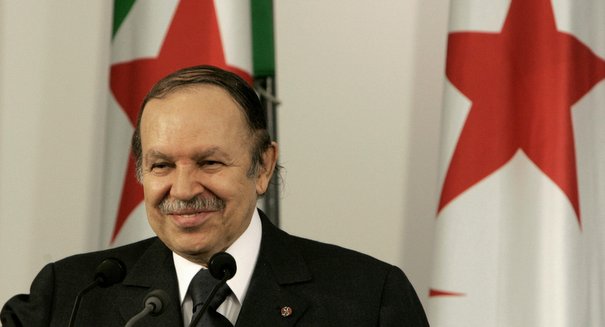
Source: Getty

In The Media
Malcolm H. Kerr Carnegie Middle East Center

Algeria: Security Clampdown Conflicts With Bouteflika's Aims

Events of the last months in Algeria have shown that the less the state engages in dialogue with the street, the more the street will resort to violence and abandon the tools of voting and peaceful demonstrations.

Link Copied
By Amel Boubekeur
Published on Oct 22, 2009

Source: AllAfrica.com

Algeria: Security Clampdown Conflicts With Boutefl
The clashes between police and young people protesting poor housing conditions in Algiers earlier this week reflect growing efforts in recent weeks to stem public demonstrations by a government which, fearing terrorist threats, is determined to maintain a grip on order.
 
The unrest in the capital followed an incident earlier this month in which police prevented 300 human rights activists, students, journalists and NGOs from commemorating the uprising of October 1988, in which hundreds of people died and many young people were imprisoned and tortured.
 
That uprising eventually led to the end of 26 years of single-party rule by the National Liberation Front. A new constitution later endorsed more freedom to political parties, unions and the press. But the social agitation also ultimately helped trigger the Algerian civil war in 1991, and since it ended in 2002, demands for greater freedom have haunted Algiers.
 
Despite greater political freedom allowed by the constitution, in recent years a state of emergency has enabled the Interior Ministry in recent years to limit the activities of unionists, prevented the creation of new opposition parties and prohibited activists or writers from holding public lectures.
 
Public demand for dialogue over the current system is suppressed and criminalized. This was reflected on June 14, 2001, in the most significant public mobilization in Algeria since independence from France. A peaceful march which brought together two million people from across the country, mainly from the Berber area of Kabila, was suppressed by the authorities, who described the protesters as "a mob of thugs."
Even demonstrations of support for the people of Gaza, organized spontaneously in Algiers in January of this year, were restricted. In fact, the only opportunity for citizens to congregate freely on the streets is to celebrate football match victories – those parades, though often violent, are not perceived as a threat.
 
The ruling elite are not solely responsible for the difficulties Algerians face in taking back the streets as a place of political protest. Most opposition parties sidelined themselves when in November 2008 they supported a constitutional amendment allowing President Abdelaziz Bouteflika to seek a third term.
Most ordinary Algerians, exhausted by years of conflict between Islamist groups and the armed forces, lack the strength to take to the streets and oppose government decisions. The only survival strategy for many is to reject party politics. Not seen as citizens by the system, they can only become its clients and negotiate individually with a corruption-ridden public administration in the hope of getting a house, a scholarship or consumer credit.
 
The security-oriented state’s responses to street demands highlight its inability to devise a new political plan to revive the country. Its strategy of consolidating power through a state of emergency is faltering and is in conflict with the framework of national reconciliation established by President Bouteflika. His aim is to turn the page on terrorism, but the security restrictions of the last 20 years seem to have had the opposite effect.
 
Events of the last months have shown that the less the state engages in dialogue with the street, the more the street will resort to violence and abandon the tools of voting and peaceful demonstrations. Prohibited from displaying banners, taking part in processions or demonstrating their views, setting fire to urban areas is now seen by rioters as the surest way to secure social rights.

About the Author

Amel Boubekeur

Former Resident Scholar, Middle East Center

Boubekeur was an associate scholar at the Carnegie Middle East Center. Her research focuses on Maghreb country politics, Euro–Arab relations, and Islam in Europe.

    Recent Work

  • Article
    The Tunisian Elections: International Community Must Insist on Moving Beyond Façade Democracy

      Amel Boubekeur

  • Article
    Morocco: The Emergence of a New Palace Party

      Amel Boubekeur

Amel Boubekeur
Former Resident Scholar, Middle East Center
Amel Boubekeur
Political ReformSecurityMaghreb

Carnegie does not take institutional positions on public policy issues; the views represented herein are those of the author(s) and do not necessarily reflect the views of Carnegie, its staff, or its trustees.
More Work from Carnegie China

  • Commentary
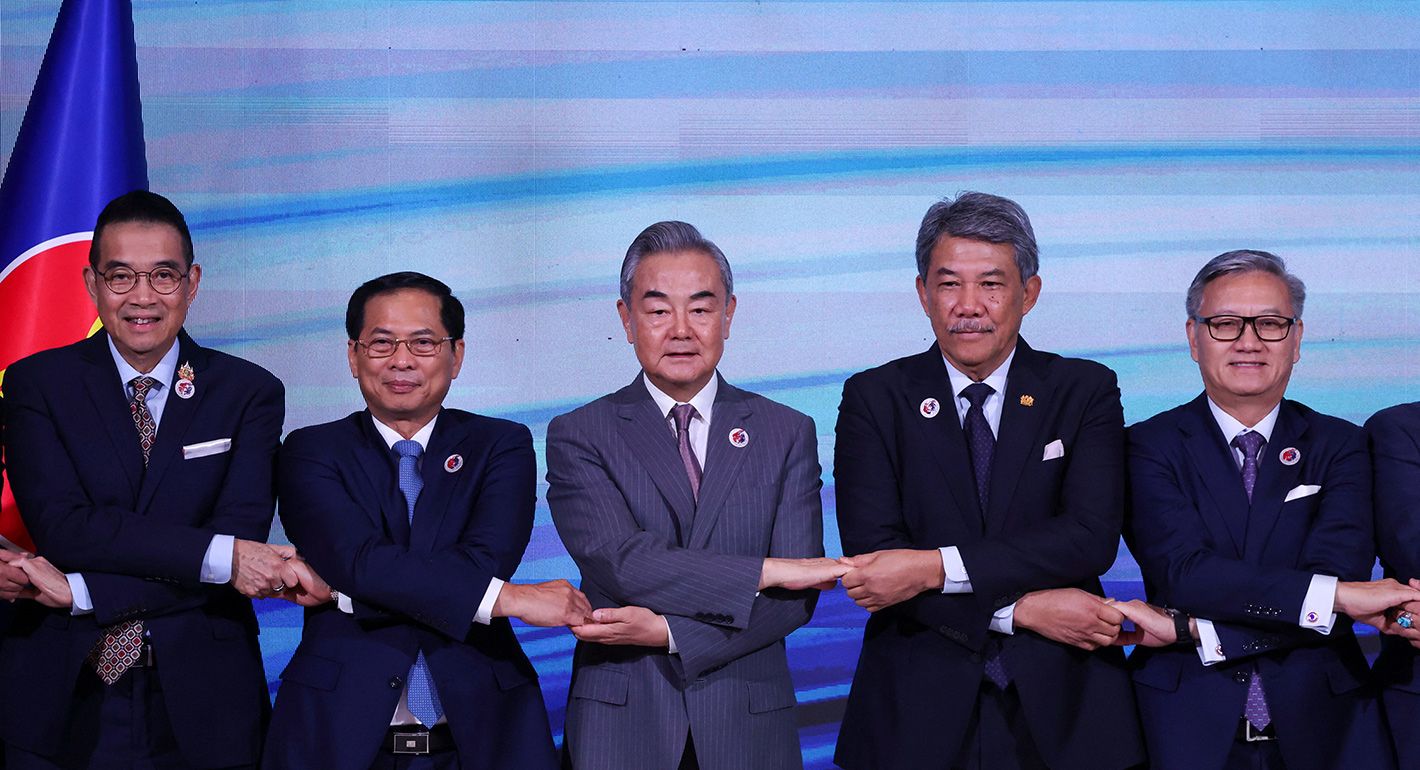
    China’s Mediation Offer in the Thailand-Cambodia Border Dispute Sheds Light on Beijing’s Security Role in Southeast Asia

    The Thai-Cambodian conflict highlights the limits to China's peacemaker ambition and the significance of this role on Southeast Asia’s balance of power.

      Pongphisoot (Paul) Busbarat
  • Trump and Xi on a red background
    Commentary
    Emissary
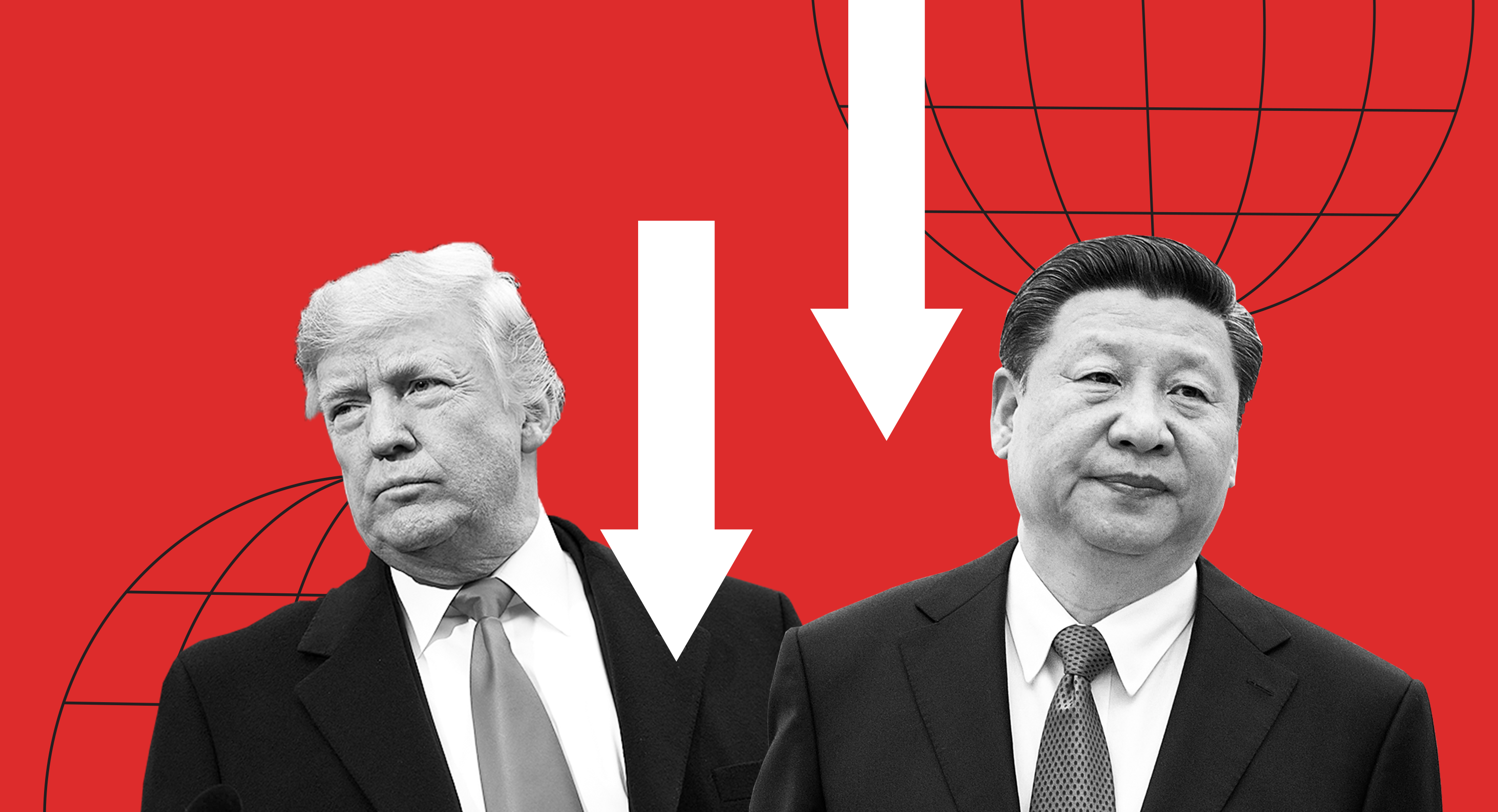
    China Is Determined to Hold Firm Against Trump’s Pressure

    Beijing believes that Washington is overestimating its own leverage and its ability to handle the trade war’s impacts. 

      • Sheena Chestnut Greitens

      Rick Waters, Sheena Chestnut Greitens
  • Commentary
    A Second Trump Term: Will Southeast Asia Tilt Toward China?

    Tapping our network of China experts in the region, Carnegie China offers this latest “China Through a Southeast Asian Lens” report to offer preliminary assessments of whether the U.S. effort to reshape the global trading order will lead countries in the region to tilt toward Beijing. 
      • +6

      Selina Ho, Khin Khin Kyaw Kyee, Joseph Ching Velasco, …
  • Research
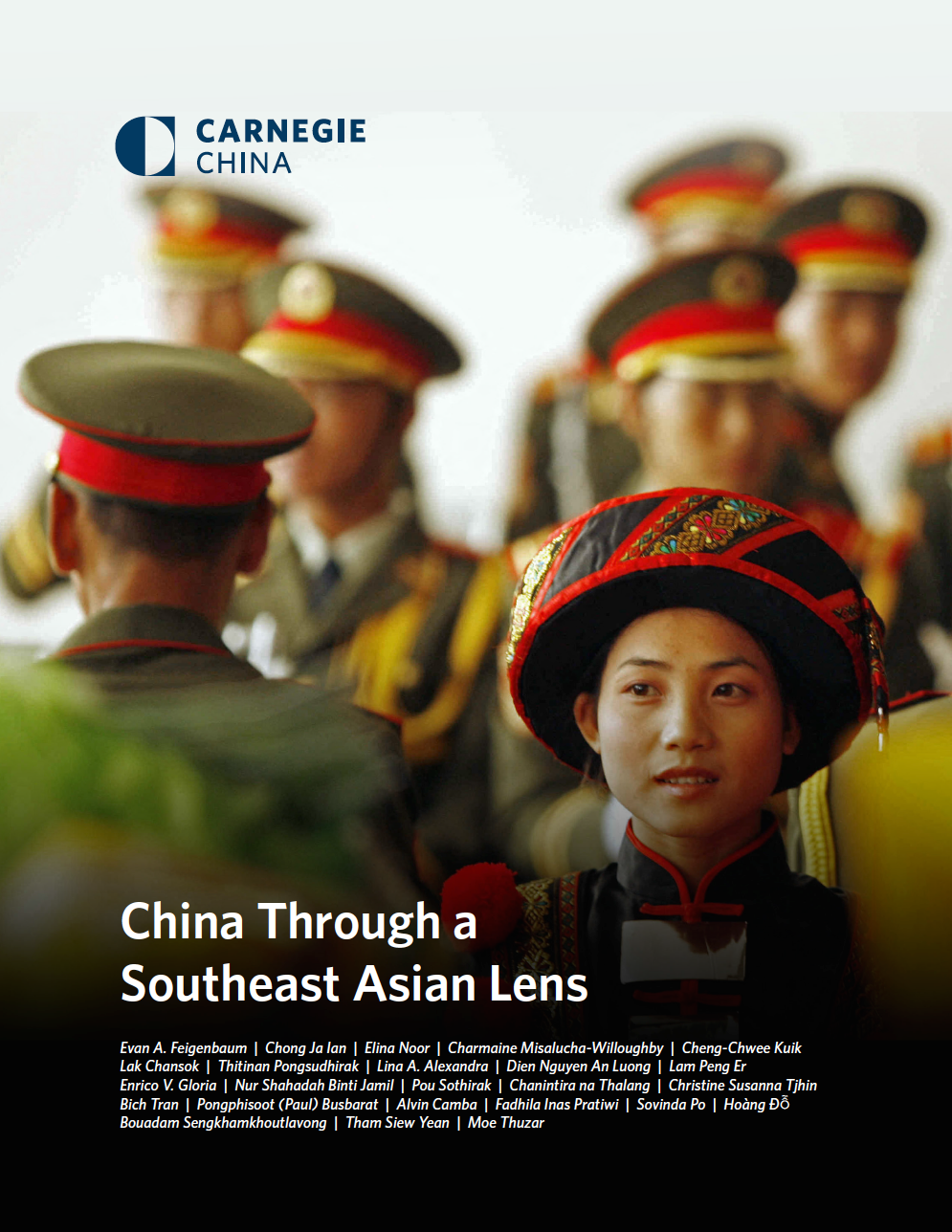
    China Through a Southeast Asian Lens

    Because strategic, economic, and ideological perceptions of China contain multiple, sometimes contradictory facets in Southeast Asia, receptions of and responses to Beijing diverge across and within state lines.


      Evan A. Feigenbaum, Chong Ja Ian, Elina Noor
  • Article
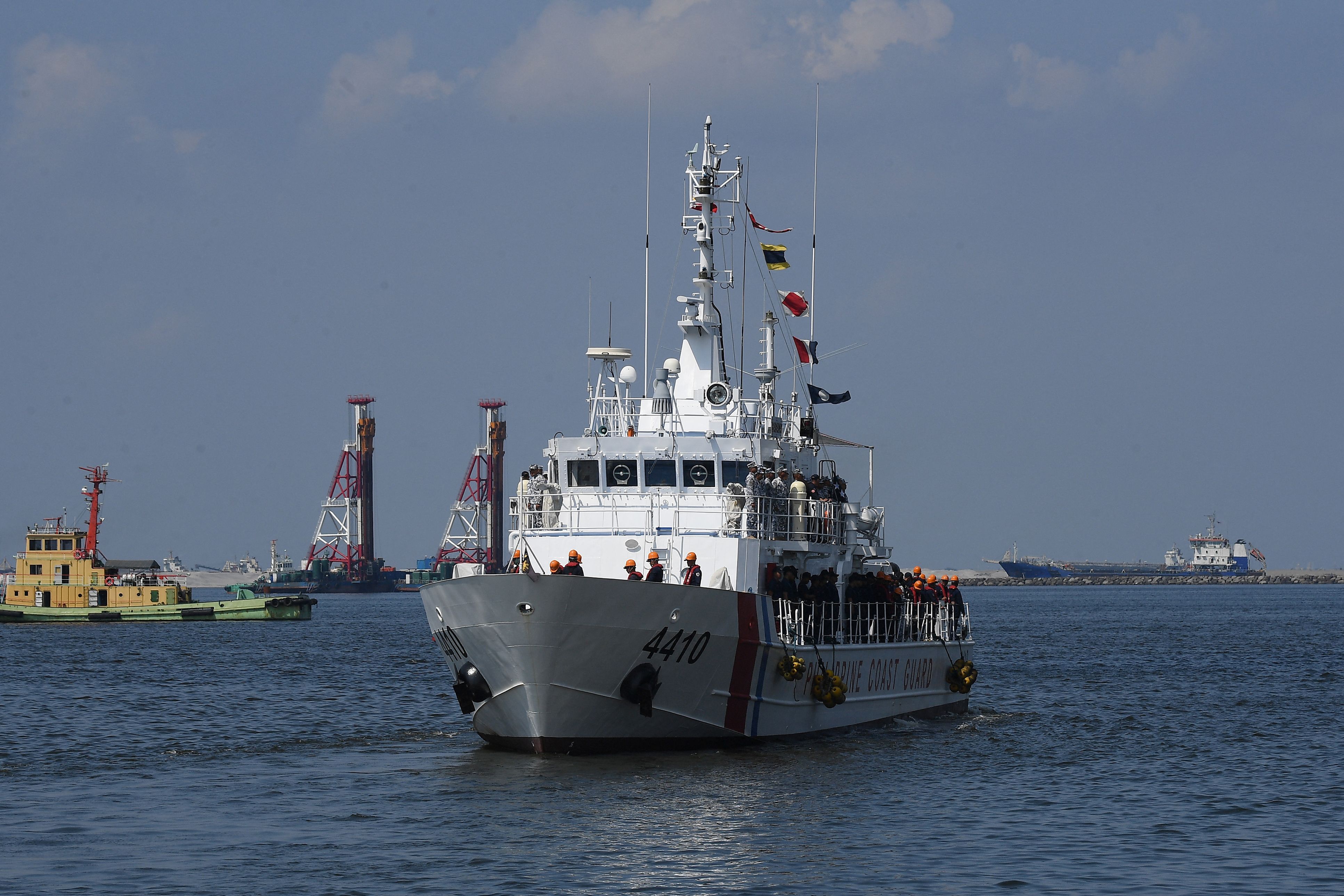
    Northeast Asia Is for Deterrence and Southeast Asia Is (Mostly) for Freeriding: Appreciating Divergent East Asian Approaches to Order, Uncertainty, and Contestation

    Most Southeast Asian states behave as if the actions of their Northeast Asian neighbors and the Philippines will be sufficient to maintain a regional status quo from which they can benefit.

      Chong Ja Ian

Get more news and analysis from
Carnegie China
Carnegie China logo, white
Keck Seng Tower133 Cecil Street #10-01ASingapore, 069535Phone: +65 9650 7648
  • Research
  • About
  • Experts
  • Events
  • Contact
  • Careers
  • Privacy
  • For Media
Get more news and analysis from
Carnegie China
© 2026 Carnegie Endowment for International Peace. All rights reserved.