

Q&A
Deepti Choubey
{
  "authors": [
    "Deepti Choubey"
  ],
  "type": "legacyinthemedia",
  "centerAffiliationAll": "dc",
  "centers": [
    "Carnegie Endowment for International Peace",
    "Carnegie Russia Eurasia Center"
  ],
  "collections": [
    "U.S. Nuclear Policy"
  ],
  "englishNewsletterAll": "ctw",
  "nonEnglishNewsletterAll": "",
  "primaryCenter": "Carnegie Endowment for International Peace",
  "programAffiliation": "NPP",
  "programs": [
    "Nuclear Policy"
  ],
  "projects": [],
  "regions": [
    "North America",
    "United States",
    "Middle East",
    "Iran"
  ],
  "topics": [
    "Nuclear Policy"
  ]
}
Source: Getty
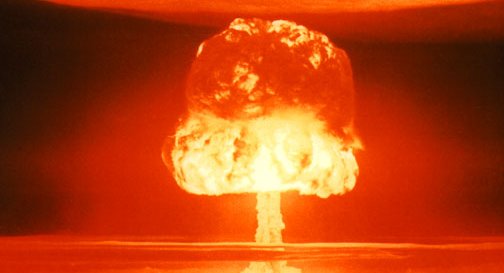
Universal ratification of the CTBT will create another tool for impeding Iran's nuclear ambitions, but the United States must take the lead.
Source: The Hill

Proliferation threats like Iran make U.S. ratification more urgent and a smart global security strategy. After the U.S. and China ratify, the major powers will have another tool for impeding Iran’s nuclear ambitions. Because China’s ratification is linked to the timing of U.S. ratification, the United States must act first.
In light of recent revelations and consternation about Iran’s pursuit of a nuclear weapons capability, the global test ban is a critical tool. Iranian ratification is both a confidence-building measure and an obstacle to nuclear weapons development. A would-be nuclear weapons state requires nuclear tests to have confidence that its weapons work and can be deployed as deliverable nuclear warheads. States in pursuit of prestige also use nuclear tests to announce their capabilities.
Banning tests undercuts the drive for prestige, as it becomes an unlawful activity. By legally committing itself to the global norm against nuclear tests, Iran could reduce concerns about its nuclear program. Not doing so increases the skepticism from countries that until now have kept an open mind about Iran’s “nuclear file.” The U.S. would be in a stronger position to make this demand and to translate that skepticism into support for other enforcement measures if it ratifies first and soon.
Opponents to ratifying the test ban are undercutting U.S. security. The Comprehensive Test Ban Treaty would freeze currently inferior arsenals in Northeast Asia, South Asia and the Middle East, and forbid these states from conducting tests needed to improve their arsenals. With the CTBT in force, global and national capabilities to detect and deter possible clandestine nuclear testing by other states improve greatly. Entry-into-force is essential to making the short-notice, on-site inspections in states of concern possible. These outcomes are in American interests.
Critics also ignore tremendous technological and scientific progress. A lot has changed in the decade since the U.S. Senate considered the global test ban. The CTBT’s global alarm system gives new confidence that clandestine nuclear tests will be detected, as demonstrated by two North Korean tests.
The last decade has also proven that the U.S.’s 17-year nuclear test moratorium has not jeopardized, in the words of Secretary of State Hillary Rodham Clinton, “the safety, security, or credibility” of the U.S. nuclear arsenal.
Confidence in the nuclear arsenal depends largely on advances in super computing. Super computers used today for nuclear weapons simulations are over 10 times faster than the goal put forward in 1999 and will be 10 more times faster by 2012.
Considering these advancements, opposition to ratifying the CTBT is equivalent to handcuffing the U.S. in its efforts to prevent other nuclear weapon states from emerging. Denying the U.S. a key tool in that fight makes no sense. To date, the U.S. has contributed financially, advanced technologically, but has reaped none of the political or lasting security benefits. This is a mistake that is further complicated by the growing demand for the CTBT.
One hundred-fifty countries have ratified the global test ban, over 180 have signed it, and eight more states, aside from the U.S., are required to ratify before the treaty’s benefits can be fully exploited. China will likely ratify right before or just after the United States does. Indonesia has promised to immediately ratify after the U.S. The power of the American example is still strong. Consequently, U.S. ratification will trigger a decrease by a third the number of holdout states.
The strategic context for the remaining states will also change, and they will be more susceptible to international pressure. The good news is that the U.S. is not alone in efforts to get the other hold out states to ratify. Last month at the U.N., 150 countries agreed to steps to do just that. Pressuring Iran to abide by the CTBT is the kind of measure that the rest of the world will get behind and will actually directly impact the core problem.
Opponents of the CTBT who ask what the U.S. will receive in return for ratification forget that the rest of the world already gave what the U.S. sought when they agreed in 1995 to extend the Nuclear Non-Proliferation Treaty indefinitely. It is the United States that has not lived up to its end of the NPT bargain. It’s time for America to keep its promise.

Former Deputy Director, Nuclear Policy Program
Choubey was previously the director of the Peace and Security Initiative for the Ploughshares Fund. She also worked for Ambassador Nancy Soderberg in the New York office of the International Crisis Group.
Recent Work
Deepti Choubey
Deepti Choubey
Carnegie does not take institutional positions on public policy issues; the views represented herein are those of the author(s) and do not necessarily reflect the views of Carnegie, its staff, or its trustees.

For Malaysia, the conjunction that works is “and” not “or” when it comes to the United States and China.

Elina Noor
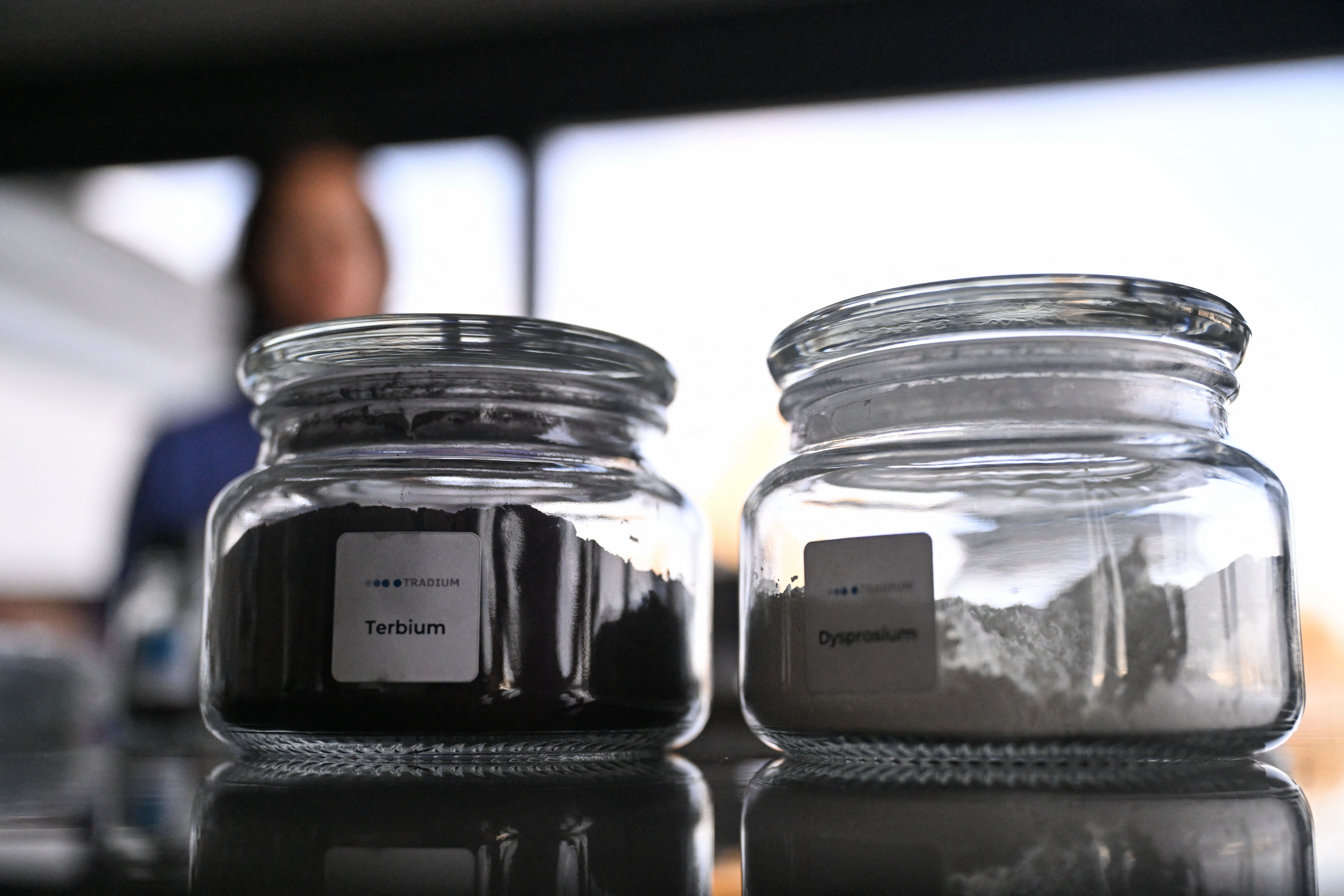
Regulation, not embargo, allows Beijing to shape how other countries and firms adapt to its terms.

Alvin Camba
Beijing believes that Washington is overestimating its own leverage and its ability to handle the trade war’s impacts.


Rick Waters, Sheena Chestnut Greitens
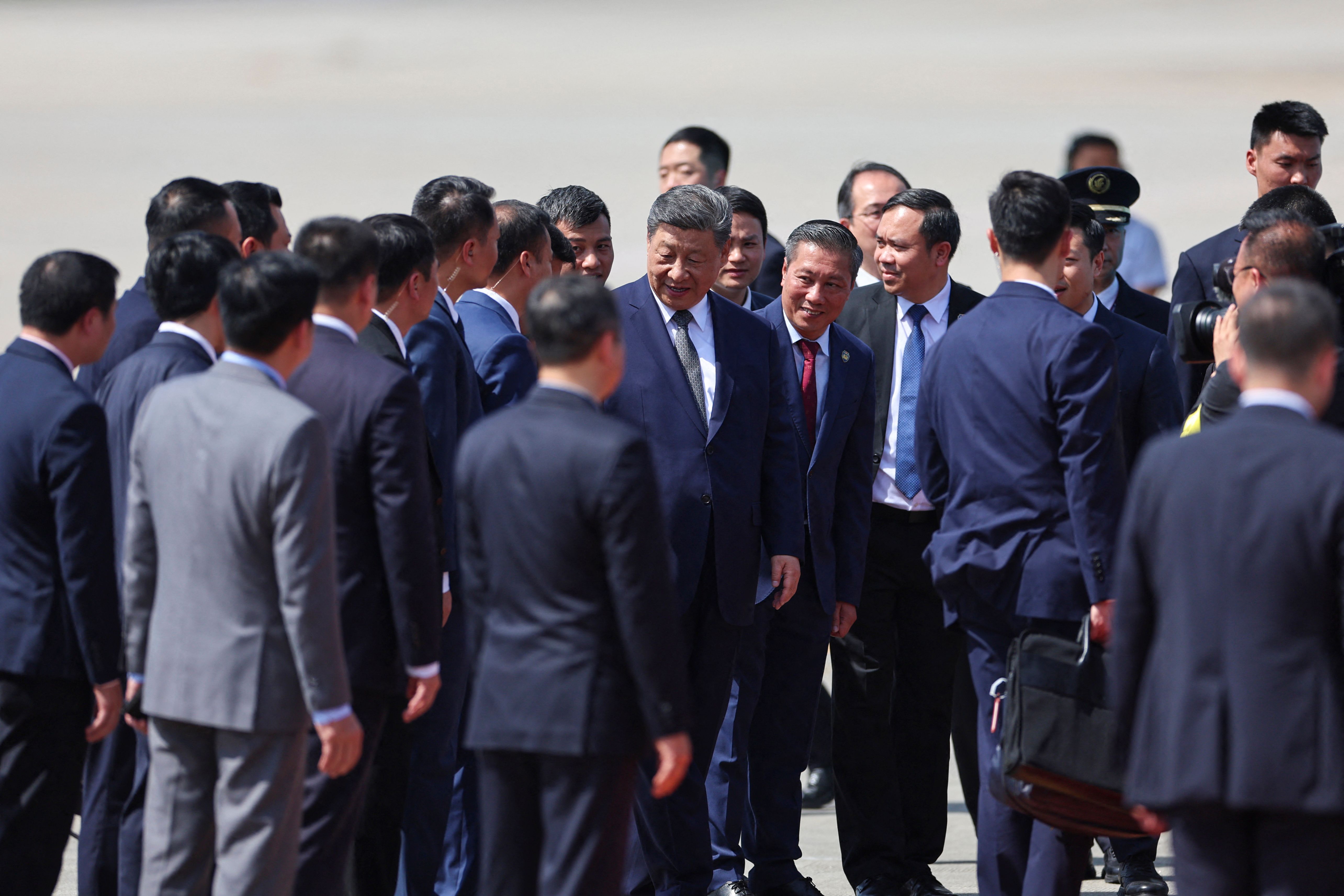
Tapping our network of China experts in the region, Carnegie China offers this latest “China Through a Southeast Asian Lens” report to offer preliminary assessments of whether the U.S. effort to reshape the global trading order will lead countries in the region to tilt toward Beijing.



Selina Ho, Khin Khin Kyaw Kyee, Joseph Ching Velasco, …
Beijing is trying to navigate the overall situation regarding Ukraine, especially the substance of interactions between Washington and Moscow.



Ellen Nakashima, Zhao Long, Pavlo Klimkin, …