

Commentary
The Thai-Cambodian conflict highlights the limits to China's peacemaker ambition and the significance of this role on Southeast Asia’s balance of power.
Pongphisoot (Paul) Busbarat
{
  "authors": [],
  "type": "pressRelease",
  "centerAffiliationAll": "dc",
  "centers": [
    "Carnegie Endowment for International Peace"
  ],
  "collections": [],
  "englishNewsletterAll": "menaTransitions",
  "nonEnglishNewsletterAll": "",
  "primaryCenter": "Carnegie Endowment for International Peace",
  "programAffiliation": "MEP",
  "programs": [
    "Middle East"
  ],
  "projects": [],
  "regions": [
    "Lebanon",
    "Palestine",
    "Yemen"
  ],
  "topics": [
    "Political Reform",
    "Security"
  ]
}
REQUIRED IMAGE
Although important, development assistance aimed at reforming the security sectors in Palestine, Lebanon, and Yemen has achieved only limited results. The bulk of such aid has consisted of military training and equipment, which does nothing to ensure that security forces answer to legitimate civilian leaders.
WASHINGTON, Oct 28—Although important, development assistance aimed at reforming the security sectors in Palestine, Lebanon, and Yemen has achieved only limited results. The bulk of such aid has consisted of military training and equipment, which does nothing to ensure that security forces answer to legitimate civilian leaders, contends a new paper by Yezid Sayigh.
Whether by design or default, the United States and European countries have a narrow focus on counterterrorism in Palestine, Lebanon, and Yemen—all countries with weak and quasi-democratic governments. Without an integrated approach that includes support for democracy and the rule of law, security sector reforms are not sustainable and can reinforce local power struggles.
Five Lessons for the United States and Europe:
“To enable real reform, the West must adopt a comprehensive approach which treats security reform as only one part of a broader political strategy, and encourage governments and security commanders in Palestine, Lebanon, and Yemen to buy into such a strategy,” says Sayigh. “Pursuing counterterrorism in the absence of the rule of law perpetuates the undemocratic governance of the security sector and undermines state building and post-conflict reconstruction.”
###
NOTES
Carnegie does not take institutional positions on public policy issues; the views represented herein are those of the author(s) and do not necessarily reflect the views of Carnegie, its staff, or its trustees.
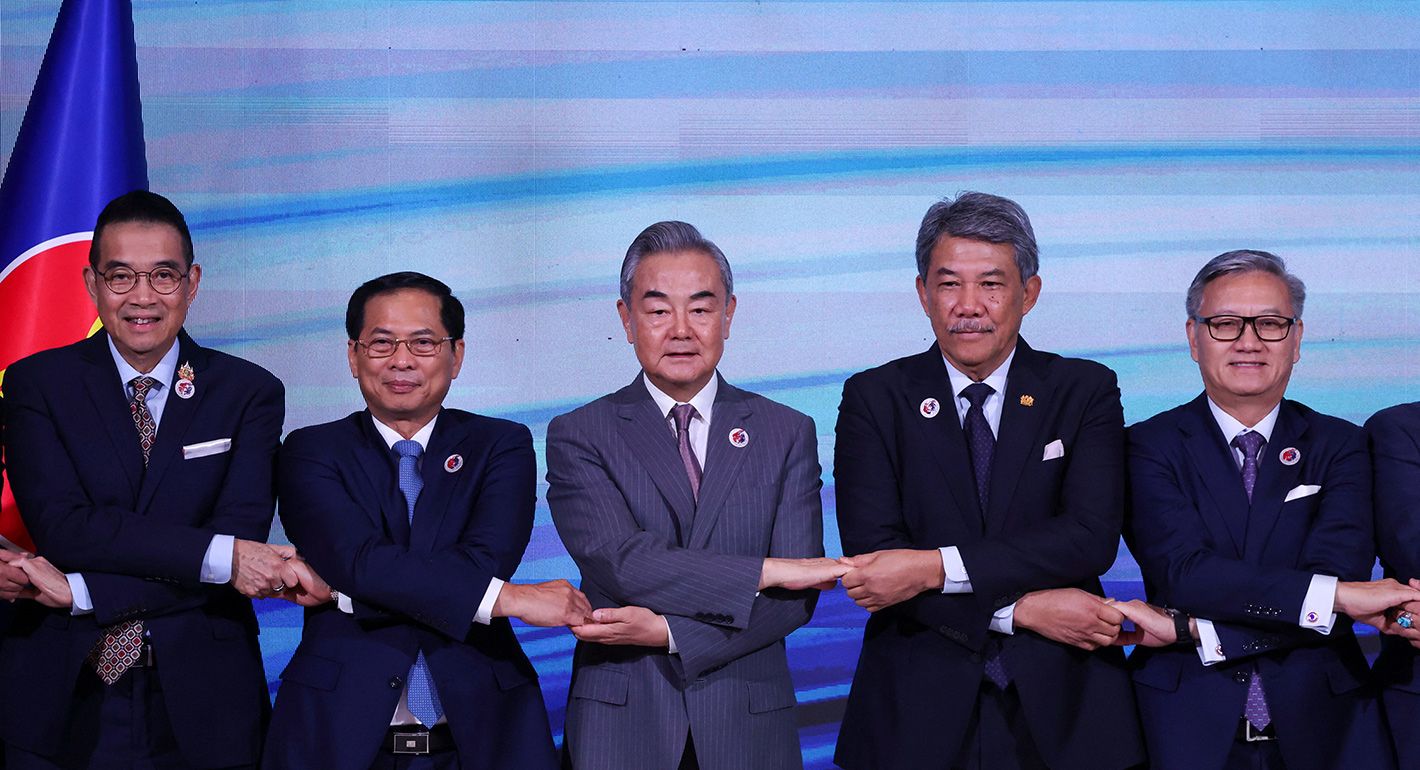
The Thai-Cambodian conflict highlights the limits to China's peacemaker ambition and the significance of this role on Southeast Asia’s balance of power.

Pongphisoot (Paul) Busbarat
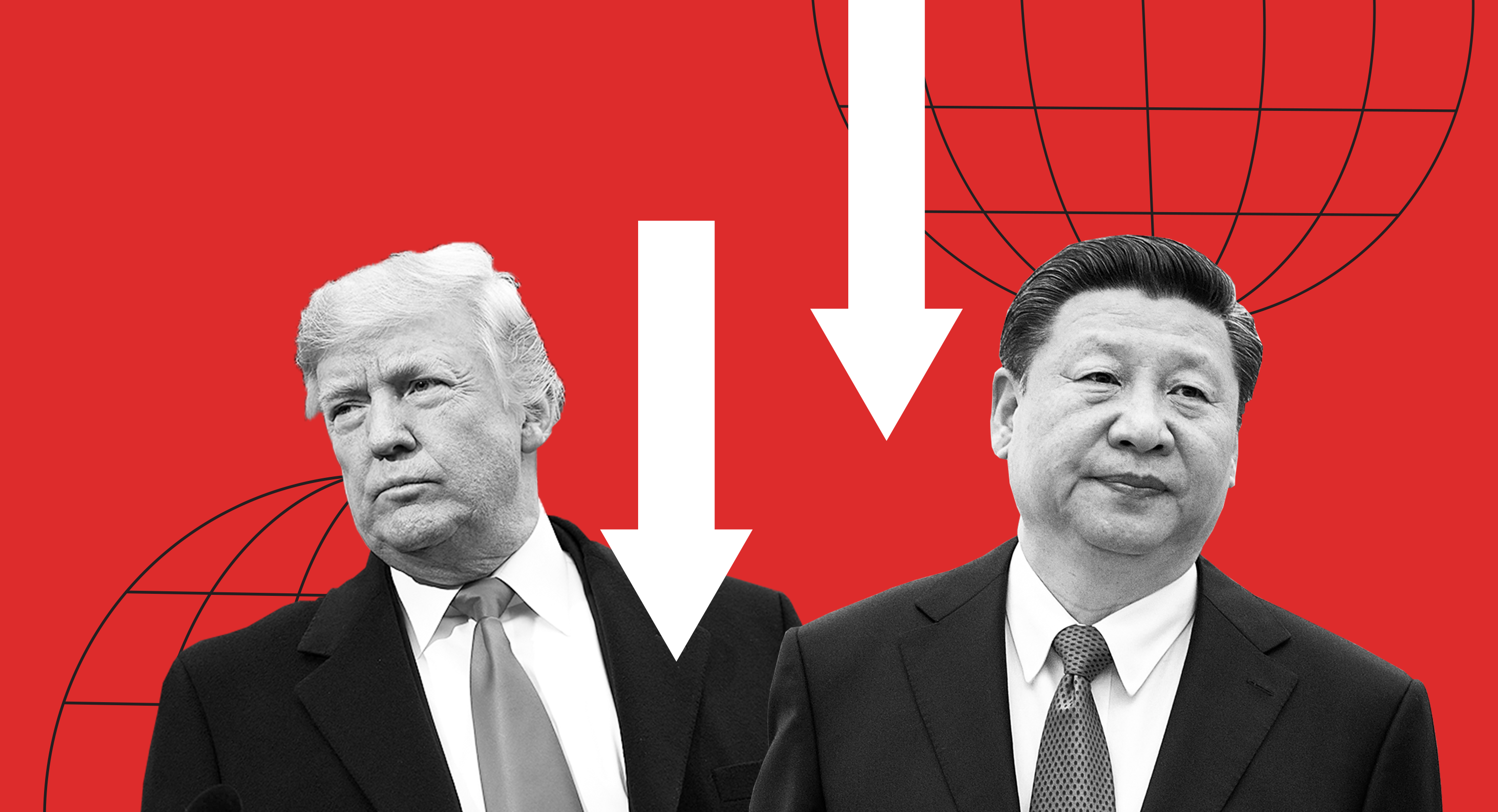
Beijing believes that Washington is overestimating its own leverage and its ability to handle the trade war’s impacts.


Rick Waters, Sheena Chestnut Greitens
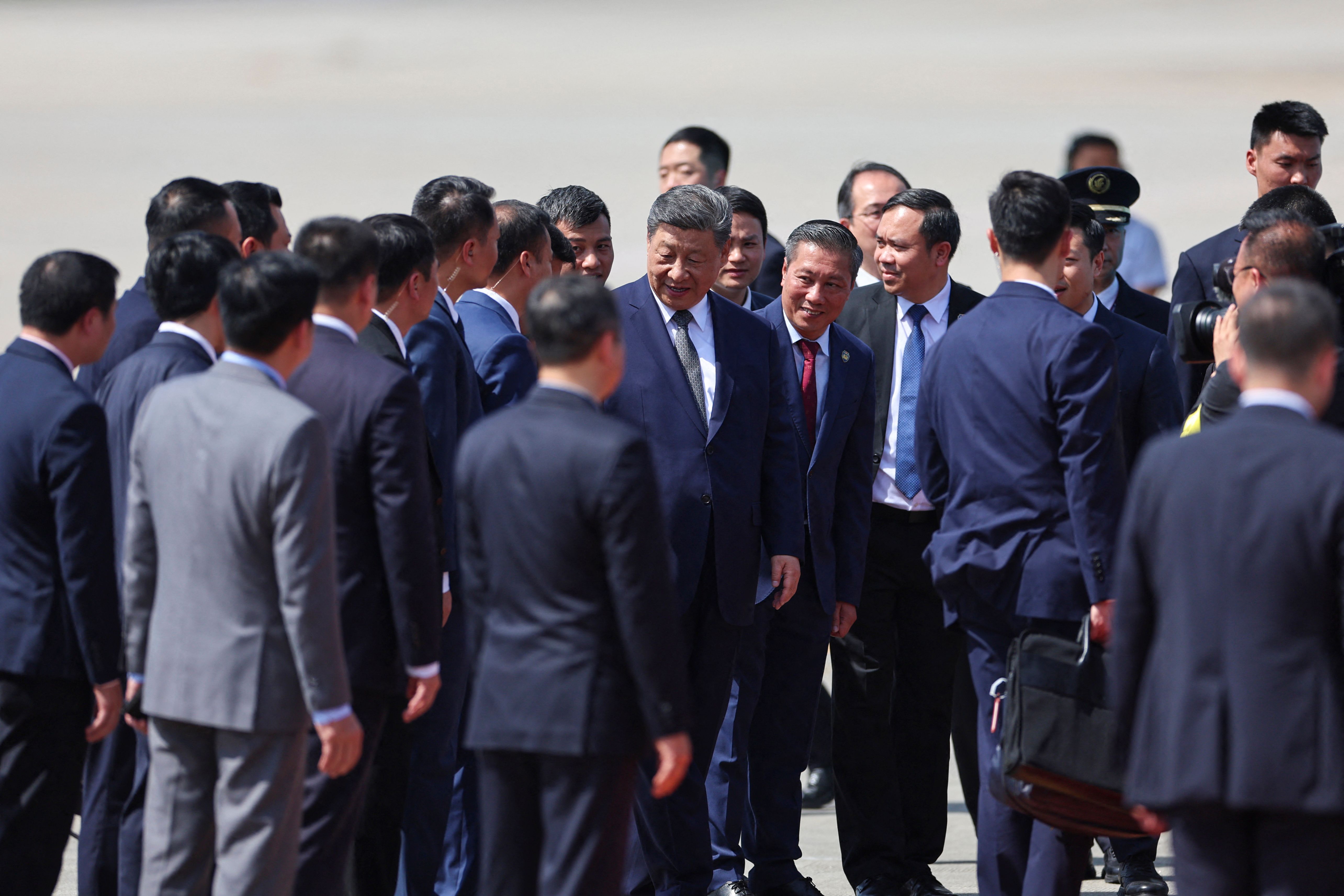
Tapping our network of China experts in the region, Carnegie China offers this latest “China Through a Southeast Asian Lens” report to offer preliminary assessments of whether the U.S. effort to reshape the global trading order will lead countries in the region to tilt toward Beijing.



Selina Ho, Khin Khin Kyaw Kyee, Joseph Ching Velasco, …
Because strategic, economic, and ideological perceptions of China contain multiple, sometimes contradictory facets in Southeast Asia, receptions of and responses to Beijing diverge across and within state lines.



Evan A. Feigenbaum, Chong Ja Ian, Elina Noor

Most Southeast Asian states behave as if the actions of their Northeast Asian neighbors and the Philippines will be sufficient to maintain a regional status quo from which they can benefit.
Chong Ja Ian