• Commentary
  • Research
  • Experts
  • Events
Carnegie China logoCarnegie lettermark logo
{
  "authors": [
    "Sharon Squassoni"
  ],
  "type": "legacyinthemedia",
  "centerAffiliationAll": "dc",
  "centers": [
    "Carnegie Endowment for International Peace"
  ],
  "collections": [
    "U.S. Nuclear Policy"
  ],
  "englishNewsletterAll": "ctw",
  "nonEnglishNewsletterAll": "",
  "primaryCenter": "Carnegie Endowment for International Peace",
  "programAffiliation": "NPP",
  "programs": [
    "Nuclear Policy"
  ],
  "projects": [],
  "regions": [
    "North America",
    "United States"
  ],
  "topics": [
    "Nuclear Policy",
    "Nuclear Energy"
  ]
}
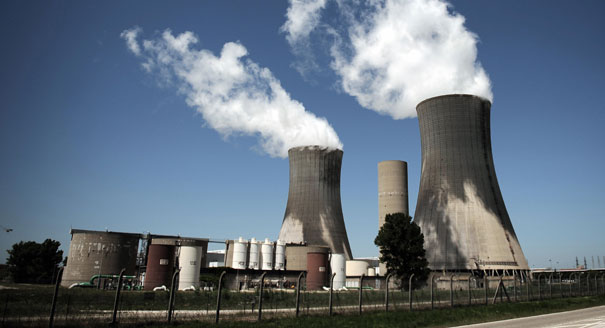
Source: Getty

In The Media

The US Nuclear Industry: Current Status and Prospects under the Obama Administration

Expectations of a nuclear energy renaissance are particularly high in the United States, but government programs to jump start new reactor construction will likely not be enough to spark more than a handful of reactors by 2015.

Link Copied
By Sharon Squassoni
Published on Nov 30, 2009

Source: CIGI Nuclear Energy Futures Paper No. 7

The US Nuclear Industry: Current Status and ProspeExpectations of a nuclear energy renaissance are particularly high in the United States, which hasn't had a new reactor order in 30 years. Government programs to jump start new reactor construction have contributed to the optimism, but these are not likely enough to spark more than a handful of reactors by 2015. Aggressive government support would be needed, including subsidies, a carbon pricing mechanism, and an acceptable waste management solution. This paper, published by the Centre for International Governance Innovation (CIGI), discusses the history, current status and prospects for US nuclear power under the Obama administration.

About the Author

Sharon Squassoni

Former Senior Associate, Nuclear Policy Program

Squassoni came to Carnegie from the Congressional Research Service. She also served for nine years in the executive branch. Her last position at the State Department was director of Policy Coordination in the Nonproliferation Bureau.

    Recent Work

  • Other
    Grading Progress on 13 Steps Toward Nuclear Disarmament

      Sharon Squassoni

  • Report
    Nuclear Energy: Rebirth or Resuscitation?

      Sharon Squassoni

Sharon Squassoni
Former Senior Associate, Nuclear Policy Program
Sharon Squassoni
Nuclear PolicyNuclear EnergyNorth AmericaUnited States

Carnegie does not take institutional positions on public policy issues; the views represented herein are those of the author(s) and do not necessarily reflect the views of Carnegie, its staff, or its trustees.

More Work from Carnegie China

  • The nuclear missile formation passes through Tian'anmen Square during a military parade on September 3, 2025 in Beijing, China.
    Paper
    Untangling the Nuclear Knot: A Constructive Agenda for Managing China’s Nuclear Relations with the United States and Its Allies

    The nuclear relationship between China and the United States is increasingly shaped by widening perception gaps rather than deliberate strategic design.

      Tong Zhao

  • Commentary
    Emissary
    Trump and Xi Are Angling for Three Years of Stability

    But their "principal to principal" model will only be as effective as the political strength of each leader back home.

      • Damien Ma

      Damien Ma

  • Commentary
    China Sells Stability Amid American Volatility

    U.S. unpredictability has allowed China to capitalize on its positioning as the “responsible great power”. Paradoxically, the more China wins the perception game, the more likely expectations will rise for Beijing to deliver not just words but to demonstrate with its deeds.

      Chong Ja Ian

  • Commentary
    When It Comes to Superpower Geopolitics, Malaysia Is Staunchly Nonpartisan

    For Malaysia, the conjunction that works is “and” not “or” when it comes to the United States and China.

      Elina Noor
  • Commentary
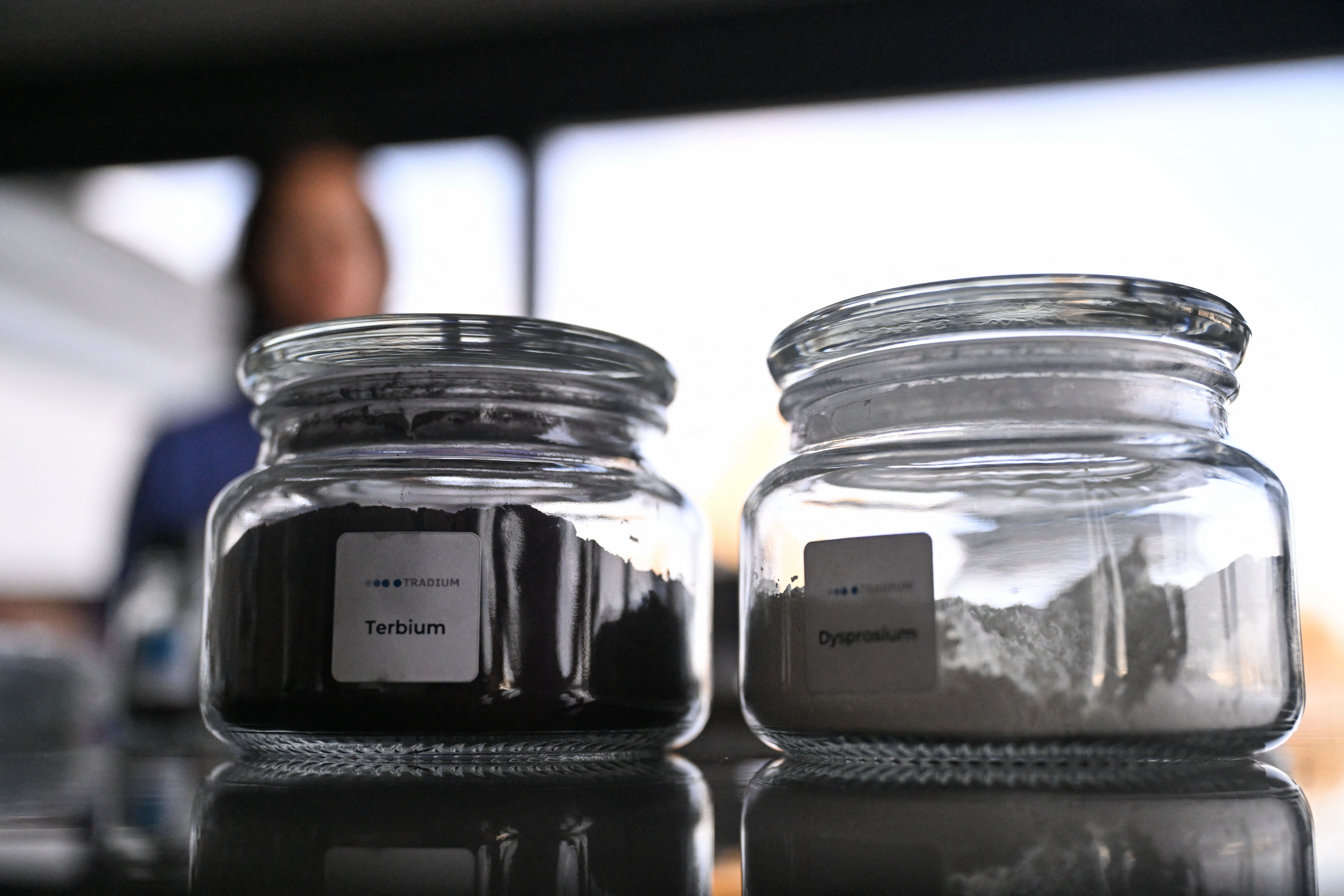
    Today’s Rare Earths Conflict Echoes the 1973 Oil Crisis — But It’s Not the Same

    Regulation, not embargo, allows Beijing to shape how other countries and firms adapt to its terms.
      Alvin Camba

Get more news and analysis from
Carnegie China
Carnegie China logo, white
Keck Seng Tower133 Cecil Street #10-01ASingapore, 069535Phone: +65 9650 7648
  • Research
  • About
  • Experts
  • Events
  • Contact
  • Careers
  • Privacy
  • For Media
Get more news and analysis from
Carnegie China
© 2026 Carnegie Endowment for International Peace. All rights reserved.