

Commentary
Nikolay Petrov
{
  "authors": [
    "Nikolay Petrov"
  ],
  "type": "legacyinthemedia",
  "centerAffiliationAll": "",
  "centers": [
    "Carnegie Endowment for International Peace",
    "Carnegie Russia Eurasia Center"
  ],
  "collections": [],
  "englishNewsletterAll": "",
  "nonEnglishNewsletterAll": "",
  "primaryCenter": "Carnegie Russia Eurasia Center",
  "programAffiliation": "",
  "programs": [],
  "projects": [
    "Eurasia in Transition"
  ],
  "regions": [
    "Central Asia",
    "Kazakhstan",
    "Kyrgyz Republic",
    "Tajikistan",
    "Turkmenistan",
    "Uzbekistan"
  ],
  "topics": [
    "Political Reform"
  ]
}
Source: Getty
The five post-Soviet Central Asian republics—Kazakhstan, Krygyzstan, Tajikistan, Turkmenistan and Uzbekistan—share common political, cultural, and historical roots, but they are far from homogeneous, and continuing domestic and regional tensions could lead to violent conflict.
Source: Worldfocus Radio

These nations are asserting their cultural identity by proposing ethnic language policies — potentially banning the use of the Russian language.
In Kyrgyzstan, there’s a proposal to make Kyrgyz the dominant governmental language, and in Tajikistan, there’s another to ban the use of Russian in public institutions and official documents.
This week, Chinese President Hu Jintao opened a new gas pipeline that extends from Turkmenistan to north-west China — the first without Russia’s Gazprom.
Martin Savidge hosts William Fierman, a professor of Central Asian studies at Indiana University, and Nikolay Petrov, a scholar at the Carnegie Moscow Center.
They discuss:

Former Scholar-in-Residence, Society and Regions Program, Moscow Center
Nikolay Petrov was the chair of the Carnegie Moscow Center’s Society and Regions Program. Until 2006, he also worked at the Institute of Geography at the Russian Academy of Sciences, where he started to work in 1982.
Recent Work
Nikolay Petrov
Nikolay Petrov
Carnegie does not take institutional positions on public policy issues; the views represented herein are those of the author(s) and do not necessarily reflect the views of Carnegie, its staff, or its trustees.
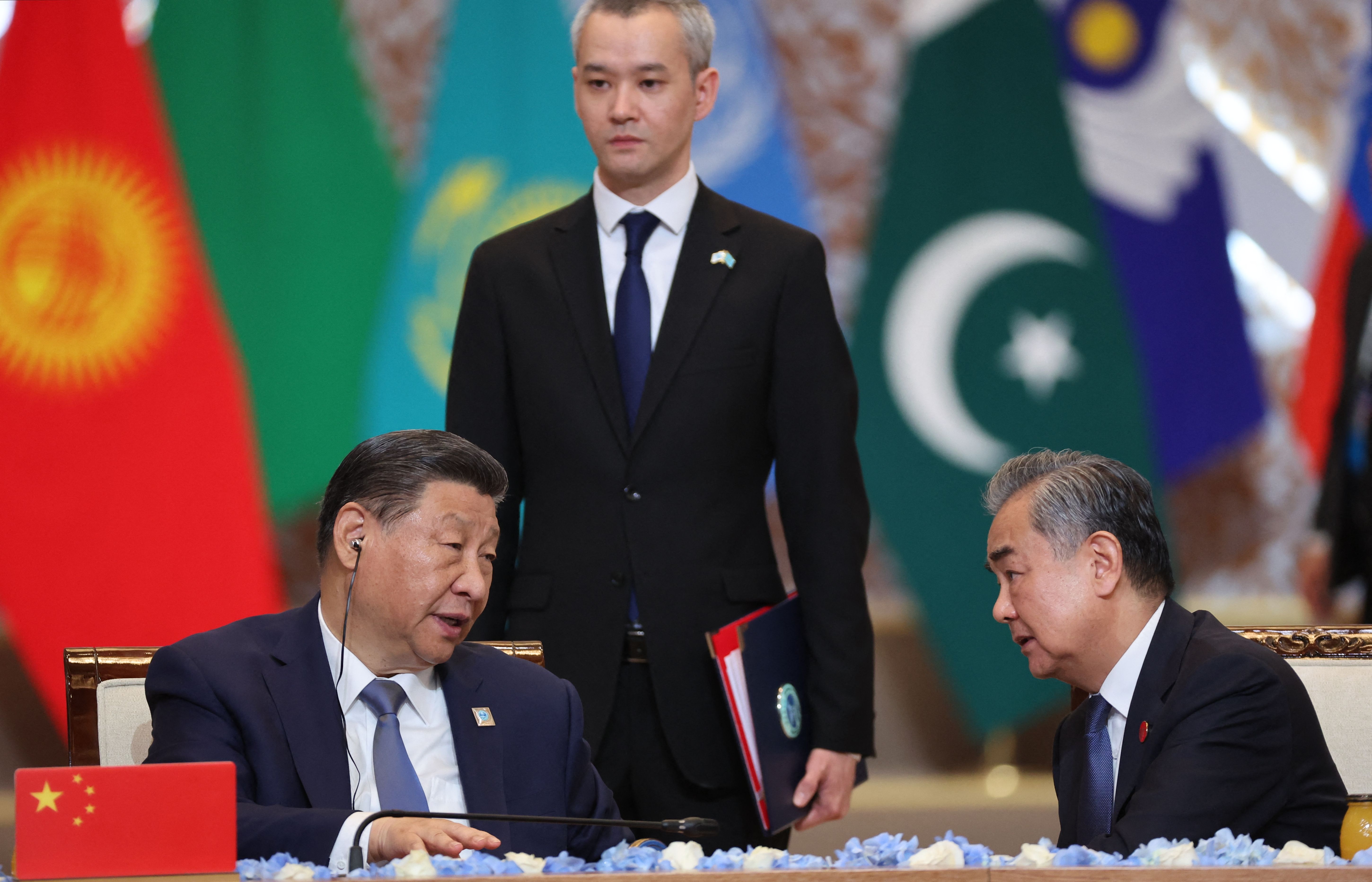
China’s growing attention to Central Asia is perceived as a harbinger of tectonic shifts in regional geopolitics.

Temur Umarov
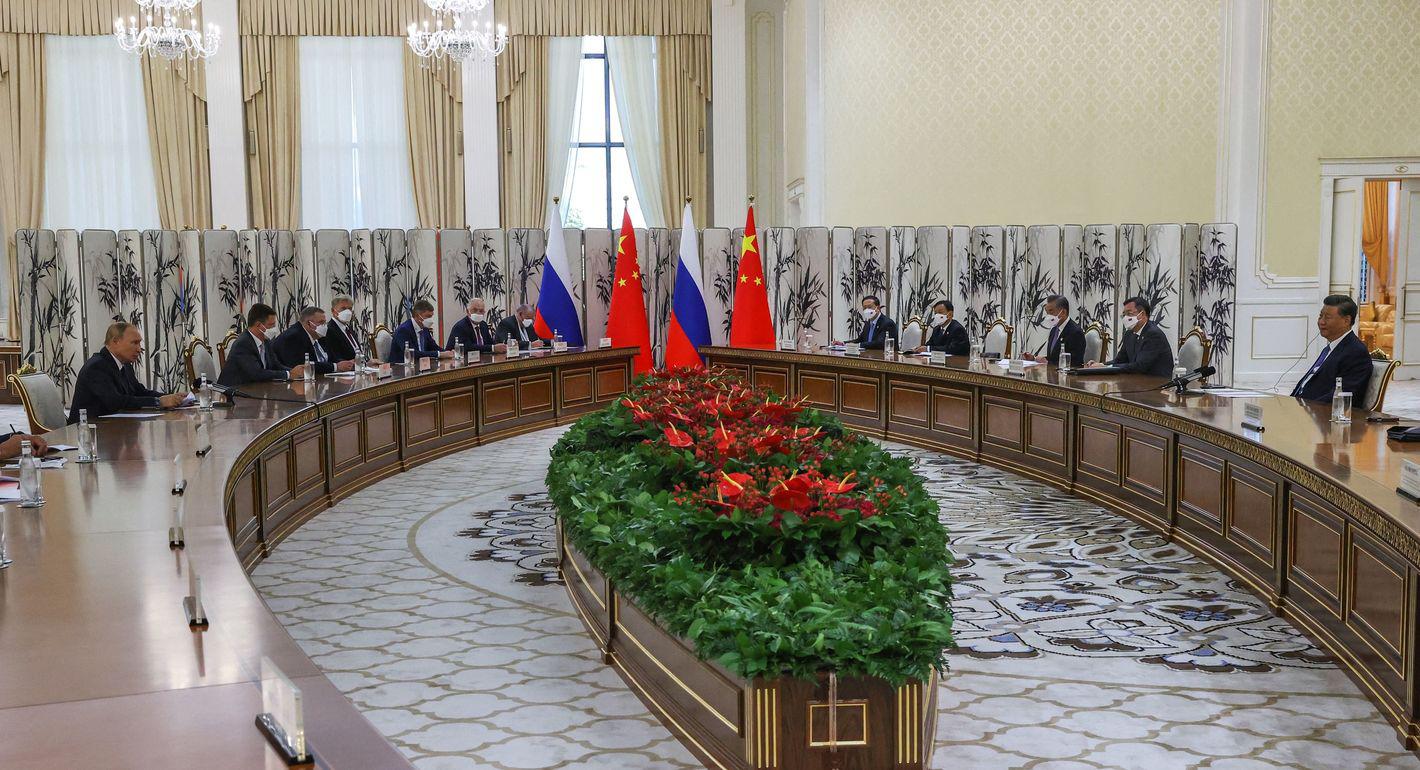
Russia has its Eurasian Economic Union, and China has its Belt and Road Initiative. For both projects, Central Asia is important.

Temur Umarov, Nargis Kassenova
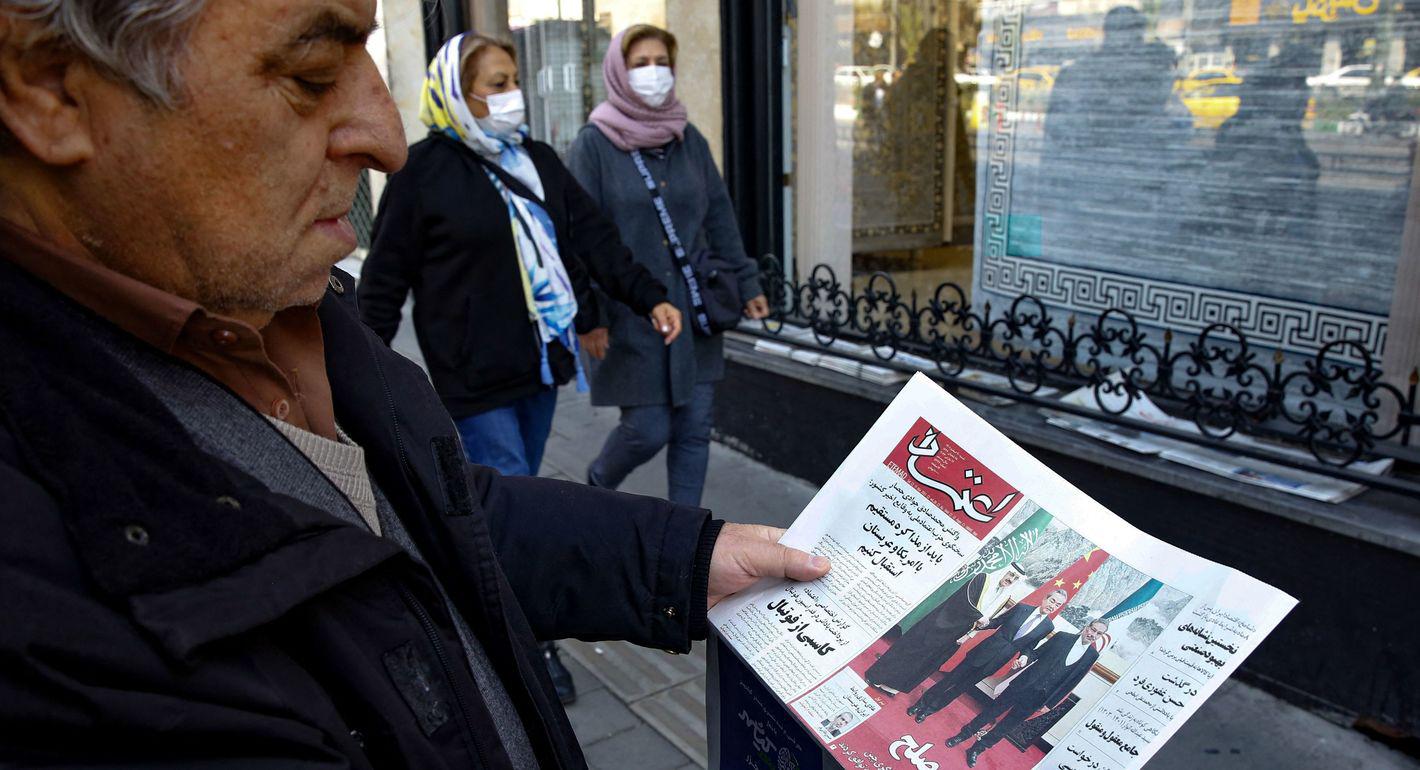
Transactional relationships are stable but can be shallow.


Paul Haenle, Maha Yahya, Benjamin Ho, …

It’s about managing oil prices, bread prices, and strategic partnerships.



Amr Hamzawy, Karim Sadjadpour, Aaron David Miller, …

The murder of George Floyd has underscored the deep inequities that have long plagued American society. In a note to the Carnegie community, Bill Burns reflects on Carnegie’s commitment to build a more just future here at home and around the world, without which peace will remain beyond our grasp.

William J. Burns