

Q&A
Christopher Boucek
{
  "authors": [
    "Christopher Boucek"
  ],
  "type": "legacyinthemedia",
  "centerAffiliationAll": "dc",
  "centers": [
    "Carnegie Endowment for International Peace",
    "Malcolm H. Kerr Carnegie Middle East Center"
  ],
  "collections": [],
  "englishNewsletterAll": "menaTransitions",
  "nonEnglishNewsletterAll": "",
  "primaryCenter": "Carnegie Endowment for International Peace",
  "programAffiliation": "MEP",
  "programs": [
    "Middle East"
  ],
  "projects": [],
  "regions": [
    "Middle East",
    "Yemen",
    "Gulf"
  ],
  "topics": [
    "Security",
    "Political Reform",
    "Foreign Policy"
  ]
}
Source: Getty
The presence of Al-Qaeda in Yemen is only one of many security and economic challenges facing the country. International aid must be comprehensive in nature and empower the Yemenis to build their own capacity, in order to combat these challenges.
Source: Al Jazeera's Riz Khan
The failed bombing attempt by Umar Farouk Abdulmutallab, who was trained in Yemen by al-Qaeda in the Arabian Peninsula (AQAP), has brought the plight of Yemen to the attention of the international community. Although much effort is being expended to defeat the threat from AQAP, Yemen faces a host of security and economic challenges. If these challenges aren't addressed soon, Yemen risks becoming a failed state. According to Christopher Boucek, “It is really important that in addition to counter-terrorism we need to keep in mind building state capacity in Yemen. Thinking about building a post-oil economy and state legitimacy is key.” The crises that Yemen faces, must be addressed through a multi-pronged, international approach in order to “empower Yemenis to build their own capacity,” suggests Boucek.

Former Associate, Middle East Program
Boucek was an associate in the Carnegie Middle East Program where his research focused on security challenges in the Arabian Peninsula and Northern Africa.
Recent Work
Christopher Boucek

Christopher Boucek, Karim Sadjadpour
Carnegie does not take institutional positions on public policy issues; the views represented herein are those of the author(s) and do not necessarily reflect the views of Carnegie, its staff, or its trustees.

Across Asia, China is better positioned to withstand energy shocks from the fallout of the Iran war. Its abundant coal capacity can ensure stability in the near term. Yet at the same time, the country’s energy transition away from coal will make it even less vulnerable during the next shock.

Damien Ma

Malaysia’s chairmanship sought to fend off short-term challenges while laying the groundwork for minimizing ASEAN’s longer-term exposure to external stresses.

Elina Noor

For Malaysia, the conjunction that works is “and” not “or” when it comes to the United States and China.
Elina Noor
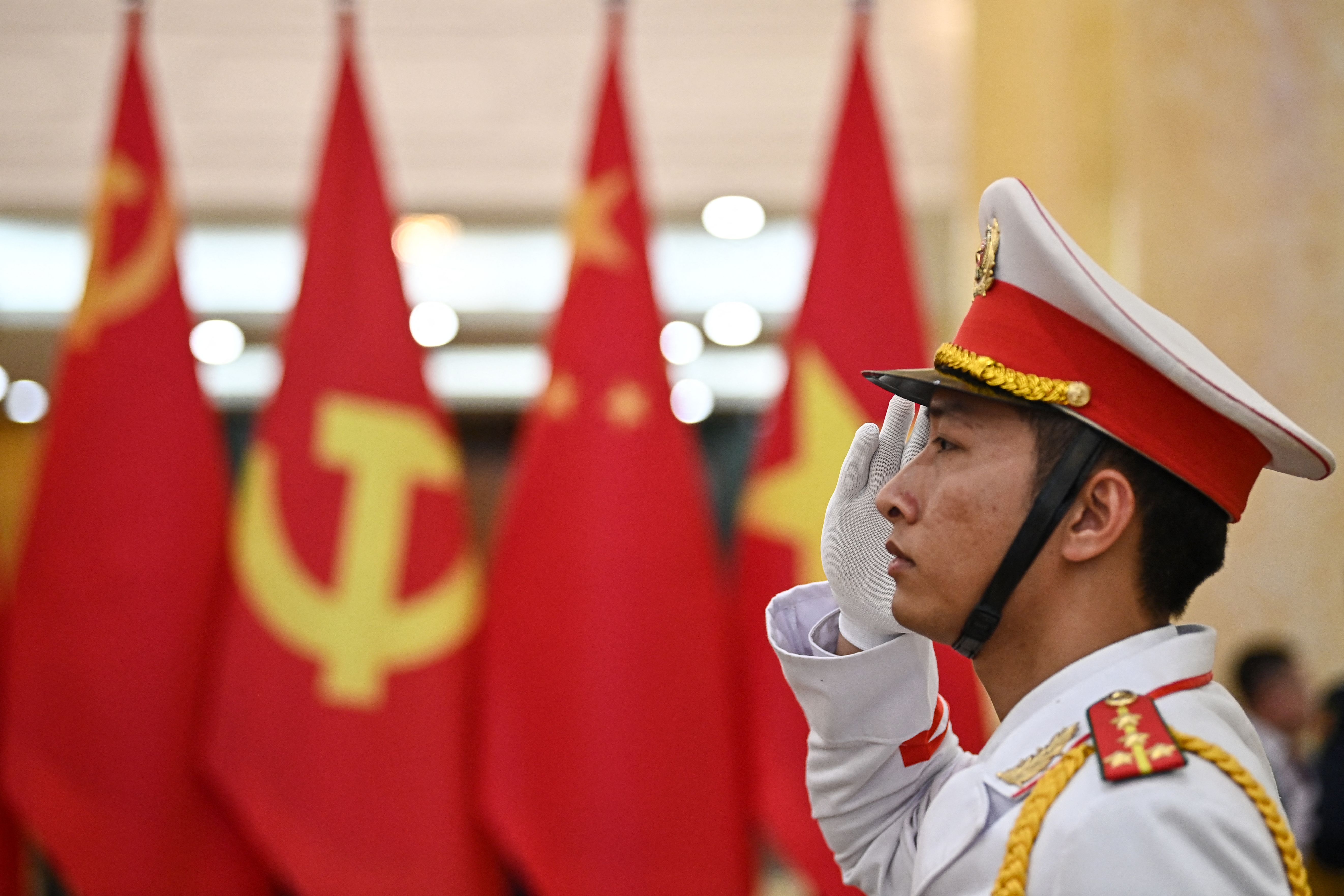
In July 2025, Vietnam and China held their first joint army drill, a modest but symbolic move reflecting Hanoi’s strategic hedging amid U.S.–China rivalry.

Nguyễn Khắc Giang
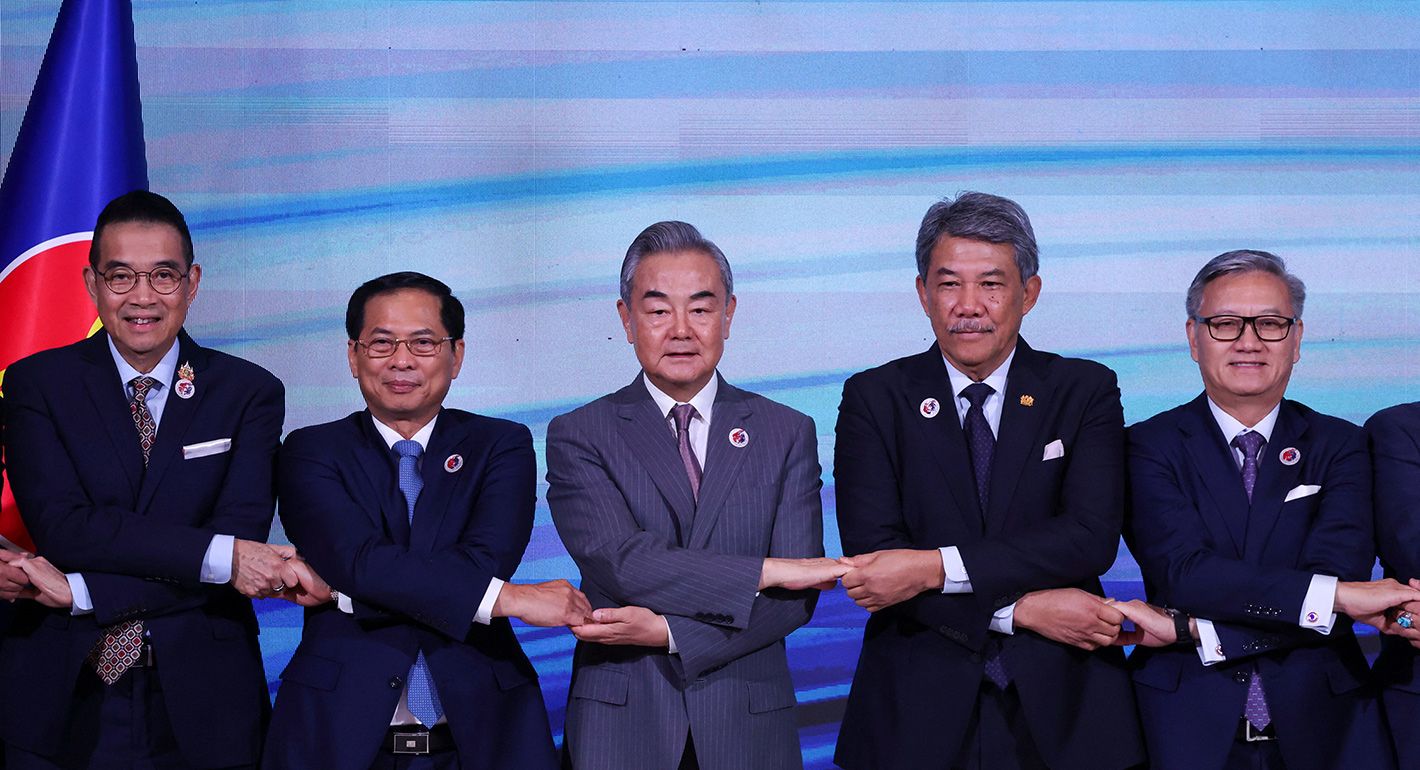
The Thai-Cambodian conflict highlights the limits to China's peacemaker ambition and the significance of this role on Southeast Asia’s balance of power.

Pongphisoot (Paul) Busbarat