

Commentary
In the latest Five-Year Plan, the Chinese president cements the shift to an innovation-driven economy over a consumption-driven one.
Damien Ma
{
  "authors": [
    "Christopher Boucek",
    "David Donadio"
  ],
  "type": "legacyinthemedia",
  "centerAffiliationAll": "dc",
  "centers": [
    "Carnegie Endowment for International Peace",
    "Carnegie Europe",
    "Malcolm H. Kerr Carnegie Middle East Center"
  ],
  "collections": [],
  "englishNewsletterAll": "menaTransitions",
  "nonEnglishNewsletterAll": "",
  "primaryCenter": "Carnegie Endowment for International Peace",
  "programAffiliation": "MEP",
  "programs": [
    "Middle East"
  ],
  "projects": [],
  "regions": [
    "Middle East",
    "Yemen",
    "Gulf"
  ],
  "topics": [
    "Security",
    "Political Reform",
    "Economy"
  ]
}
Source: Getty
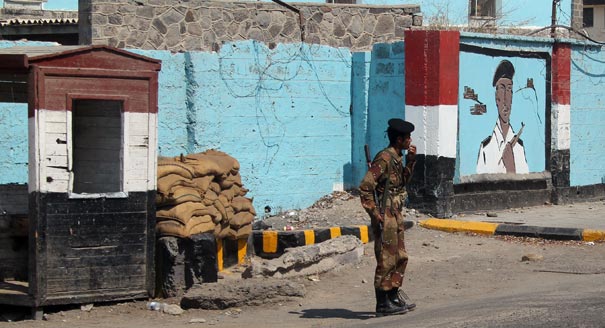
Al-Qaeda is not the only factor threatening Yemen’s stability. Water shortages, collapsing oil supplies, war, refugees, pirates, and poverty all put the country at risk of becoming a failed state.
Source: The Atlantic
It’s also now clear that Yemen’s government lacks the capacity to exert full control over much of its territory. This has created a refuge from which al-Qaeda can mount terrorist attacks across the country—and increasingly across the wider world.
At the heart of all these problems is Yemen’s looming economic collapse. Already the poorest country in the Arab world, Yemen is rapidly depleting its oil reserves and lacks any options for creating a sustainable post-oil economy. Unemployment is estimated at 35 percent, higher than what the U.S. faced during the Great Depression.

Accelerating the economic decline is a protracted civil war in the north between Shia insurgents and the Sana’a-based government. The war has caused a refugee crisis and extensive damage to infrastructure, and its costs will result in a major budget deficit next year. (The government is already burning through roughly $200 million in foreign-currency reserves per month.) Even if that war subsides, the worsening economy will likely inflame a roiling secessionist movement in the south. Yemen has often teetered on the brink of collapse, but it has never faced so many interconnected challenges at once. And the stakes have never been greater.

Former Associate, Middle East Program
Boucek was an associate in the Carnegie Middle East Program where his research focused on security challenges in the Arabian Peninsula and Northern Africa.
David Donadio
Former Editorial Services Manager
Carnegie does not take institutional positions on public policy issues; the views represented herein are those of the author(s) and do not necessarily reflect the views of Carnegie, its staff, or its trustees.

In the latest Five-Year Plan, the Chinese president cements the shift to an innovation-driven economy over a consumption-driven one.

Damien Ma
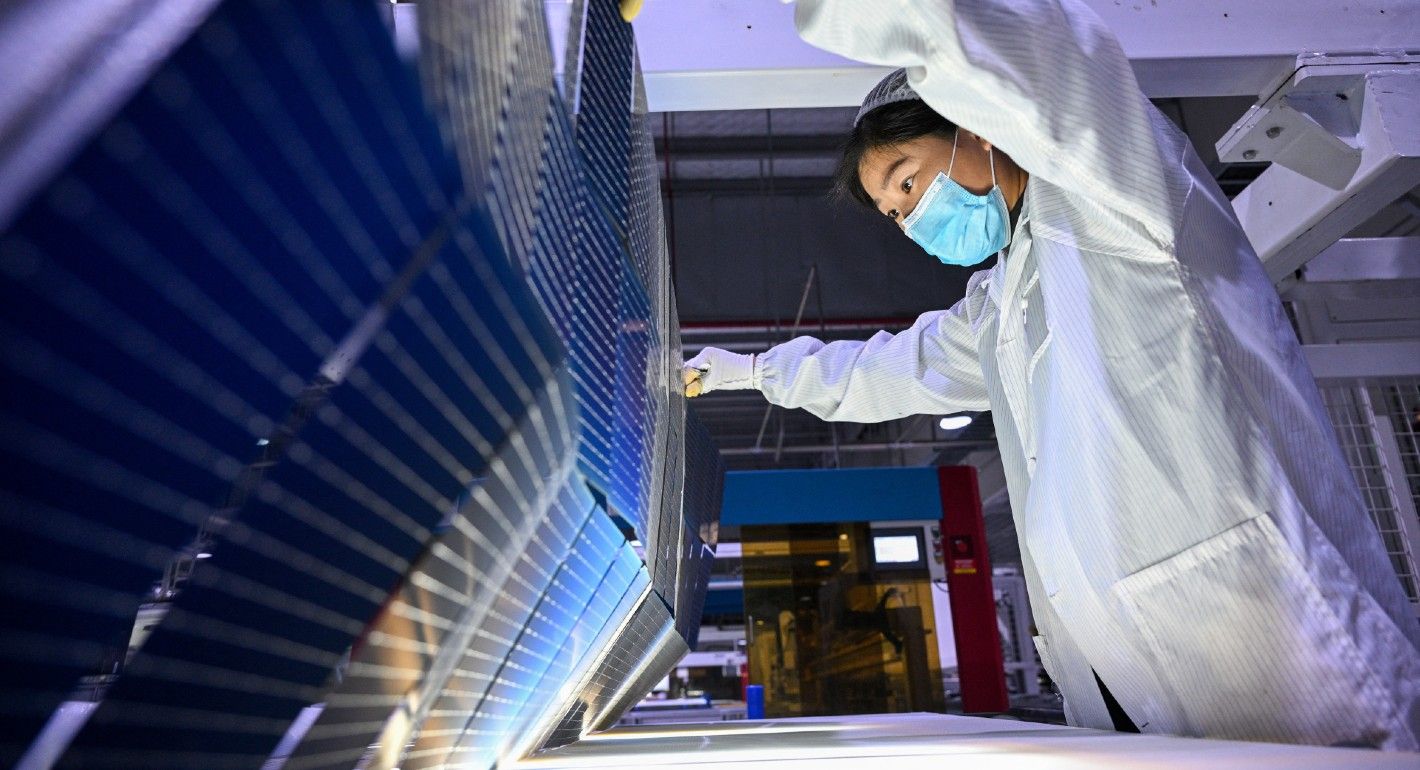
Rather than climate ambitions, compatibility with investment and exports is why China supports both green and high-emission technologies.

Mathias Larsen
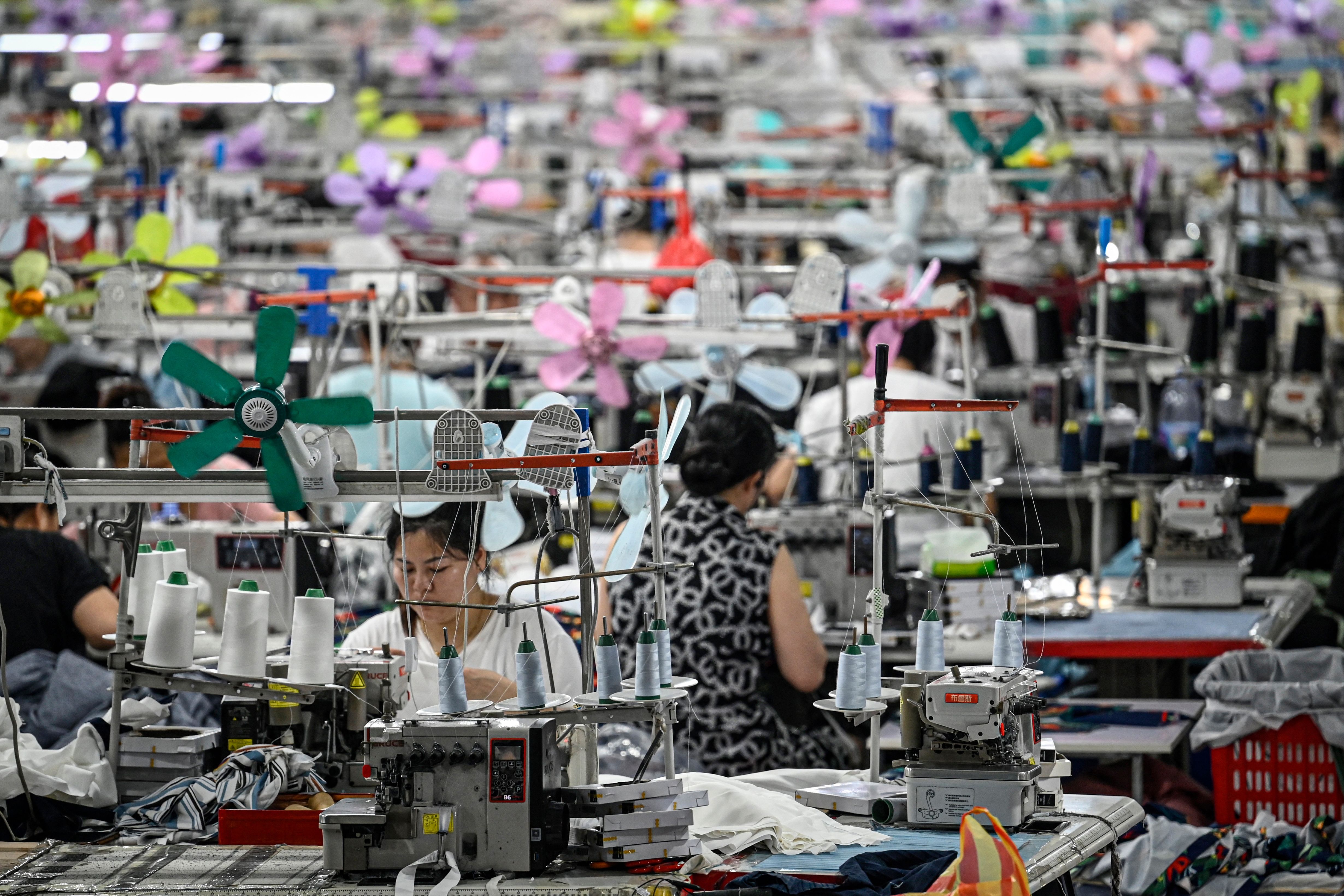
“Involution” is a new word for an old problem, and without a very different set of policies to rein it in, it is a problem that is likely to persist.

Michael Pettis

While China's investment story seems contradictory from the outside, the real answers to Beijing's high-quality growth ambitions are hiding in plain sight across the nation's cities.

Yuhan Zhang

The Thai-Cambodian conflict highlights the limits to China's peacemaker ambition and the significance of this role on Southeast Asia’s balance of power.

Pongphisoot (Paul) Busbarat