

Commentary
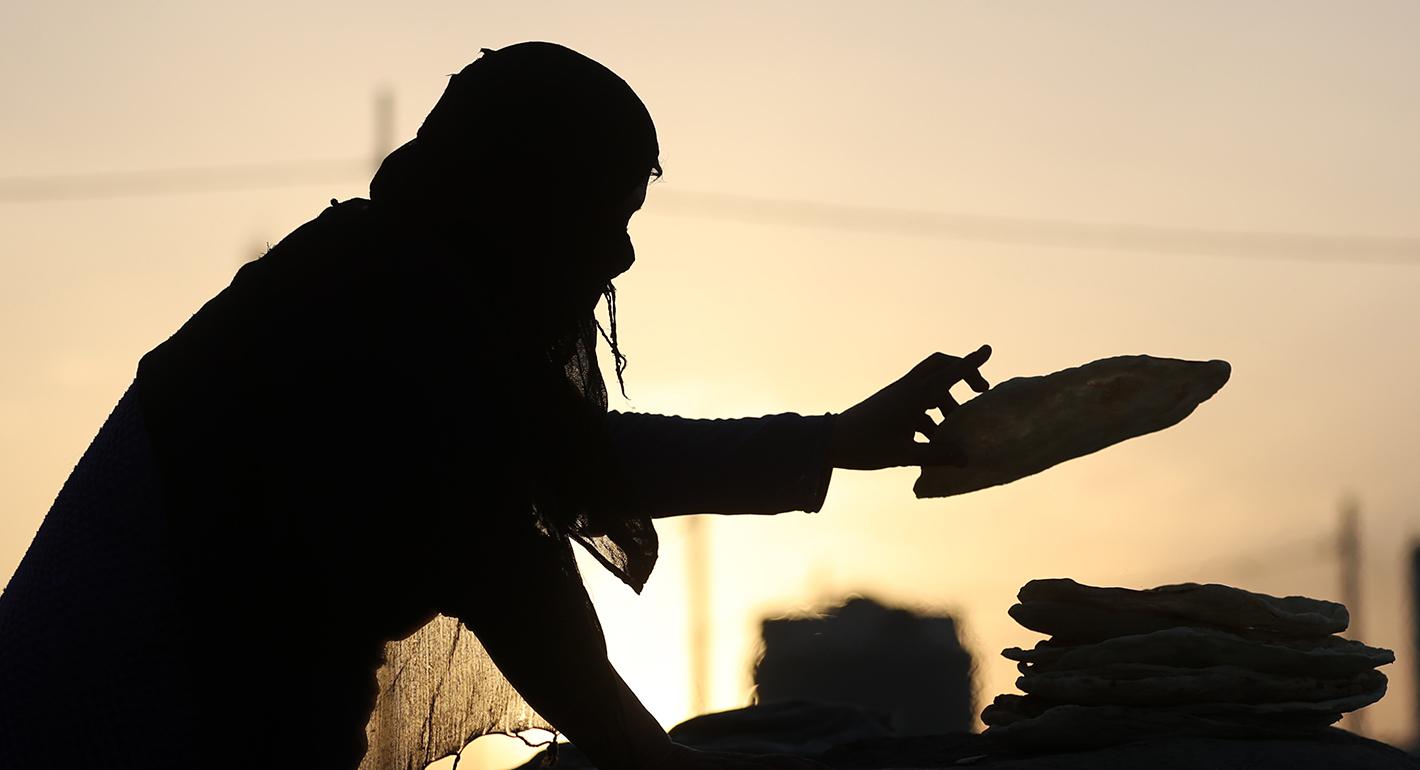
It’s about managing oil prices, bread prices, and strategic partnerships.
- +8
Amr Hamzawy, Karim Sadjadpour, Aaron David Miller, …
{
  "authors": [],
  "type": "pressRelease",
  "centerAffiliationAll": "dc",
  "centers": [
    "Carnegie Endowment for International Peace"
  ],
  "collections": [],
  "englishNewsletterAll": "menaTransitions",
  "nonEnglishNewsletterAll": "",
  "primaryCenter": "Carnegie Endowment for International Peace",
  "programAffiliation": "MEP",
  "programs": [
    "Middle East"
  ],
  "projects": [],
  "regions": [
    "Egypt"
  ],
  "topics": []
}
REQUIRED IMAGE
The Egyptian Muslim Brotherhood has begun to scale back its political engagement, and instead will focus on a traditional religious, educational, and social agenda. The consequence will be an even greater lack of political competition.
BEIRUT, March 10—The Egyptian Muslim Brotherhood has begun to scale back its political engagement because the results have been few, government repression continues, and other opposition groups mistrust the movement. Instead it will focus on a traditional religious, educational, and social agenda. The consequence will be an even greater lack of political competition, according to a new paper by Amr Hamzawy and Nathan J. Brown.
In a detailed profile of the Muslim Brotherhood’s activities over the last decade, Hamzawy and Brown examine the Brotherhood’s relations with the Mubarak regime and other opposition groups, its legislative priorities and accomplishments, and its internal debate over the value of political participation.
Key Conclusions:
“With the Brotherhood’s retreat, a fleeting opportunity that seemed to arise in the middle of the decade for building a more pluralistic political system and for an open political contest between competing visions for Egypt’s future appears to have been lost,” the authors conclude.
###
NOTES
The Carnegie Middle East Center is a politically independent think tank concerned with the challenges of political and socio-economic development, peace, and security in the greater Middle East. It works in coordination with Carnegie's Middle East Program to provide analysis and recommendations in both English and Arabic that are deeply informed by knowledge and views from the region. Carnegie also offers the Arab Reform Bulletin, a monthly analysis of political reform in the Middle East.
Carnegie does not take institutional positions on public policy issues; the views represented herein are those of the author(s) and do not necessarily reflect the views of Carnegie, its staff, or its trustees.
It’s about managing oil prices, bread prices, and strategic partnerships.



Amr Hamzawy, Karim Sadjadpour, Aaron David Miller, …
The world reacts to the election of Donald Trump and its potential implications.

Thomas Carothers, Lizza Bomassi, Amr Hamzawy, …
The Obama administration must realize that no “foreign policy” issue will matter as much to global economic, political, and ultimately security conditions in the coming year as whether the United States can demonstrate that it is able to deal with its economic crisis.

Jessica Tuchman Mathews
After a year that included the Arab Awakening, the euro crisis, Japan’s nuclear catastrophe, the killing of Osama bin Laden, and the unanticipated reaction to Russia’s recent parliamentary elections, there are many unanswered questions left for 2012.
Jessica Tuchman Mathews
The Carnegie Endowment announces the launch of the Carnegie–Tsinghua Center for Global Policy, a joint U.S.–China research center based at Tsinghua University in Beijing, China.