

Commentary
It’s about managing oil prices, bread prices, and strategic partnerships.
- +8
Amr Hamzawy, Karim Sadjadpour, Aaron David Miller, …
{
  "authors": [],
  "type": "pressRelease",
  "centerAffiliationAll": "dc",
  "centers": [
    "Carnegie Endowment for International Peace"
  ],
  "collections": [],
  "englishNewsletterAll": "ctw",
  "nonEnglishNewsletterAll": "",
  "primaryCenter": "Carnegie Endowment for International Peace",
  "programAffiliation": "russia",
  "programs": [
    "Russia and Eurasia"
  ],
  "projects": [],
  "regions": [
    "Türkiye",
    "Caucasus",
    "Armenia"
  ],
  "topics": []
}
REQUIRED IMAGE
While there is virtually no hope that the 2009 Armenian–Turkish Protocols will be ratified soon, the parties should take small steps to rebuild confidence and affirm their faith in the process.
WASHINGTON, Apr 9—The current crisis between Armenia and Turkey will likely reach a head by April 24, the date commemorated as Armenian Genocide Day. While there is virtually no hope that the 2009 Armenian–Turkish Protocols will be ratified soon, the parties should take small steps to rebuild confidence and affirm their faith in the process, concludes a new policy brief by Thomas de Waal.
If ratified, the Protocols would open the closed Armenia–Turkey border, promising Armenia long-term economic transformation and an end to its regional isolation. For Turkey, ratifying the Protocols gives it a new role in the Caucasus and is a major step toward ending the humiliation of foreign parliaments passing genocide resolutions condemning Turkey.
Key Conclusions:
“The Turkey–Armenia process was the most positive initiative in the South Caucasus in years and still has the potential to transform the region. If the process is to get back on track, all involved parties, including the United States, should articulate a strategic vision for the region, and for resolution of the Karabakh conflict,” writes de Waal. “The centenary of the Armenian tragedy in 2015 is a good reference point by which to set the goal of Armenian–Turkish normalization.”
###
NOTES
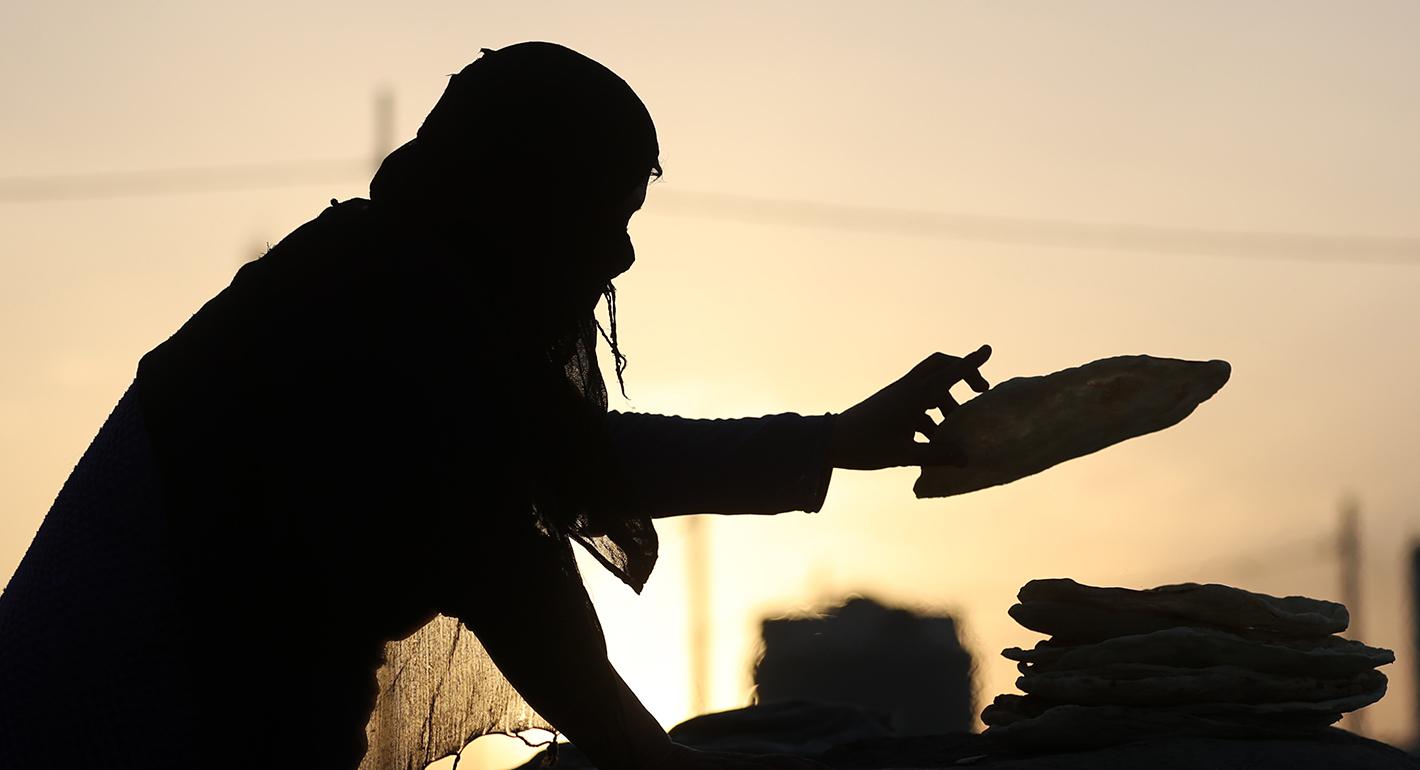
It’s about managing oil prices, bread prices, and strategic partnerships.



Amr Hamzawy, Karim Sadjadpour, Aaron David Miller, …
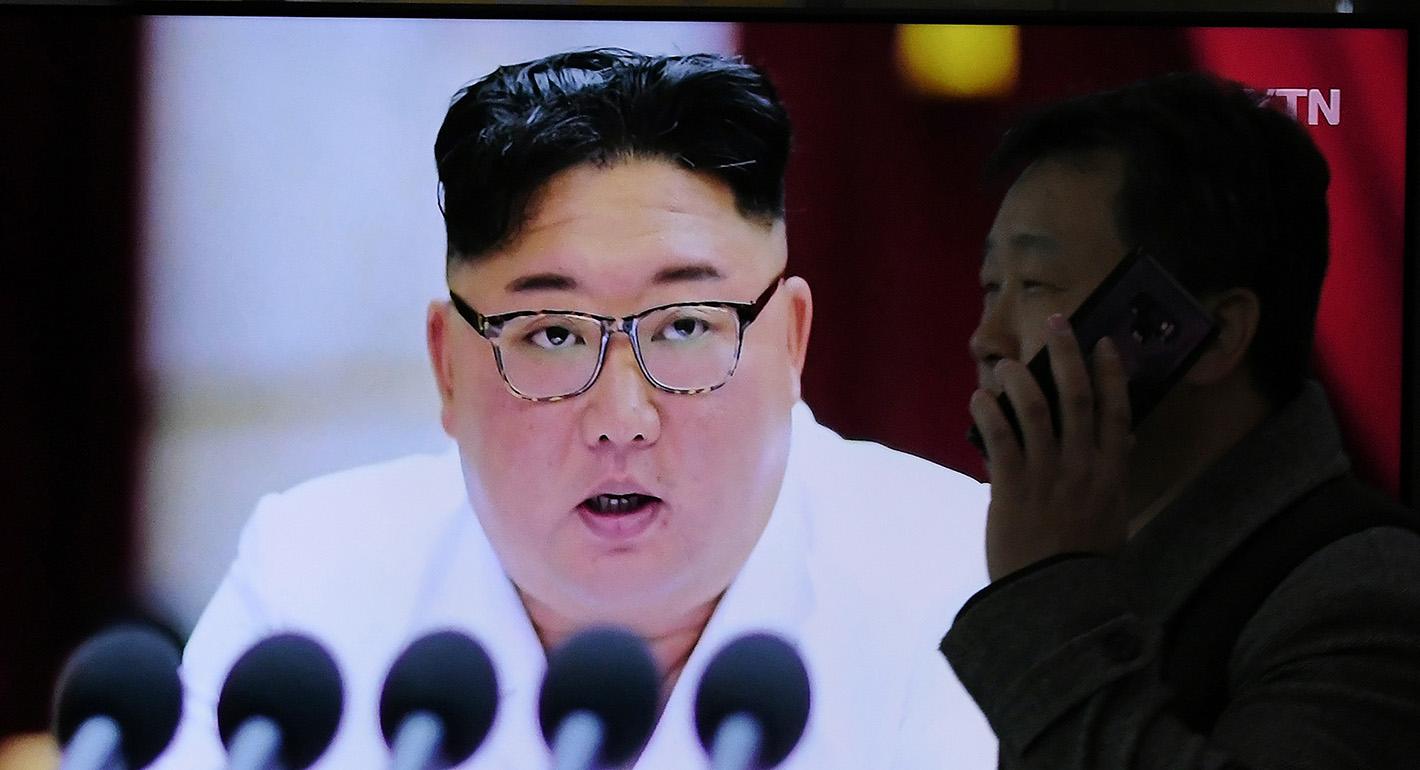
As North Korea continues to stall talks with the United States and South Korea, there is a greater need for China to play a more assertive role to help break the impasse.

Tong Zhao
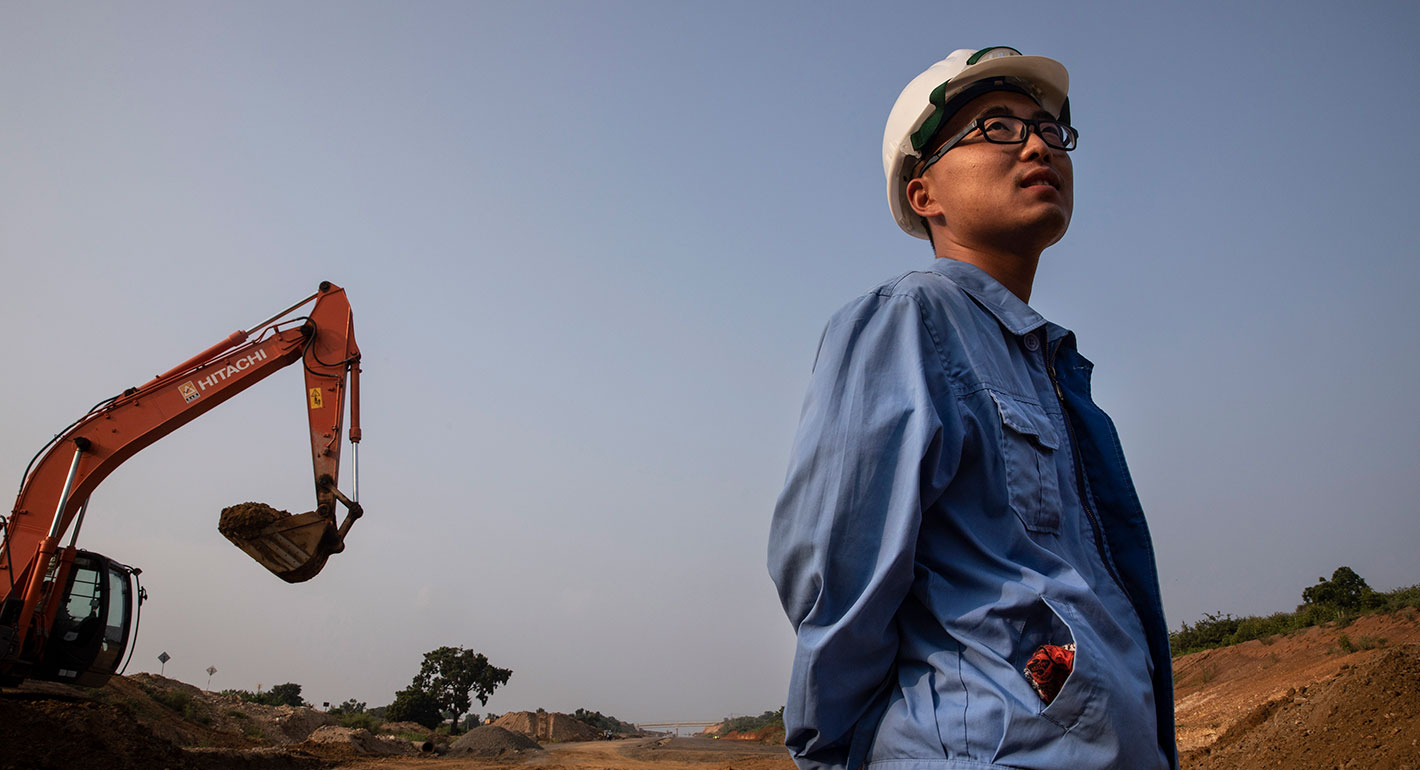
Pitched as a new Silk Road sweeping from Asia to Europe, China’s enormous Belt and Road Initiative is an ambitious, multinational infrastructure project. Experts from four Carnegie global centers explain other countries’ perspectives.


Paul Haenle, Dmitri Trenin, Alexander Gabuev, …
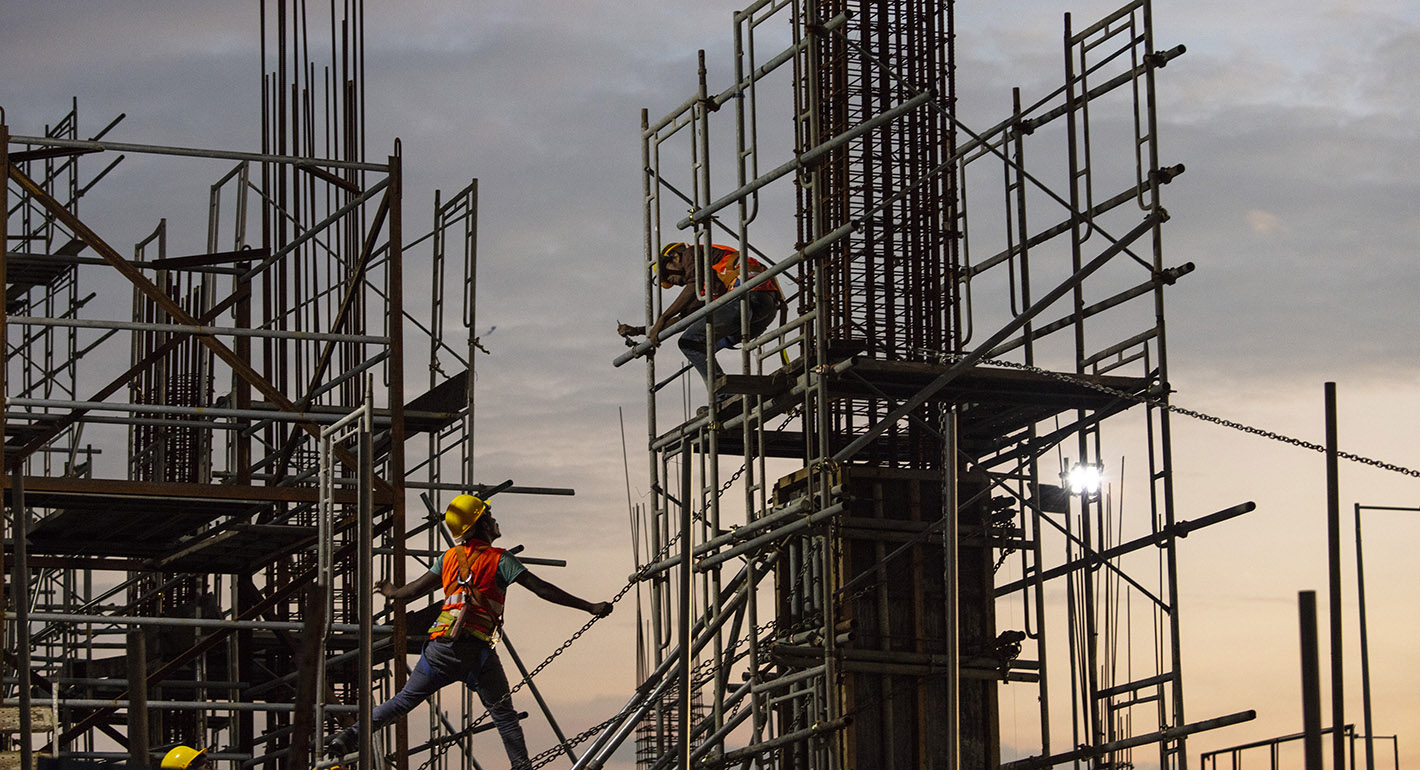
Despite the BRI’s prevalence in discussions of China’s global engagement, many experts are divided on how to interpret it. Is it a global strategy or just an interregional initiative? How can countries and international companies participate in its growth and development?
Feng Yujun, Alexander Gabuev, Paul Haenle, …
With the threat of nuclear war growing, China, Russia, and the United States should not wait until political relations improve before making efforts to manage new technologies.

James M. Acton, Tong Zhao, Li Bin