

Article
Henri J. Barkey
{
  "authors": [
    "Henri J. Barkey"
  ],
  "type": "legacyinthemedia",
  "centerAffiliationAll": "dc",
  "centers": [
    "Carnegie Endowment for International Peace",
    "Carnegie Europe",
    "Malcolm H. Kerr Carnegie Middle East Center"
  ],
  "collections": [
    "Turkey’s Transformation"
  ],
  "englishNewsletterAll": "menaTransitions",
  "nonEnglishNewsletterAll": "",
  "primaryCenter": "Carnegie Endowment for International Peace",
  "programAffiliation": "MEP",
  "programs": [
    "Middle East"
  ],
  "projects": [],
  "regions": [
    "Middle East",
    "Türkiye",
    "Egypt",
    "Gulf",
    "Levant",
    "Europe"
  ],
  "topics": [
    "Security"
  ]
}
Source: Getty
Turkey is one of the most economically and politically powerful states in the Middle East and it has recently been taking steps to fill the leadership vacuum that exists in the region.
Source: Al Jazeera's Inside Story
During the end of the Bush administration, Turkey began to position itself to fill the leadership vacuum in the Middle East. Turkey is one of the most economically and politically powerful states in the region. Its government brokered negotiations between the Syrians and the Israelis. Yet while those negotiations demonstrate the strength of Turkey’s ambitions, Carnegie’s Henri Barkey suggested that “the importance of these negotiations should not be exaggerated;” no real deal could have been made without U.S. involvement and approval.
Addressing concerns that the United States and Turkey are becoming increasingly estranged, Barkey asserted that “the big problem between the United States and Turkey is Iran; everything else is just a sideshow.” Ultimately, he concluded, the Turks and Americans remain important allies and will continue to cooperate on the multitude of regional issues where their interests coincide.

Former Visiting Scholar, Middle East Program
Barkey served as a member of the U.S. State Department Policy Planning Staff, working primarily on issues related to the Middle East, the Eastern Mediterranean, and intelligence from 1998 to 2000.
Recent Work
Henri J. Barkey
Henri J. Barkey

The Thai-Cambodian conflict highlights the limits to China's peacemaker ambition and the significance of this role on Southeast Asia’s balance of power.

Pongphisoot (Paul) Busbarat

Beijing believes that Washington is overestimating its own leverage and its ability to handle the trade war’s impacts.


Rick Waters, Sheena Chestnut Greitens
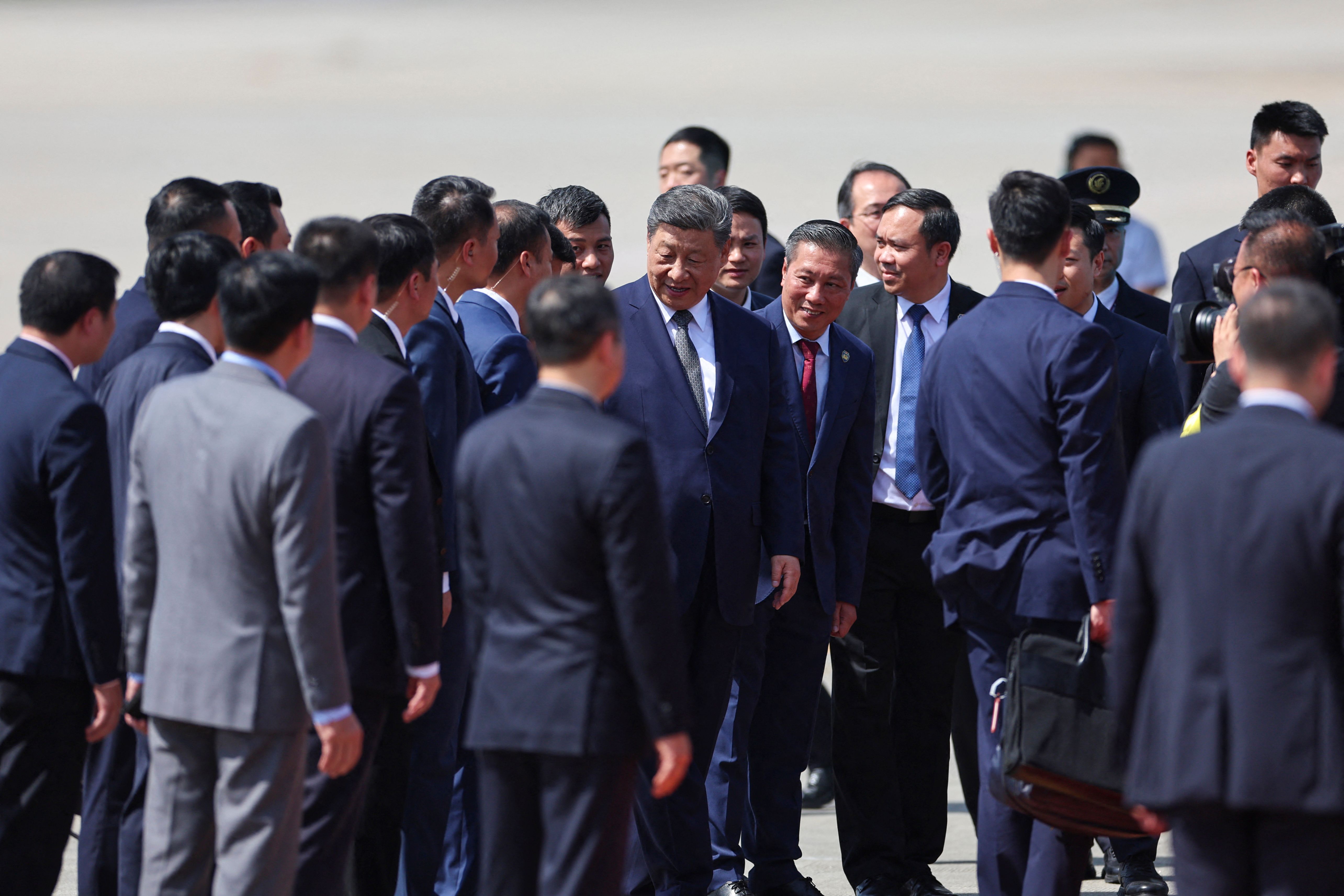
Tapping our network of China experts in the region, Carnegie China offers this latest “China Through a Southeast Asian Lens” report to offer preliminary assessments of whether the U.S. effort to reshape the global trading order will lead countries in the region to tilt toward Beijing.



Selina Ho, Khin Khin Kyaw Kyee, Joseph Ching Velasco, …
Because strategic, economic, and ideological perceptions of China contain multiple, sometimes contradictory facets in Southeast Asia, receptions of and responses to Beijing diverge across and within state lines.



Evan A. Feigenbaum, Chong Ja Ian, Elina Noor
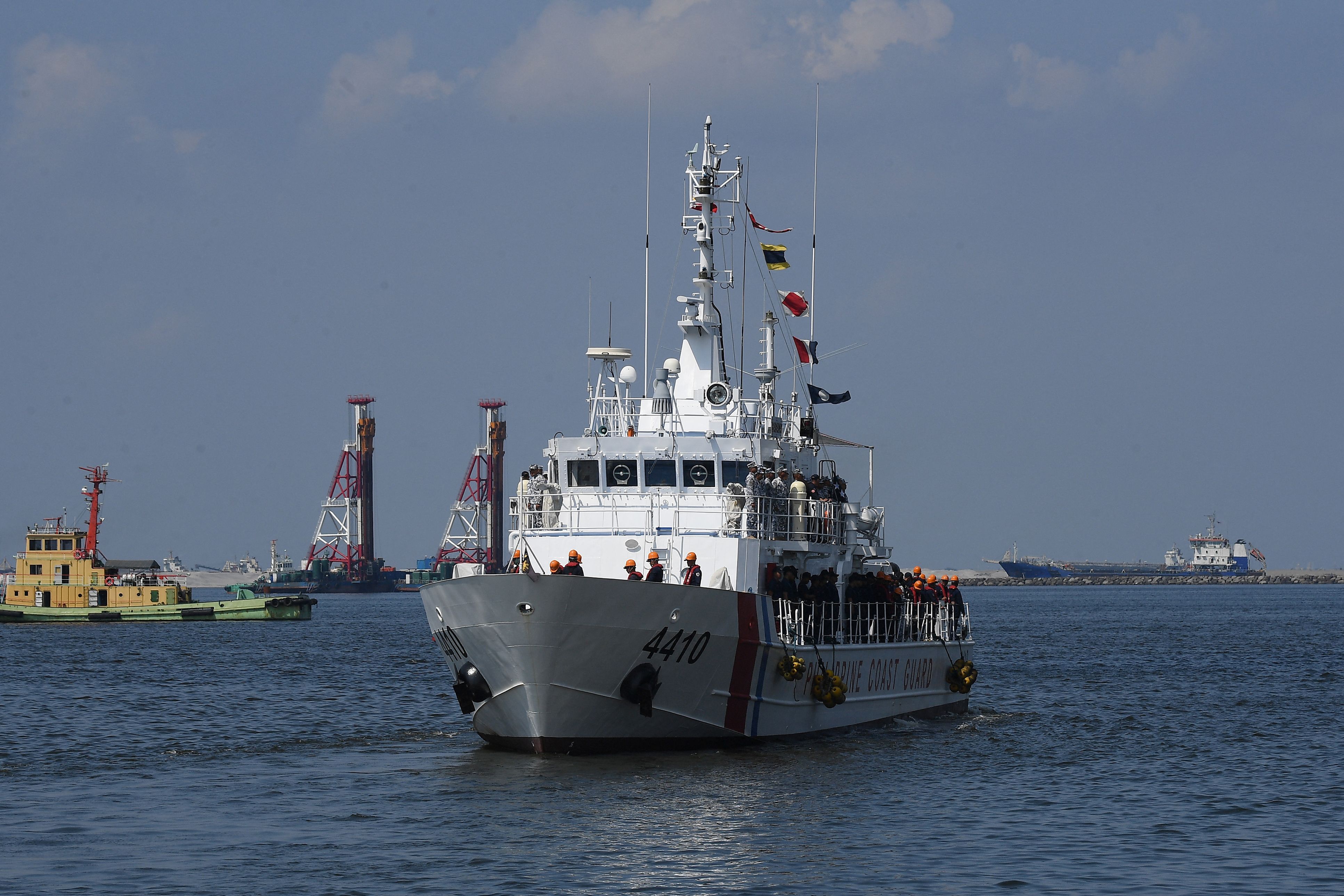
Most Southeast Asian states behave as if the actions of their Northeast Asian neighbors and the Philippines will be sufficient to maintain a regional status quo from which they can benefit.
Chong Ja Ian