

Commentary
The Thai-Cambodian conflict highlights the limits to China's peacemaker ambition and the significance of this role on Southeast Asia’s balance of power.
Pongphisoot (Paul) Busbarat
{
  "authors": [
    "Sam Nunn",
    "Igor Ivanov",
    "Wolfgang Ischinger"
  ],
  "type": "legacyinthemedia",
  "centerAffiliationAll": "",
  "centers": [
    "Carnegie Endowment for International Peace",
    "Carnegie Europe",
    "Carnegie Russia Eurasia Center"
  ],
  "collections": [],
  "englishNewsletterAll": "",
  "nonEnglishNewsletterAll": "",
  "primaryCenter": "Carnegie Endowment for International Peace",
  "programAffiliation": "",
  "programs": [],
  "projects": [
    "Euro-Atlantic Security Initiative – EASI"
  ],
  "regions": [
    "Caucasus",
    "Western Europe",
    "Russia",
    "Europe"
  ],
  "topics": [
    "Security"
  ]
}
Source: Getty
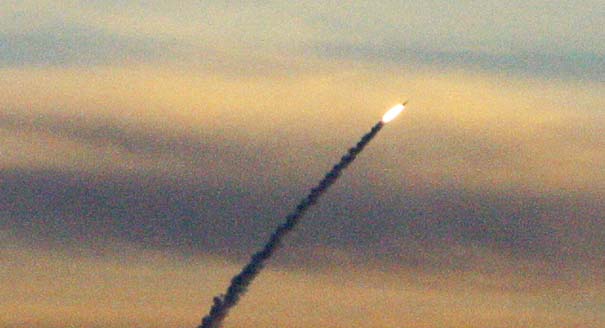
Missile-defense cooperation would be a potential game changer in U.S.-Russian and NATO-Russian relations and a crucial step toward a sounder European security order.
Source: The International Herald Tribune

Were North America, Europe and Russia to make defense of the entire Euro-Atlantic region against potential ballistic missile attack a joint priority, they would — apart from addressing a concrete problem — in a single stroke undermine much of the threat analysis that sets Russia against NATO, and prove that trilateral cooperation on a key security issue is possible.
After decades of failed efforts to find common ground on missile defense, leaders in Washington, Moscow and Brussels have returned to the task. Both U.S. and Russian presidents have underscored the importance of finding a mutually acceptable approach to missile defense, and the U.S. side, in the run-up to the June 24 Washington summit, proposed a series of steps to start the process.
NATO Secretary General Anders Fogh Rasmussen last March moved three-way cooperation on missile defense to the very center of his proposed agenda, stressing the importance of creating “a missile-defense system that not only defends the Euro-Atlantic community, but one that also brings it together.”
No one thinks it will be easy. Years of thickening mistrust, differing threat analyses, and a deficit of political will still weigh on the prospects for cooperation — notwithstanding the recent improvement in U.S.-Russian relations.
Nor are the technical obstacles trivial. For both practical and political reasons a fully integrated system with joint command and control may be a reach too far. Even separate but coordinated systems, the model experts think more likely, pose formidable challenges.
But, significant as these hurdles are, the more fundamental point lies elsewhere. Political will, not technical obstacles, will determine whether missile defense becomes a pillar of a more inclusive and better-defended Euro-Atlantic community, or persists, even grows, as a source of tension and discord within what national leaders in their moment of hope at the Cold War’s close spoke of as a “Europe from the Atlantic to the Urals whole and free for the first time in 300 years.”
The necessary political will, however, will almost certainly not emerge where it must — among all three parties, North America, Europe and Russia — unless the process, the system and its implementation are of, by and for all three.
It will not come if a missile-defense system is essentially the creation of a single country with invited participation, or the work of two countries, or the project of an alliance. From the start, Europe, North America and Russia should assess jointly the common threat, and then undertake as equal parties to design from the ground up a common architecture to deal with the threat.
Elements of the Obama administration’s new U.S. four-stage territorial defense system may well provide a critical core for the effort, but the ultimate architecture and the division of labor sustaining it should be an equally balanced three-legged stool.
The reasons for treating missile-defense cooperation as an imminent and serious objective go much beyond narrow concerns. More than a potential game changer in U.S.-Russian and NATO-Russian relations, more than a crucial step in search of a sounder European security order, and more than an essential factor in creating an optimally effective defense against ballistic missile threats, genuine trilateral cooperation in this instance promises to aid progress in bolstering the nuclear nonproliferation regime.
It should add momentum to the already impressive achievements in securing nuclear weapons and materials. It would help Washington and Moscow address the role of strategic offense and defense as they contemplate new steps to render their nuclear relationship safer and more stable.
And, not least, it will also create a basis by which strategically key states, including China, can explore cooperation on the role and place of missile defense in a multipolar nuclear world.
Progress on all these fronts requires U.S., European and Russian leadership, and their success will either be enhanced or impaired by what happens in the realm of missile defense.
Because the stakes are this high, we, voices from not one or two countries but from all parts of the Euro-Atlantic region, are concerned that this moment of opportunity not slip by, or be sabotaged by narrow-minded concerns, or take a back seat to things easier done.
Sam Nunn, for 24 years a Democratic U.S. Senator from Georgia, is co-chairman of the Nuclear Threat Initiative. Igor Ivanov was Russia’s foreign minister from 1998 to 2004. Wolfgang Ischinger, a former German ambassador to Britain and the United States, is chairman of the Munich Security Conference. They are co-chairmen of the Euro-Atlantic Security Initiative commission.
Sam Nunn
Igor Ivanov
Igor Ivanov is president of the Russian International Affairs Council and a former foreign minister (1998–2004).
Wolfgang Ischinger
Munich Conference on Security Policy
Wolfgang Ischinger is the chairman of the Munich Security Conference. He was the German ambassador to the United States from 2001 to 2006 after serving as German deputy foreign minister for three years.
Carnegie does not take institutional positions on public policy issues; the views represented herein are those of the author(s) and do not necessarily reflect the views of Carnegie, its staff, or its trustees.
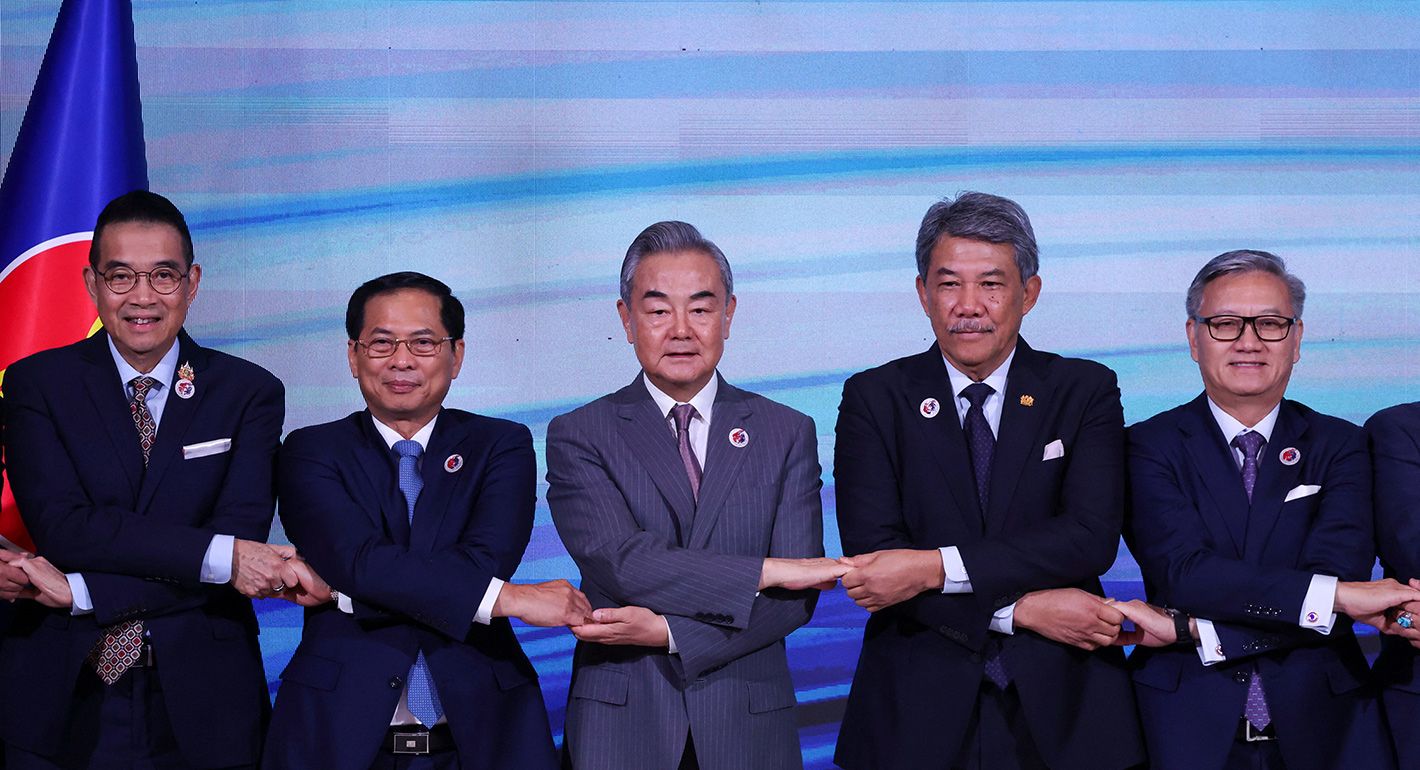
The Thai-Cambodian conflict highlights the limits to China's peacemaker ambition and the significance of this role on Southeast Asia’s balance of power.

Pongphisoot (Paul) Busbarat
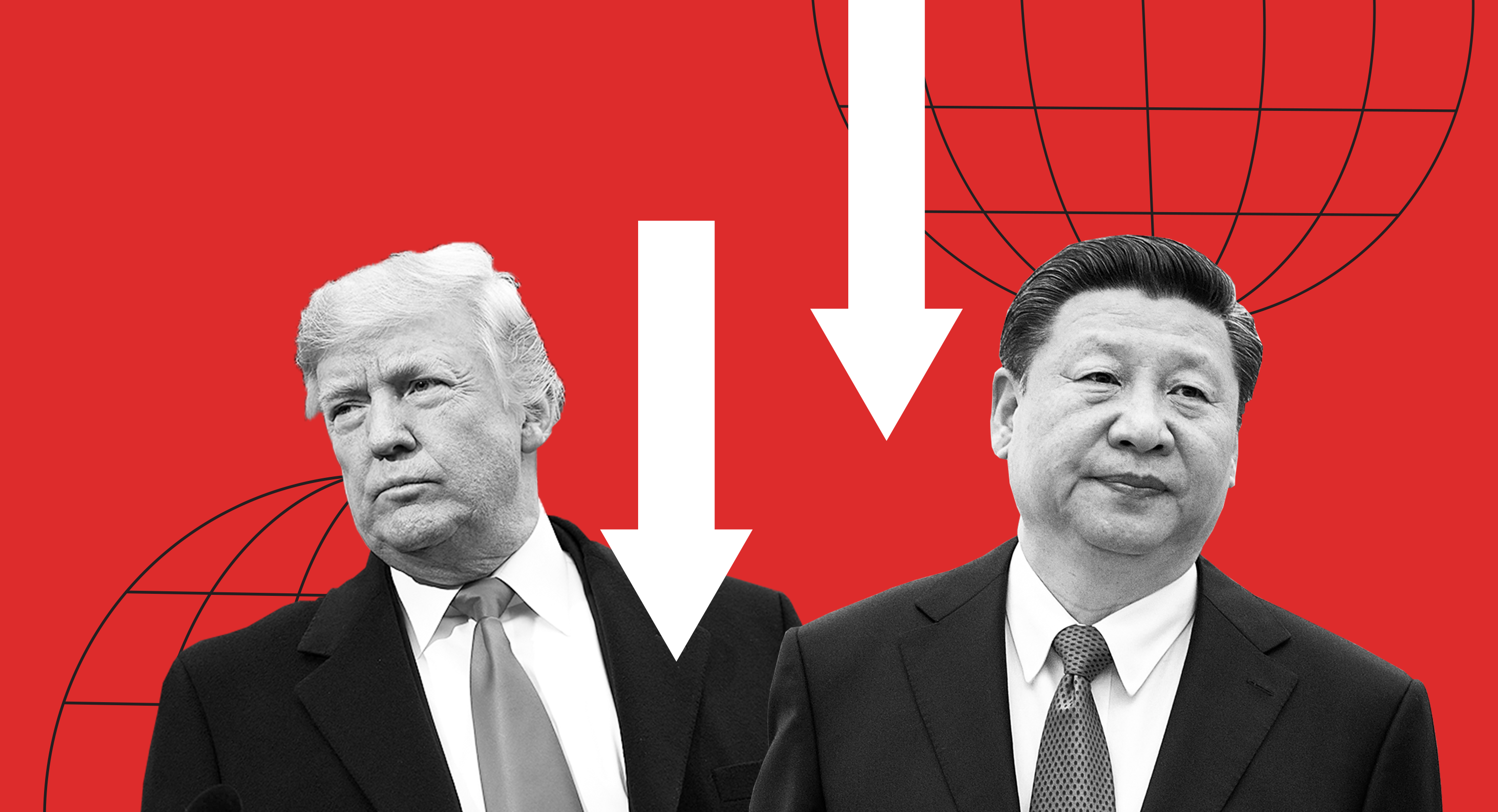
Beijing believes that Washington is overestimating its own leverage and its ability to handle the trade war’s impacts.


Rick Waters, Sheena Chestnut Greitens
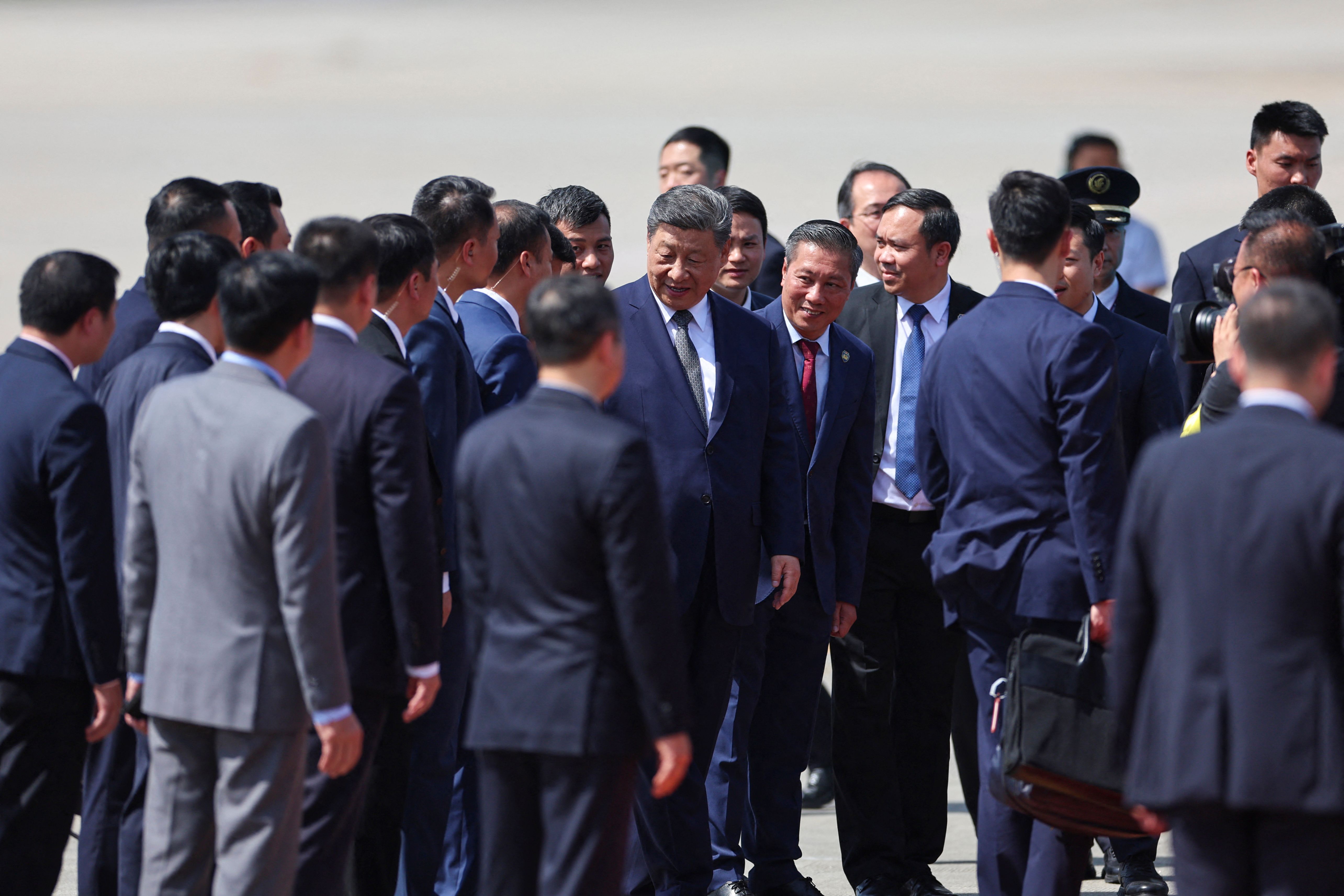
Tapping our network of China experts in the region, Carnegie China offers this latest “China Through a Southeast Asian Lens” report to offer preliminary assessments of whether the U.S. effort to reshape the global trading order will lead countries in the region to tilt toward Beijing.



Selina Ho, Khin Khin Kyaw Kyee, Joseph Ching Velasco, …
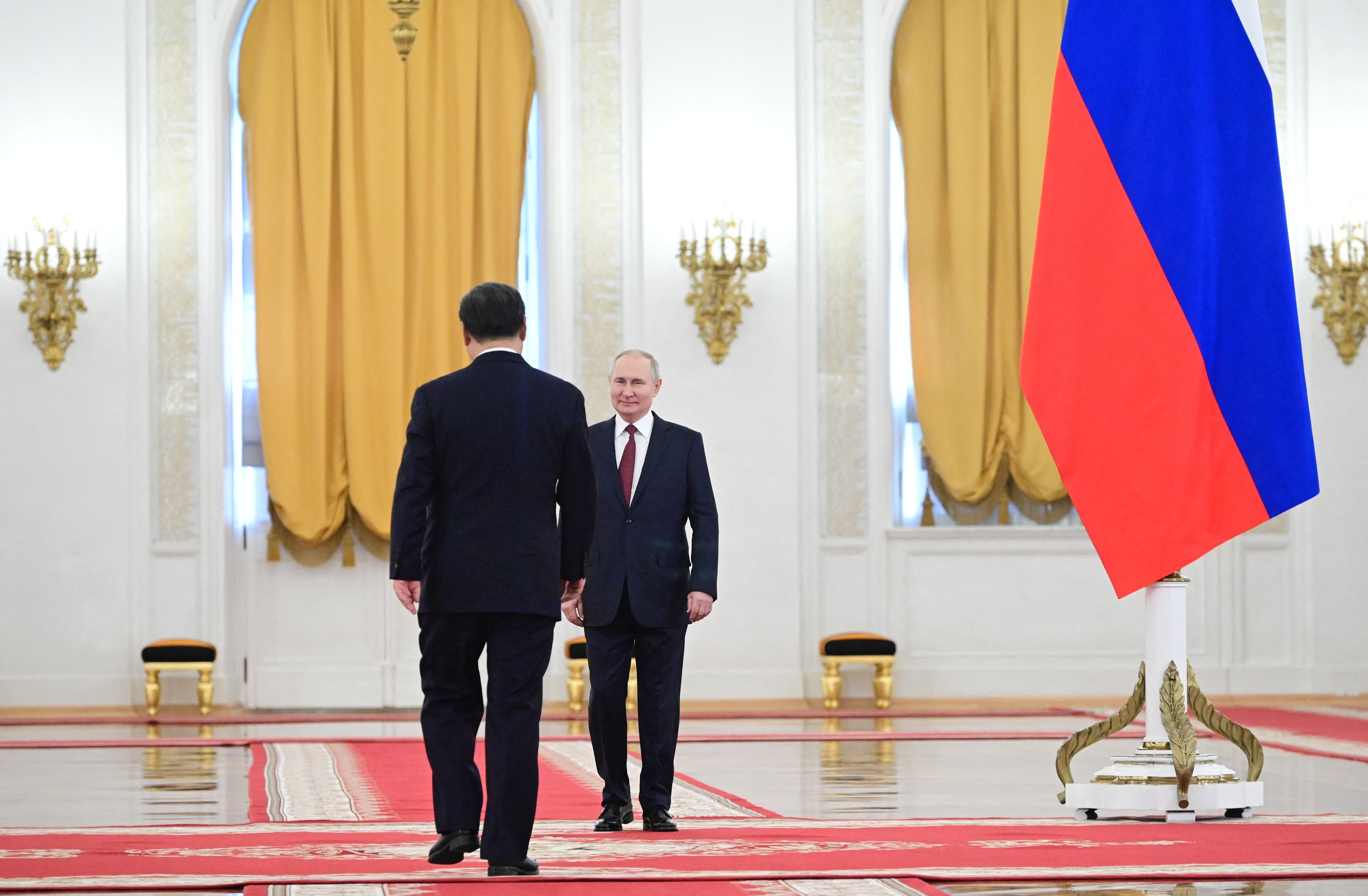
Beijing is trying to navigate the overall situation regarding Ukraine, especially the substance of interactions between Washington and Moscow.



Ellen Nakashima, Zhao Long, Pavlo Klimkin, …
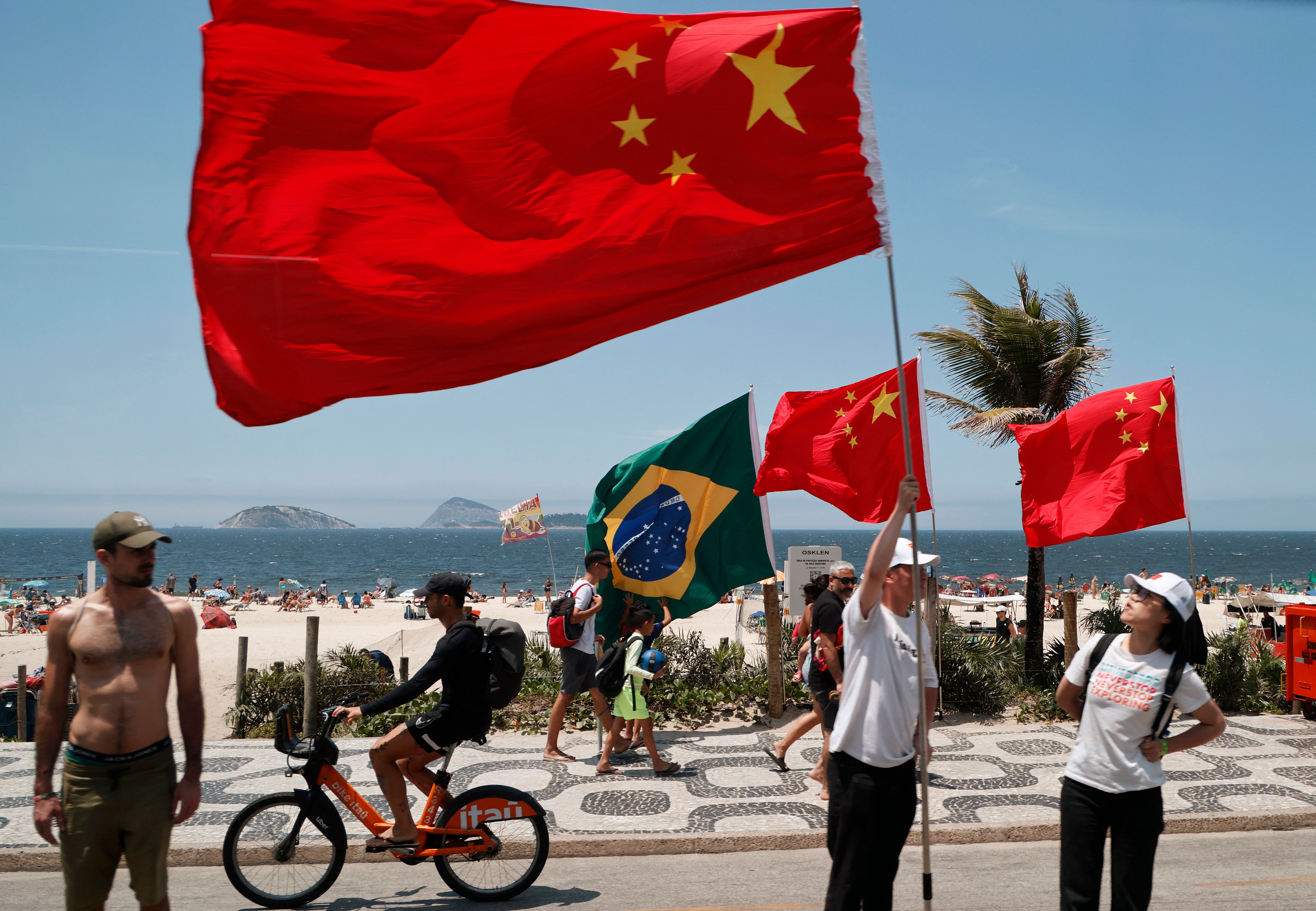
While China will remain a significant political and economic force in the Global South, its ambition to leverage the Global South as a counterbalance to the United States and the Global North is far from assured.

Xue Gong