

Q&A
Christopher Boucek
{
  "authors": [
    "Christopher Boucek"
  ],
  "type": "legacyinthemedia",
  "centerAffiliationAll": "dc",
  "centers": [
    "Carnegie Endowment for International Peace",
    "Malcolm H. Kerr Carnegie Middle East Center"
  ],
  "collections": [],
  "englishNewsletterAll": "menaTransitions",
  "nonEnglishNewsletterAll": "",
  "primaryCenter": "Carnegie Endowment for International Peace",
  "programAffiliation": "MEP",
  "programs": [
    "Middle East"
  ],
  "projects": [],
  "regions": [
    "Middle East",
    "Yemen",
    "Gulf"
  ],
  "topics": [
    "Security",
    "Military"
  ]
}
Source: Getty
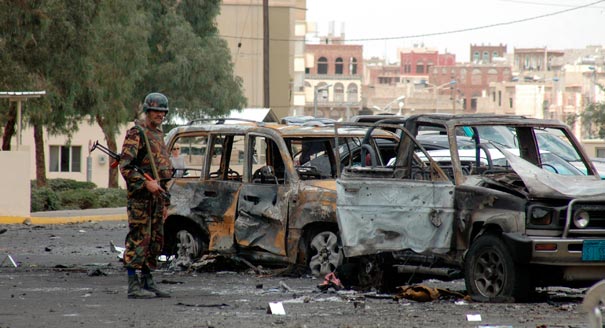
If U.S. counterterrorism assistance to Yemen only takes the form of military and security cooperation, the result is likely to be an increase in the popular grievances that fuel militant groups like al-Qaeda in the Arabian Peninsula.
Source: CTC Sentinel

AQAP has evolved into an increasingly lethal and agile organization, with a proven track record of mounting operations within Yemen, regionally, and internationally. AQAP has been clear in stating its planned objectives, and it has repeatedly delivered on its threats. These concerns have been heightened by the presence of Yemeni-American cleric Anwar al-`Awlaqi in Yemen and his alleged role in inciting English-speaking foreigners to engage in violence and militancy. There are also increasing worries about the involvement of Western, and especially American, nationals in alleged domestic terrorist plots related to or connected with Yemen, AQAP, and Anwar al-`Awlaqi. Moreover, Yemen itself is being transformed from a rest and training arena into an actual theater of jihad.
This article originally appeared in the CTC Sentinel

Former Associate, Middle East Program
Boucek was an associate in the Carnegie Middle East Program where his research focused on security challenges in the Arabian Peninsula and Northern Africa.
Recent Work
Christopher Boucek

Christopher Boucek, Karim Sadjadpour
Carnegie does not take institutional positions on public policy issues; the views represented herein are those of the author(s) and do not necessarily reflect the views of Carnegie, its staff, or its trustees.
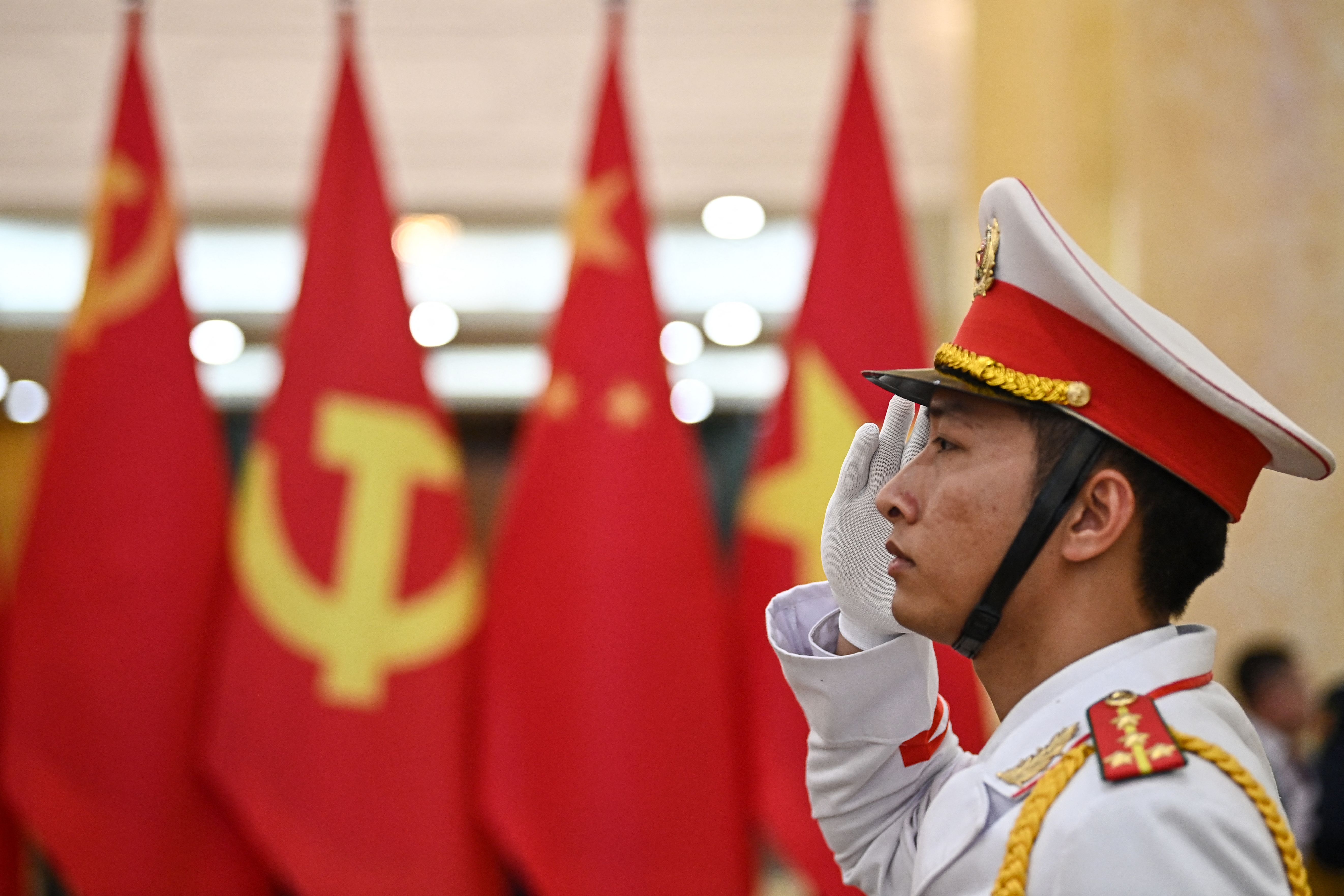
In July 2025, Vietnam and China held their first joint army drill, a modest but symbolic move reflecting Hanoi’s strategic hedging amid U.S.–China rivalry.

Nguyễn Khắc Giang
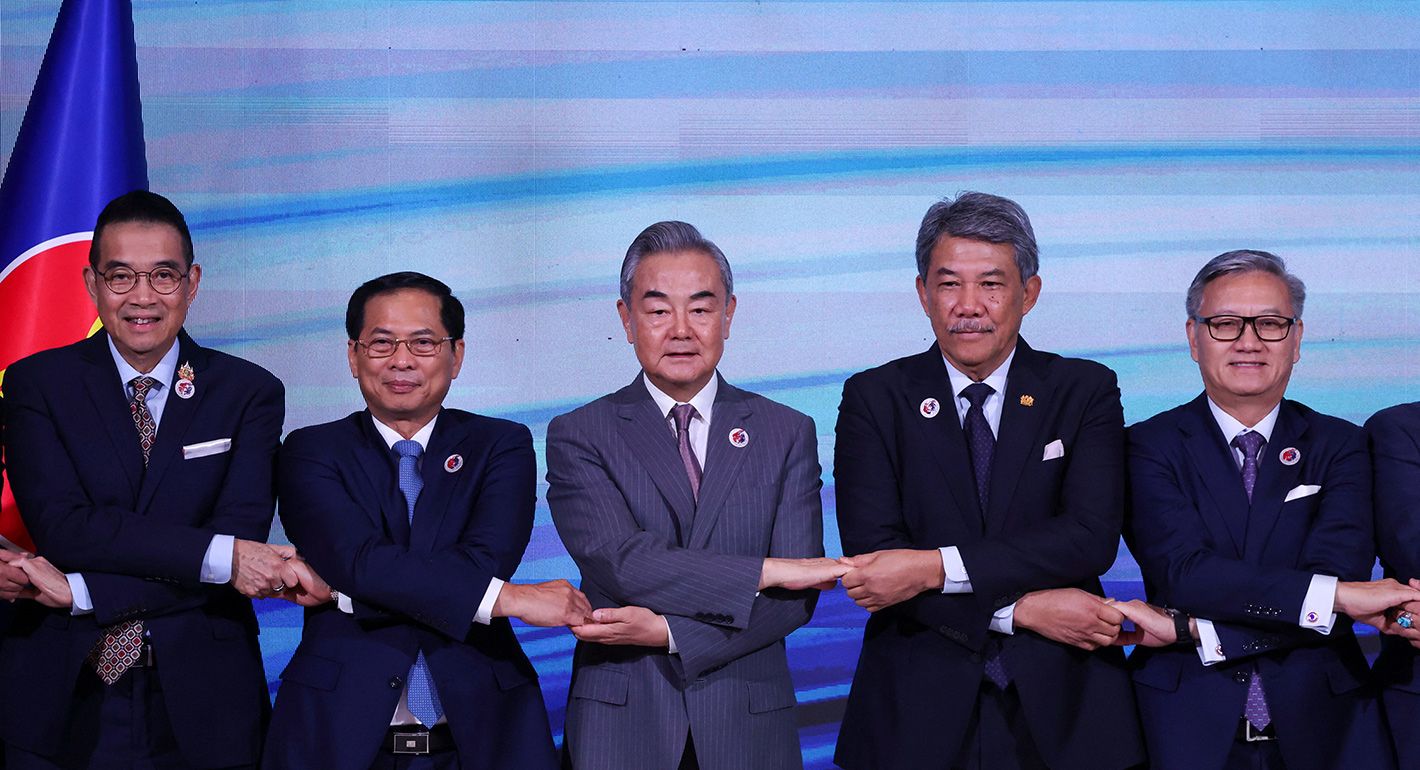
The Thai-Cambodian conflict highlights the limits to China's peacemaker ambition and the significance of this role on Southeast Asia’s balance of power.

Pongphisoot (Paul) Busbarat

Beijing believes that Washington is overestimating its own leverage and its ability to handle the trade war’s impacts.


Rick Waters, Sheena Chestnut Greitens
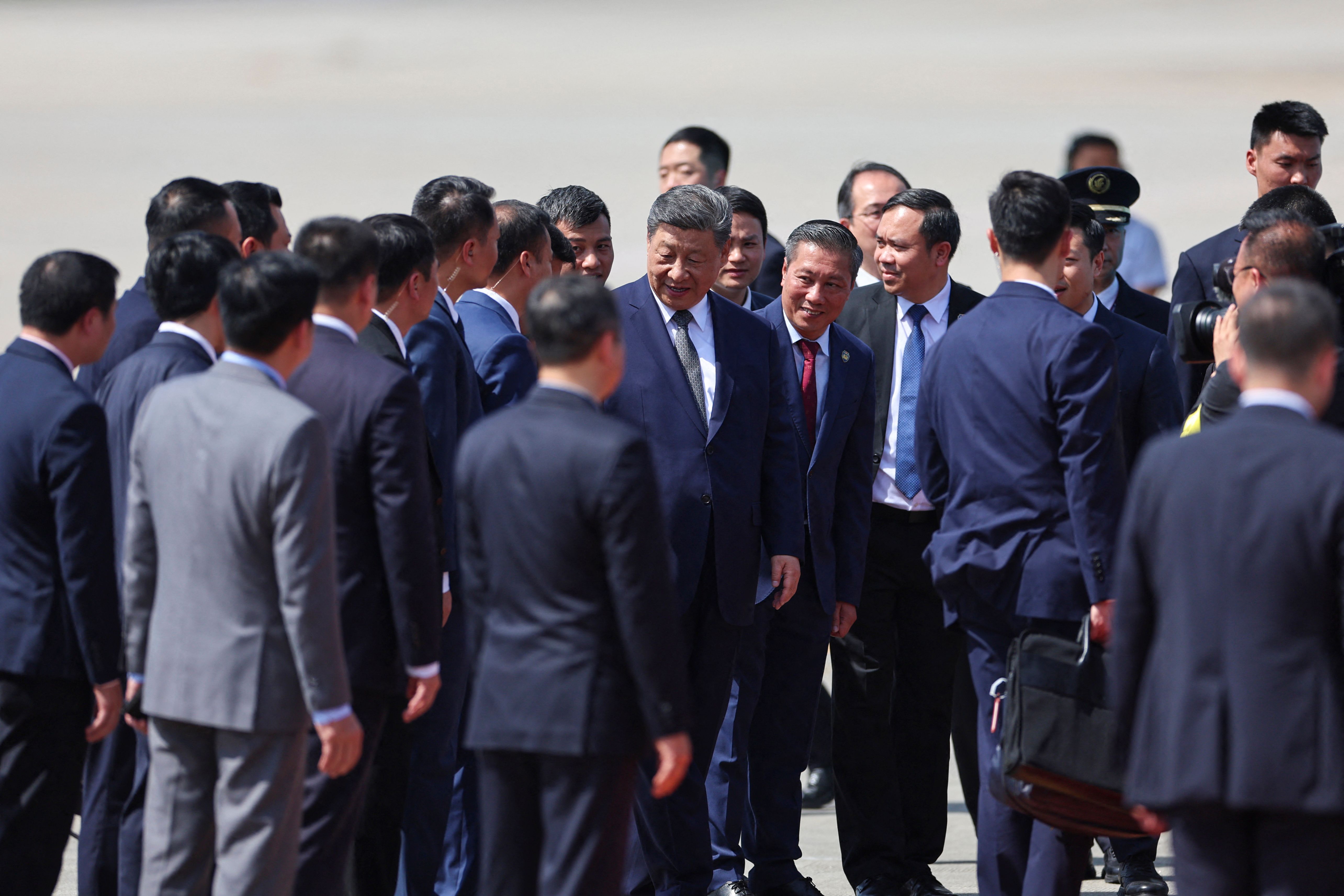
Tapping our network of China experts in the region, Carnegie China offers this latest “China Through a Southeast Asian Lens” report to offer preliminary assessments of whether the U.S. effort to reshape the global trading order will lead countries in the region to tilt toward Beijing.



Selina Ho, Khin Khin Kyaw Kyee, Joseph Ching Velasco, …
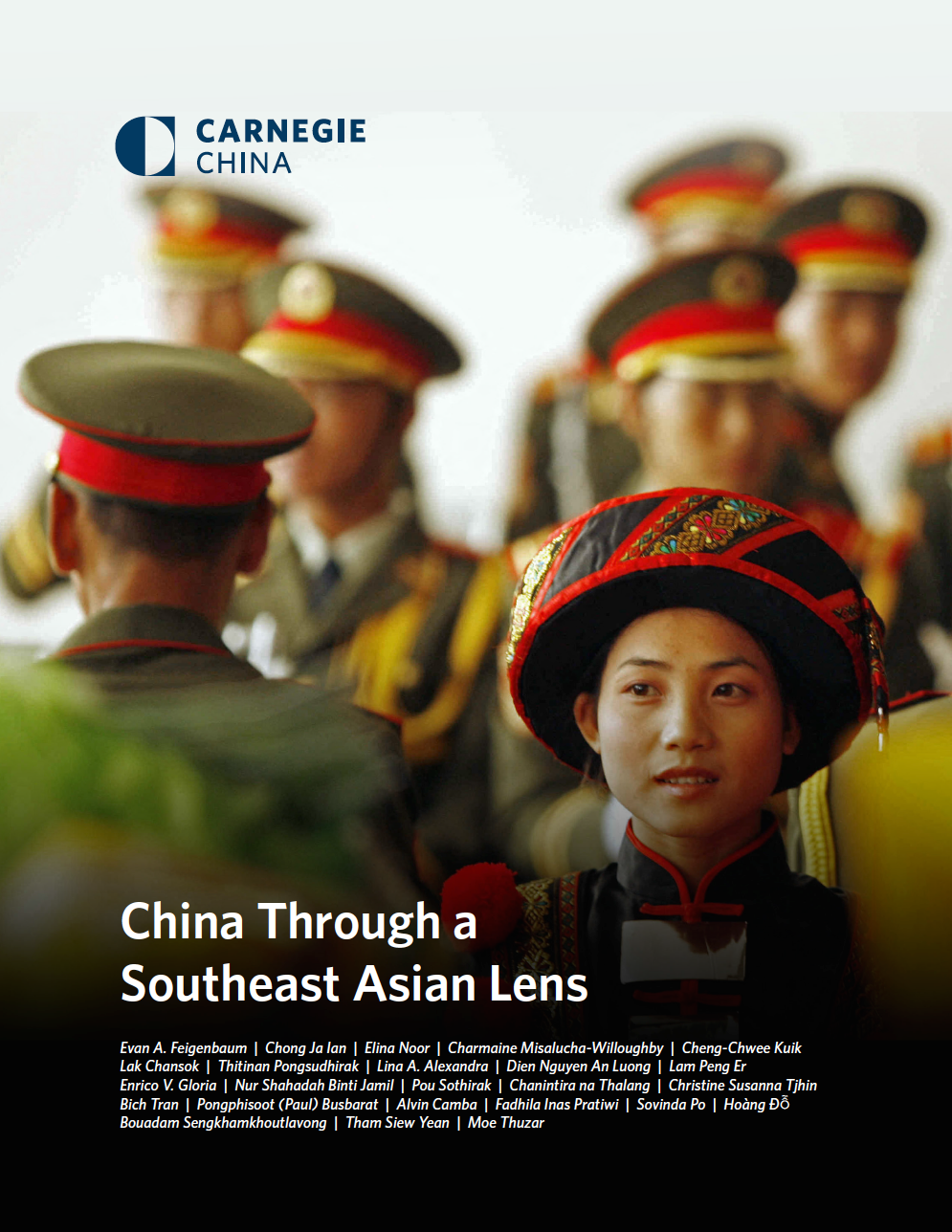
Because strategic, economic, and ideological perceptions of China contain multiple, sometimes contradictory facets in Southeast Asia, receptions of and responses to Beijing diverge across and within state lines.



Evan A. Feigenbaum, Chong Ja Ian, Elina Noor