• Commentary
  • Research
  • Experts
  • Events
Carnegie China logoCarnegie lettermark logo
{
  "authors": [
    "Christopher Boucek",
    "Abdulwahab Alkebsi"
  ],
  "type": "legacyinthemedia",
  "centerAffiliationAll": "dc",
  "centers": [
    "Carnegie Endowment for International Peace",
    "Malcolm H. Kerr Carnegie Middle East Center"
  ],
  "collections": [],
  "englishNewsletterAll": "menaTransitions",
  "nonEnglishNewsletterAll": "",
  "primaryCenter": "Carnegie Endowment for International Peace",
  "programAffiliation": "MEP",
  "programs": [
    "Middle East"
  ],
  "projects": [],
  "regions": [
    "Middle East",
    "Yemen",
    "Gulf"
  ],
  "topics": [
    "Security",
    "Political Reform"
  ]
}
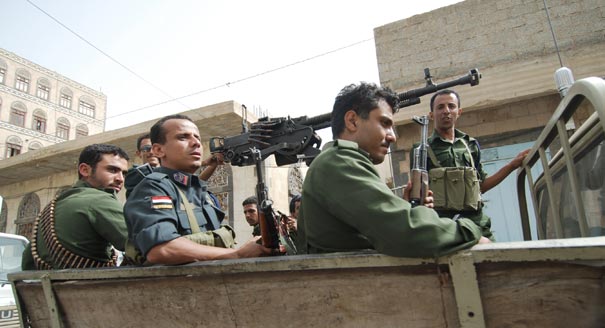
Source: Getty

In The Media

Yemen on the Brink

Corruption in Yemen is contributing to the rapid deterioration of the country’s stability and security situation, with potentially dramatic repercussions for neighboring states, the region, and the international community.

Link Copied
By Christopher Boucek and Abdulwahab Alkebsi
Published on Oct 14, 2010

Source: Real Clear World

Yemen on the BrinkYemen's stability and security situation is rapidly deteriorating, and its potential implosion will have a dramatic impact on neighboring states, the region and the international community. Central to the issue is the creeping and destructive plague of corruption.

Yemen is rarely in the news unless linked to events such as last week's attack on British diplomats, the attempted bombing of a Northwest Airlines flight on Christmas Day 2009 or the just past 10-year anniversary of the attack on the USS Cole. These dramatic - but infrequent - events obscure the more obvious and in some ways more important story of Yemen.
 
The country faces an astonishing confluence of unprecedented challenges: violent extremism, economic collapse, a looming water shortage and a growing secessionist movement. Any one of these challenges, if left unaddressed, could overwhelm any government. Unless appropriate steps are taken, Yemen risks becoming a failed state and a training ground for terrorism - and its problems could quickly envelop the entire region.
 
Economic growth in Yemen stagnates because of corruption, which wastes vital resources, time, and human capabilities. The many conflicts in Yemen are not solely based on tribal or religious issues, but rather a lack of development and neglect. Adding to that, a looming economic crisis threatens to destabilize the state. The government's ability to provide basic services is thwarted at every turn: petroleum reserves are running out with few options for a sustainable post-oil economy; limited water resources are consumed faster than they can be replenished; and the rapidly expanding population suffers from endemic poverty and places an increasing burden on the country.
 
Underlying these challenges is rampant corruption, amid allegations that almost 30 percent of government revenue is never deposited in government accounts. Historically, the central government has faced fierce resistance in expanding its authority and presence, as the Yemeni people associate it with corruption, cronyism, nepotism and thwarted economic and social opportunities. To address the serious and continuing problem of government graft, the country will need to institute transparent taxation, sweeping judicial reforms to establish fair prosecutions and greater public access to information.
 
Addressing corruption is not only about going after the biggest offenders or the grandest schemes, but rather it must address systemic abuses in all institutions. Combating corruption must be a central part of any strategy to reduce instability and improve the everyday lives of Yemeni citizens.
 
In addition to the damage corruption causes in the political and social fabric of Yemeni society, it takes an enormous toll on economic growth and development. When corruption occurs in agencies where identification cards and passports are issued, Yemenis are prevented from working in the Gulf countries and sending remittances back home because there is no confidence in the authenticity of these documents. Foreign businesses avoid investing in Yemen if they have no assurance that documentation is valid and legal, contracts cannot be enforced, and there is no rule of law to adjudicate land disputes. On the domestic side, bribes demanded from Yemeni small business-owners waste resources that could otherwise be spent to expand business activity and create new jobs.
 
During the recent meeting to prepare for the Friends of Yemen ministerial meeting in February 2011, participants committed to addressing political, economic and governance reforms. This is a pivotal moment to advance momentum for real reform and focus on fighting against corruption. Such initiatives should include simplifying economic regulations and eliminating contradictions between laws, reforming and simplifying the tax system, clearly defining the authorities of civil servants by specifying their duties by law, ensuring enforcement of contracts and property rights, and enhancing the rule of law to protect individual rights and rights of the business community.
 
As a step in the right direction, the government of Yemen has taken the initiative to use new awareness-raising tools such as a recently-produced film on corruption in Yemen to educate state employees about the economic impact of corruption, bribery and forgery. Further efforts like this one, on a sustained and intensive basis, are needed to make a significant impact.
 
Work with local partners and government agencies is essential to challenge the perception that corruption is an inevitable part of Yemeni daily life and to spark dialogue on policy reform that will reduce opportunities for corruption. The government of Yemen understands the issue can no longer be ignored and is willing to engage in developing strategies to fight corruption. The international community has an important role to play in leveraging its influence to press the Yemeni government for serious reform to increase accountability. Partnership between international allies, the government of Yemen and civil society is necessary to make real progress in combating corruption and to advance Yemen's development.

About the Authors

Christopher Boucek

Former Associate, Middle East Program

Boucek was an associate in the Carnegie Middle East Program where his research focused on security challenges in the Arabian Peninsula and Northern Africa.

Abdulwahab Alkebsi

Authors

Christopher Boucek
Former Associate, Middle East Program
Christopher Boucek
Abdulwahab Alkebsi
SecurityPolitical ReformMiddle EastYemenGulf

Carnegie does not take institutional positions on public policy issues; the views represented herein are those of the author(s) and do not necessarily reflect the views of Carnegie, its staff, or its trustees.

More Work from Carnegie China

  • Commentary
    China’s Mediation Offer in the Thailand-Cambodia Border Dispute Sheds Light on Beijing’s Security Role in Southeast Asia

    The Thai-Cambodian conflict highlights the limits to China's peacemaker ambition and the significance of this role on Southeast Asia’s balance of power.

      Pongphisoot (Paul) Busbarat

  • Trump and Xi on a red background
    Commentary
    Emissary
    China Is Determined to Hold Firm Against Trump’s Pressure

    Beijing believes that Washington is overestimating its own leverage and its ability to handle the trade war’s impacts. 

      • Sheena Chestnut Greitens

      Rick Waters, Sheena Chestnut Greitens
  • Commentary
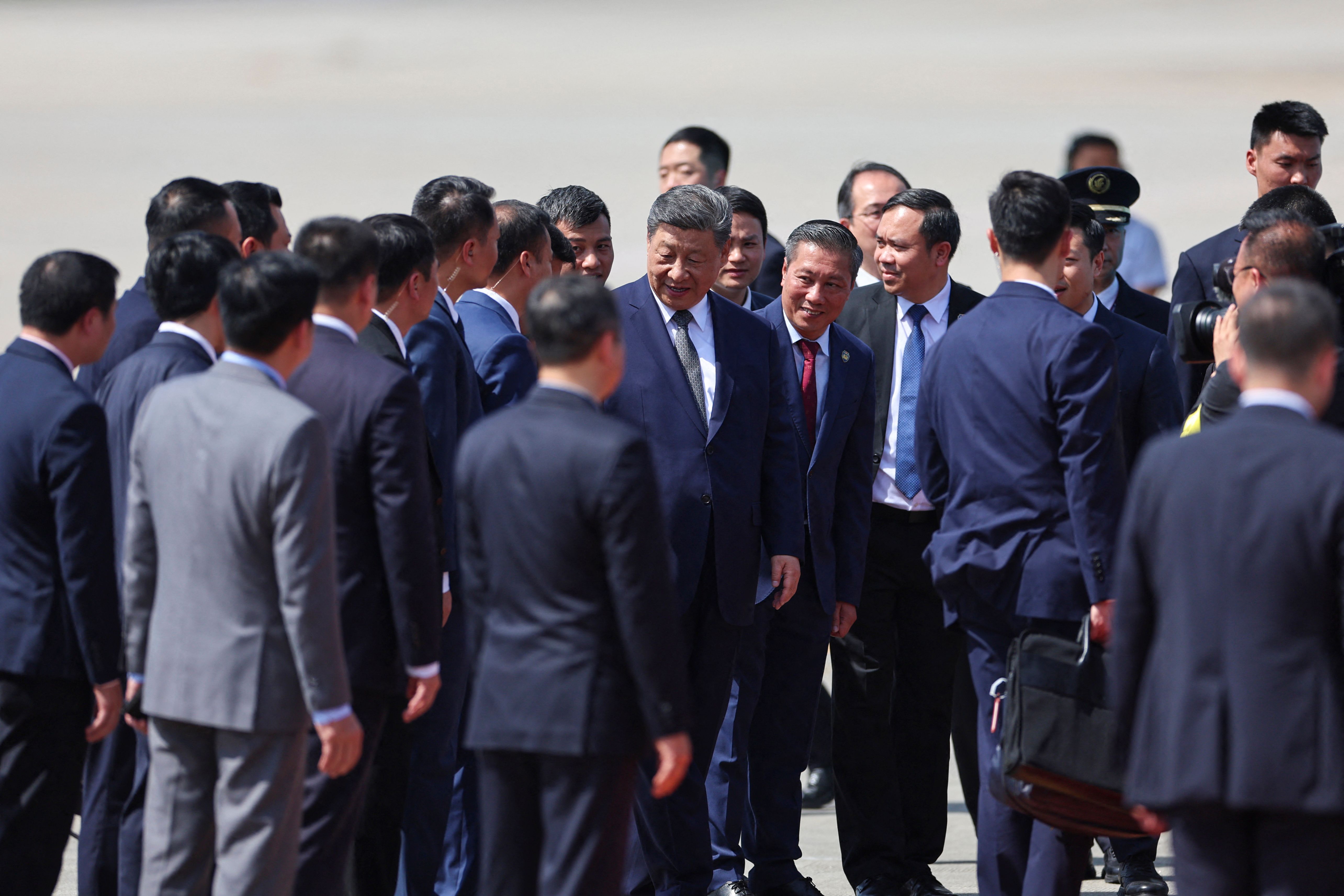
    A Second Trump Term: Will Southeast Asia Tilt Toward China?

    Tapping our network of China experts in the region, Carnegie China offers this latest “China Through a Southeast Asian Lens” report to offer preliminary assessments of whether the U.S. effort to reshape the global trading order will lead countries in the region to tilt toward Beijing. 

      • +6

      Selina Ho, Khin Khin Kyaw Kyee, Joseph Ching Velasco, …
  • Research
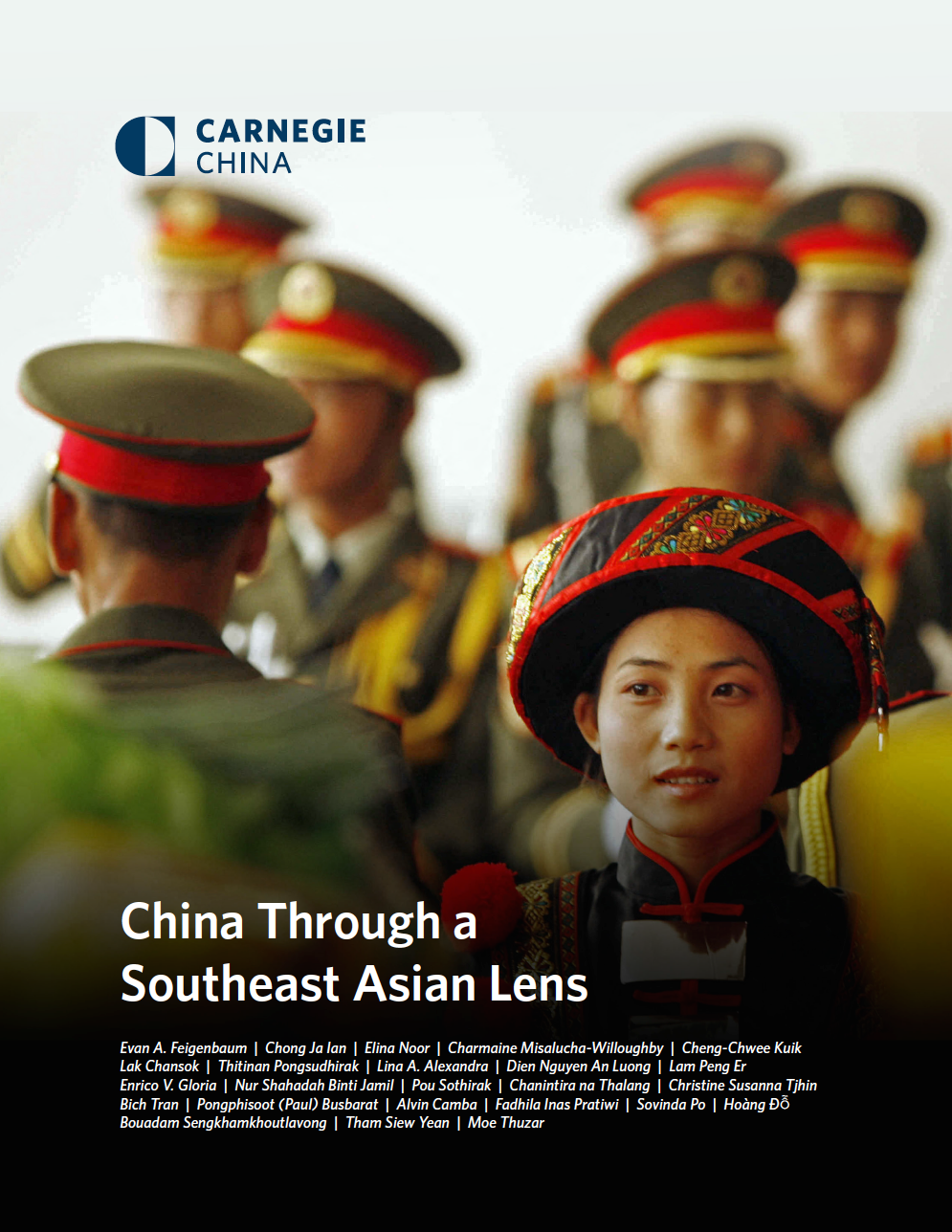
    China Through a Southeast Asian Lens

    Because strategic, economic, and ideological perceptions of China contain multiple, sometimes contradictory facets in Southeast Asia, receptions of and responses to Beijing diverge across and within state lines.


      Evan A. Feigenbaum, Chong Ja Ian, Elina Noor

  • Article
    Northeast Asia Is for Deterrence and Southeast Asia Is (Mostly) for Freeriding: Appreciating Divergent East Asian Approaches to Order, Uncertainty, and Contestation

    Most Southeast Asian states behave as if the actions of their Northeast Asian neighbors and the Philippines will be sufficient to maintain a regional status quo from which they can benefit.

      Chong Ja Ian

Get more news and analysis from
Carnegie China
Carnegie China logo, white
  • Research
  • About
  • Experts
  • Events
  • Contact
  • Careers
  • Privacy
  • For Media
Get more news and analysis from
Carnegie China
© 2026 Carnegie Endowment for International Peace. All rights reserved.