

Other
Michael D. Swaine
{
  "authors": [
    "Michael D. Swaine"
  ],
  "type": "legacyinthemedia",
  "centerAffiliationAll": "dc",
  "centers": [
    "Carnegie Endowment for International Peace",
    "Carnegie China"
  ],
  "collections": [
    "China’s Foreign Relations"
  ],
  "englishNewsletterAll": "asia",
  "nonEnglishNewsletterAll": "",
  "primaryCenter": "Carnegie Endowment for International Peace",
  "programAffiliation": "AP",
  "programs": [
    "Asia"
  ],
  "projects": [],
  "regions": [
    "East Asia",
    "China",
    "Taiwan"
  ],
  "topics": [
    "Security",
    "Military"
  ]
}
Source: Getty
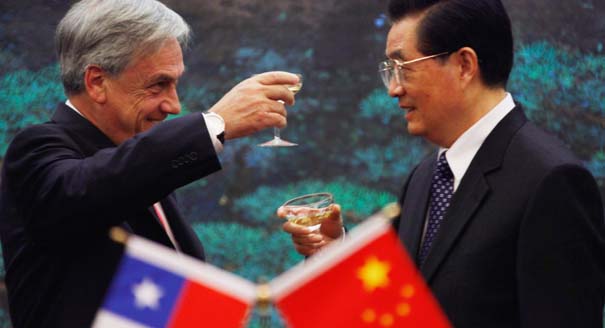
Beijing's usage of the term "core interests" to describe its critical national priorities indicates that while China has become increasingly assertive on the global stage, the nature and direction of this assertiveness is still being worked out by Chinese leaders.
Source: China Leadership Monitor

In each of these four areas, we shall to varying degrees attempt to answer several basic questions regarding Chinese assertiveness that build on those addressed in CLM 32: In what ways are Chinese leaders becoming more assertive, employing what methods, and to what apparent ends? Is Chinese assertiveness a “new” and highly significant phenomenon for U.S. interests, and if so, in what manner? What misconceptions, if any, exist about China’s assertiveness? What internal and external forces are driving China’s assertive behavior? In particular, is Chinese assertiveness associated with particular interest groups or factions within Chinese state and society? How is China’s assertiveness evolving in response to both inside and outside pressures? And finally, what do the answers to the foregoing questions tell us about the likely future direction and strength of China’s assertiveness over the next several years?
As indicated in CLM 32, China’s assertiveness means different things to different people. As a result, the concept, in describing Chinese behavior, is somewhat vague and ambiguous, potentially encompassing everything from attempts to play a more active role in a wide variety of international regimes, to deliberate efforts to alter basic international norms and challenge the fundamental national interests or policies of the United States. In addition, there are many forms of assertiveness, from mere verbal statements or comments, to concerted official actions that appear designed to intimidate or even to force other nations or foreign entities to change their behavior. As this typology suggests, some forms of Chinese assertiveness are probably beneficial to the workings of the international system and U.S. interests while others are not. Indeed, U.S. officials welcome a more active, engaged China that seeks both to strengthen and to shape international institutions and norms in ways that advance prosperity, stability, and the peaceful resolution of problems. They presumably do not welcome a China that desires or appears to do otherwise.
In addition, not all indications of Chinese assertiveness (whether “good” or “bad” for the United States and other Western powers) are sanctioned or supported by the Chinese government. Indeed, as we have seen in CLM 32, many unofficial Chinese observers and pundits express or advocate various levels and types of assertiveness that are not reflected in official Chinese statements or documents.
Thus, any assessment of Chinese assertiveness must distinguish between official and unofficial actions or utterances, productive or creative assertiveness (what one might call “positive activism”) and confrontational, destabilizing, or threatening (from a Western or U.S. perspective) assertiveness. This essay, and those that follow, focuses primarily on identifying, measuring, and assessing official or governmental forms of negative or potentially threatening Chinese assertiveness, given its clear significance for future Sino- American relations and the obvious attention that it has received among outside observers.

Former Senior Fellow, Asia Program
Swaine was a senior fellow at the Carnegie Endowment for International Peace and one of the most prominent American analysts in Chinese security studies.
Recent Work
Michael D. Swaine
Michael D. Swaine
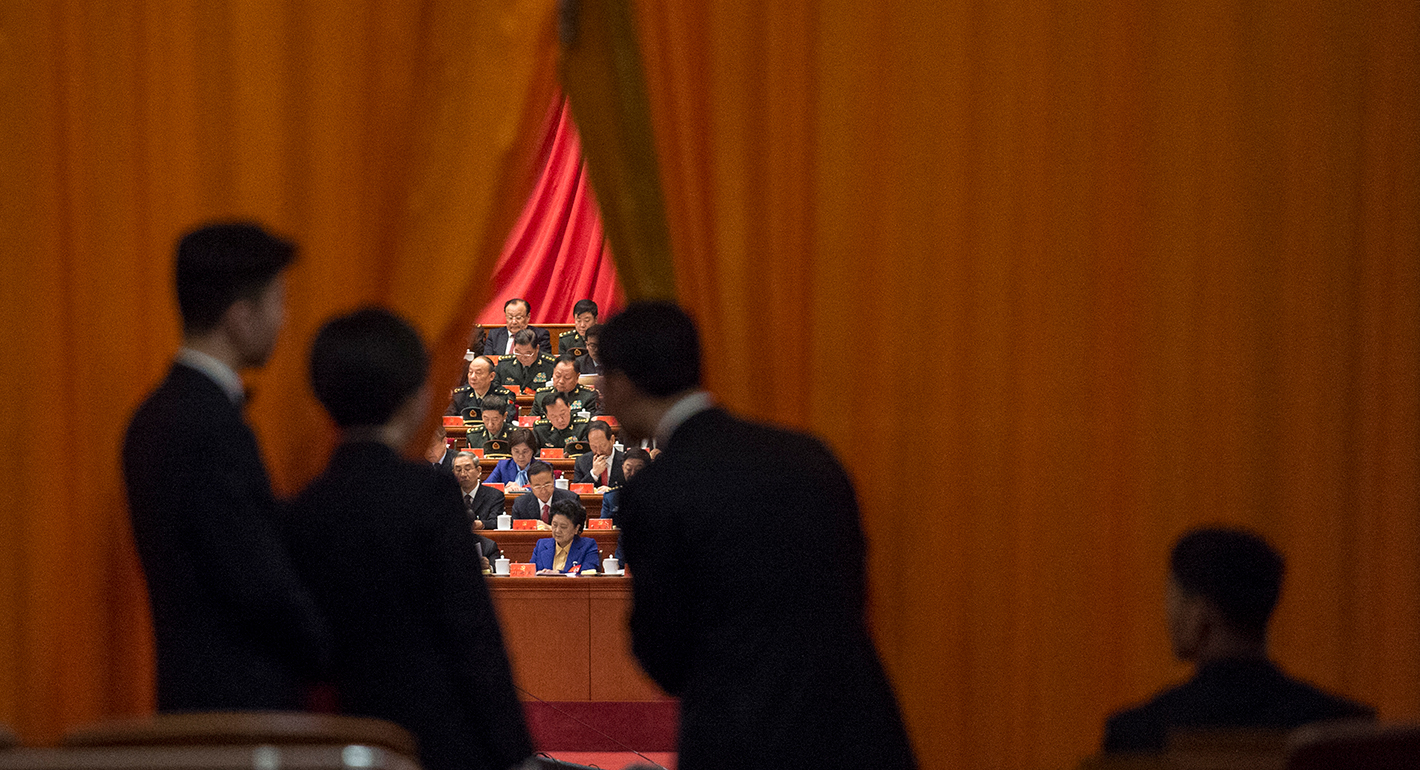
China’s political future will be shaped between now and next October. As the Communist Party enters its intense “campaign season” to prepare for a major political transition in 2027, reading Beijing's actions and responses may become more difficult as domestic politics weigh on its behavior more than usual.

Damien Ma
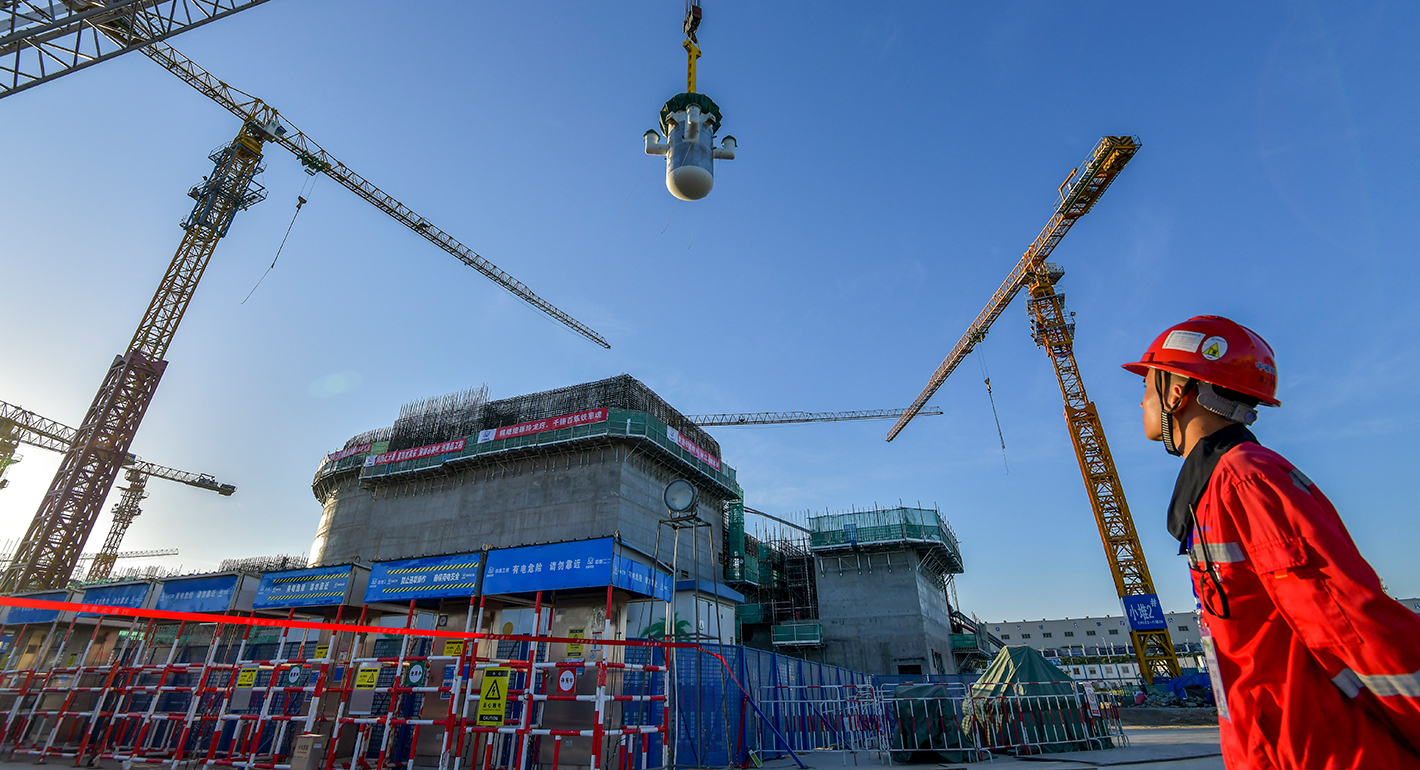
China has showcased its engineering prowess with small modular reactor demonstration projects. But turning these technological achievements into commercial success will be a greater challenge.

Tong Zhao

The Plaza Accord was not an externally imposed punishment of Japan but part of a broader restructuring that Japanese economists and policymakers themselves recognized was necessary. Its effects were undermined, however, when Tokyo responded to the resulting slowdown with policies that exacerbated investment, credit expansion, and the very imbalances the adjustment was intended to resolve.

Michael Pettis
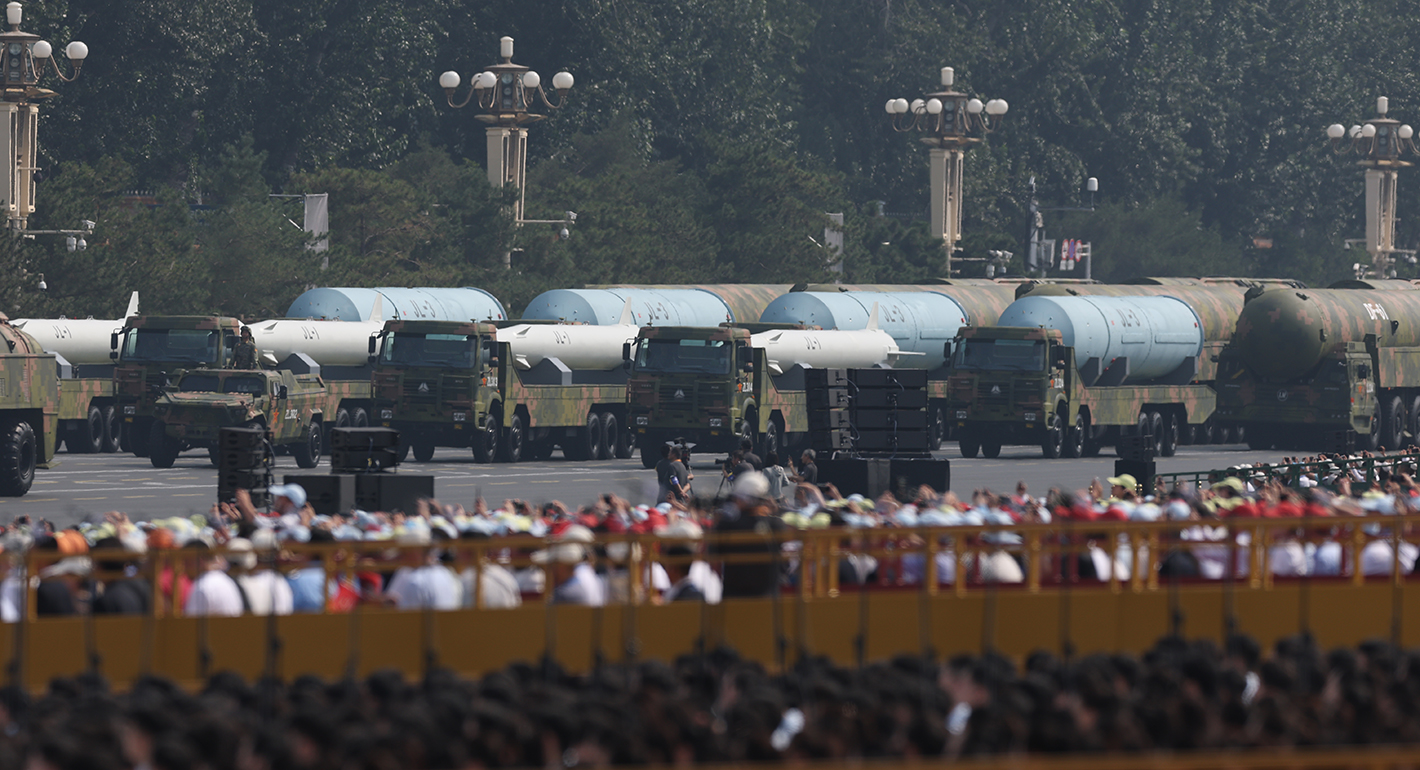
The nuclear relationship between China and the United States is increasingly shaped by widening perception gaps rather than deliberate strategic design.
Tong Zhao
China’s banking crisis in the 2000s was resolved by transferring the costs to households through financial repression—a decision that recapitalized the banks while exacerbating the structural imbalances that continue to shape the Chinese economy today.
Michael Pettis