

Commentary
Nathan J. Brown
{
  "authors": [
    "Nathan J. Brown"
  ],
  "type": "legacyinthemedia",
  "centerAffiliationAll": "dc",
  "centers": [
    "Carnegie Endowment for International Peace",
    "Malcolm H. Kerr Carnegie Middle East Center"
  ],
  "collections": [
    "Arab Awakening"
  ],
  "englishNewsletterAll": "menaTransitions",
  "nonEnglishNewsletterAll": "",
  "primaryCenter": "Carnegie Endowment for International Peace",
  "programAffiliation": "MEP",
  "programs": [
    "Middle East"
  ],
  "projects": [],
  "regions": [
    "North Africa",
    "Egypt",
    "Gulf",
    "Levant",
    "Maghreb"
  ],
  "topics": [
    "Political Reform",
    "Foreign Policy"
  ]
}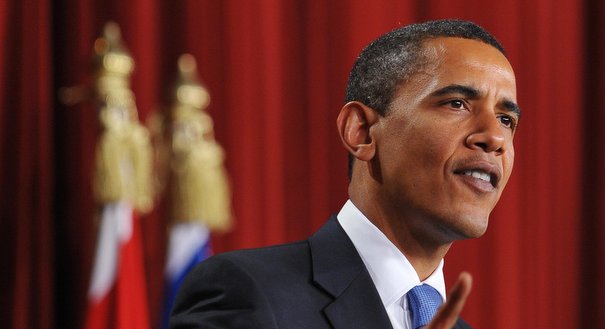
Source: Getty
The Middle East is changing in fundamental ways and U.S. foreign policy must evolve to reflect these changes.
Source: Foreign Policy

But a couple days of carefully calibrating statements do not amount to a new policy. The United States has long-term issues at stake. And at this point almost any outcome is possible -- continued unrest, a gentle retirement for Mubarak when his term ends later this year, a broad-based transitional leadership, regime collapse, and even a return to stagnation. We need to make policy with an eye on the long-term without knowing what tomorrow will bring.
Nothing is resolved in Egypt. In perhaps the most important speech he would ever give, Egypt's Mubarak offered Egyptians two things: the possibility of positive change and a stable and secure framework. The first offer was not credible; simply dismissing the cabinet and issuing vague pledges of providing jobs was hardly enough to convince a very skeptical audience. If Mubarak is to salvage his presidency, much, much more will be needed.
And the second offer, security and stability, showed profound misunderstanding of the Egyptian system as so many citizens have experienced it. While in the 1980s, Mubarak's "stability" was welcome, today it reeks of stagnation, cronyism, sycophancy, and slow decay. A promise of "security" rings hollow because it is precisely the tools that carry the security label—brutal police, unaccountable security services, emergency rule that is older than most Egyptian grandparents, and deadening corruption of political life—that make Egyptians feel resentful and, yes, insecure. In the past few days, it is the so-called security forces that have been the source of violence against the society they are supposed to protect. Actually, that phenomenon is not new; it has only moved in front of television cameras.
I earlier described the Egyptian regime as one that lacked legitimacy but was able to continue largely by making itself appear inevitable. A few days of demonstrations have led Egyptians and the world to see it as shaky indeed. But how shaky? And if it begins to fall, what will happen?
There are a few things that are clear for the present. First, we need to remind ourselves constantly that while this is a critical moment, it is primarily an Egyptian moment with primarily Egyptian players. We therefore should simply ignore those voices who insist on understanding events only in terms of U.S. domestic politics. The Obama administration has sensibly refrained from taking credit for events; its supporters should do the same even if we do have an outcome that we deem positive. And if Obama's critics react (as some have begun to do) by bouncing between blaming him for allowing Islamists to glimpse power and timidity in the face of an autocrat, we should tune them out.
Nor is this a time to succumb to Ikwanophobia. Egypt's Muslim Brotherhood is a player in events, but not the primary one. If it emerges as a more savvy and influential political player, that is a positive development for Egypt -- so long as it is one player among many others. Egypt's rulers missed an opportunity to build a healthier political system that incorporated more actors earlier in this decade, deciding to shore up cronyism and autocracy rather than pluralism and democracy. Egyptians may now have a second chance.
Can the United States help Egyptians grasp that second chance? Yes, but only to a limited extent. We can make clear that we will deal with all Egyptian political players and not choose one as our favorite and designate another one as a pariah. We must at all costs avoid defining democracy as a political system in which our party wins -- and that is not easy when we are saddled with a political vocabulary that often terms any political force we do not like as undemocratic.
For all its flaws -- and they are many -- Egyptian authoritarianism is less stultifying than Tunisia's. It has been a bit more open; there is a far more vital political sphere; there are known political actors (most, however, with anemic constituencies); and Egyptians are used to exchanging a rich variety of political views. That means we know this society much better than many others in the region. We even have selected points of entry to important segments of Egyptian society—close relations on a diplomatic level, some active business ties, and some military-to-military contacts, and we can use those to communicate that we are willing to work with a more pluralist political order.
Such flexibility may get us through the next few months. But we need to use that time to do some hard thinking. The basic elements of American policy were built to reflect the realities of the 1970s through the 1990s. But they are now outmoded. The past few years have witnessed the death of the peace process; this year may be witnessing the passing of at least two formerly inevitable regimes. It is past time to acknowledge that the region we are dealing with is changing in some fundamental -- but still inchoate -- ways.

Nonresident Senior Fellow, Middle East Program
Nathan J. Brown, a professor of political science and international affairs at George Washington University, is a distinguished scholar and author of nine books on Arab politics and governance, as well as editor of five books.
Recent Work
Nathan J. Brown
Nathan J. Brown
Carnegie does not take institutional positions on public policy issues; the views represented herein are those of the author(s) and do not necessarily reflect the views of Carnegie, its staff, or its trustees.

Across Asia, China is better positioned to withstand energy shocks from the fallout of the Iran war. Its abundant coal capacity can ensure stability in the near term. Yet at the same time, the country’s energy transition away from coal will make it even less vulnerable during the next shock.

Damien Ma

Malaysia’s chairmanship sought to fend off short-term challenges while laying the groundwork for minimizing ASEAN’s longer-term exposure to external stresses.

Elina Noor

For Malaysia, the conjunction that works is “and” not “or” when it comes to the United States and China.
Elina Noor
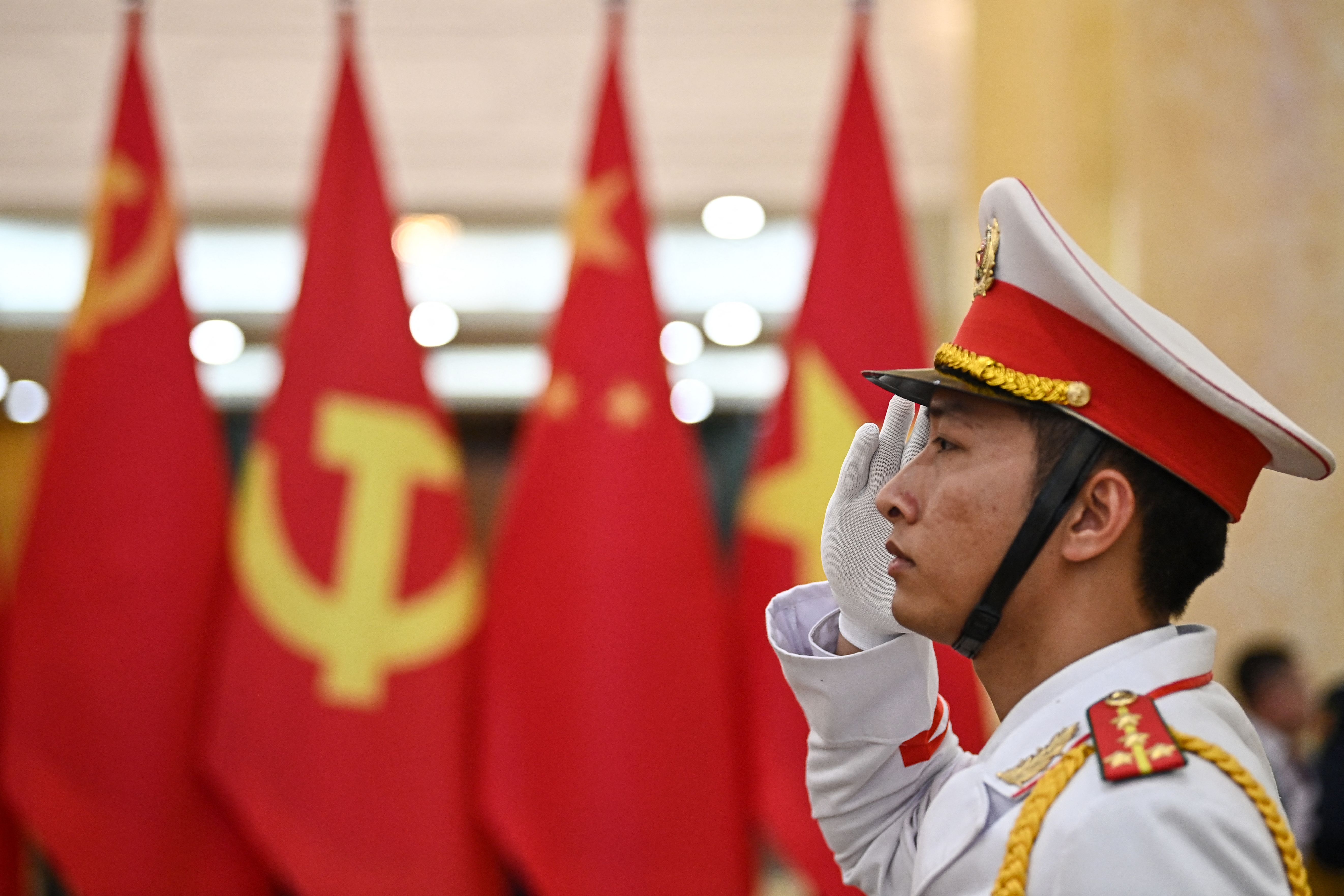
In July 2025, Vietnam and China held their first joint army drill, a modest but symbolic move reflecting Hanoi’s strategic hedging amid U.S.–China rivalry.

Nguyễn Khắc Giang
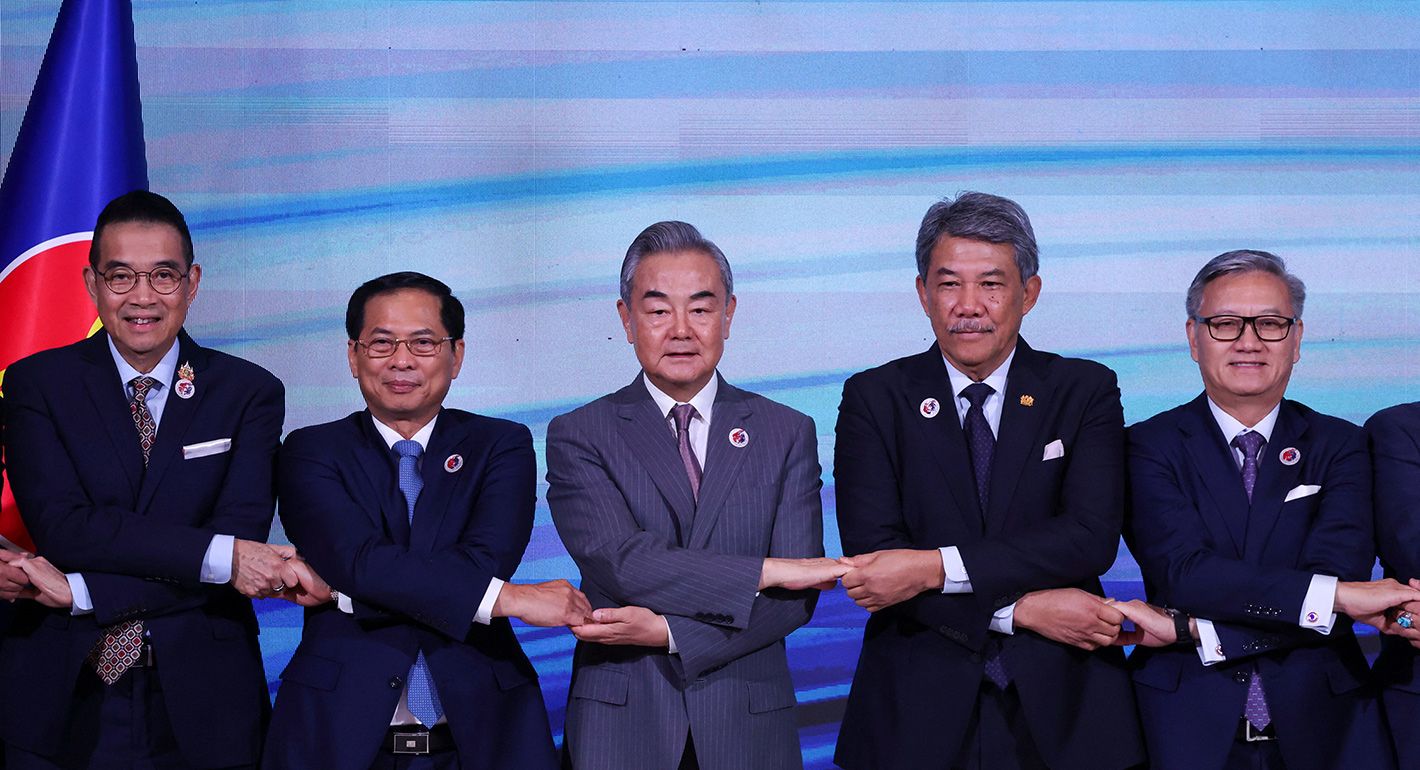
The Thai-Cambodian conflict highlights the limits to China's peacemaker ambition and the significance of this role on Southeast Asia’s balance of power.

Pongphisoot (Paul) Busbarat