• Commentary
  • Research
  • Experts
  • Events
Carnegie China logoCarnegie lettermark logo
{
  "authors": [
    "Michele Dunne"
  ],
  "type": "legacyinthemedia",
  "centerAffiliationAll": "dc",
  "centers": [
    "Carnegie Endowment for International Peace",
    "Malcolm H. Kerr Carnegie Middle East Center"
  ],
  "collections": [
    "Arab Awakening"
  ],
  "englishNewsletterAll": "menaTransitions",
  "nonEnglishNewsletterAll": "",
  "primaryCenter": "Carnegie Endowment for International Peace",
  "programAffiliation": "MEP",
  "programs": [
    "Middle East"
  ],
  "projects": [],
  "regions": [
    "Middle East",
    "Israel",
    "Egypt",
    "Palestine"
  ],
  "topics": [
    "Political Reform",
    "Security"
  ]
}

Source: Getty

In The Media

Egypt's Declining Influence

A major change in the Egyptian government might affect Egypt’s policy toward Gaza and its role in the Arab League, but it is unlikely to have a significant impact on the Israeli-Palestinian peace process.

Link Copied
By Michele Dunne
Published on Feb 1, 2011

Source: New York Times

Egypt's Declining InfluenceEgypt has become so preoccupied with its domestic affairs — potential succession after Mubarak’s thirty-year reign, economic problems, and increasingly demands for political change — that it simply is not playing the kind of extensive regional role it once did.

Egypt did provide a channel of communication to the Palestinians at times when the United States would not speak to certain parties, first to Palestinian President Yasser Arafat and later to Hamas. But the effectiveness of Egyptian diplomacy has been declining for some time.
 
While Mubarak was close to Arafat, he is less close to Mahmoud Abbas and does not serve as much as an outside adviser to him. Egyptian efforts to broker an agreement between Fatah and Hamas have not been successful.
 
Much of this is not really Egypt’s fault; the peace process is largely out of its hands at the moment. The current Israeli government is not interested in reaching an agreement with the Palestinians. And the Palestinians are so divided amongst themselves that it is very difficult for them to be flexible. And frankly the United States and Israel stand in the way of reaching a Fatah-Hamas agreement.
 
If there is a major change in the Egyptian government, the main peace process issues to be concerned about are a change in Egypt’s policy toward Gaza and its role in the Arab League. A new leadership probably would be more responsive to Egyptian public opinion and accordingly less cooperative with Israel in terms of restricting goods going into Gaza — although it will probably still restrict Palestinians coming out of Gaza into the Sinai because that is critical to Egyptian national security.
 
A new government also might not be as cooperative with the United States in terms of managing the Arab League and the positions it takes on Arab-Israeli issues.

About the Author

Michele Dunne

Former Nonresident Scholar, Middle East Program

Michele Dunne was a nonresident scholar in Carnegie’s Middle East Program, where her research focuses on political and economic change in Arab countries, particularly Egypt, as well as U.S. policy in the Middle East.

    Recent Work

  • Research
    Islamic Institutions in Arab States: Mapping the Dynamics of Control, Co-option, and Contention
      • +6

      Yasmine Farouk, Nathan J. Brown, Maysaa Shuja Al-Deen, …
  • Research
    From Hardware to Holism: Rebalancing America’s Security Engagement With Arab States
      • +8

      Robert Springborg, Emile Hokayem, Becca Wasser, …

Michele Dunne
Former Nonresident Scholar, Middle East Program
Michele Dunne
Political ReformSecurityMiddle EastIsraelEgyptPalestine

Carnegie does not take institutional positions on public policy issues; the views represented herein are those of the author(s) and do not necessarily reflect the views of Carnegie, its staff, or its trustees.
More Work from Carnegie China

  • Commentary
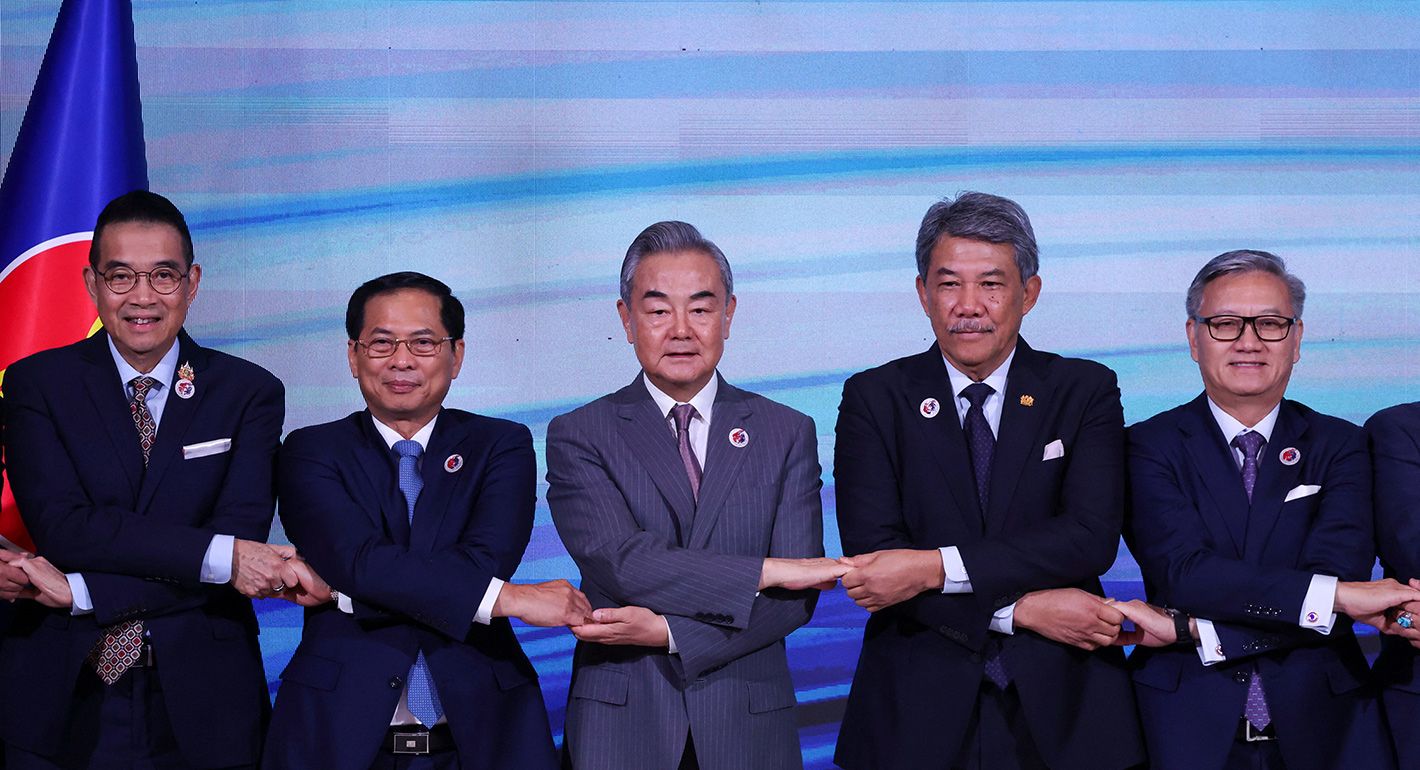
    China’s Mediation Offer in the Thailand-Cambodia Border Dispute Sheds Light on Beijing’s Security Role in Southeast Asia

    The Thai-Cambodian conflict highlights the limits to China's peacemaker ambition and the significance of this role on Southeast Asia’s balance of power.

      Pongphisoot (Paul) Busbarat
  • Trump and Xi on a red background
    Commentary
    Emissary
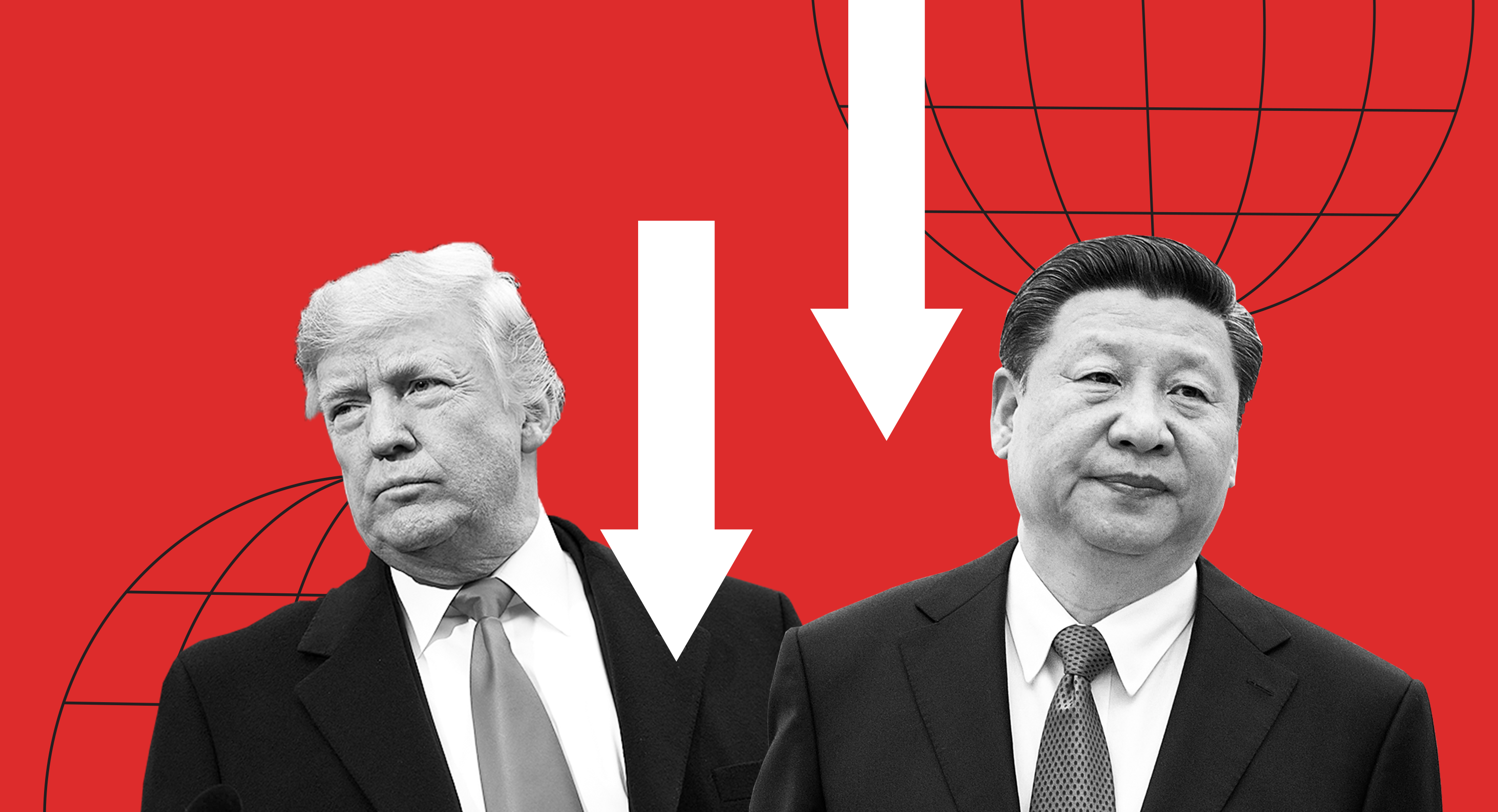
    China Is Determined to Hold Firm Against Trump’s Pressure

    Beijing believes that Washington is overestimating its own leverage and its ability to handle the trade war’s impacts. 

      • Sheena Chestnut Greitens

      Rick Waters, Sheena Chestnut Greitens
  • Commentary
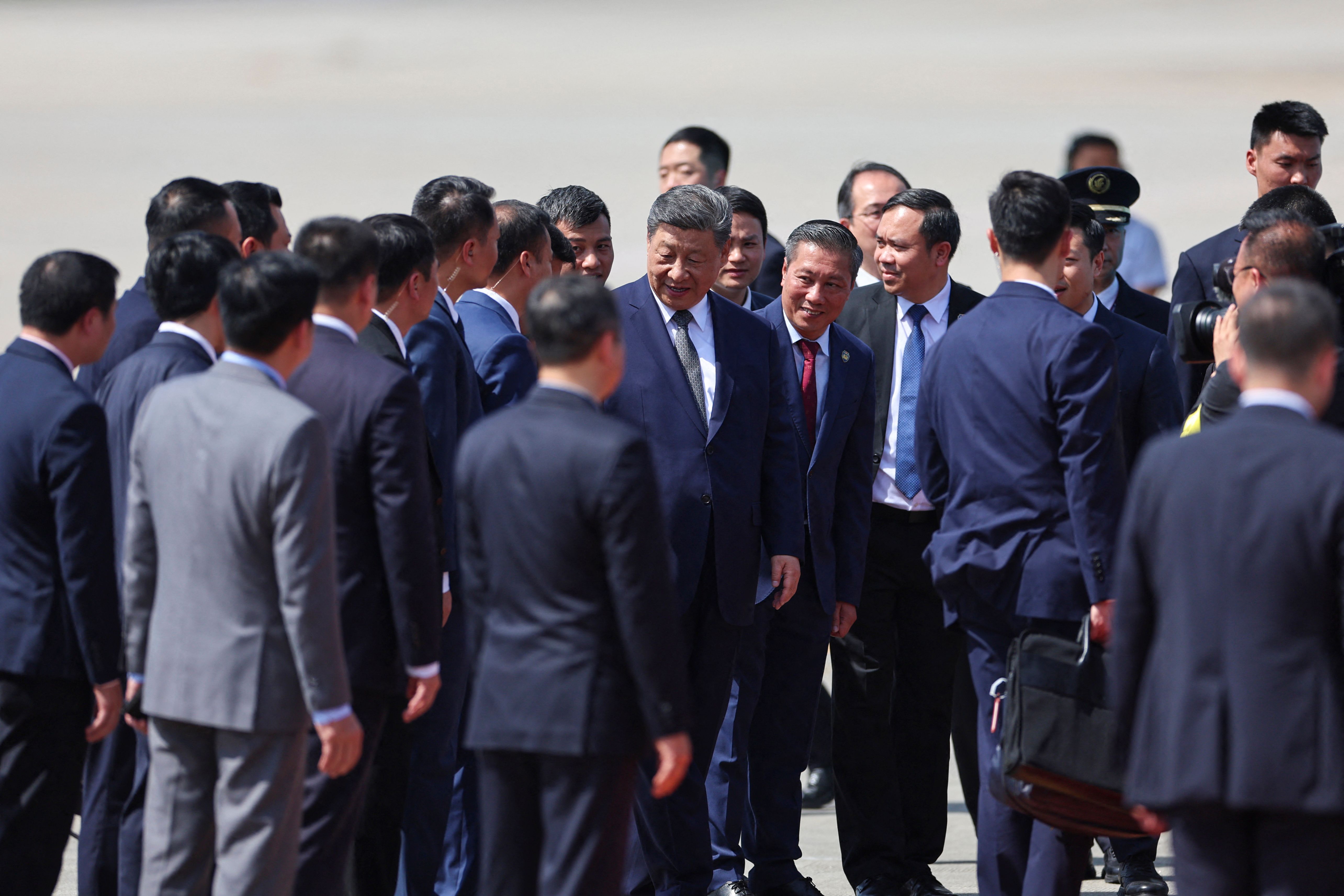
    A Second Trump Term: Will Southeast Asia Tilt Toward China?

    Tapping our network of China experts in the region, Carnegie China offers this latest “China Through a Southeast Asian Lens” report to offer preliminary assessments of whether the U.S. effort to reshape the global trading order will lead countries in the region to tilt toward Beijing. 
      • +6

      Selina Ho, Khin Khin Kyaw Kyee, Joseph Ching Velasco, …
  • Research
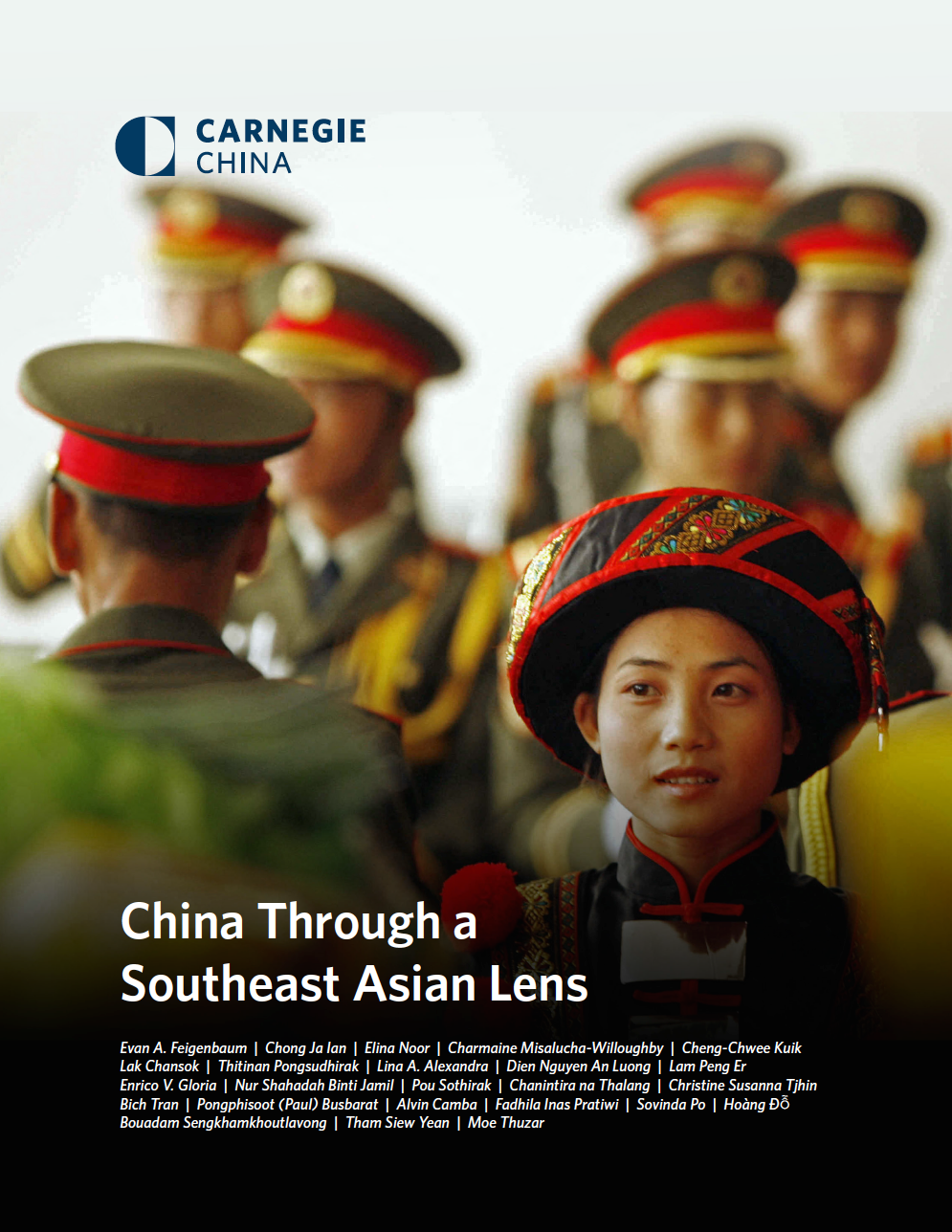
    China Through a Southeast Asian Lens

    Because strategic, economic, and ideological perceptions of China contain multiple, sometimes contradictory facets in Southeast Asia, receptions of and responses to Beijing diverge across and within state lines.


      Evan A. Feigenbaum, Chong Ja Ian, Elina Noor

  • Article
    Northeast Asia Is for Deterrence and Southeast Asia Is (Mostly) for Freeriding: Appreciating Divergent East Asian Approaches to Order, Uncertainty, and Contestation

    Most Southeast Asian states behave as if the actions of their Northeast Asian neighbors and the Philippines will be sufficient to maintain a regional status quo from which they can benefit.

      Chong Ja Ian

Get more news and analysis from
Carnegie China
Carnegie China logo, white
Keck Seng Tower133 Cecil Street #10-01ASingapore, 069535
  • Research
  • About
  • Experts
  • Events
  • Contact
  • Careers
  • Privacy
  • For Media
Get more news and analysis from
Carnegie China
© 2026 Carnegie Endowment for International Peace. All rights reserved.