• Commentary
  • Research
  • Experts
  • Events
Carnegie China logoCarnegie lettermark logo
{
  "authors": [
    "Marwan Muasher"
  ],
  "type": "legacyinthemedia",
  "centerAffiliationAll": "dc",
  "centers": [
    "Carnegie Endowment for International Peace",
    "Malcolm H. Kerr Carnegie Middle East Center"
  ],
  "collections": [
    "Arab Awakening"
  ],
  "englishNewsletterAll": "menaTransitions",
  "nonEnglishNewsletterAll": "",
  "primaryCenter": "Carnegie Endowment for International Peace",
  "programAffiliation": "MEP",
  "programs": [
    "Middle East"
  ],
  "projects": [],
  "regions": [
    "North Africa",
    "Egypt"
  ],
  "topics": [
    "Political Reform"
  ]
}
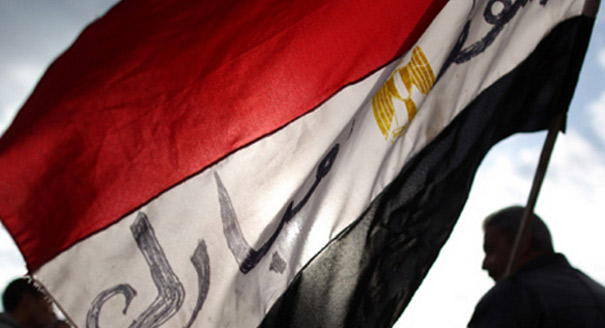
Source: Getty

In The Media

The Danger of Half Steps

It is important for the United States to support a real and sustained transition to democracy without appearing to interfere in Egypt’s domestic affairs or being sidetracked by the current regime’s piecemeal reform efforts.

Link Copied
By Marwan Muasher
Published on Feb 7, 2011

Source: New York Times

The Danger of Half StepsWith protests entering their third week in the Egyptian streets, the government is offering new concessions in the hope of easing the unprecedented crisis. Many protesters seem unwilling, however, to give up their demand for President Mubarak’s immediate departure.

No one — including the protesters — wants a leadership vacuum in the coming months, but the people in the streets want to know that the reforms necessary to tackle Egypt’s democratic deficit will be carried out if they go home. While the protesters are interested in an orderly transition, they are also concerned about the seriousness of the current regime in implementing the needed reforms, including whether they will move forward with a new election law, amending the constitution, and dissolving the parliament.
 
Judging by the Egyptian government’s concessions in the last few days, it looks like the regime is trying to do just enough to buy more time. Rather than taking the steps necessary to fundamentally alter the structure of the political system, the government is suggesting piecemeal reform with sporadic steps.
 
But the protesters won’t be satisfied without real change and the United States shouldn’t be either.
 
The unrest in Egypt caught the United States by surprise and the Obama administration has been forced to play catch up to get ahead of the curve. As the events unfolded, U.S. officials needed to not only distance themselves from Mubarak, but also express support for a real and immediate move toward democracy.
 
It is difficult for the Obama administration to identify a precise time for Mubarak’s exit without appearing to be interfering in Egypt’s domestic affairs. Washington, however, has made its views clear — both privately and publicly — that it expects Mubarak to go, but the timing is up to the Egyptians. This is how it should be.
 
Whether Mubarak is ousted today or in a few months, Washington needs to support a real and sustained transition to democracy that begins now. The important thing for the United States is to support a serious political reform process that moves Egypt down the road to democracy without being sidetracked by half steps.

About the Author

Marwan Muasher

Vice President for Studies

Marwan Muasher is vice president for studies at Carnegie, where he oversees research in Washington and Beirut on the Middle East. Muasher served as foreign minister (2002–2004) and deputy prime minister (2004–2005) of Jordan, and his career has spanned the areas of diplomacy, development, civil society, and communications.

    Recent Work

  • Commentary
    Bombing Campaigns Do Not Bring About Democracy. Nor Does Regime Change Without a Plan.

      Marwan Muasher

  • Other
    Unpacking Trump’s National Security Strategy
      • Cecily Brewer
      • +18

      James M. Acton, Saskia Brechenmacher, Cecily Brewer, …

Marwan Muasher
Vice President for Studies
Marwan Muasher
Political ReformNorth AfricaEgypt

Carnegie does not take institutional positions on public policy issues; the views represented herein are those of the author(s) and do not necessarily reflect the views of Carnegie, its staff, or its trustees.
More Work from Carnegie China

  • Commentary
    China’s Rising Influence in the Middle East

    Transactional relationships are stable but can be shallow.

      • +1

      Paul Haenle, Maha Yahya, Benjamin Ho, …

  • Commentary
    What the Russian War in Ukraine Means for the Middle East

    It’s about managing oil prices, bread prices, and strategic partnerships.

      • +8

      Amr Hamzawy, Karim Sadjadpour, Aaron David Miller, …
  • Commentary
    A Message to the Carnegie Endowment Community

    The murder of George Floyd has underscored the deep inequities that have long plagued American society. In a note to the Carnegie community, Bill Burns reflects on Carnegie’s commitment to build a more just future here at home and around the world, without which peace will remain beyond our grasp.
      William J. Burns
  • Commentary
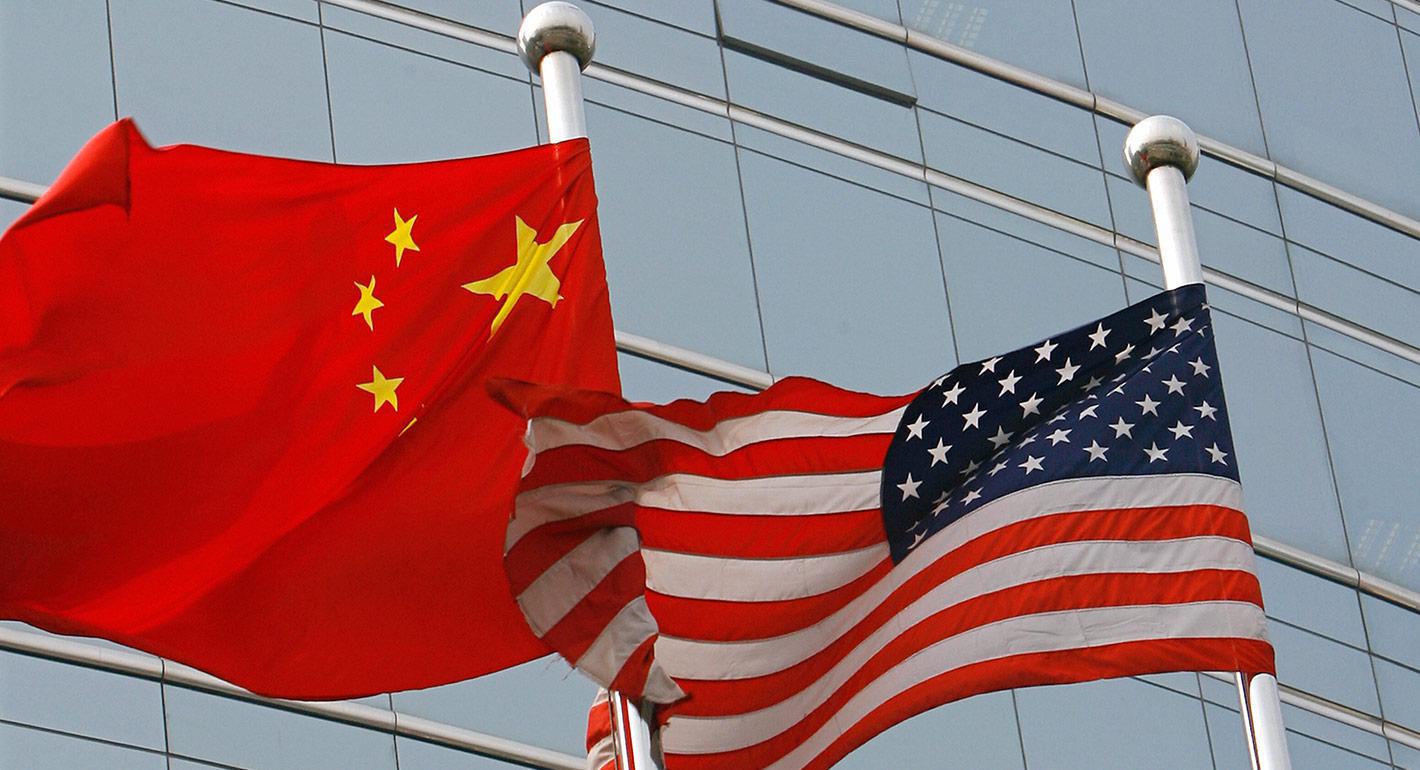
    U.S., China Should Pursue Peace, Not Military Brinkmanship

    While the world hoped this pandemic might lead to more cooperation between these two great powers, American and Chinese leaders instead fell into a blame game and allowed their increasing suspicions to guide their decision-making.

      Lyu Jinghua
  • Commentary
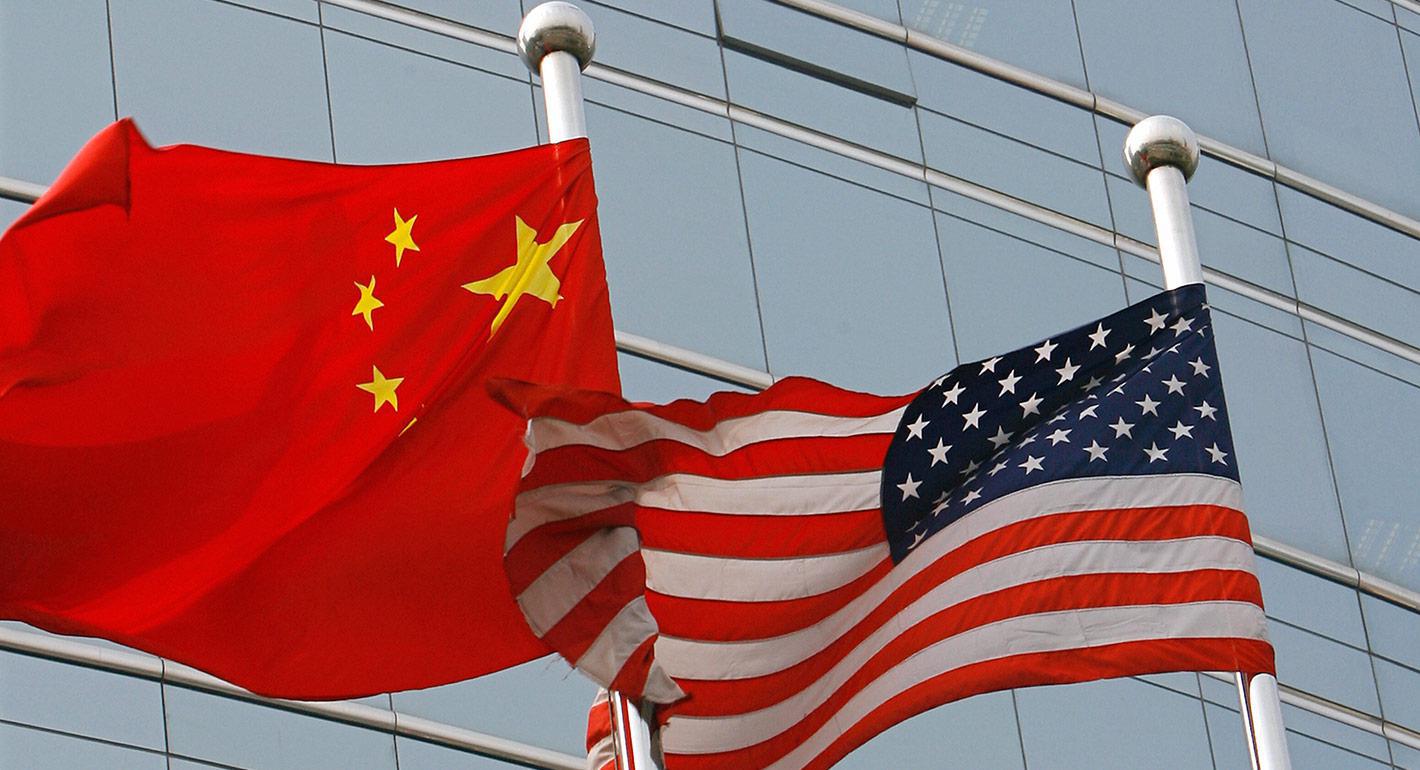
    Travails of an Interconnected World: From Pandemics to the Digital Economy

    Biological viruses and computer malware differ in important respects. They have considerable potential to spread widely, invading, disrupting and destroying their targets.
      Ariel (Eli) Levite, Lyu Jinghua

Get more news and analysis from
Carnegie China
Carnegie China logo, white
Keck Seng Tower133 Cecil Street #10-01ASingapore, 069535
  • Research
  • About
  • Experts
  • Events
  • Contact
  • Careers
  • Privacy
  • For Media
Get more news and analysis from
Carnegie China
© 2026 Carnegie Endowment for International Peace. All rights reserved.