

Commentary
But their "principal to principal" model will only be as effective as the political strength of each leader back home.
Damien Ma
{
  "authors": [],
  "type": "pressRelease",
  "centerAffiliationAll": "dc",
  "centers": [
    "Carnegie Endowment for International Peace"
  ],
  "collections": [
    "U.S. Nuclear Policy"
  ],
  "englishNewsletterAll": "ctw",
  "nonEnglishNewsletterAll": "",
  "primaryCenter": "Carnegie Endowment for International Peace",
  "programAffiliation": "NPP",
  "programs": [
    "Nuclear Policy"
  ],
  "projects": [],
  "regions": [
    "North America",
    "United States",
    "Caucasus",
    "Russia"
  ],
  "topics": [
    "Nuclear Policy"
  ]
}
REQUIRED IMAGE
President Obama has identified the goal of creating the conditions that would allow for deep reductions in nuclear arsenals. In a report released at the 2011 Carnegie International Nuclear Policy Conference, James M. Acton lays out a detailed policy agenda to reduce U.S. and Russian stockpiles.
WASHINGTON—President Obama has identified the goal of creating the conditions that would allow for deep reductions in nuclear arsenals. In a report released today at the 2011 Carnegie International Nuclear Policy Conference, James M. Acton lays out a detailed policy agenda to reduce U.S. and Russian stockpiles by a factor of ten—to 500 nuclear warheads each—and those of other nuclear-armed states to no more than half that number. To do so, Washington must follow a practical and multi-pronged approach.
Policy recommendations:
"While cutting the number of nuclear weapons so significantly is a formidable challenge, the United States, Russia, and other nations can do much in the short term to advance this goal," Acton writes. "Washington should lead this process to ensure that it at least gets started."
NOTES
Click here to read the full report.
James M. Acton is an associate in the Nuclear Policy Program at the Carnegie Endowment. A physicist by training, Acton specializes in nonproliferation, deterrence, and disarmament.
The Carnegie Nuclear Policy Program is an internationally acclaimed source of expertise and policy thinking on nuclear industry, nonproliferation, security, and disarmament. Its multinational staff stays at the forefront of nuclear policy issues in the United States, Russia, China, Northeast Asia, South Asia, and the Middle East.
Press Contact: Karly Schledwitz, +1 202 939 2233, pressoffice@ceip.org
Carnegie does not take institutional positions on public policy issues; the views represented herein are those of the author(s) and do not necessarily reflect the views of Carnegie, its staff, or its trustees.

But their "principal to principal" model will only be as effective as the political strength of each leader back home.

Damien Ma

U.S. unpredictability has allowed China to capitalize on its positioning as the “responsible great power”. Paradoxically, the more China wins the perception game, the more likely expectations will rise for Beijing to deliver not just words but to demonstrate with its deeds.

Chong Ja Ian

For Malaysia, the conjunction that works is “and” not “or” when it comes to the United States and China.

Elina Noor

Regulation, not embargo, allows Beijing to shape how other countries and firms adapt to its terms.
Alvin Camba
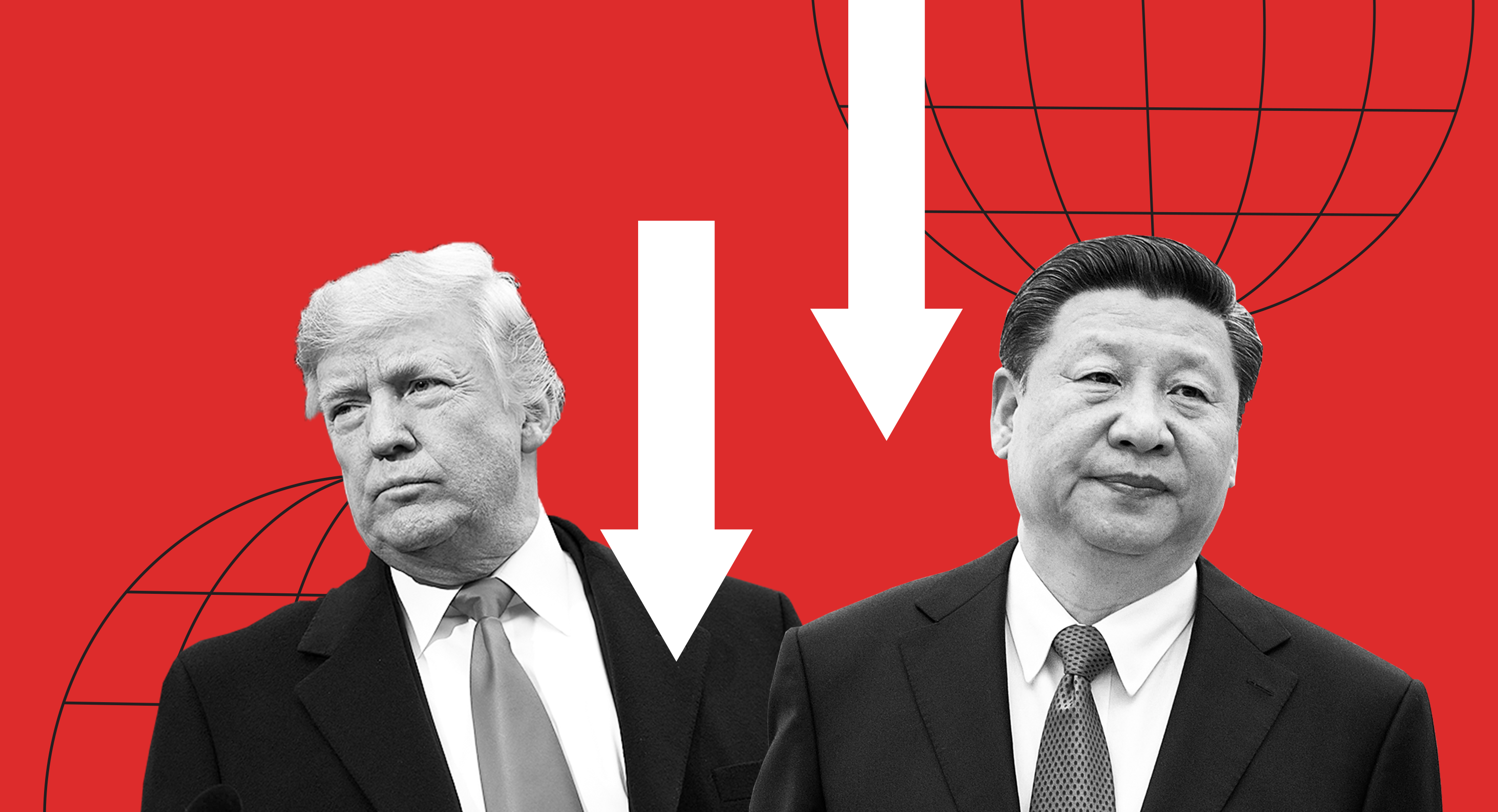
Beijing believes that Washington is overestimating its own leverage and its ability to handle the trade war’s impacts.


Rick Waters, Sheena Chestnut Greitens