• Commentary
  • Research
  • Experts
  • Events
Carnegie China logoCarnegie lettermark logo
{
  "authors": [
    "Lahcen Achy"
  ],
  "type": "legacyinthemedia",
  "centerAffiliationAll": "",
  "centers": [
    "Carnegie Endowment for International Peace",
    "Malcolm H. Kerr Carnegie Middle East Center"
  ],
  "collections": [],
  "englishNewsletterAll": "",
  "nonEnglishNewsletterAll": "",
  "primaryCenter": "Malcolm H. Kerr Carnegie Middle East Center",
  "programAffiliation": "",
  "programs": [],
  "projects": [],
  "regions": [],
  "topics": [
    "Economy"
  ]
}
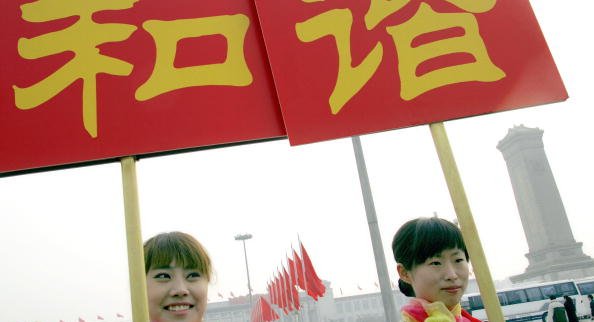
Source: Getty

In The Media
Malcolm H. Kerr Carnegie Middle East Center

Big Question: Paths Out of the Wilderness

Political stability, democratic governance, and human-rights protections are key ingredients of any forward-looking strategy to spur and sustain economic recovery.

Link Copied
By Lahcen Achy
Published on Mar 29, 2011

Source: World Policy Institute

Big Question: Paths Out of the Wilderness
The international financial crisis showed that the actions of a few individuals can have quite detrimental global effects. Russia’s decision to ban exports of wheat last summer led to a price-hike in international markets and created food-security concerns. The absence of social safety nets in China leads to excessive saving and hurts the U.S. economy by discouraging spending on imports. Win-win solutions—sustaining the economic recovery while creating more resilient societies—will require policymakers to understand their interdependence and implement regional and international partnerships to address it.
 
 These partnerships will need to go beyond basic economic-growth objectives and work on improving standards of living through education, employment, justice, freedom of expression, and political participation. Ensuring social security reinforces identity and creates a sense of belonging to a community, reducing the risk of uprisings that could threaten the recovery. Political stability, democratic governance, and human-rights protections are key ingredients of any forward-looking strategy to spur and sustain economic recovery.

About the Author

Lahcen Achy

Former Nonresident Senior Associate, Middle East Center

Achy is an economist with expertise in development, institutional economics, trade, and labor and a focus on the Middle East and North Africa.

    Recent Work

  • In The Media
    Arab States Need Industrial Policy Reform

      Lahcen Achy

  • Paper
    The Price of Stability in Algeria

      Lahcen Achy

Lahcen Achy
Former Nonresident Senior Associate, Middle East Center
Lahcen Achy
Economy

Carnegie does not take institutional positions on public policy issues; the views represented herein are those of the author(s) and do not necessarily reflect the views of Carnegie, its staff, or its trustees.

More Work from Carnegie China

  • Xi walking into a room with people standing and applauding around him
    Commentary
    Emissary
    The Xi Doctrine Zeros in on “High-Quality Development” for China’s Economic Future

    In the latest Five-Year Plan, the Chinese president cements the shift to an innovation-driven economy over a consumption-driven one.

      • Damien Ma

      Damien Ma

  • Commentary
    How China’s Growth Model Determines Its Climate Performance

    Rather than climate ambitions, compatibility with investment and exports is why China supports both green and high-emission technologies.

      Mathias Larsen
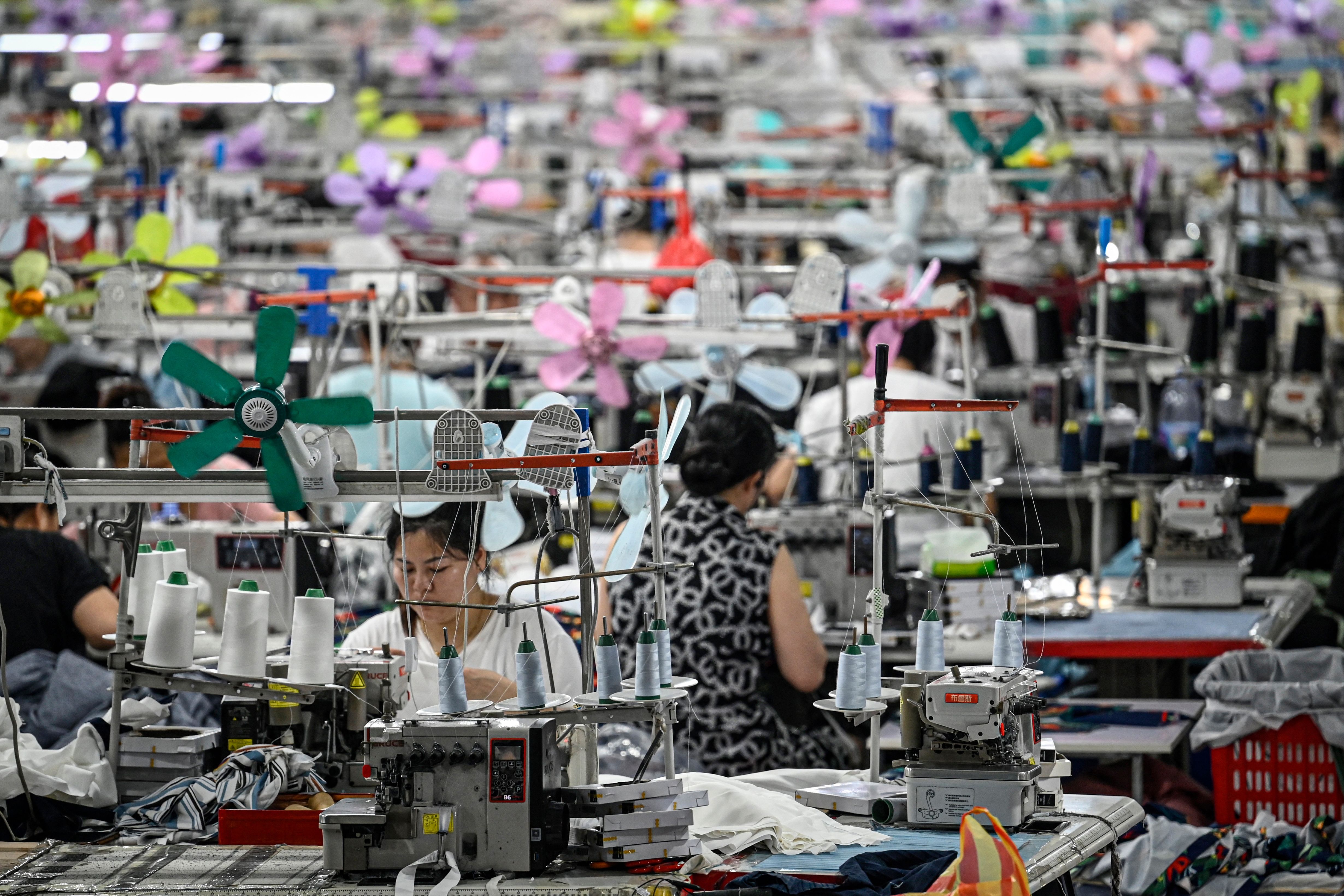
  • Overproduction in China
    Commentary
    What’s New about Involution?

    “Involution” is a new word for an old problem, and without a very different set of policies to rein it in, it is a problem that is likely to persist.

      Michael Pettis

  • Commentary
    The Chinese Investment Riddle: What Cities Reveal

    While China's investment story seems contradictory from the outside, the real answers to Beijing's high-quality growth ambitions are hiding in plain sight across the nation's cities.

      Yuhan Zhang
  • Commentary
    Using China’s Central Government Balance Sheet to “Clean up” Local Government Debt Is a Bad Idea

    China's stimulus addiction cannot go on forever. Beijing still has policy space to clean up the country's massive debt issue, but time is running short.

      Michael Pettis

Get more news and analysis from
Carnegie China
Carnegie China logo, white
Keck Seng Tower133 Cecil Street #10-01ASingapore, 069535Phone: +65 9650 7648
  • Research
  • About
  • Experts
  • Events
  • Contact
  • Careers
  • Privacy
  • For Media
Get more news and analysis from
Carnegie China
© 2026 Carnegie Endowment for International Peace. All rights reserved.