

Commentary
Nikolay Petrov
{
  "authors": [
    "Nikolay Petrov"
  ],
  "type": "other",
  "centerAffiliationAll": "",
  "centers": [
    "Carnegie Endowment for International Peace",
    "Carnegie Russia Eurasia Center"
  ],
  "collections": [],
  "englishNewsletterAll": "",
  "nonEnglishNewsletterAll": "",
  "primaryCenter": "Carnegie Russia Eurasia Center",
  "programAffiliation": "",
  "programs": [],
  "projects": [],
  "regions": [],
  "topics": []
}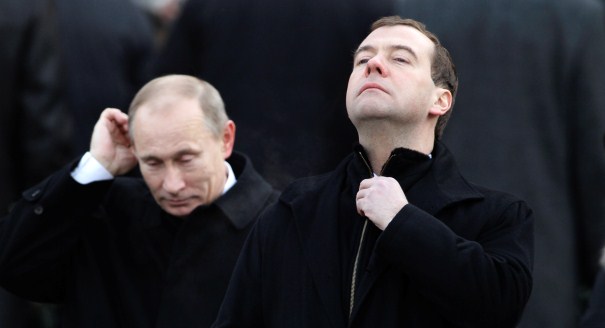
Source: Getty
Putin’s Russia—which raised living standards, increased political apathy, and led to sovereign democracy—is over. As parliamentary and presidential elections approach, long-simmering social, economic, and political disputes are spilling into the open, and public politics are returning to the fore.
As Russia’s parliamentary and presidential elections approach, long-simmering social, economic, and political disputes are spilling into the open, and public politics are returning to the fore. Uncertainty about the country’s future is also increasing, prompting both people and capital to flee the country. In a new Briefing, Nikolay Petrov highlights the challenges facing Russia and finds the country moving away from the policies that have governed it for the last decade.
Petrov argues that Putin’s Russia—which raised living standards, increased political apathy, and led to sovereign democracy—is over. Whatever era comes next, regardless of who is president, it will inevitably be very different.
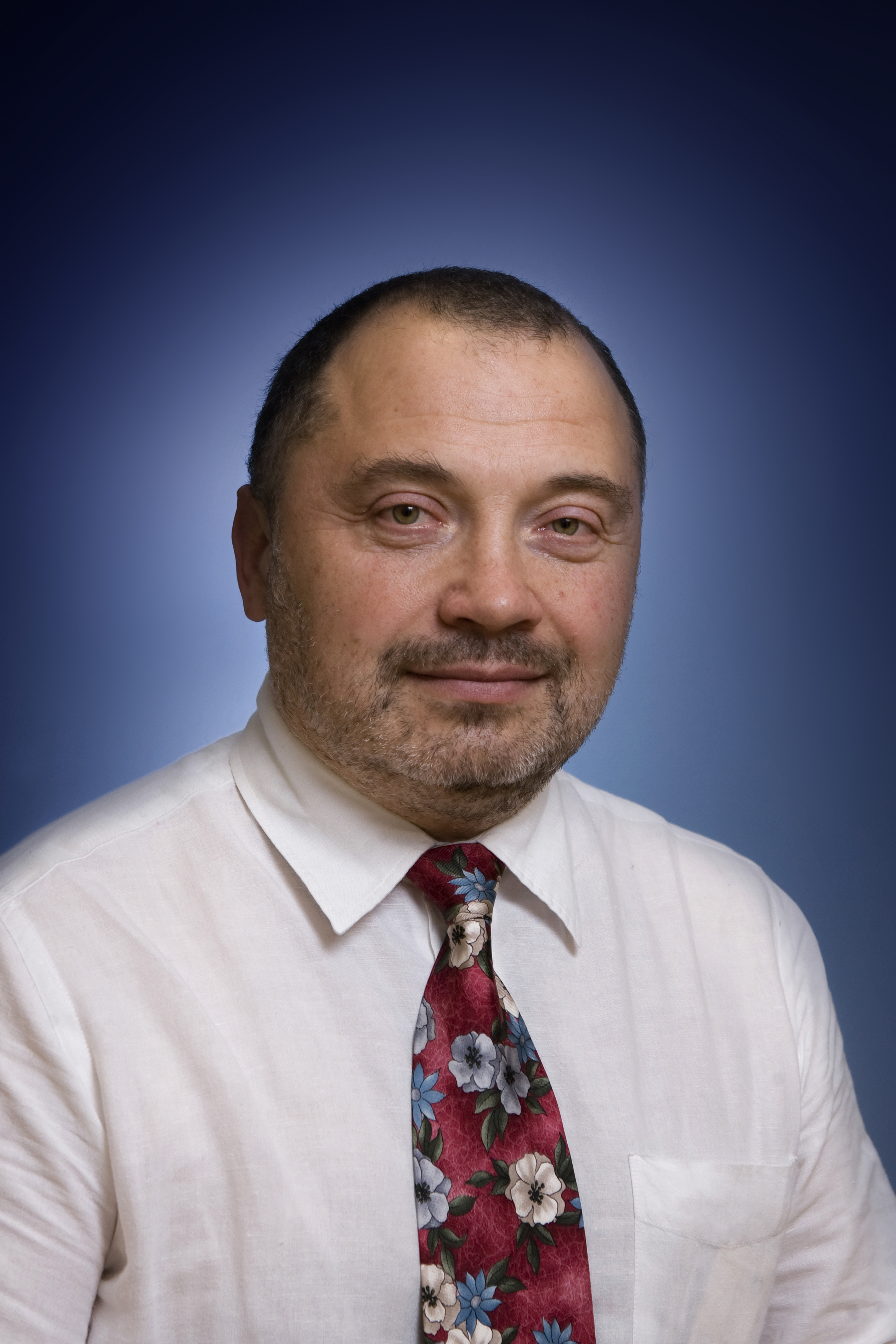
Former Scholar-in-Residence, Society and Regions Program, Moscow Center
Nikolay Petrov was the chair of the Carnegie Moscow Center’s Society and Regions Program. Until 2006, he also worked at the Institute of Geography at the Russian Academy of Sciences, where he started to work in 1982.
Recent Work
Nikolay Petrov
Nikolay Petrov
Carnegie does not take institutional positions on public policy issues; the views represented herein are those of the author(s) and do not necessarily reflect the views of Carnegie, its staff, or its trustees.