• Commentary
  • Research
  • Experts
  • Events
Carnegie China logoCarnegie lettermark logo
{
  "authors": [
    "James M. Acton"
  ],
  "type": "other",
  "centerAffiliationAll": "dc",
  "centers": [
    "Carnegie Endowment for International Peace",
    "Carnegie Russia Eurasia Center",
    "Carnegie China"
  ],
  "collections": [
    "U.S. Nuclear Policy"
  ],
  "englishNewsletterAll": "ctw",
  "nonEnglishNewsletterAll": "",
  "primaryCenter": "Carnegie Endowment for International Peace",
  "programAffiliation": "NPP",
  "programs": [
    "Nuclear Policy"
  ],
  "projects": [],
  "regions": [
    "North America",
    "United States",
    "Caucasus",
    "Russia"
  ],
  "topics": [
    "Nuclear Policy",
    "Arms Control"
  ]
}

Source: Getty

Other

Getting STARTed: Short-Term Steps to Advance the Long-Term Goal of Deep Nuclear Reductions

The next round of U.S.- Russia arms control presents some truly daunting challenges but there is much that the Obama administration could do in the remainder of its first term to lay the groundwork for another treaty while reducing nuclear risks.

Link Copied
By James M. Acton
Published on Jul 7, 2011
The next round of U.S.-Russia arms control presents some truly daunting challenges. Realistically, another arms reduction treaty is likely to be out of reach for the Obama administration, even if it wins a second term. Fortunately, there is much that it could do in the remainder of its first term—unilaterally, bilaterally, and multilaterally—to lay the groundwork for another treaty while reducing nuclear risks. To this end, the administration should:
  • Secure presidential involvement in the ongoing U.S. targeting review;
  • Publicly challenge Russia to engage on tactical nuclear weapons;
  • Design a single-warhead intercontinental ballistic missile to replace Minuteman III;
  • Identify a clear military goal for ballistic missile defense cooperation;
  • Prepare the domestic ground for counting all Conventional Prompt Global Strike systems as nuclear-armed in future arms control agreements;
  • Pursue non-binding confidence-building measures on conventional cruise missiles;
  • Restart reciprocal transparency visits to nuclear-weapon production complexes; and
  • Engage other nuclear-weapon states.
Further reductions can ultimately be achieved only if other states choose to play their parts. Yet, by putting constructive proposals on the table, the United States stands to gain whether or not international cooperation is forthcoming. If other states do engage, the United States will have succeeded in starting the long process toward a world with far fewer nuclear weapons; if they do not, it will be clear to the international community that the real barriers to progress in disarmament do not lie in Washington.

About the Author

James M. Acton

Jessica T. Mathews Chair, Co-director, Nuclear Policy Program

Acton holds the Jessica T. Mathews Chair and is co-director of the Nuclear Policy Program at the Carnegie Endowment for International Peace.

    Recent Work

  • Other
    Unpacking Trump’s National Security Strategy
      • Cecily Brewer
      • +18

      James M. Acton, Saskia Brechenmacher, Cecily Brewer, …

  • Commentary
    Trump Has an Out on Nuclear Testing. He Should Take It.

      James M. Acton

James M. Acton
Jessica T. Mathews Chair, Co-director, Nuclear Policy Program
James M. Acton
Nuclear PolicyArms ControlNorth AmericaUnited StatesCaucasusRussia

Carnegie does not take institutional positions on public policy issues; the views represented herein are those of the author(s) and do not necessarily reflect the views of Carnegie, its staff, or its trustees.
More Work from Carnegie China

  • Commentary
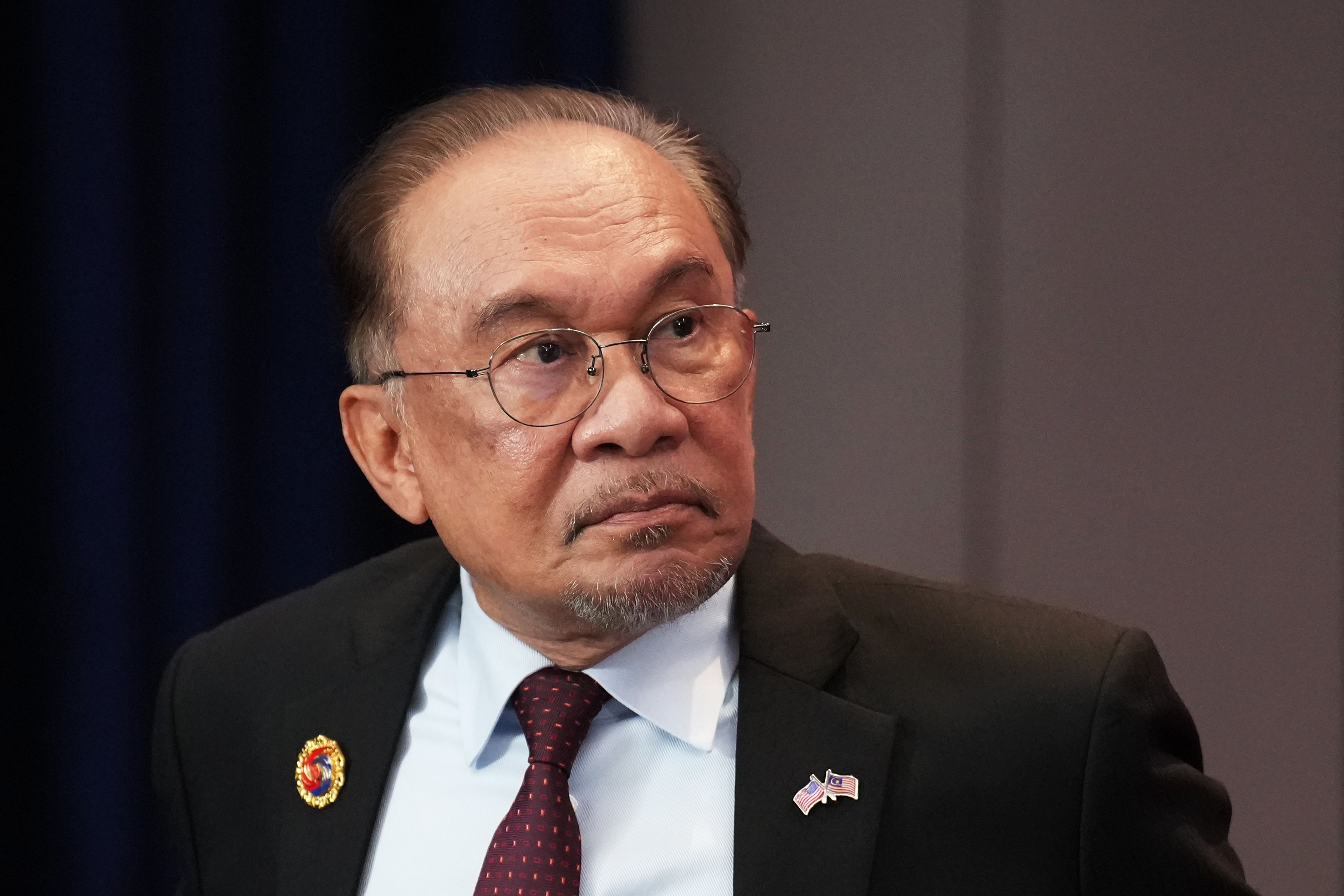
    When It Comes to Superpower Geopolitics, Malaysia Is Staunchly Nonpartisan

    For Malaysia, the conjunction that works is “and” not “or” when it comes to the United States and China.

      Elina Noor

  • Commentary
    Today’s Rare Earths Conflict Echoes the 1973 Oil Crisis — But It’s Not the Same

    Regulation, not embargo, allows Beijing to shape how other countries and firms adapt to its terms.
      Alvin Camba
  • Trump and Xi on a red background
    Commentary
    Emissary
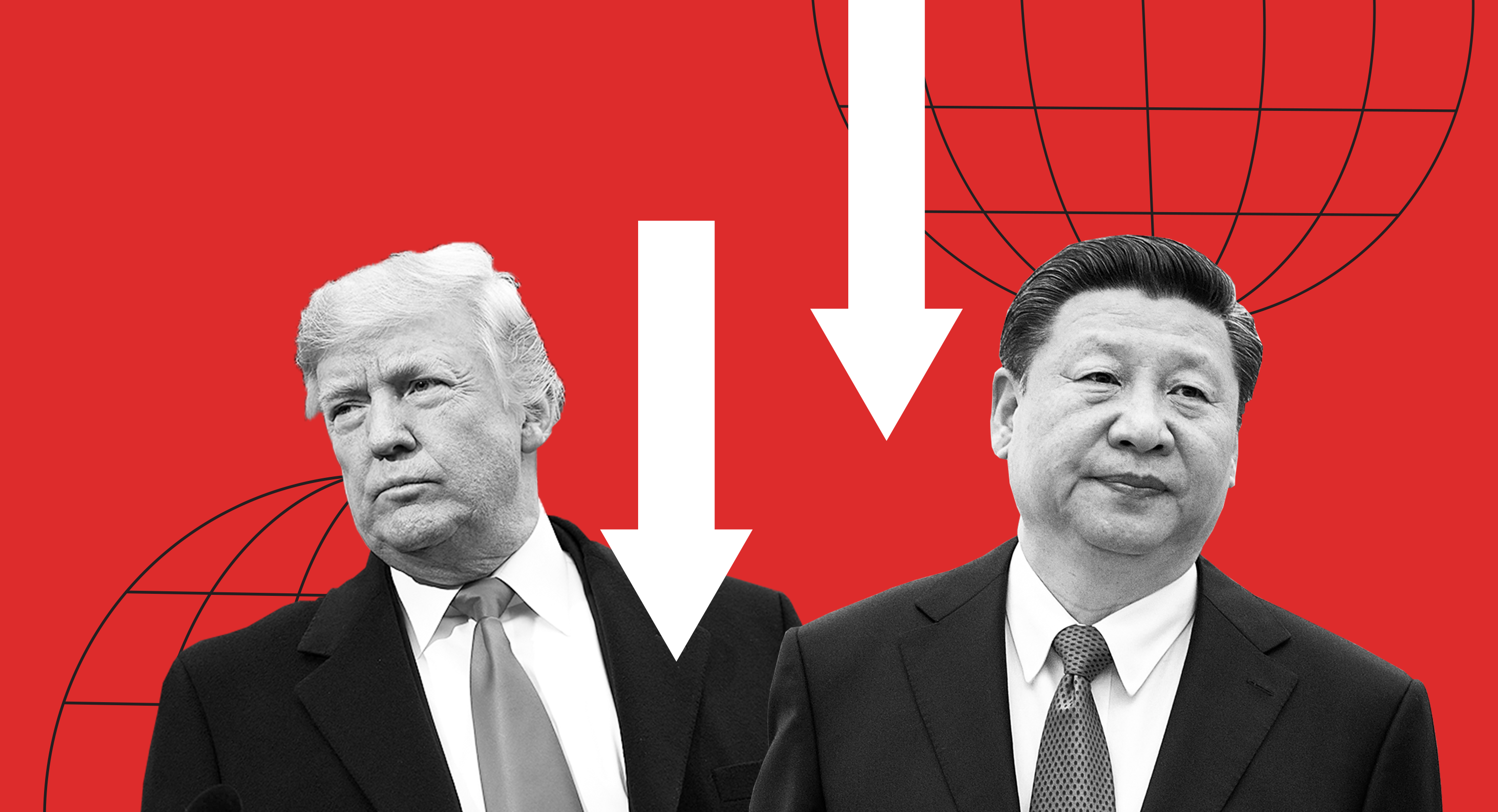
    China Is Determined to Hold Firm Against Trump’s Pressure

    Beijing believes that Washington is overestimating its own leverage and its ability to handle the trade war’s impacts. 

      • Sheena Chestnut Greitens

      Rick Waters, Sheena Chestnut Greitens
  • Commentary
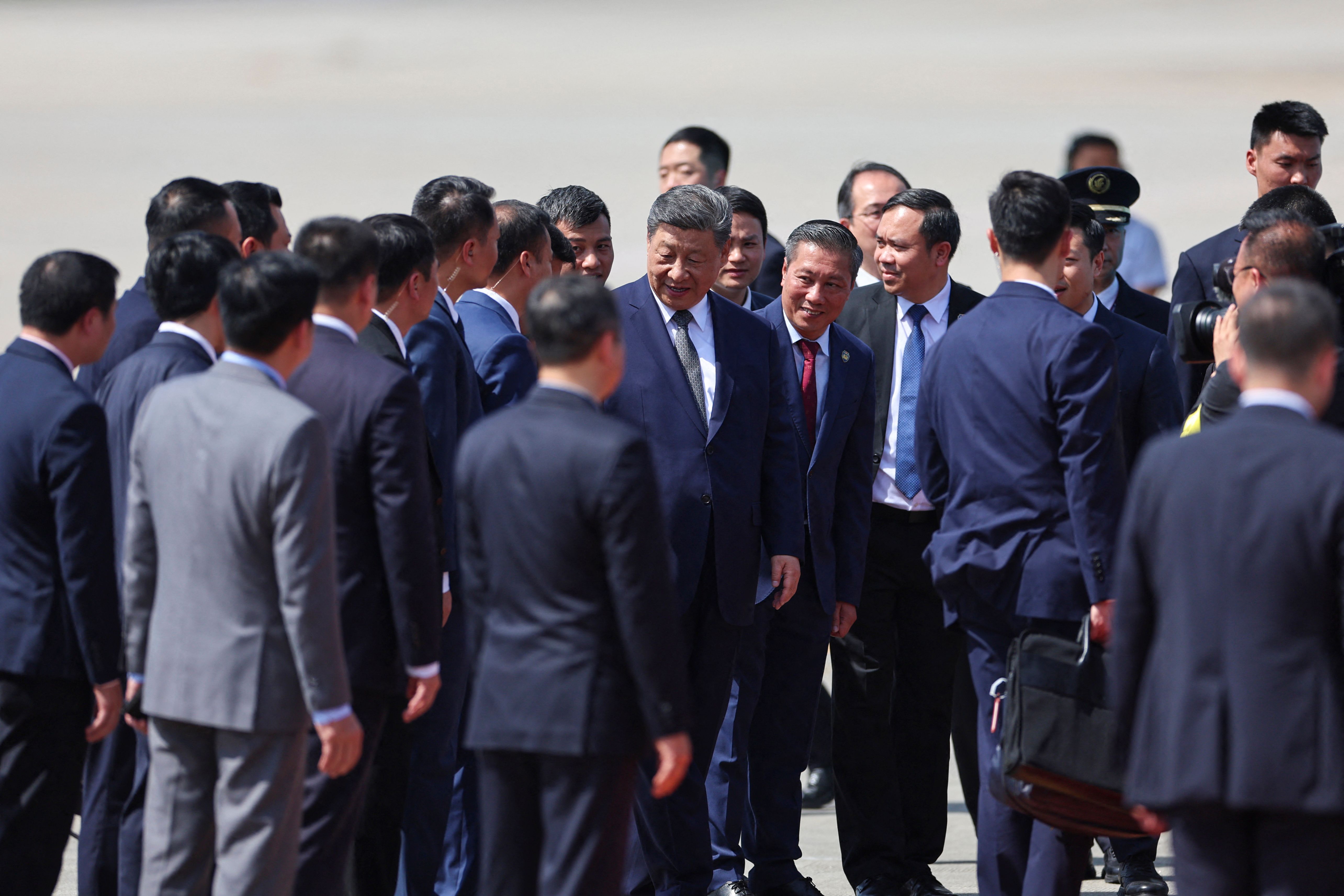
    A Second Trump Term: Will Southeast Asia Tilt Toward China?

    Tapping our network of China experts in the region, Carnegie China offers this latest “China Through a Southeast Asian Lens” report to offer preliminary assessments of whether the U.S. effort to reshape the global trading order will lead countries in the region to tilt toward Beijing. 

      • +6

      Selina Ho, Khin Khin Kyaw Kyee, Joseph Ching Velasco, …
  • Commentary
    Is China Willing to Influence Russia on the Ukraine War?

    Beijing is trying to navigate the overall situation regarding Ukraine, especially the substance of interactions between Washington and Moscow.

      • Ellen Nakashima
      • Zhao Long
      • +1

      Ellen Nakashima, Zhao Long, Pavlo Klimkin, …

Get more news and analysis from
Carnegie China
Carnegie China logo, white
Keck Seng Tower133 Cecil Street #10-01ASingapore, 069535Phone: +65 9650 7648
  • Research
  • About
  • Experts
  • Events
  • Contact
  • Careers
  • Privacy
  • For Media
Get more news and analysis from
Carnegie China
© 2026 Carnegie Endowment for International Peace. All rights reserved.