

Commentary
Nikolay Petrov
{
  "authors": [
    "Nikolay Petrov"
  ],
  "type": "legacyinthemedia",
  "centerAffiliationAll": "",
  "centers": [
    "Carnegie Endowment for International Peace",
    "Carnegie Russia Eurasia Center"
  ],
  "collections": [],
  "englishNewsletterAll": "",
  "nonEnglishNewsletterAll": "",
  "primaryCenter": "Carnegie Russia Eurasia Center",
  "programAffiliation": "",
  "programs": [],
  "projects": [],
  "regions": [],
  "topics": []
}
Source: Getty
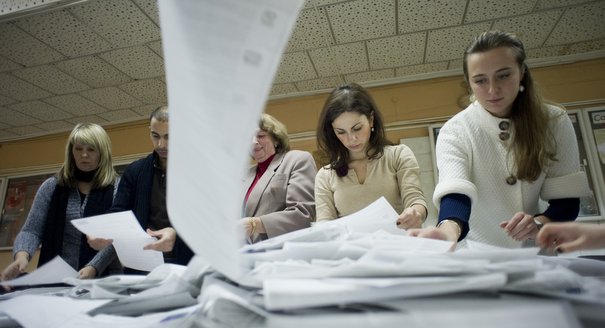
The United Russia primaries held across Russia show modest signs that the country’s political institutes are becoming more liberal and modern.
Source: The Moscow Times

Skeptics are also mistaken when they say there will be little change among United Russia governors and deputies. Even last time, before primaries had been introduced, about one-fourth of all United Russia incumbent governors and deputies did not participate. Primaries have only intensified the process of screening candidates and have made political competition within the party more public.
Indeed, there were several surprises, such as when incumbent deputies found themselves near the bottom of party lists as the result of political bargaining between regional and federal elites. This happened in the Kurgan, Novosibirsk and Ulyanovsk regions, in Tatarstan and elsewhere. For example, Duma Deputy Speaker Valery Yazev ranked 57th in the Sverdlovsk region and now plans to head the party list in Murmansk. Three deputies from the Buryatia and Volgograd regions pulled out of the primaries after the first round of voting.
Moreover, 20 relatively unpopular governors, and three not belonging to United Russia — Vladimir Governor Nikolai Vinogradov, Kirov Governor Nikita Belikh and Perm Governor Oleg Chirkunov — did not participate in the primaries at all. Another three from the Murmansk, Irkutsk and Magadan regions were eliminated during the elections. The governors of Kamchatka, Leningrad and Samara took second place in the primaries, and those in Karelia and Zabaikalsky placed third. As the primaries neared the end, officials announced that two-fifths of all governors would not head their party lists.
In Moscow, there appears at first to be many changes. Of the 15 or so deputies linked to former Mayor Yury Luzhkov, only two — United Russia members Andrei Isayev and Nikolai Gonchar — are likely to retain their seats. But the party list is still headed by Mayor Sergei Sobyanin and Lyudmila Shvetsova, deputy mayor for social programs.
There was also no shortage of scandals. Disputes arose in Perm, Oryol, Omsk, Primorye, Kostroma, Ulyanovsk and Irkutsk, demonstrating that, at least for the losers, these primaries were no idle game. Because the primaries lasted a full three weeks, candidates could react to the shifting realities as the process unfolded. At this point, it is difficult to draw any conclusions regarding the effects of those scandals, except that a number of candidates who were prohibited from registering were later reinstated. Also, a special commission was created in Moscow to deal with the conflicts, and the results of its deliberations will probably be reflected in the final candidate lists.
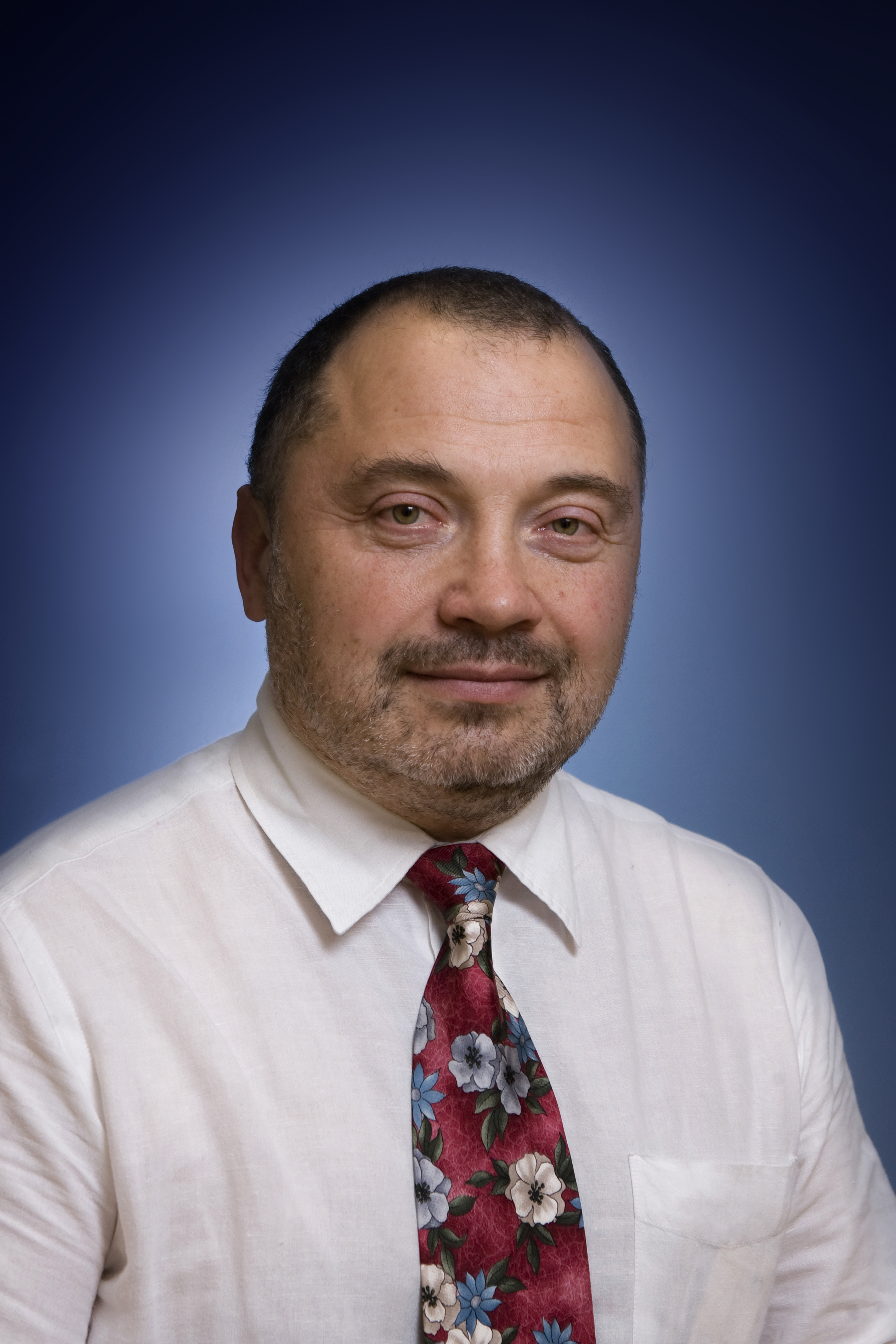
Former Scholar-in-Residence, Society and Regions Program, Moscow Center
Nikolay Petrov was the chair of the Carnegie Moscow Center’s Society and Regions Program. Until 2006, he also worked at the Institute of Geography at the Russian Academy of Sciences, where he started to work in 1982.
Recent Work
Nikolay Petrov
Nikolay Petrov
Carnegie does not take institutional positions on public policy issues; the views represented herein are those of the author(s) and do not necessarily reflect the views of Carnegie, its staff, or its trustees.