

In The Media
Lahcen Achy
{
  "authors": [
    "Lahcen Achy"
  ],
  "type": "legacyinthemedia",
  "centerAffiliationAll": "",
  "centers": [
    "Carnegie Endowment for International Peace",
    "Malcolm H. Kerr Carnegie Middle East Center"
  ],
  "collections": [
    "Arab Awakening"
  ],
  "englishNewsletterAll": "",
  "nonEnglishNewsletterAll": "",
  "primaryCenter": "Malcolm H. Kerr Carnegie Middle East Center",
  "programAffiliation": "",
  "programs": [],
  "projects": [],
  "regions": [
    "Maghreb",
    "Libya",
    "North Africa"
  ],
  "topics": [
    "Political Reform",
    "Economy"
  ]
}
Source: Getty
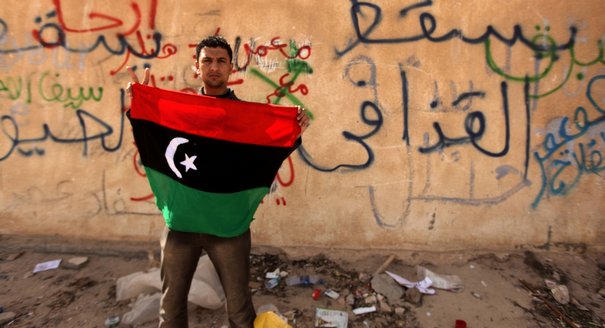
Libya still has a long way to go in order to meet the basic demands of its six million people, and its future largely depends on the ability of its new leaders to address a number of critical issues.
Source: Los Angeles Times

In the post-revolution era, Libya’s six million people are hoping for a better future after 42 years of a predatory and repressive regime. But they face tremendous political, economic and social challenges. Unlike in Tunisia or in Egypt, political structures and state institutions need to emerge from scratch. Libya's future depends on the ability of its new leaders to address seven critical issues.
First, Libyans have to face the human and economic cost of the six-month war and restore security and basic services throughout the country. Such moves will create confidence in the new government.
Second, the country needs to begin the process of creating a constitution that makes the government accountable to the Libyan people. Such a framework would need to define power sharing rules to overcome potential post-revolution conflicts between the country's two most powerful regions: Cyrenaica and Tripolitania. The framework will also need to mitigate center-periphery frictions by creating an institutional basis for a decentralized political system that promotes regional development. Most important is to ensure that regional and local institutions are offered adequate technical support and the fiscal resources to deliver services.
Third, Libya needs to successfully harness its oil resources and create a transparent system to prevent conflict over them. The energy sector accounts for 60% of the country's gross domestic product and more than 95% of the government's revenue. Poor management and a lack of checks and balances in the past limited the level of development in the country. The majority did not reap the benefits from the end of international sanctions in 2004. Kadafi’s own children and extended family seized most economic opportunities and amassed large fortunes. Better and more transparent management of Libya’s $168 billion of frozen assets, once released, will improve economic performance and create trust and confidence. In the medium term, Libya's oil sector faces a number of critical issues, including the pace and scope of investments in the sector.
Fourth, Libyans need to overcome the economic legacy of the past, characterized by an excessive reliance on oil revenue and an entrenched network of patronage. The former regime’s economic approach reflected Kadafi’s obsession with security and stability. The new leaders are likely to face stiff resistance from individuals and groups that benefited under the former regime.
Fifth, the country will need a comprehensive development strategy to encourage private-sector entrepreneurship. The Kadafi regime feared that an open and diversified economy would allow for new power centers not dependent on patronage. As in many countries where the state played an overwhelming role, the challenge is to reduce its own role for the benefit of private initiatives. The new Libya needs to provide sufficient guarantees for the private sector to flourish. Beyond macroeconomic stability, the country needs an effective bureaucracy that supports investors, a dynamic banking sector that ensures access to finance, a clear regulatory framework that protects property rights and prevents anti-competitive practices, an impartial judiciary system that enforces contracts, and adequate mechanisms to promote the social trust that has been lacking for more than four decades.
Sixth, Libya will have to address underlying problems in the labor sector. One-third of the country's primary school teachers and nurses on government payrolls are inactive but enjoy monthly salaries, creating an inefficient “welfare employment” situation. There is also massive over-employment in the banking, utility and hotel sectors. There is also a shortage of adequate education and training. Outside of top institutions like the national oil company and the central bank, the country lacks professional managers and exposure to international standards.
Seventh, the new government should mobilize opportunities for regional and international cooperation. The new government will need international support to set an economic recovery plan and begin implementing political and economic reforms. Such a plan, however, must involve local stakeholders and must reflect the realities of Libya’s situation — and not simply an approach that worked in other countries. And in light of the country's history and social fabric, Libyans could be skeptical of extended foreign presence in the country.
The end of Kadafi’s regime opens tremendous opportunities for the country’s future. The transition to achieving a better future for all Libyans, however, set off multiple challenges that should not be underestimated.
Former Nonresident Senior Associate, Middle East Center
Achy is an economist with expertise in development, institutional economics, trade, and labor and a focus on the Middle East and North Africa.
Recent Work
Lahcen Achy
Lahcen Achy
Carnegie does not take institutional positions on public policy issues; the views represented herein are those of the author(s) and do not necessarily reflect the views of Carnegie, its staff, or its trustees.

The Plaza Accord was not an externally imposed punishment of Japan but part of a broader restructuring that Japanese economists and policymakers themselves recognized was necessary. Its effects were undermined, however, when Tokyo responded to the resulting slowdown with policies that exacerbated investment, credit expansion, and the very imbalances the adjustment was intended to resolve.

Michael Pettis
China’s banking crisis in the 2000s was resolved by transferring the costs to households through financial repression—a decision that recapitalized the banks while exacerbating the structural imbalances that continue to shape the Chinese economy today.
Michael Pettis

In the latest Five-Year Plan, the Chinese president cements the shift to an innovation-driven economy over a consumption-driven one.

Damien Ma
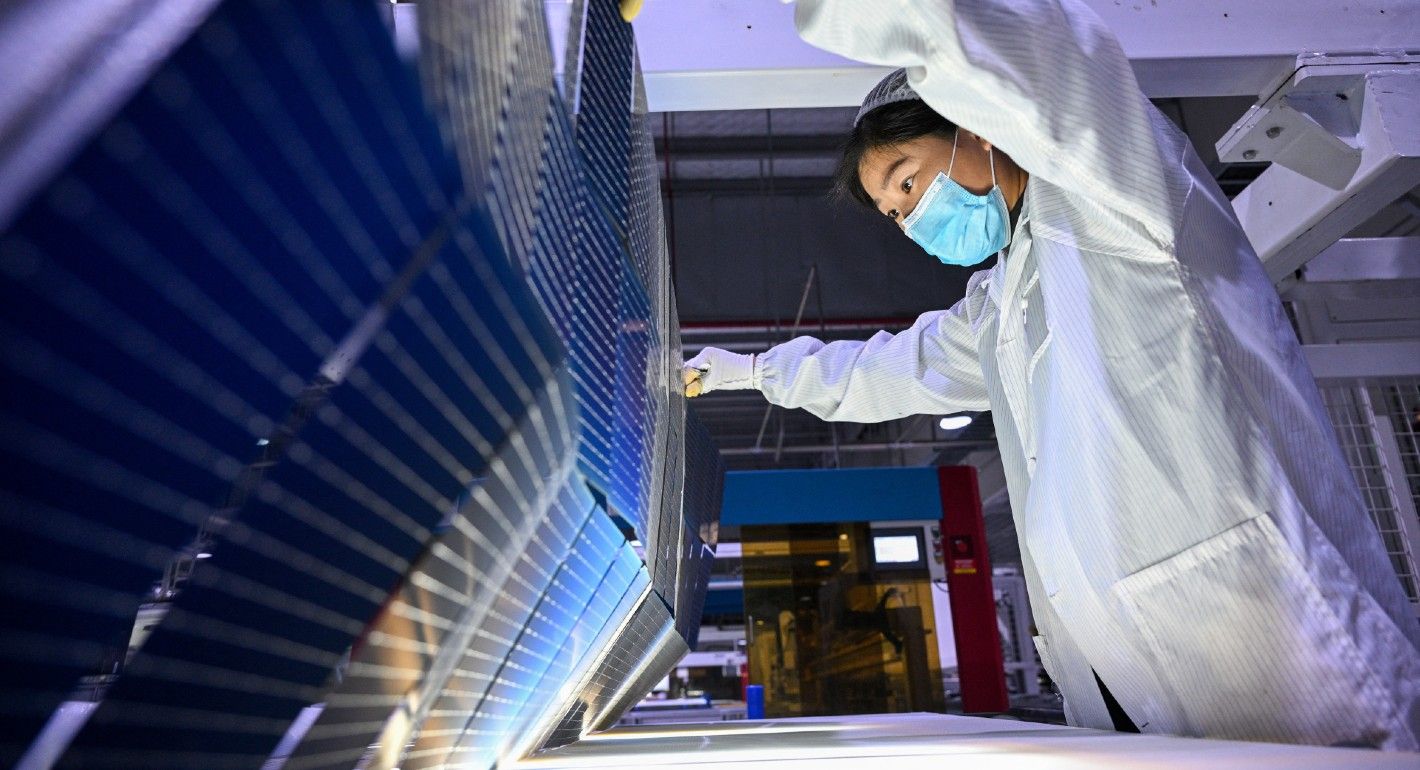
Rather than climate ambitions, compatibility with investment and exports is why China supports both green and high-emission technologies.

Mathias Larsen
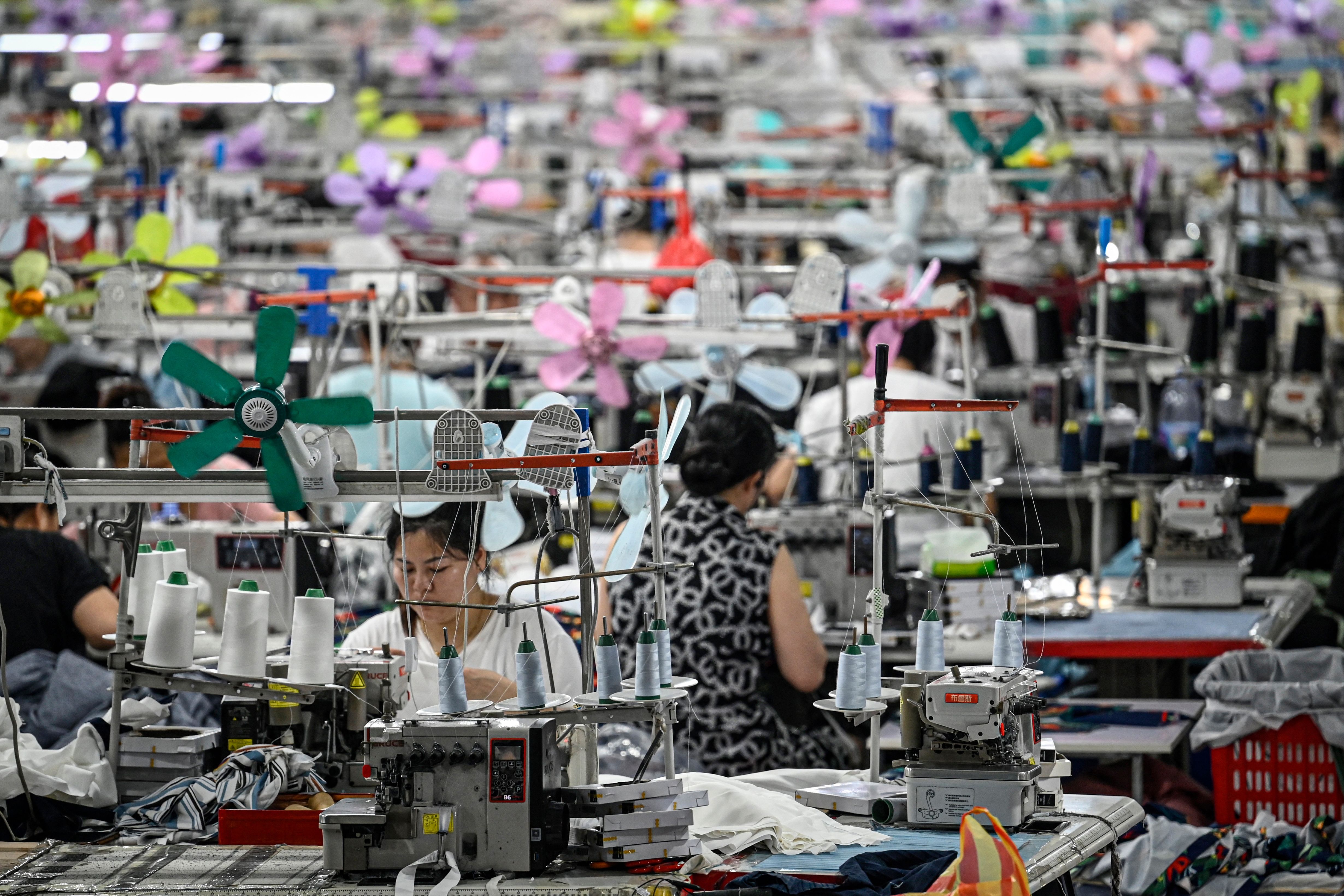
“Involution” is a new word for an old problem, and without a very different set of policies to rein it in, it is a problem that is likely to persist.
Michael Pettis