

Paper
Ibrahim Saif, Ahmed Ghoneim
{
  "authors": [
    "Ibrahim Saif"
  ],
  "type": "legacyinthemedia",
  "centerAffiliationAll": "",
  "centers": [
    "Carnegie Endowment for International Peace",
    "Malcolm H. Kerr Carnegie Middle East Center"
  ],
  "collections": [],
  "englishNewsletterAll": "",
  "nonEnglishNewsletterAll": "",
  "primaryCenter": "Malcolm H. Kerr Carnegie Middle East Center",
  "programAffiliation": "",
  "programs": [],
  "projects": [],
  "regions": [
    "Levant"
  ],
  "topics": [
    "Economy"
  ]
}
Source: Getty
Economic growth in Jordan has yet to benefit different regions and classes throughout the country. In order to create widespread change, Jordan should embark on a new economic policy that reflects its social and political reforms.
Source: Al Ghad

The answer is easy. In order for this growth to benefit different regions and classes, it must be evenly distributed to create job opportunities. But the actual growth achieved so far has not accomplished this.
Comparing the track of profits and wages is particularly revealing in looking at growth in Jordan. Corporate profits have made up a rising percentage of overall growth for the past five years, whereas the proportion of wages has declined from about 18 percent in 1990 to around 14 percent in 2009. Thus, Jordan’s growth has exacerbated the current economic gap by compounding the concentration of wealth.
Job creation has been mainly limited to the service and construction sectors, resulting in low wages and productivity. New jobs have not been distributed widely enough to meet the hopes that naturally arise from such growth. Productivity has also declined over the past few years.
Moreover, the quasi-monopolistic structure of the market grants significant power to those who control key sectors, while increasing profit margins and keeping the market under the control of these elites by making it difficult for newcomers to enter the market. There are no effective measures to dismantle these monopolies.
The unequal distribution of the benefits of growth is also tied to the tax system, which does not help redistribute income. Income tax represents a small percentage of state revenues and therefore does not foster social justice in terms of securing adequate resources to education and health. Indeed disparities between the center and periphery have been widening not only in terms of income, but also in terms of the services provided and quality of education. Serious thinking is needed to come up with a more just tax system, one that is subject to greater accountability.
Jordan's “good governance” indicators are not encouraging. The country scores low on indexes measuring the rule of law and the facilitation of investment and market access. Thus the country’s solution is rooted in the need for real reform to bolster the state's legislative and regulatory capabilities.
In its strengthened role, the state and its institutions will be able to encourage private investment through new incentives, focus on improving productivity, review the current tax system with an eye toward implementing a progressive tax system, and dismantle the existing monopolies.
There will be initial resistance to all of these measures, especially from those who benefit from the current system. But this would mark the beginning of a new economic policy that could create a different kind of growth, one that addresses the social and political changes sweeping Jordan and the region.

Former Senior Associate, Middle East Center
Saif is an economist specializing in the political economy of the Middle East. His research focuses on international trade and structural adjustment programs in developing countries, with emphasis on Jordan and the Middle East.
Recent Work
Ibrahim Saif, Ahmed Ghoneim
Ibrahim Saif, Muhammad Abu Rumman

China’s banking crisis in the 2000s was resolved by transferring the costs to households through financial repression—a decision that recapitalized the banks while exacerbating the structural imbalances that continue to shape the Chinese economy today.

Michael Pettis

In the latest Five-Year Plan, the Chinese president cements the shift to an innovation-driven economy over a consumption-driven one.

Damien Ma
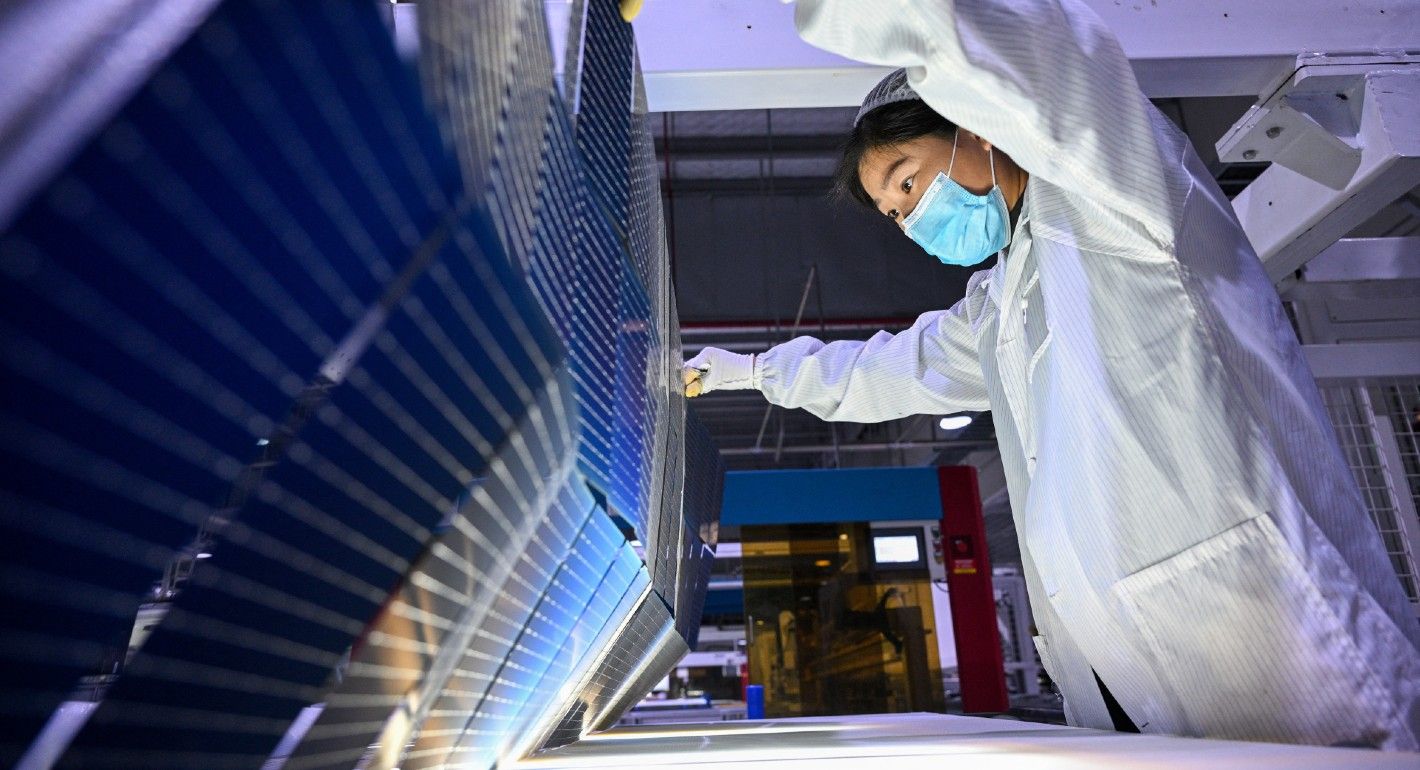
Rather than climate ambitions, compatibility with investment and exports is why China supports both green and high-emission technologies.

Mathias Larsen
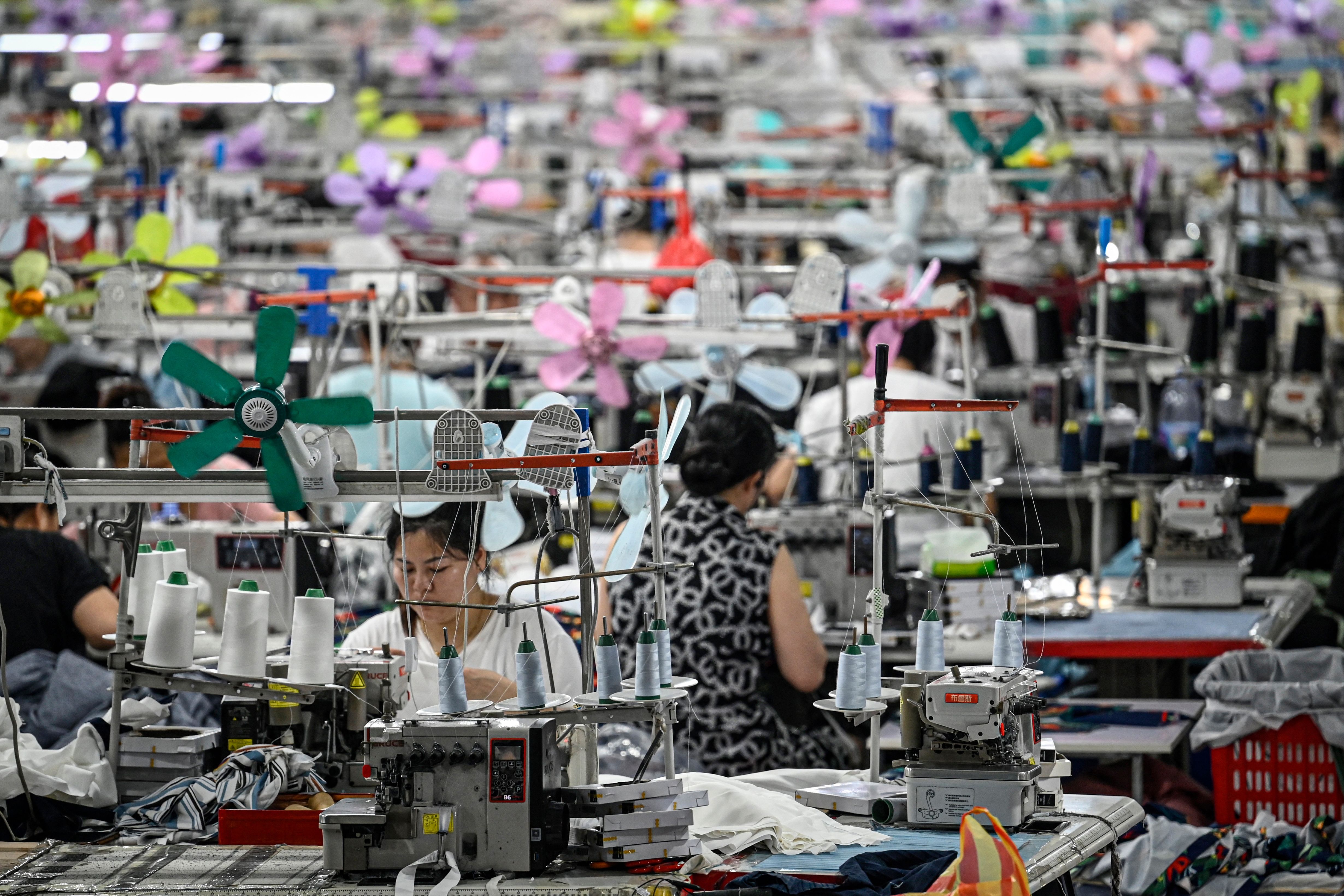
“Involution” is a new word for an old problem, and without a very different set of policies to rein it in, it is a problem that is likely to persist.
Michael Pettis

While China's investment story seems contradictory from the outside, the real answers to Beijing's high-quality growth ambitions are hiding in plain sight across the nation's cities.
Yuhan Zhang