

Article
Pierre Goldschmidt
{
  "authors": [
    "Pierre Goldschmidt"
  ],
  "type": "other",
  "centerAffiliationAll": "dc",
  "centers": [
    "Carnegie Endowment for International Peace"
  ],
  "collections": [],
  "englishNewsletterAll": "ctw",
  "nonEnglishNewsletterAll": "",
  "primaryCenter": "Carnegie Endowment for International Peace",
  "programAffiliation": "NPP",
  "programs": [
    "Nuclear Policy"
  ],
  "projects": [],
  "regions": [
    "Middle East",
    "Iran",
    "Syria"
  ],
  "topics": [
    "Nuclear Policy"
  ]
}
Source: Getty
The safeguards system established by the International Atomic Energy Agency is failing to detect potential issues of noncompliance because it doesn’t have the legal authority needed to fulfill its mandate and it lacks the necessary cooperation from member states.
Source: NPEC Conference

International Atomic Energy Agency (IAEA) safeguards are both the principal means of verifying a state’s compliance with international nuclear obligations, as well as detecting the potential transgression of these obligations. In the coming years, the IAEA will be asked to safeguard an increasing number of nuclear facilities, including new types of facilities (such as laser enrichment and pyroprocessing plants, floating nuclear power plants and nuclear propelled submarines) and decommissioned ones. It will need additional funds to procure new types and more effective equipment, and expertise to carry out these additional responsibilities.
But the real issue does not stem from resource constraints. Even with greater human and financial resources there is nothing more the Agency would have done in fulfilling its verification mandate in Iran and North Korea.
The real constraint was identified by current IAEA Deputy Director General for Safeguards Herman Nackaerts in a July 2011 speech. “Experience has shown,” he stated, “that proliferation risk is not only associated with the amount of declared nuclear material that a State possesses or the number and type of declared facilities. Indeed, the major proliferation challenges have arisen in States with limited nuclear fuel cycle facilities, and involved previously exempted or undeclared nuclear material.... [The safeguards] system was manifestly failing in its primary objective, namely, to detect activities that did raise potential compliance issues and proliferation concerns – such as those undertaken, for instance, in Iraq, Libya, Syria and Iran.”
There are two main reasons the safeguards system has been “manifestly failing.” First, the Department of Safeguards doesn’t have the legal authority it needs to fulfill its mandate and to provide the assurances the international community is expecting from its verification activities. Second, the Department lacks the necessary cooperation and transparency from Member States of the IAEA. Redressing both deficiencies would significantly strengthen the role of IAEA safeguards in preventing further proliferation.
1. George Santayana (1863-1952) was a Spanish American philosopher, essayist, poet, and novelist.
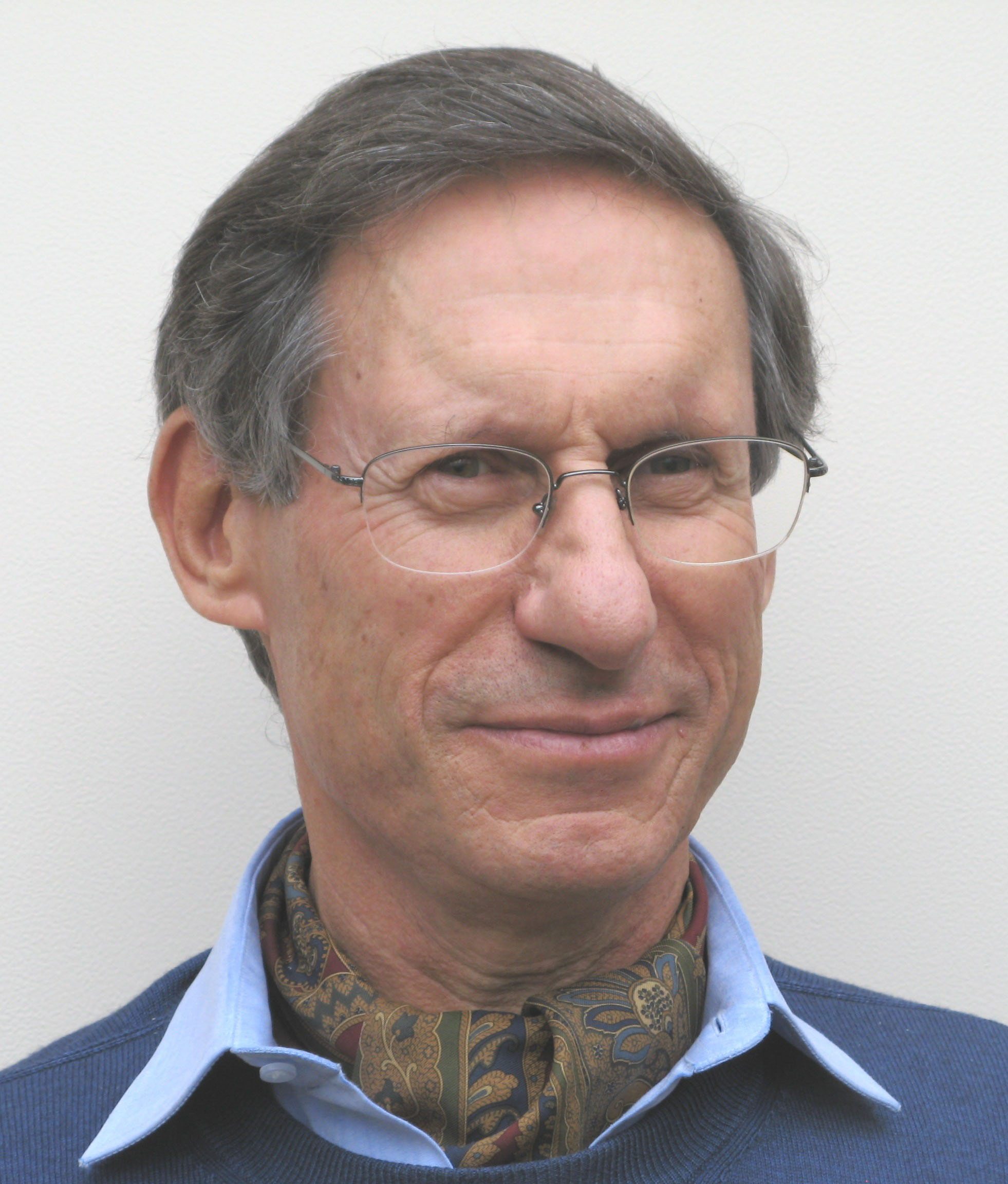
Former Nonresident Senior Associate, Nuclear Policy Program
Goldschmidt was a nonresident senior associate at the Carnegie Endowment.
Recent Work
Pierre Goldschmidt
Pierre Goldschmidt
Carnegie does not take institutional positions on public policy issues; the views represented herein are those of the author(s) and do not necessarily reflect the views of Carnegie, its staff, or its trustees.

The nuclear relationship between China and the United States is increasingly shaped by widening perception gaps rather than deliberate strategic design.

Tong Zhao
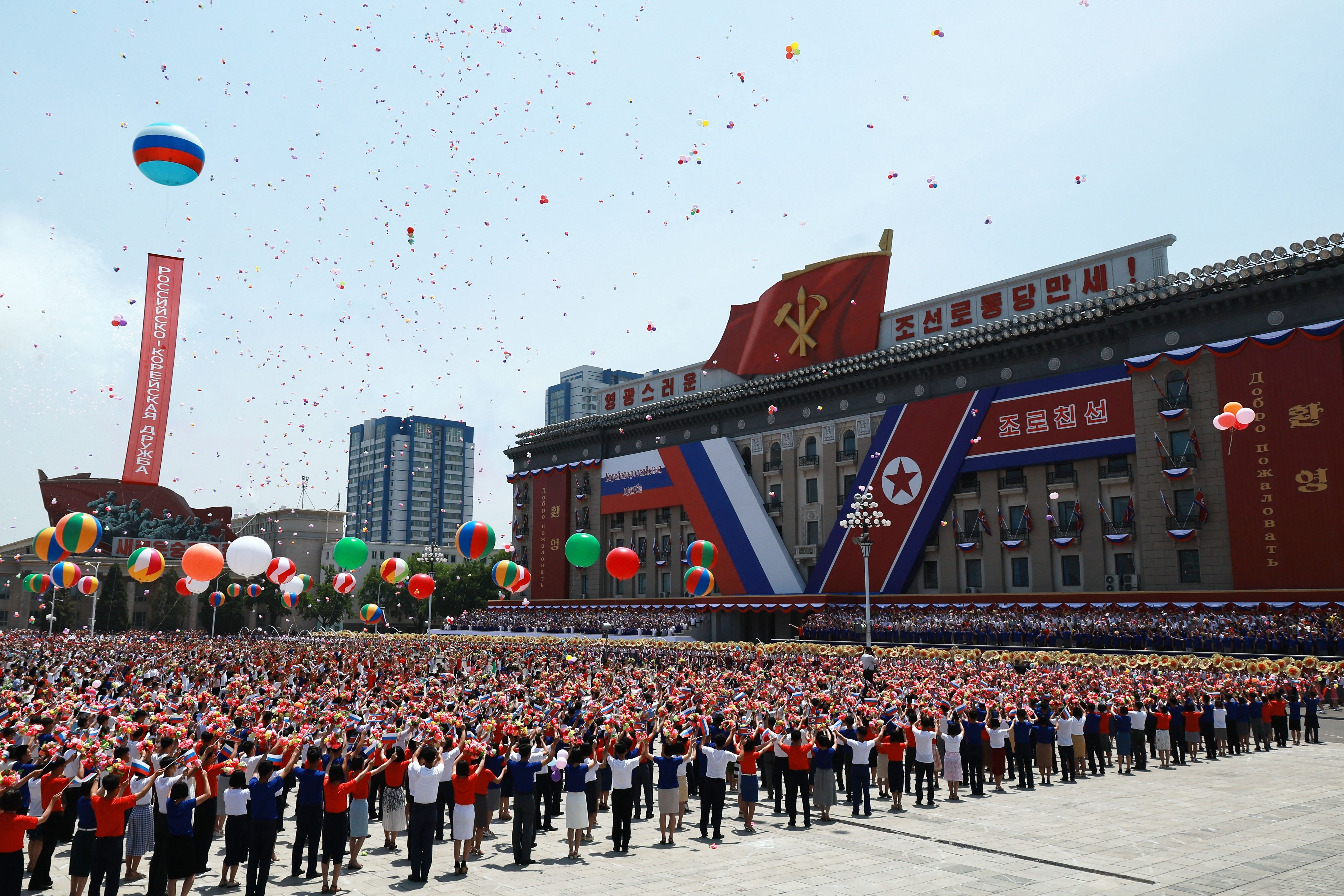
Faced with an increase in strategic maneuvering by Moscow and Pyongyang, Beijing will not sit idly by and allow Putin and Kim to shape the security environment on its behalf.
Tong Zhao
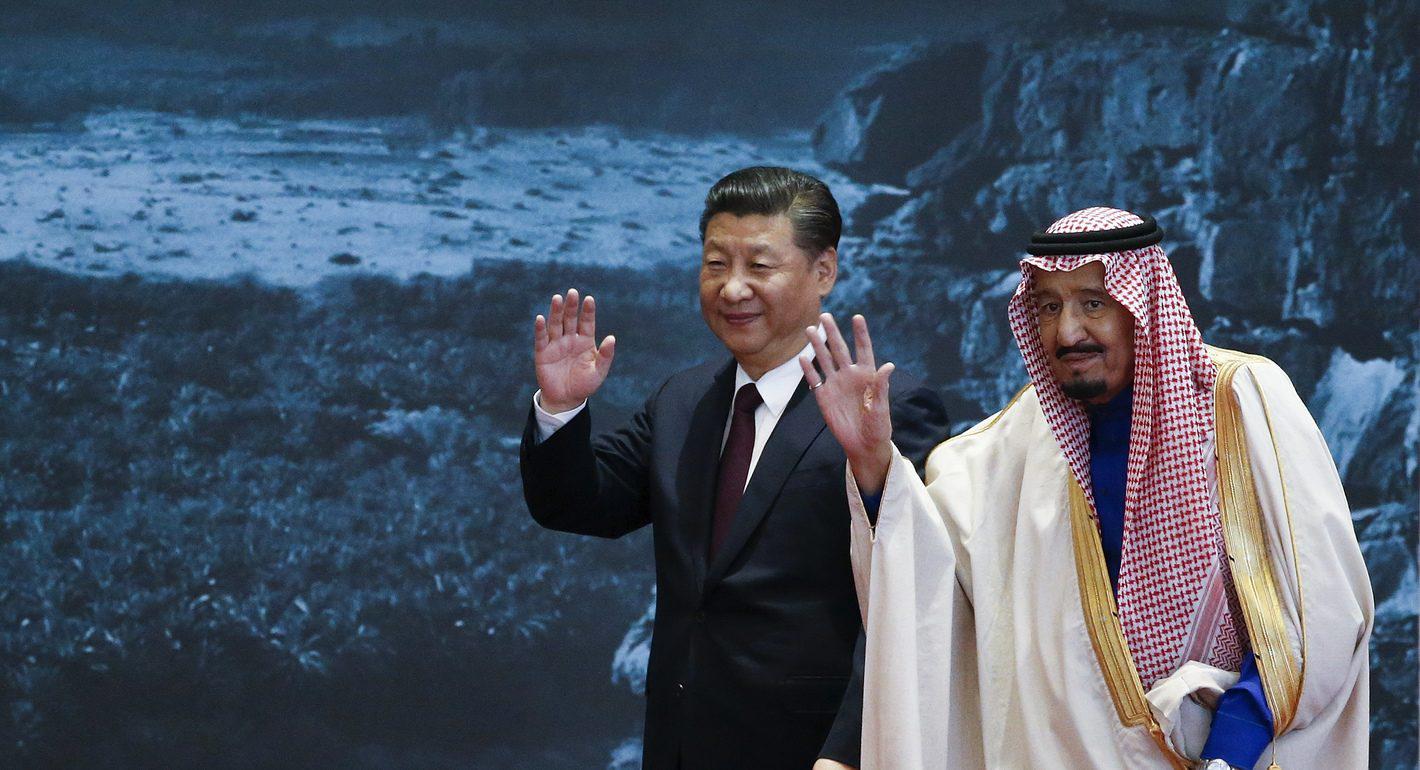
The advantage that China has over other global powers, especially America, is that its foreign policy is closely aligned with those of many of the Middle Eastern countries.


Jin Liangxiang, Maha Yahya, Hesham Alghannam

China views U.S. missile defense as posing a greater potential threat to China’s nuclear deterrent than other U.S. military capabilities.
Tong Zhao, Dmitry Stefanovich
“It’s not so clear how we’re going to get out of this.”

Paul Haenle, Philippe Le Corre