

Paper
George Perkovich
{
  "authors": [
    "George Perkovich"
  ],
  "type": "other",
  "centerAffiliationAll": "dc",
  "centers": [
    "Carnegie Endowment for International Peace"
  ],
  "collections": [
    "U.S. Nuclear Policy"
  ],
  "englishNewsletterAll": "ctw",
  "nonEnglishNewsletterAll": "",
  "primaryCenter": "Carnegie Endowment for International Peace",
  "programAffiliation": "NPP",
  "programs": [
    "Nuclear Policy"
  ],
  "projects": [],
  "regions": [
    "North America",
    "United States",
    "Caucasus",
    "Russia"
  ],
  "topics": [
    "Nuclear Policy"
  ]
}
Source: Getty
Recent developments in international security that narrow the utility of nuclear weapons in deterring war may alter the role nuclear weapons play in the dialogue between the imperatives of war prevention and justness.
Source: Thinking About Strategy

"It cannot be right to acquiesce uncritically for the rest of human history, in a system that maintains peace between potential adversaries partly by the threat of colossal disaster. Any serious moral stance must recognize a duty, alongside that of striving to reduce the costs and risks of nuclear armouries and maximizing their war-prevention benefits so long as they continue to exist, to work towards a world in which security can be maintained without incurring at all the burdens which they entail."1
The moral stance to which Quinlan referred has much to do with the doctrine of Just War. Indeed, in 2007 Quinlan and Charles Guthrie published a monograpgh on the topic: Just War: The Just War Tradition: Ethics in Modern Warfare. This continued Sir Michael's long effort to reconcile doctrines and policies of nuclear deterrence with ethical principles he cherished as a conscious Catholic.
The present essay seeks to extend the dialogue between the imperatives of war prevention - specifically the role of nuclear deterrence in it - and justness. In doing so I look beyond the ethical tradition that Sir Michael explored so intently and thoughtfully. I draw briefly on research in evolutionary biology, psychology and politics to widen the meaning and importance of justice, while reflecting on recent developments in international security that narrow the utility of nuclear weapons in deterring war. I conclude by suggesting that these new perspectives add weight and feasability to the imperative that Quinaln recognized to work toward a world without nuclear weapons.
1. Michael Quinlan, Thinking about Nuclear Weapons, Oxford University Press, 2009, p. 54.

Japan Chair for a World Without Nuclear Weapons, Senior Fellow
George Perkovich is the Japan Chair for a World Without Nuclear Weapons and a senior fellow in the Carnegie Endowment for International Peace’s Nuclear Policy Program. He works primarily on nuclear deterrence, nonproliferation, and disarmament issues.
Recent Work
George Perkovich
George Perkovich
Carnegie does not take institutional positions on public policy issues; the views represented herein are those of the author(s) and do not necessarily reflect the views of Carnegie, its staff, or its trustees.

But their "principal to principal" model will only be as effective as the political strength of each leader back home.

Damien Ma

U.S. unpredictability has allowed China to capitalize on its positioning as the “responsible great power”. Paradoxically, the more China wins the perception game, the more likely expectations will rise for Beijing to deliver not just words but to demonstrate with its deeds.

Chong Ja Ian

For Malaysia, the conjunction that works is “and” not “or” when it comes to the United States and China.

Elina Noor

Regulation, not embargo, allows Beijing to shape how other countries and firms adapt to its terms.
Alvin Camba
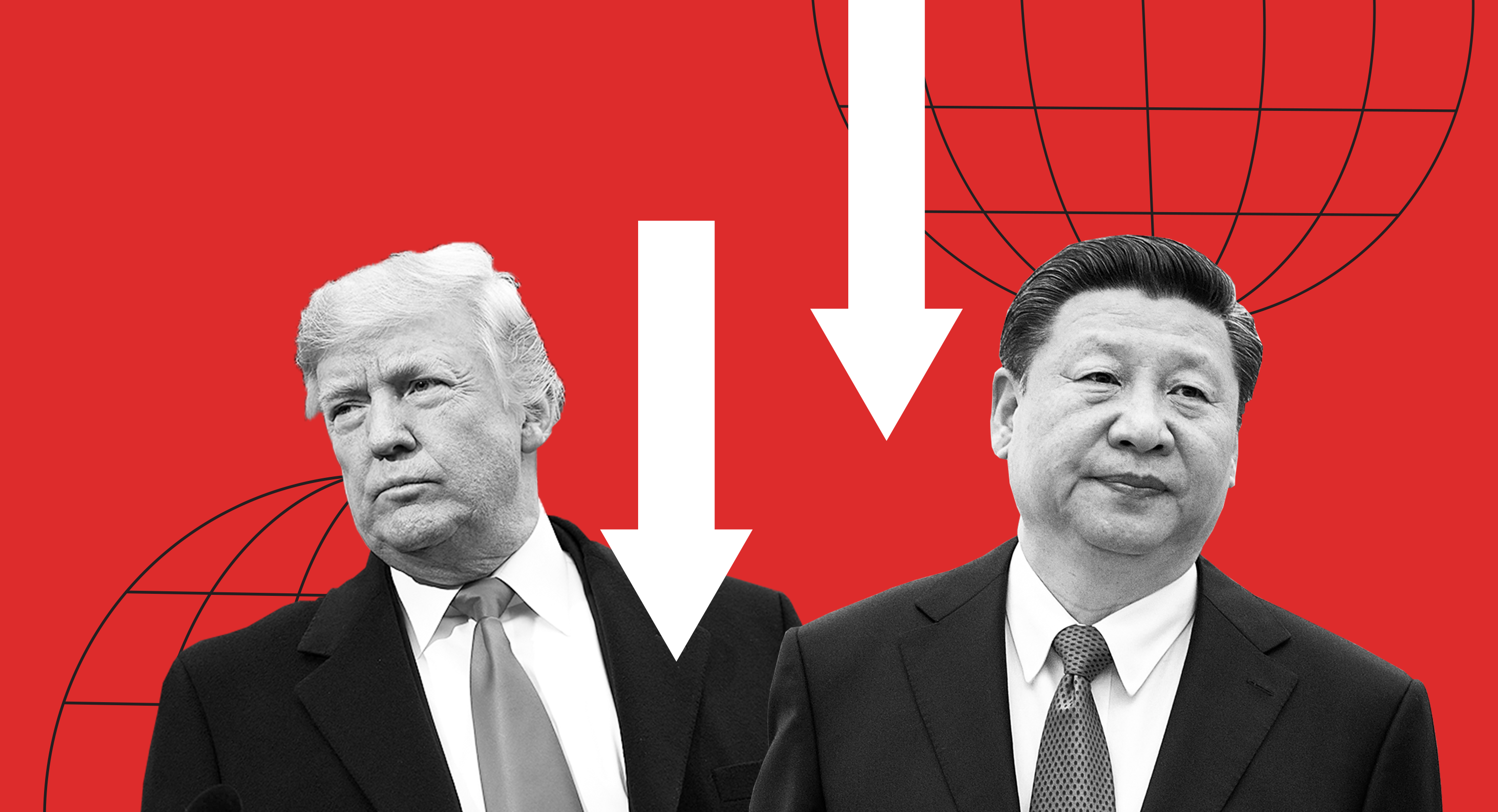
Beijing believes that Washington is overestimating its own leverage and its ability to handle the trade war’s impacts.


Rick Waters, Sheena Chestnut Greitens