

Commentary
Maria Lipman
{
  "authors": [
    "Maria Lipman"
  ],
  "type": "legacyinthemedia",
  "centerAffiliationAll": "",
  "centers": [
    "Carnegie Endowment for International Peace",
    "Carnegie Russia Eurasia Center"
  ],
  "collections": [],
  "englishNewsletterAll": "",
  "nonEnglishNewsletterAll": "",
  "primaryCenter": "Carnegie Russia Eurasia Center",
  "programAffiliation": "",
  "programs": [],
  "projects": [],
  "regions": [],
  "topics": []
}
Source: Getty
While Putin may have a guaranteed victory in the upcoming presidential election, it is increasingly clear that Russia’s once-passive electorate is willing to show its discontent, making it potentially more difficult to promote necessary economic reforms.
Source: Bloomberg Television's Countdown
Speaking with Linzie Janis on Bloomberg Television's Countdown, Carnegie Moscow Center’s Maria Lipman discussed Russian Prime Minister Vladimir Putin's hold on parliament after this weekend's elections and the outlook for his presidential campaign. With 96 percent of the votes counted, the Central Election Commission has announced that Putin's United Russia party has won 49.5 percent of the vote for the State Duma, down from 64.3 percent in 2007, the last full year of Putin's second Kremlin term.
Lipman contended that political discontent, election fraud, “Putin-fatigue,” and overall aggravation with the political environment have changed the environment for the Kremlin. Some of this aggravation, she added, stems from the way that Putin and Medvedev essentially traded places in September this year, with Putin’s announcement that he will run for president. Politics are shifting in Russia, Lipman noted, sending a signal to the elites that the old rules that stressed party loyalty facilitated by massive social spending may no longer be operative.
While Putin may have a guaranteed victory in the upcoming presidential election, Lipman stressed that pushing necessary economic reforms in Russia will be more difficult in the current political and economic environment. It is becoming clear that the once-passive electorate is increasingly willing to show its discontent.
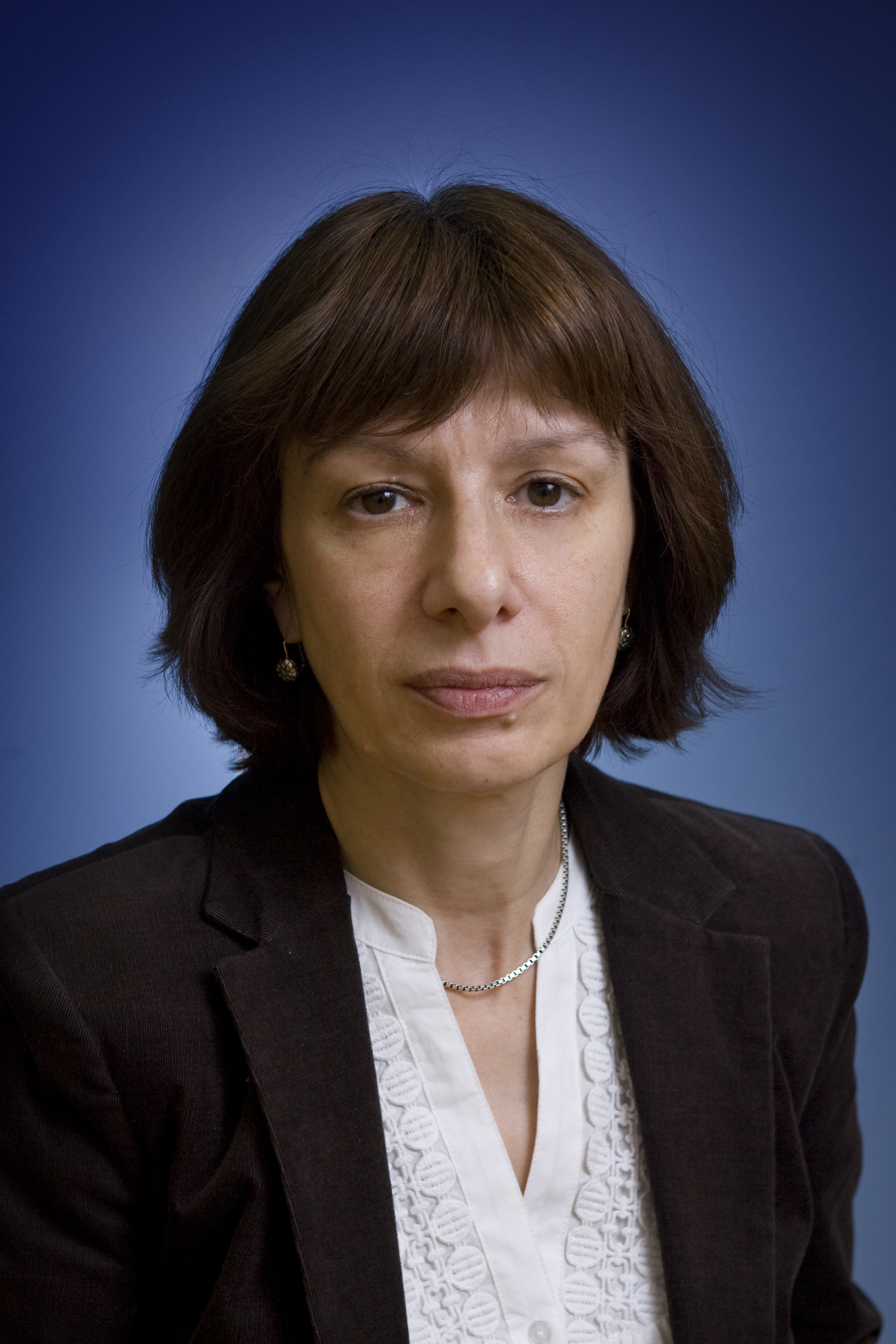
Former Scholar in Residence, Society and Regions Program, Editor in Chief, Pro et Contra, Moscow Center
Lipman was the editor in chief of the Pro et Contra journal, published by the Carnegie Moscow Center. She was also the expert of the Carnegie Moscow Center’s Society and Regions Program.
Recent Work
Maria Lipman
Maria Lipman
Carnegie does not take institutional positions on public policy issues; the views represented herein are those of the author(s) and do not necessarily reflect the views of Carnegie, its staff, or its trustees.