

Paper
Maria Fantappie
{
  "authors": [
    "Maria Fantappie"
  ],
  "type": "legacyinthemedia",
  "centerAffiliationAll": "",
  "centers": [
    "Carnegie Endowment for International Peace",
    "Carnegie Europe",
    "Malcolm H. Kerr Carnegie Middle East Center"
  ],
  "collections": [
    "Turkey’s Transformation"
  ],
  "englishNewsletterAll": "",
  "nonEnglishNewsletterAll": "",
  "primaryCenter": "Malcolm H. Kerr Carnegie Middle East Center",
  "programAffiliation": "",
  "programs": [],
  "projects": [],
  "regions": [
    "Levant",
    "Middle East",
    "Europe",
    "Türkiye",
    "Syria"
  ],
  "topics": []
}
Source: Getty
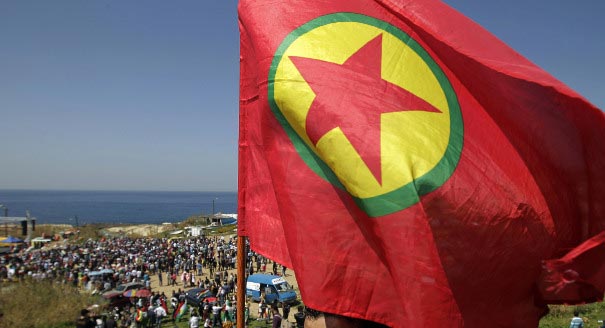
The escalation of the Syrian crisis provides an opportunity for the Turkish Kurdistan Workers' Party to consolidate its influence within Syria and increase its presence on the Syrian-Turkish border.
Source: National
Turkey appears to be keeping all options open for intervening in Syria - even arming the opposition. But Ankara's failure to monitor the development of the Kurdish issue in Syria, and Bashar Al Assad's struggle for power, have left room for others to instil their agendas there.

Former Visiting Scholar, Carnegie Middle East Center
Maria Luisa Fantappie is Head of the Mediterranean, Middle East and Africa Programme at IAI. She served as Special Adviser at the Centre for Humanitarian Dialogue in Geneva (2020-2023) and at the International Crisis Group (2012-2020), engaging at the highest level of policy in Europe, the United States and across MENA (Iraq, Jordan, Saudi Arabia, Iran, Qatar, Oman and United Arab Emirates).
Recent Work
Maria Fantappie
Maria Fantappie
Carnegie does not take institutional positions on public policy issues; the views represented herein are those of the author(s) and do not necessarily reflect the views of Carnegie, its staff, or its trustees.
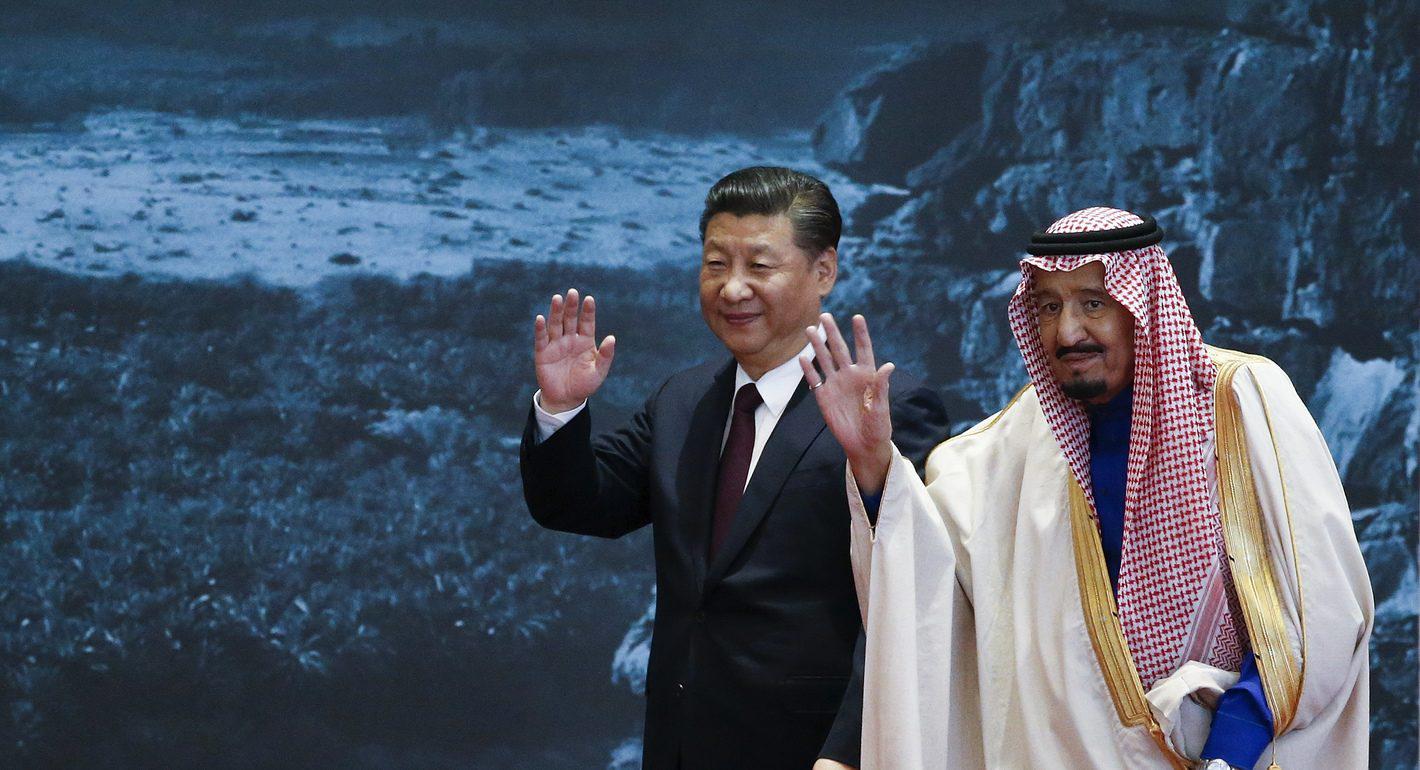
The advantage that China has over other global powers, especially America, is that its foreign policy is closely aligned with those of many of the Middle Eastern countries.


Jin Liangxiang, Maha Yahya, Hesham Alghannam

It’s about managing oil prices, bread prices, and strategic partnerships.



Amr Hamzawy, Karim Sadjadpour, Aaron David Miller, …
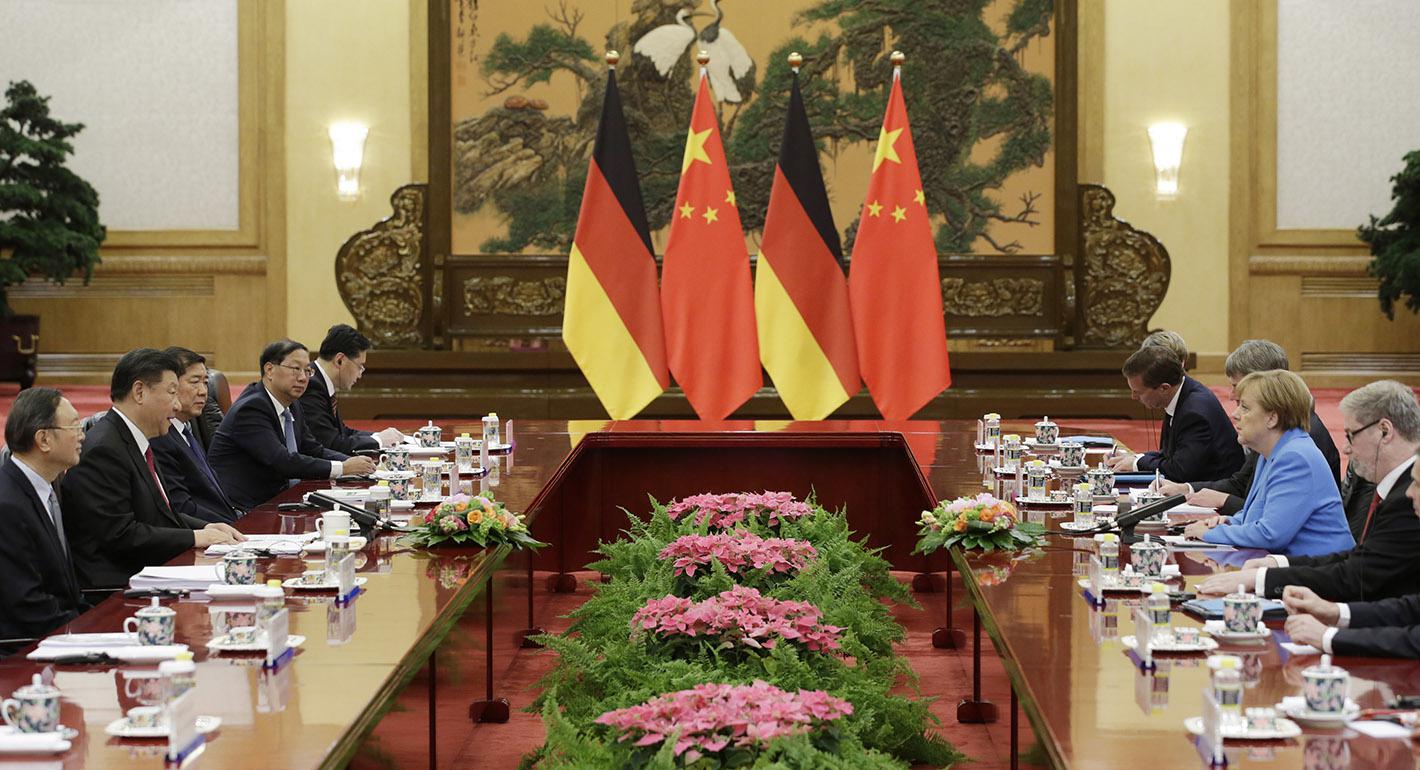
As the United States confronts China more directly, Merkel is exploring deeper cooperation with Xi. Economic upheaval from the coronavirus could reinforce the temptation in Berlin to keep Beijing close.
Noah Barkin
Fundamentally, it seems irrational to leave an agreement that’s working today out of a fixation on potential growth of Iran’s nuclear program more than a decade from now, when such growth could happen tomorrow if we unravel the agreement.
John Kerry
The smart way to get tough on Iran would be to commit to the nuclear deal, enforce it to the hilt, and work with global partners on a long-term strategy to deal with Iran’s challenge.

William J. Burns, Jake Sullivan