

In The Media
Lahcen Achy
{
  "authors": [
    "Lahcen Achy"
  ],
  "type": "legacyinthemedia",
  "centerAffiliationAll": "",
  "centers": [
    "Carnegie Endowment for International Peace",
    "Malcolm H. Kerr Carnegie Middle East Center"
  ],
  "collections": [],
  "englishNewsletterAll": "",
  "nonEnglishNewsletterAll": "",
  "primaryCenter": "Malcolm H. Kerr Carnegie Middle East Center",
  "programAffiliation": "",
  "programs": [],
  "projects": [],
  "regions": [
    "Maghreb"
  ],
  "topics": [
    "Economy"
  ]
}
Source: Getty
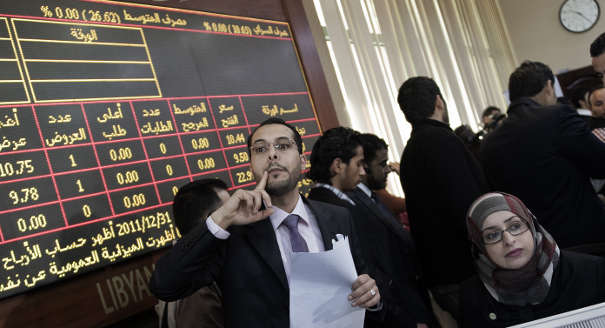
With the current level of oil production and high prices on international markets, the Libyan economy is expected to recover this year. Yet, to ensure long-term stability, Libya must move away from its dependence on oil toward a diversified economy led by a competitive private sector.
Source: Al-Hayat

The Libyan economy paid a heavy price to topple the regime of Muammar Qaddafi, a toll that far exceeds the losses incurred by both Tunisia and Egypt. Indeed, the year 2011 brought a 60 percent contraction in Libya’s GDP, following months of almost total interruption of oil production and exports. Government revenue fell, while the budget deficit reached a record 40 percent of GDP and a supply shortage led to an inflation rate of nearly 20 percent. The UN Security Council resolution to freeze the Libyan central bank’s assets and the growing amount of bad debt in the country has resulted in a severe lack of liquidity.
Libya’s neighborhood has also felt the effects of the armed conflict to overthrow Qaddafi. Many Tunisians and Egyptians that had worked in Libya returned home, thus depriving their families of remittances and swelling the ranks of the unemployed in their home countries.
A 70 percent increase in GDP and a current account surplus of 11 percent of GDP are expected in 2012. Prices are projected to go down by 10 percent after the resumption of imports and market supply to normal level. Still, the budget deficit is expected to represent 7 percent of GDP due to a generous increase in civil servants’ wages in March of last year—an attempt by the Qaddafi regime to end popular discontent. The amount budgeted for wages now represents 20 percent of GDP, which is double the level in 2010.
Egypt and Tunisia are in need of external funding, which may eventually lead them to accept costly or conditional loans; Libya with foreign reserve assets amounting to $174 billion and almost no foreign debt to repay can set its priorities and design its policies without any external pressure.
But Libya’s strengths, along with burgeoning oil revenue, may become weaknesses if the government fails to restore security and stability throughout the country. This is why Libya’s current government must manage the transition to democracy according to a set timetable and build strong, efficient, and yet accountable institutions that will allow Libya to meet the major challenges its economy is facing:
First, the government should manage oil revenues properly and transparently to achieve economic and social development and prevent tribal or regional conflicts over the country's resources.
Second, the government needs to support economic diversification and end overdependence on the energy sector. To meet this challenge, it has to create a favorable legal and administrative environment for private investment and stimulate vibrant entrepreneurship that would bring about a transition from a primitive economy based on oil extraction and rent distribution to one based on production and competition.
Third, Libyan policymakers need to train the local workforce and upgrade its skills to match the needs of various productive sectors. They also need to create proper incentives to promote private sector employment, as high wages prevailing in the public sector may deter locals from seeking jobs outside the civil service. This is particularly crucial since one in four Libyans is unemployed and the country’s population is growing at 3 percent per year.
Fourth, the country needs to develop its banking and financial sector to support private investment and job creation. Indeed, bank lending to the private sector does not currently exceed 20 percent of GDP, whereas financial markets remain largely underdeveloped.
Fifth, the new Libya should seize the potential of regional cooperation through trade and financial integration with Egypt and the Arab Maghreb countries. Regional integration in North Africa appears to be an important response to the challenges facing the region, both to create jobs and to achieve balanced and inclusive development.The Libyan revolution has paved the way for a promising future, but the path toward that future is still fraught with dangers and obstacles that the government must overcome. That development process should be part of a strategic vision for the next ten years, a vision which will shift the Libyan economy away from excessive dependence on oil, the tradition of rent distribution among the regions and tribes, and a crony private sector that thrives thanks to grants and public procurements. Libya must move toward a diversified economy that relies on an independent, entrepreneurial, and competitive private sector.
Libya needs to rely on the technical assistance it can earn from international organizations such as the World Bank, the International Monetary Fund, or consultancies and think tanks. The Libyan people should have the final say, however. The government should ensure that their voices are heard, through democratically elected institutions.
Former Nonresident Senior Associate, Middle East Center
Achy is an economist with expertise in development, institutional economics, trade, and labor and a focus on the Middle East and North Africa.
Recent Work
Lahcen Achy
Lahcen Achy

China’s banking crisis in the 2000s was resolved by transferring the costs to households through financial repression—a decision that recapitalized the banks while exacerbating the structural imbalances that continue to shape the Chinese economy today.

Michael Pettis

In the latest Five-Year Plan, the Chinese president cements the shift to an innovation-driven economy over a consumption-driven one.

Damien Ma
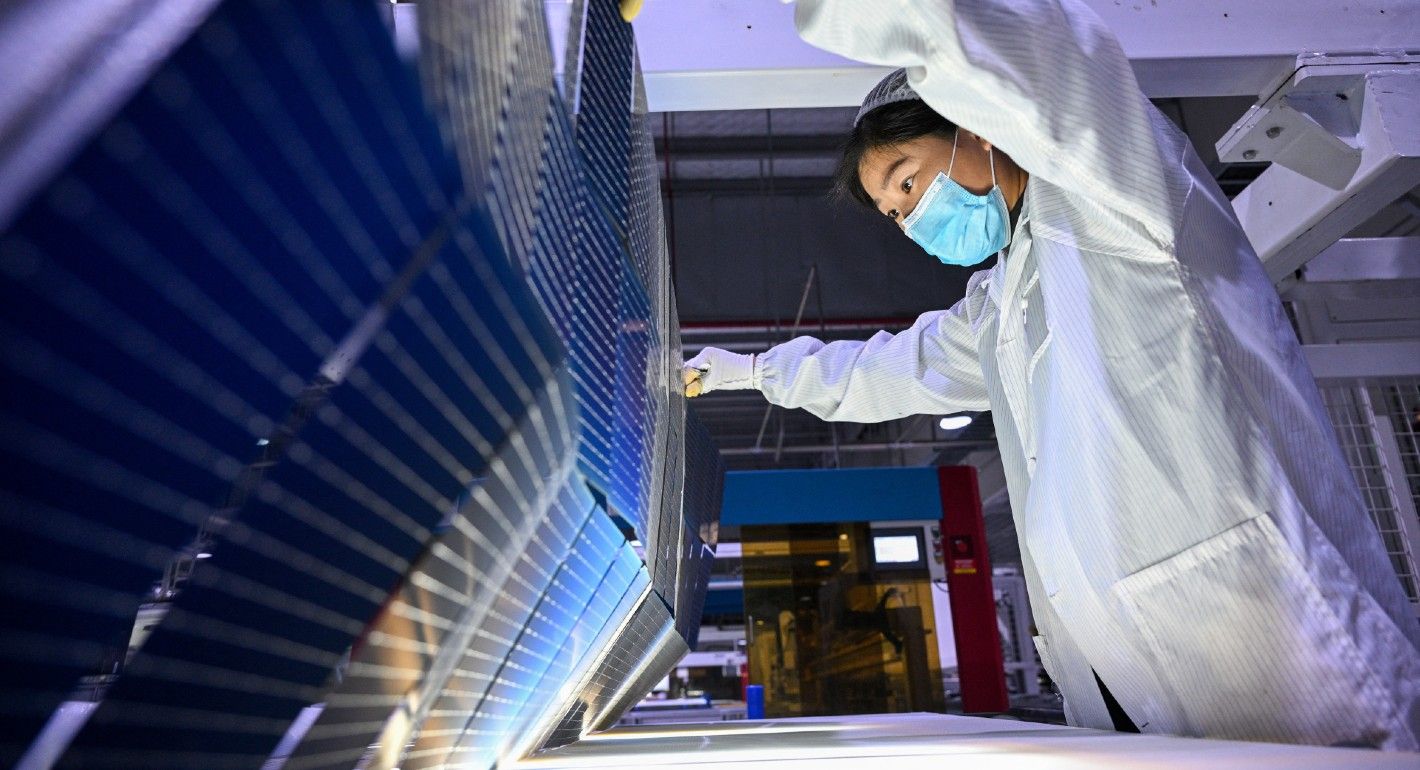
Rather than climate ambitions, compatibility with investment and exports is why China supports both green and high-emission technologies.

Mathias Larsen
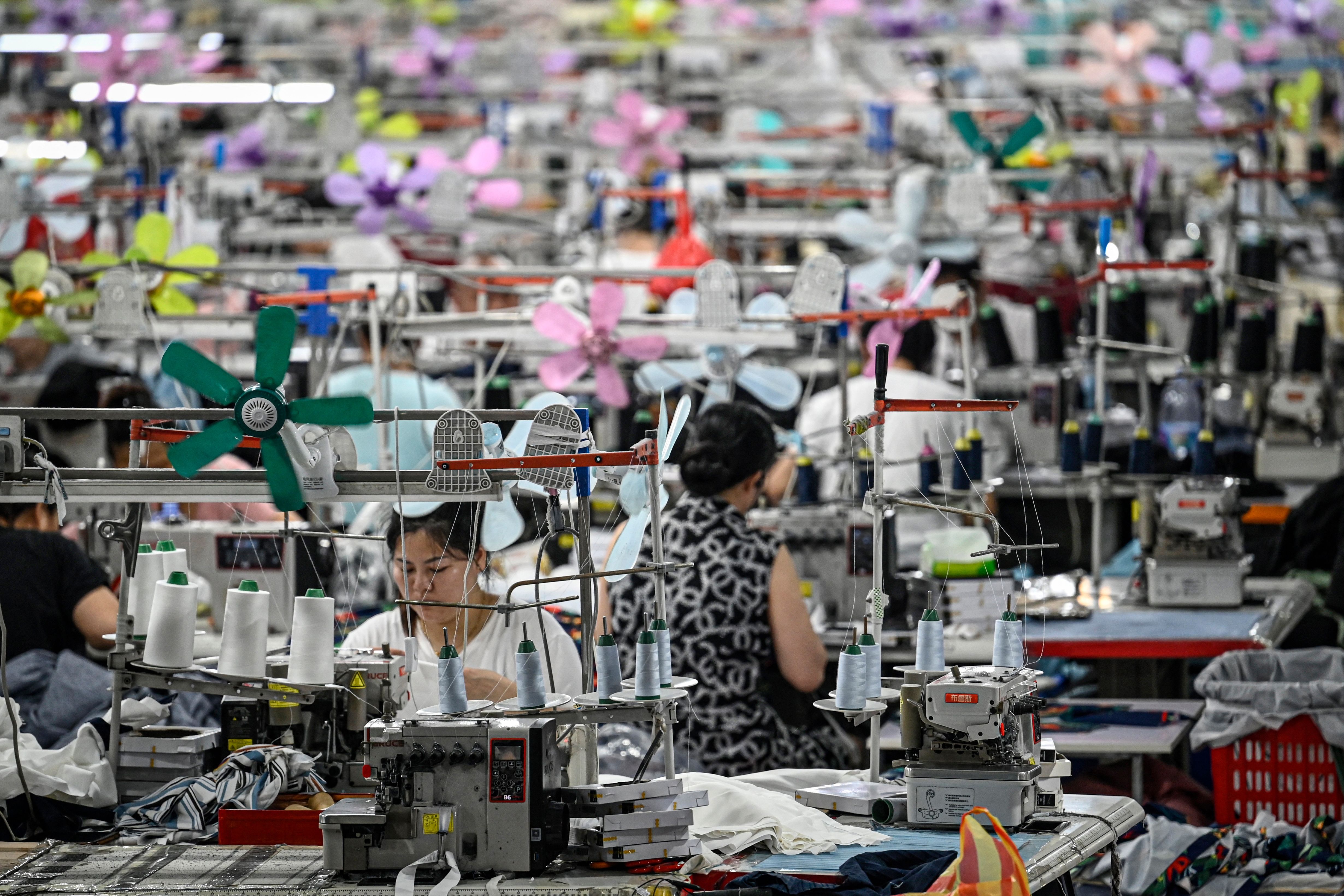
“Involution” is a new word for an old problem, and without a very different set of policies to rein it in, it is a problem that is likely to persist.
Michael Pettis

While China's investment story seems contradictory from the outside, the real answers to Beijing's high-quality growth ambitions are hiding in plain sight across the nation's cities.
Yuhan Zhang