

Other
- +18
James M. Acton, Saskia Brechenmacher, Cecily Brewer, …
{
  "authors": [
    "James M. Acton"
  ],
  "type": "other",
  "centerAffiliationAll": "dc",
  "centers": [
    "Carnegie Endowment for International Peace"
  ],
  "collections": [
    "U.S. Nuclear Policy"
  ],
  "englishNewsletterAll": "ctw",
  "nonEnglishNewsletterAll": "",
  "primaryCenter": "Carnegie Endowment for International Peace",
  "programAffiliation": "NPP",
  "programs": [
    "Nuclear Policy"
  ],
  "projects": [],
  "regions": [
    "North America",
    "United States",
    "Caucasus",
    "Russia"
  ],
  "topics": [
    "Nuclear Policy"
  ]
}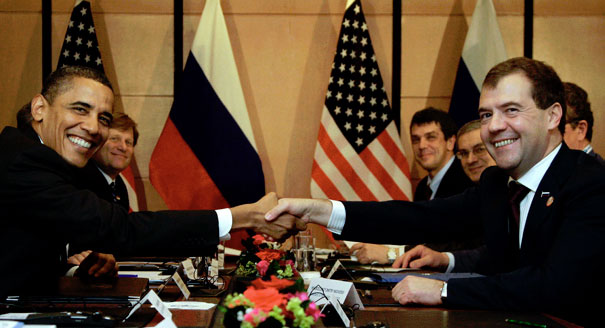
Source: Getty
In contemporary discussions about nuclear disarmament, few pause to ask why–and indeed whether–transparency is desirable.
Source: Russia and the Dilemmas of Nuclear Disarmament

Many of the non-nuclear-weapon states and non-governmental organizations that advocate greater transparency see its main value in permitting closer scrutiny of the nuclear-weapon states and their commitment to disarmament. For fear of appearing to provide a tacit endorsement of nuclear deterrence, they are strongly disinclined to even consider whether greater transparency could, in some circumstances, negatively affect deterrence; instead, they prefer to assert – as though it were a truism – that greater openness would automatically result in greater security.
This approach is short sighted. The nuclear-weapon states have made it clear that abolition will be a gradual process with progress towards disarmament tied to changes in the broader international security environment. Given that nuclear weapons will continue to exist for some time, it is in the interests of all states that further transparency does not undermine the stability of deterrence by, say, precipitating an arms build-up or increasing the probability of nuclear use.

Jessica T. Mathews Chair, Co-director, Nuclear Policy Program
Acton holds the Jessica T. Mathews Chair and is co-director of the Nuclear Policy Program at the Carnegie Endowment for International Peace.
Recent Work


James M. Acton, Saskia Brechenmacher, Cecily Brewer, …
James M. Acton
Carnegie does not take institutional positions on public policy issues; the views represented herein are those of the author(s) and do not necessarily reflect the views of Carnegie, its staff, or its trustees.

For Malaysia, the conjunction that works is “and” not “or” when it comes to the United States and China.

Elina Noor

Regulation, not embargo, allows Beijing to shape how other countries and firms adapt to its terms.
Alvin Camba

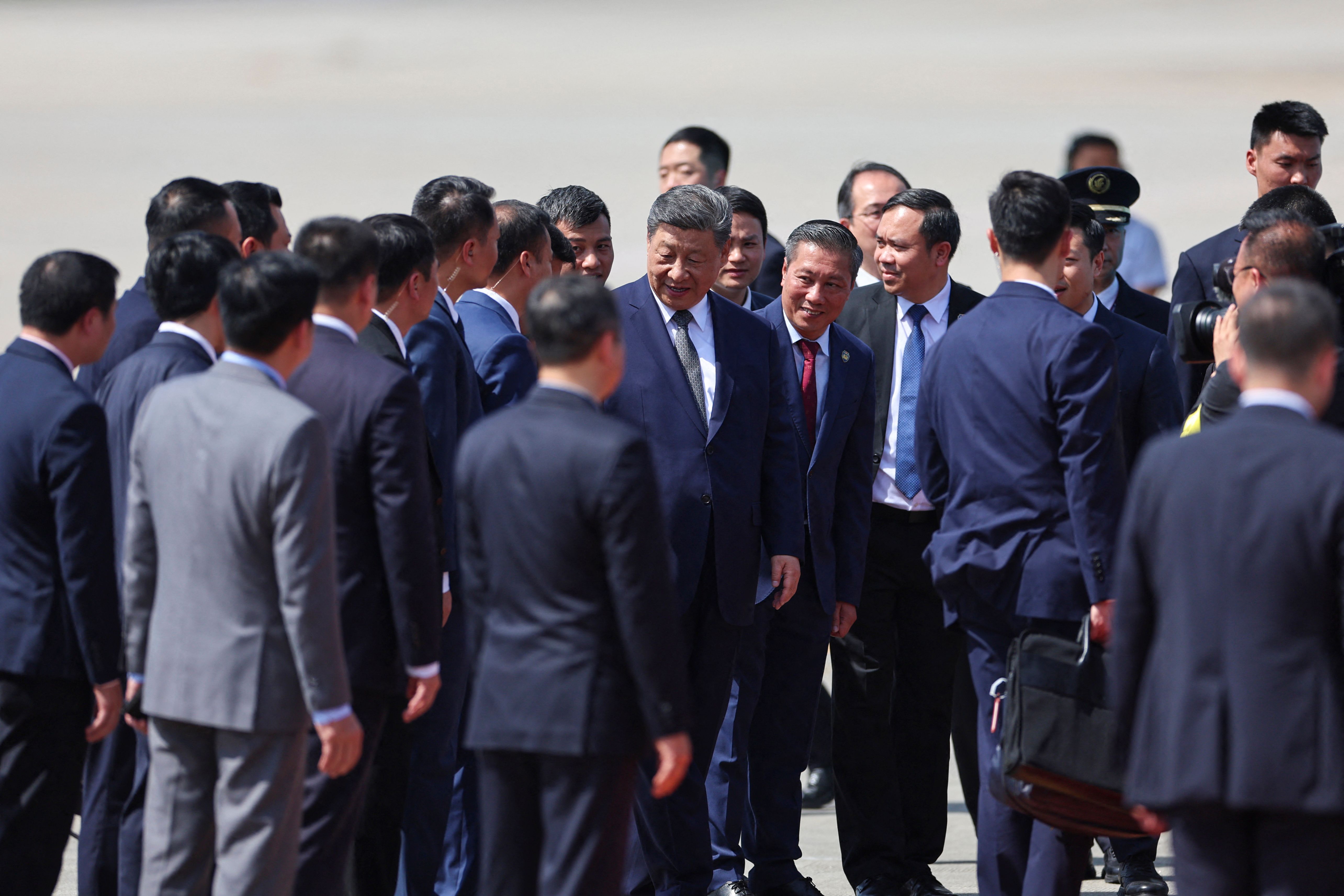
Beijing believes that Washington is overestimating its own leverage and its ability to handle the trade war’s impacts.


Rick Waters, Sheena Chestnut Greitens
Tapping our network of China experts in the region, Carnegie China offers this latest “China Through a Southeast Asian Lens” report to offer preliminary assessments of whether the U.S. effort to reshape the global trading order will lead countries in the region to tilt toward Beijing.


Selina Ho, Khin Khin Kyaw Kyee, Joseph Ching Velasco, …
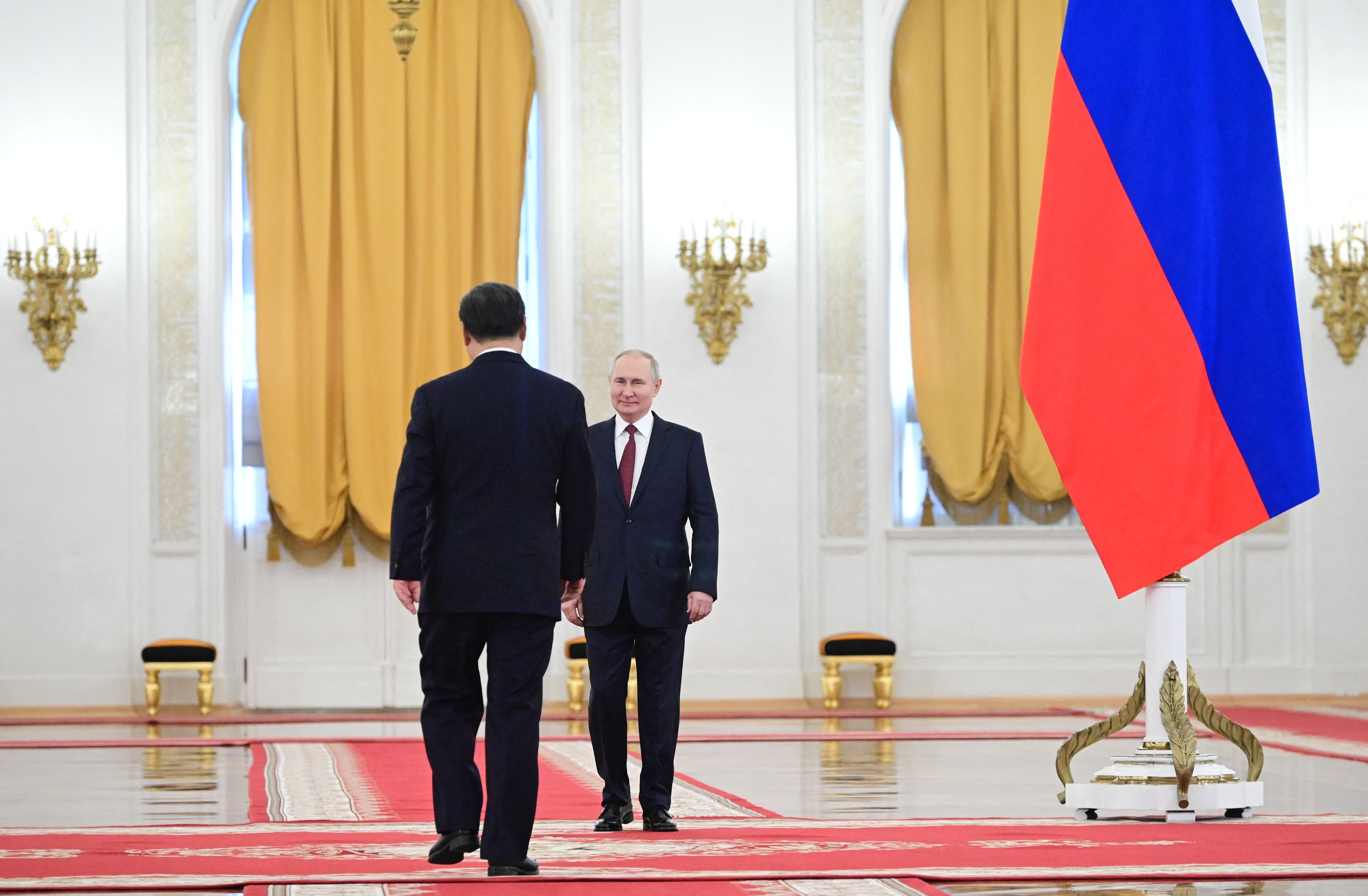
Beijing is trying to navigate the overall situation regarding Ukraine, especially the substance of interactions between Washington and Moscow.


Ellen Nakashima, Zhao Long, Pavlo Klimkin, …