

Commentary
Alexey Malashenko
{
  "authors": [
    "Alexey Malashenko"
  ],
  "type": "other",
  "centerAffiliationAll": "",
  "centers": [
    "Carnegie Endowment for International Peace",
    "Carnegie Russia Eurasia Center"
  ],
  "collections": [],
  "englishNewsletterAll": "",
  "nonEnglishNewsletterAll": "",
  "primaryCenter": "Carnegie Russia Eurasia Center",
  "programAffiliation": "",
  "programs": [],
  "projects": [
    "Eurasia in Transition"
  ],
  "regions": [
    "Central Asia",
    "Turkmenistan"
  ],
  "topics": []
}
Source: Getty
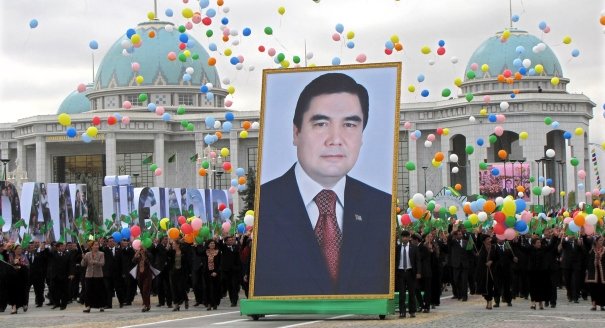
While the regime in Turkmenistan remains the most authoritarian of all Central Asian states, its stability depends on the availability of financial resources coming from the gas sales.
In his new Briefing, Alexey Malashenko writes about the post-Soviet development of Turkmenistan, the current situation in this Central Asian country, and its prospects.
Former Scholar in Residence, Religion, Society, and Security Program
Malashenko is a former chair of the Carnegie Moscow Center’s Religion, Society, and Security Program.
Recent Work
Alexey Malashenko
Alexey Malashenko
Carnegie does not take institutional positions on public policy issues; the views represented herein are those of the author(s) and do not necessarily reflect the views of Carnegie, its staff, or its trustees.
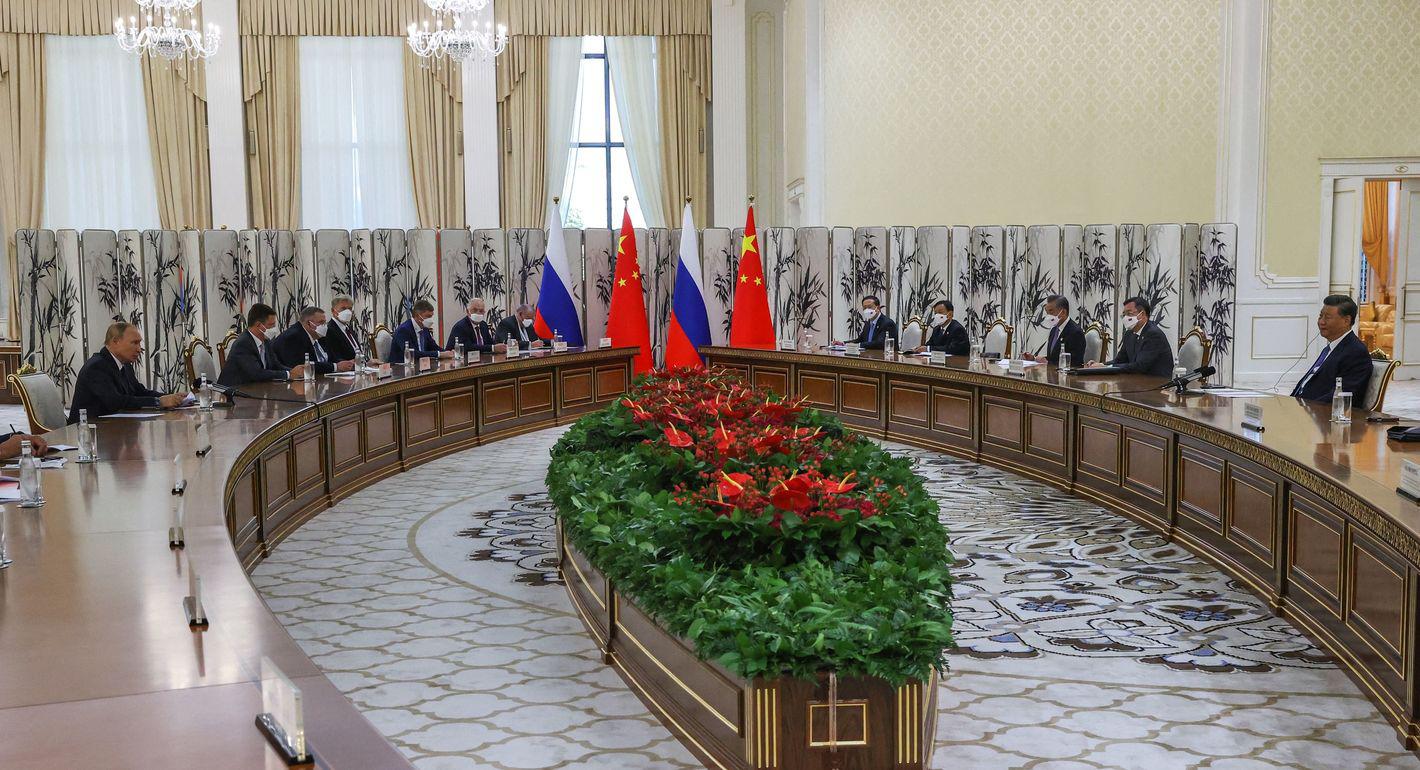
Russia has its Eurasian Economic Union, and China has its Belt and Road Initiative. For both projects, Central Asia is important.


Temur Umarov, Nargis Kassenova

The internationalization of China, and of its companies in particular, is one of the most important phenomena of the beginning of the twenty-first century.
Philippe Le Corre
Consumed by domestic controversies and growing foreign policy crises in North Korea and the Middle East, the Trump administration has put little effort into developing a new policy approach towards Central Asia.

Paul Stronski

China hopes to use three strengths to make the Belt and Road Initiative a success: its large foreign exchange reserves, dominance in certain infrastructure fields, and unique forms of state backed project finance.

Evan A. Feigenbaum

The new U.S. administration should avoid fueling unrealistic expectations of a breakthrough and instead seek incremental progress on specific topics based on a set of guiding principles.


Eugene Rumer, Richard Sokolsky, Andrew S. Weiss