

Commentary
Judy Dempsey
{
  "authors": [
    "Judy Dempsey"
  ],
  "type": "legacyinthemedia",
  "centerAffiliationAll": "",
  "centers": [
    "Carnegie Endowment for International Peace",
    "Carnegie Europe"
  ],
  "collections": [
    "Transatlantic Cooperation"
  ],
  "englishNewsletterAll": "",
  "nonEnglishNewsletterAll": "",
  "primaryCenter": "Carnegie Europe",
  "programAffiliation": "",
  "programs": [],
  "projects": [],
  "regions": [
    "Europe",
    "North America"
  ],
  "topics": [
    "Foreign Policy"
  ]
}
Source: Getty
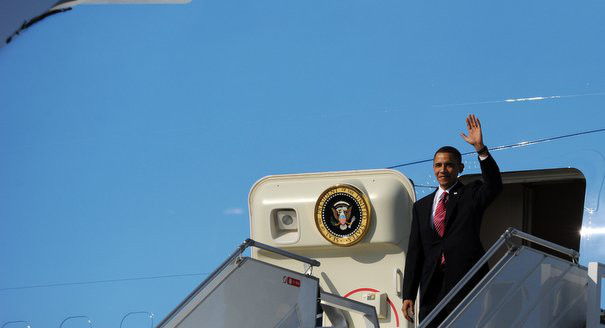
Europeans prefer Barack Obama to Mitt Romney, but, whoever wins in November, America is turning its gaze eastward.
Source: New York Times

As I write in my latest Page Two column: Romney’s ideas and policies have raised hackles in many European capitals. “Romney in the White House would be bad news for Europe,” one high-ranking European diplomat told me.
The Europeans support the Democrats, mostly for cultural and historical reasons. The Democrats are mostly secular in outlook and believe the state has much more of a role to play in providing some basic services than the Republicans.
That is why Europeans found it difficult to understand why the Republicans were so against Mr. Obama’s plans for mandatory health insurance.Europeans also find it very difficult to relate to the growing role of religion among American conservatives. They have not forgotten how former president George W. Bush justified the war in Iraq as a war against evil. They also see how the Christian right exerts huge influence when it comes to Israel.
But for all the differences, the Europeans may discover after next November that the Democrats and Republicans have a few things in common.
Both worry about China, and so will shift U.S. foreign policy towards Asia.
Both are no longer willing to foot the bill for European security and NATO’s inefficiencies.
And whatever Republicans might say, there is no longer the appetite or the money for any more big military campaigns.
The Europeans have yet to take stock of such shifts in the transatlantic relationship.

Nonresident Senior Fellow, Carnegie Europe
Dempsey is a nonresident senior fellow at Carnegie Europe
Recent Work
Judy Dempsey
Judy Dempsey
Carnegie does not take institutional positions on public policy issues; the views represented herein are those of the author(s) and do not necessarily reflect the views of Carnegie, its staff, or its trustees.

Malaysia’s chairmanship sought to fend off short-term challenges while laying the groundwork for minimizing ASEAN’s longer-term exposure to external stresses.

Elina Noor

For Malaysia, the conjunction that works is “and” not “or” when it comes to the United States and China.
Elina Noor
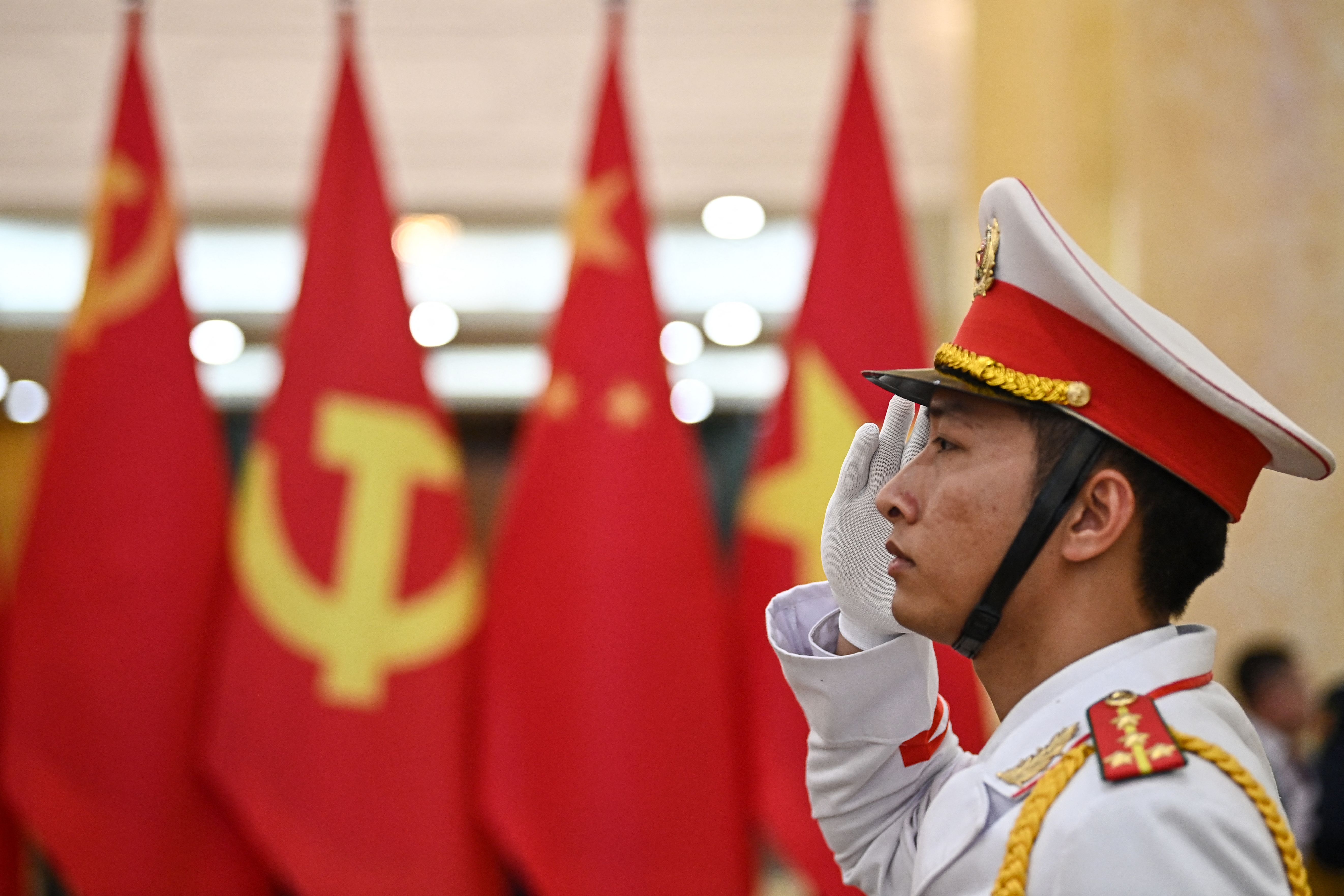
In July 2025, Vietnam and China held their first joint army drill, a modest but symbolic move reflecting Hanoi’s strategic hedging amid U.S.–China rivalry.

Nguyễn Khắc Giang
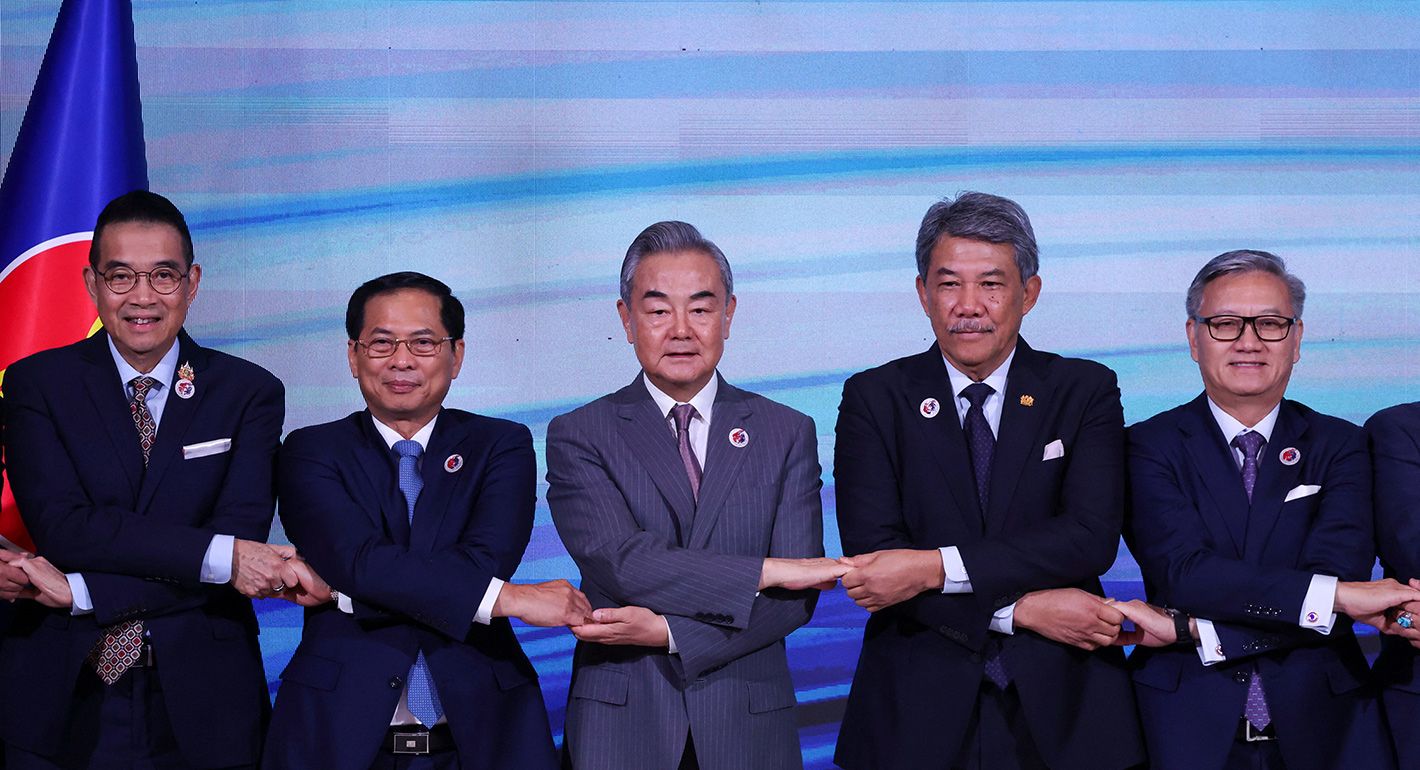
The Thai-Cambodian conflict highlights the limits to China's peacemaker ambition and the significance of this role on Southeast Asia’s balance of power.

Pongphisoot (Paul) Busbarat
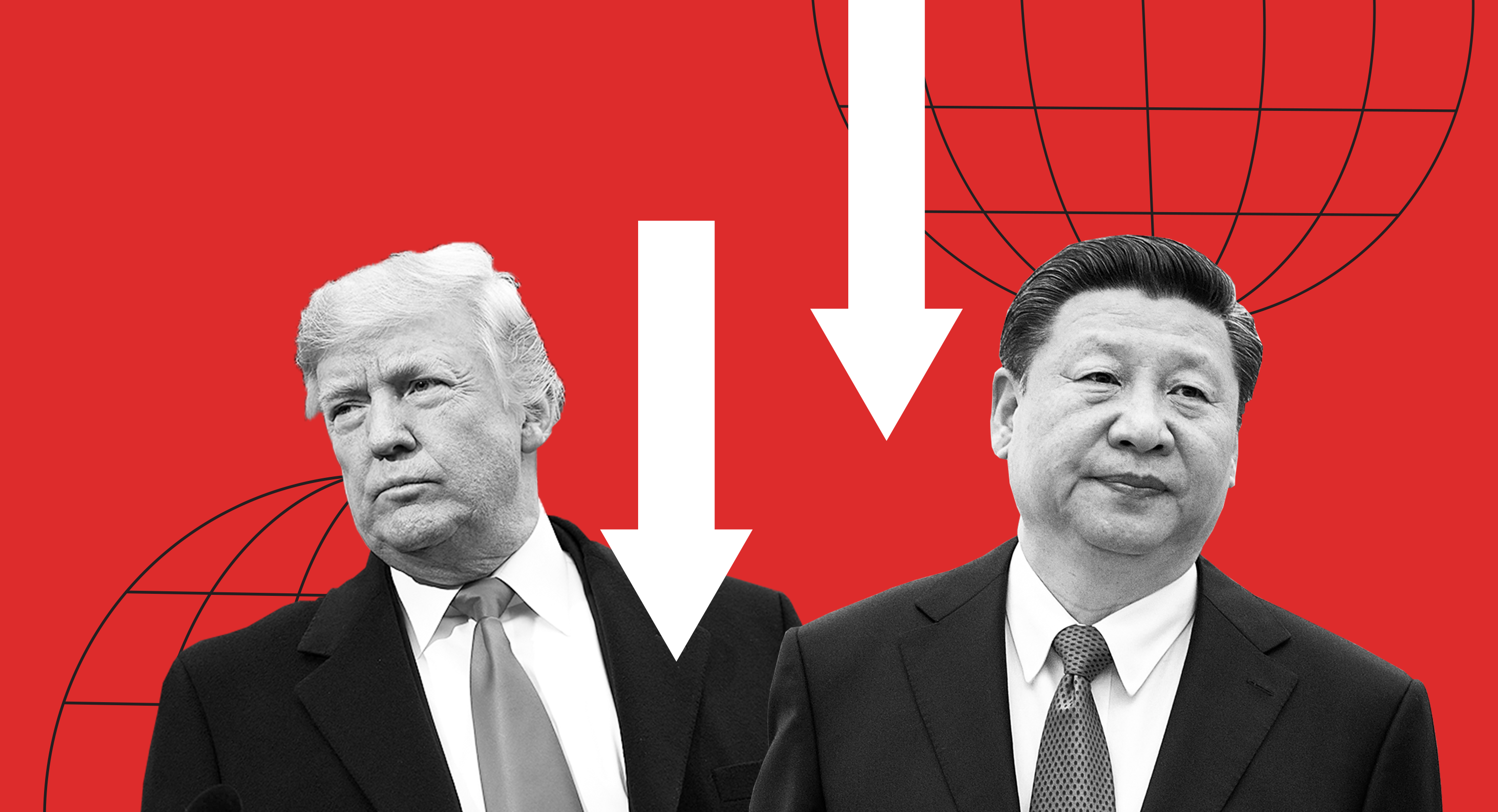
Beijing believes that Washington is overestimating its own leverage and its ability to handle the trade war’s impacts.


Rick Waters, Sheena Chestnut Greitens