

Commentary
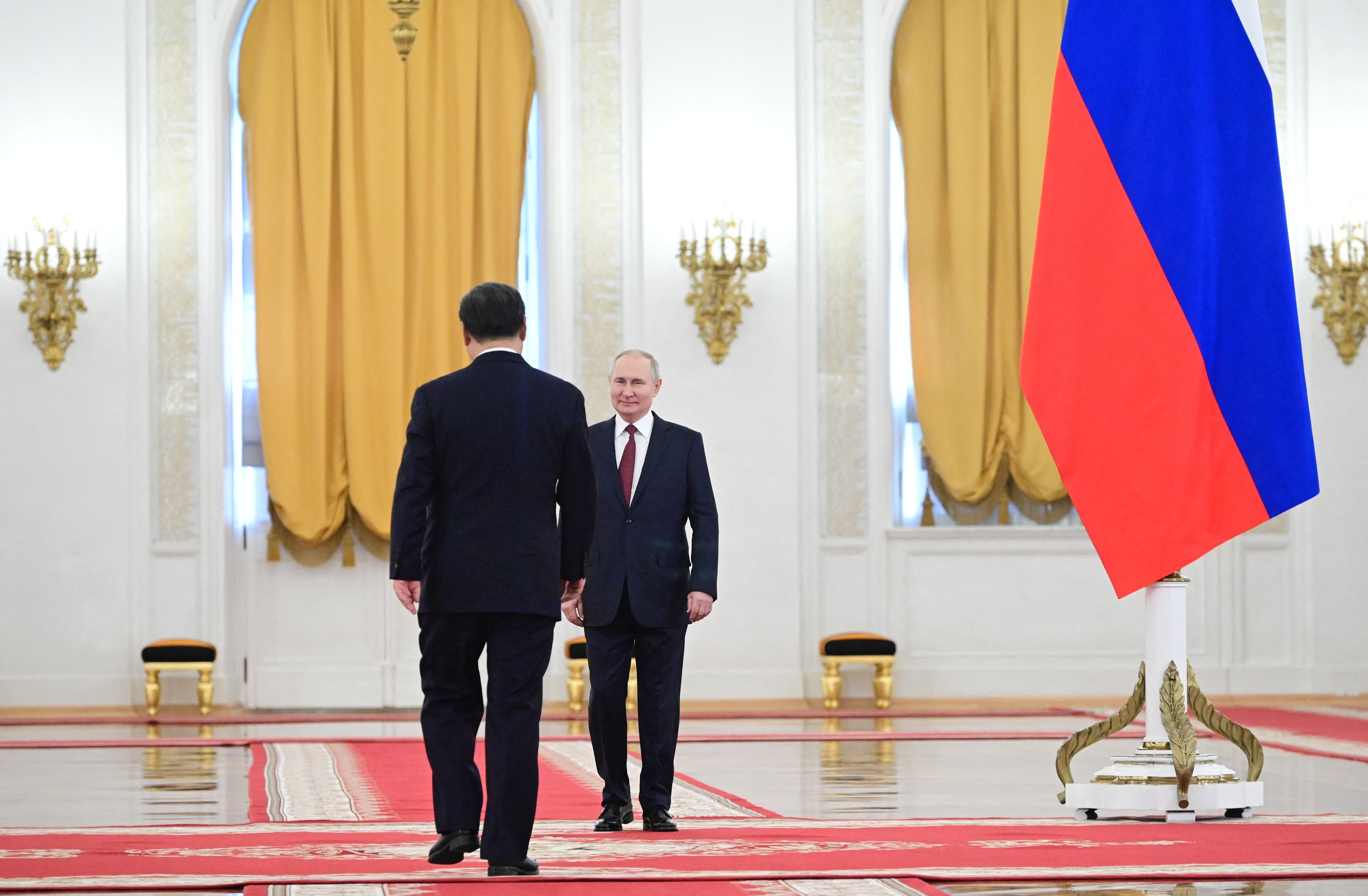
Beijing is trying to navigate the overall situation regarding Ukraine, especially the substance of interactions between Washington and Moscow.
- +1
Ellen Nakashima, Zhao Long, Pavlo Klimkin, …
{
  "authors": [
    "Olga Shumylo-Tapiola",
    "Lucia Najšlová",
    "Věra Řiháčková"
  ],
  "type": "other",
  "centerAffiliationAll": "",
  "centers": [
    "Carnegie Endowment for International Peace",
    "Carnegie Europe"
  ],
  "collections": [
    "Europe’s Eastern Neighborhood"
  ],
  "englishNewsletterAll": "",
  "nonEnglishNewsletterAll": "",
  "primaryCenter": "Carnegie Europe",
  "programAffiliation": "",
  "programs": [],
  "projects": [],
  "regions": [
    "Europe",
    "Eastern Europe",
    "Ukraine",
    "Western Europe",
    "Belarus",
    "Moldova"
  ],
  "topics": []
}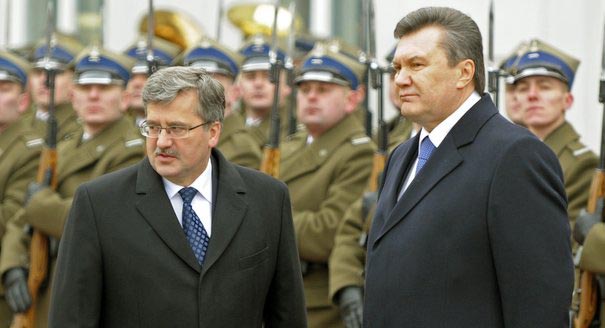
Source: Getty
Encouraging a multi-stakeholder dialogue and amplifying the voice of non-state actors acting in the public interest are key issues on which the Union should focus its assistance to the East.
Source: Policy Paper
Although the EU is today mired in a number of uncertainties regarding the future of its own internal decisionmaking structures, it still is a source of inspiration for reform-minded groups and individuals in its Eastern neighbourhood. While strengthening of democratic institutions and improvement of governance are tasks that have to be desired and accomplished by Eastern neighbours themselves, the EU can contribute to the process by focusing on areas in which it has already a track-record.
Encouraging a multi-stakeholder dialogue and amplifying the voice of non-state actors acting in the public interest are key issues on which the Union should focus its assistance to the East. In its dialogue with partner governments, the EU should emphasize that it supports only projects for which such groups have been previously consulted. At the same time, those in charge of policy towards Eastern neighbours should follow more closely developments in Turkey’s and Russia’s neighbourhood policies towards the same countries.
This piece originally appeared in Notre Europe's Policy Paper, No. 71.

Former Nonresident Associate, Carnegie Europe
Shumylo-Tapiola is a nonresident associate at Carnegie Europe in Brussels, where her research focuses on Eastern Europe and Eurasia.
Lucia Najšlová
EUROPEUM Institute for European Foreign Policy
Věra Řiháčková
EUROPEUM Institute for European Foreign Policy
Carnegie does not take institutional positions on public policy issues; the views represented herein are those of the author(s) and do not necessarily reflect the views of Carnegie, its staff, or its trustees.
Beijing is trying to navigate the overall situation regarding Ukraine, especially the substance of interactions between Washington and Moscow.


Ellen Nakashima, Zhao Long, Pavlo Klimkin, …
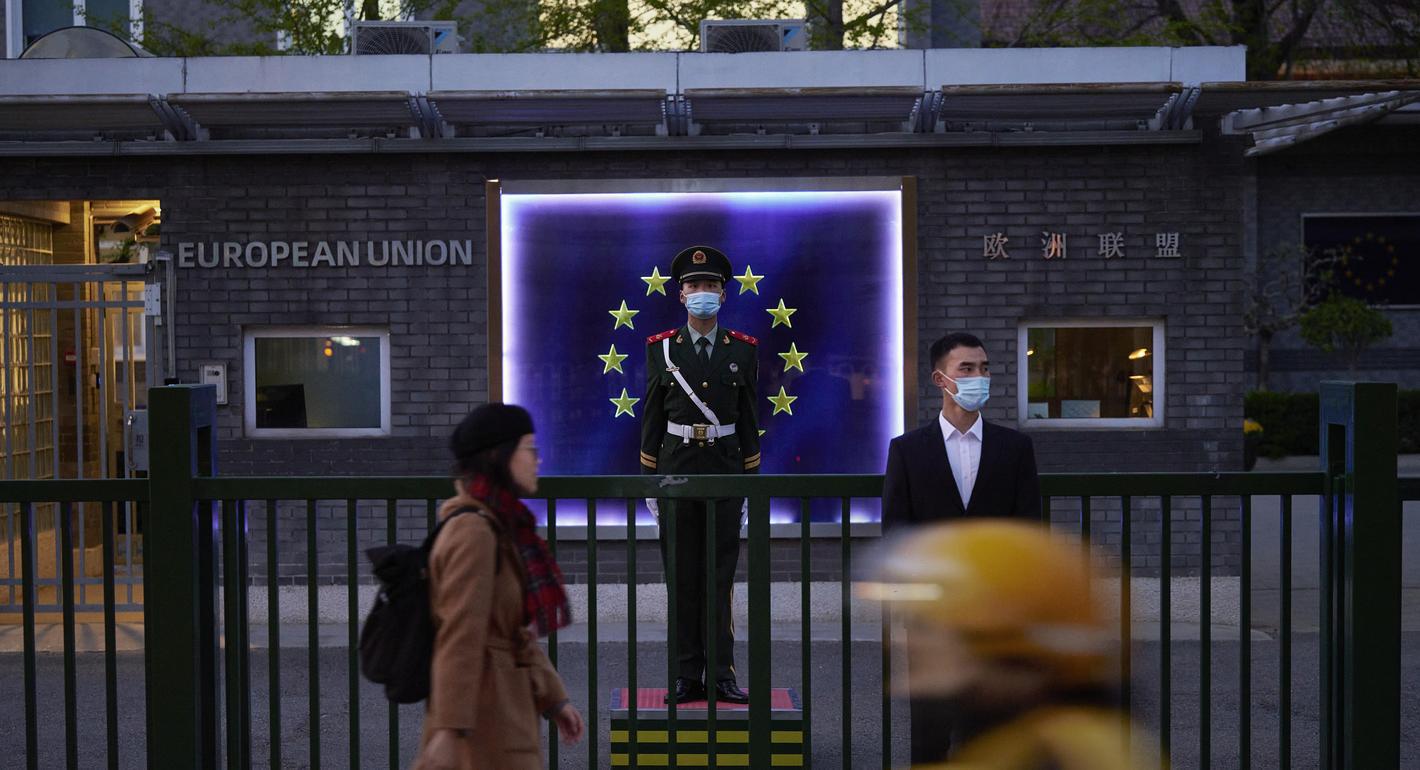
The Russian invasion of Ukraine is a turning point in the EU-China relationship, and evolution of the China-Russia relationship will continue to impact EU-China relations.


Yifan Ding, Alice Ekman
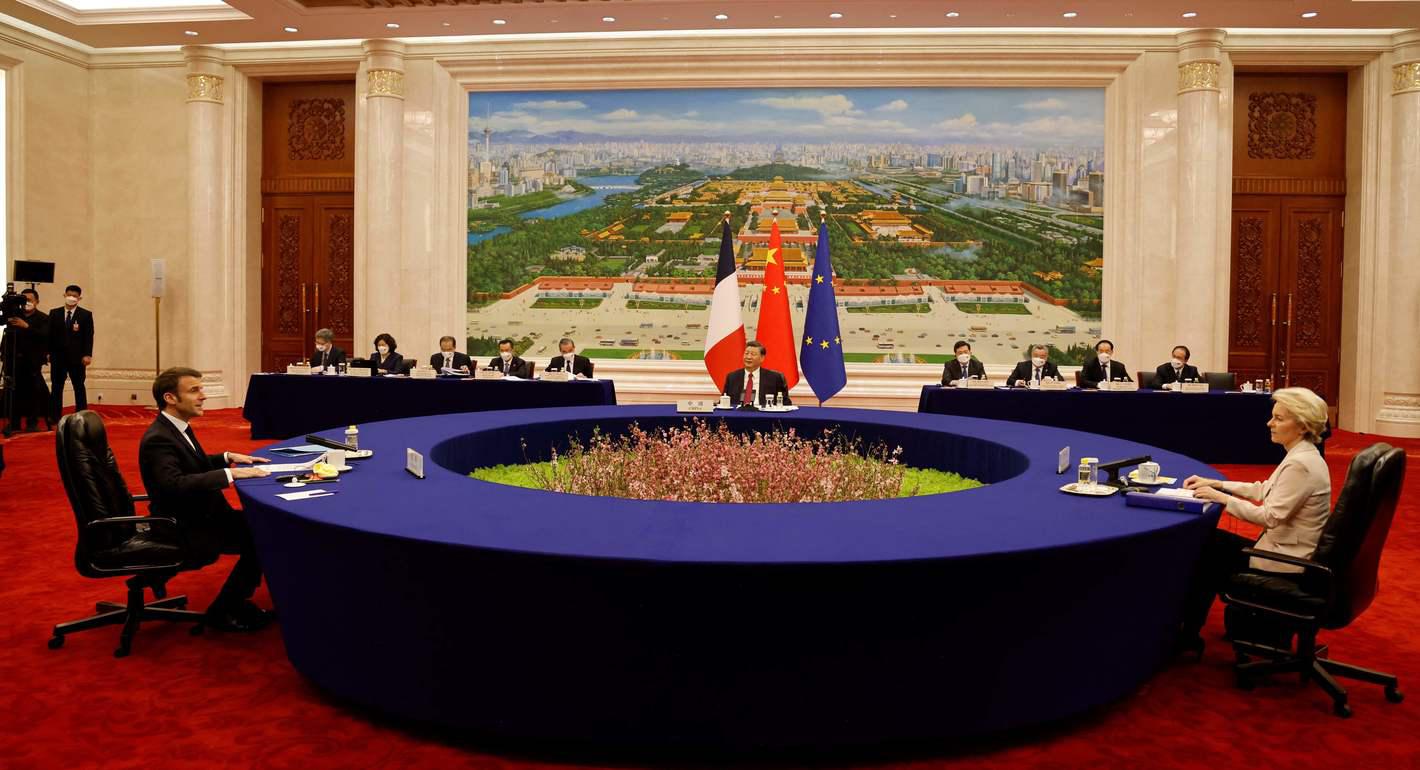
Recent visits by European officials highlight the EU’s lack of internal cohesion.



Paul Haenle, Chan Heng Chee, Liu Yawei, …
“It’s not so clear how we’re going to get out of this.”
Paul Haenle, Philippe Le Corre
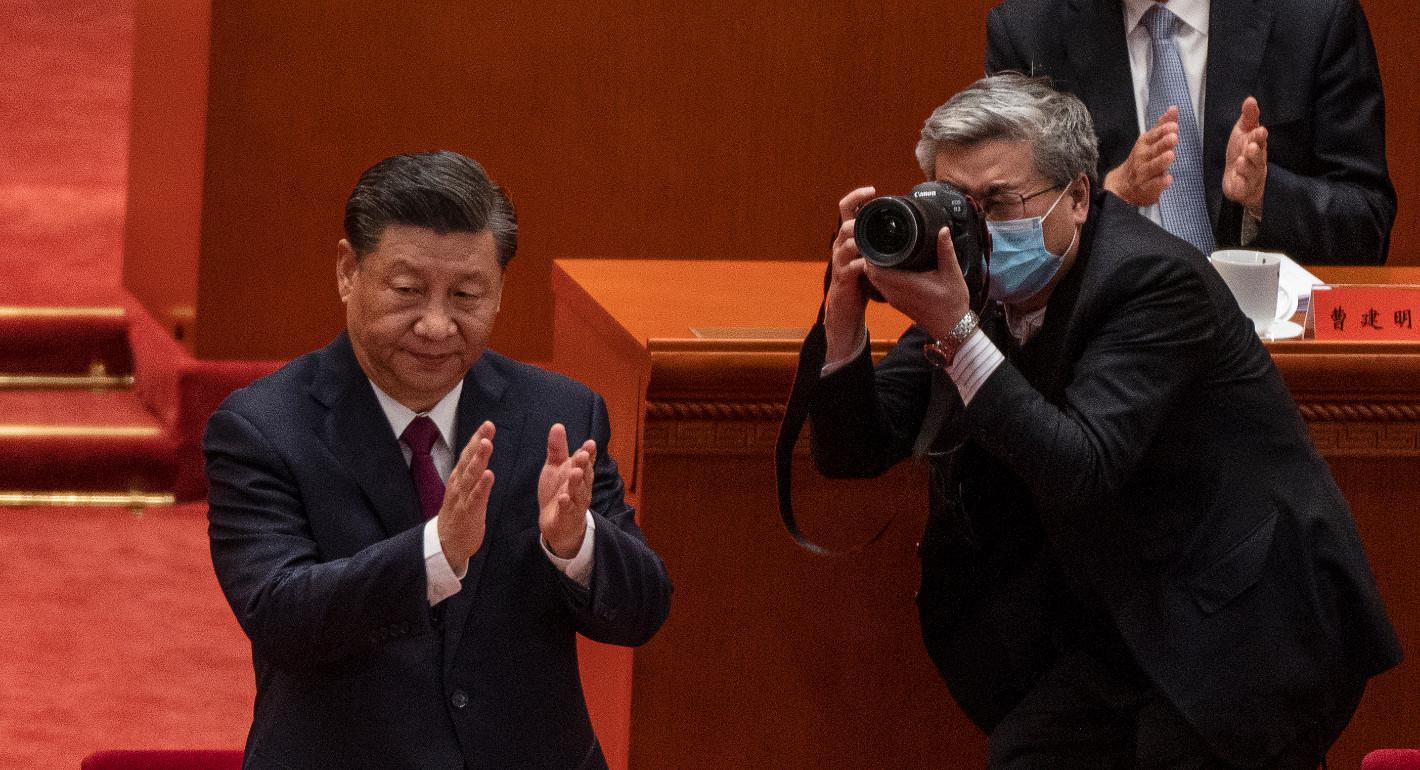
The war in Ukraine is increasing Beijing’s concern about Washington’s intentions.

Paul Haenle, Tong Zhao