

In The Media
Petr Topychkanov
{
  "authors": [
    "Petr Topychkanov"
  ],
  "type": "legacyinthemedia",
  "centerAffiliationAll": "",
  "centers": [
    "Carnegie Endowment for International Peace",
    "Carnegie Russia Eurasia Center"
  ],
  "collections": [],
  "englishNewsletterAll": "",
  "nonEnglishNewsletterAll": "",
  "primaryCenter": "Carnegie Russia Eurasia Center",
  "programAffiliation": "",
  "programs": [],
  "projects": [
    "Eurasia in Transition"
  ],
  "regions": [
    "South Asia",
    "Pakistan"
  ],
  "topics": [
    "Political Reform",
    "Military"
  ]
}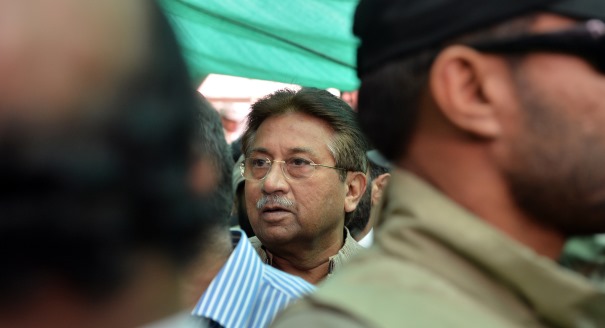
Source: Getty
The arrest of Pervez Musharraf is a momentous event for Pakistan, since his conviction would deprive the country’s military establishment of impunity it has long enjoyed.
Source: Voice of Russia's Morning Show
After returning from a four-year exile, Pervez Musharraf is in custody. Carnegie Moscow Center’s Petr Topychkanov spoke about reasons for Musharraf’s return to Pakistan after four years of exile and his recent arrest with Voice of Russia’s Ric Young.Regarding Musharraf’s reasons to return and participate in elections, Topychkanov noted that the former Pakistani president and top commander hoped for the support of the military establishment and military-owned businesses. However, while in exile he was unable to accurately gauge the changes in the Pakistan’s political environment , Topychkanov said. Musharraf thus made a mistake deciding to return to the country, where he actually had no support whatsoever.
According to Topychkanov, the arrest of Musharraf is a momentous event for Pakistan since his conviction would deprive the country’s military establishment of the legal impunity it has been enjoying for a long time.
Topychkanov admitted that there is no doubt the judges will try to bring all the possible charges against Musharraf, including the assassination of Benazir Bhutto. However, it is hard to predict whether he will be imprisoned since he will try to reach some sort of agreement with Pakistani judges and current politicians, Topychkanov concluded.
Former Fellow, Nonproliferation Program, Moscow Center
Topychkanov was a fellow in the Carnegie Moscow Center’s Nonproliferation Program.
Recent Work
Petr Topychkanov
Petr Topychkanov
Carnegie does not take institutional positions on public policy issues; the views represented herein are those of the author(s) and do not necessarily reflect the views of Carnegie, its staff, or its trustees.
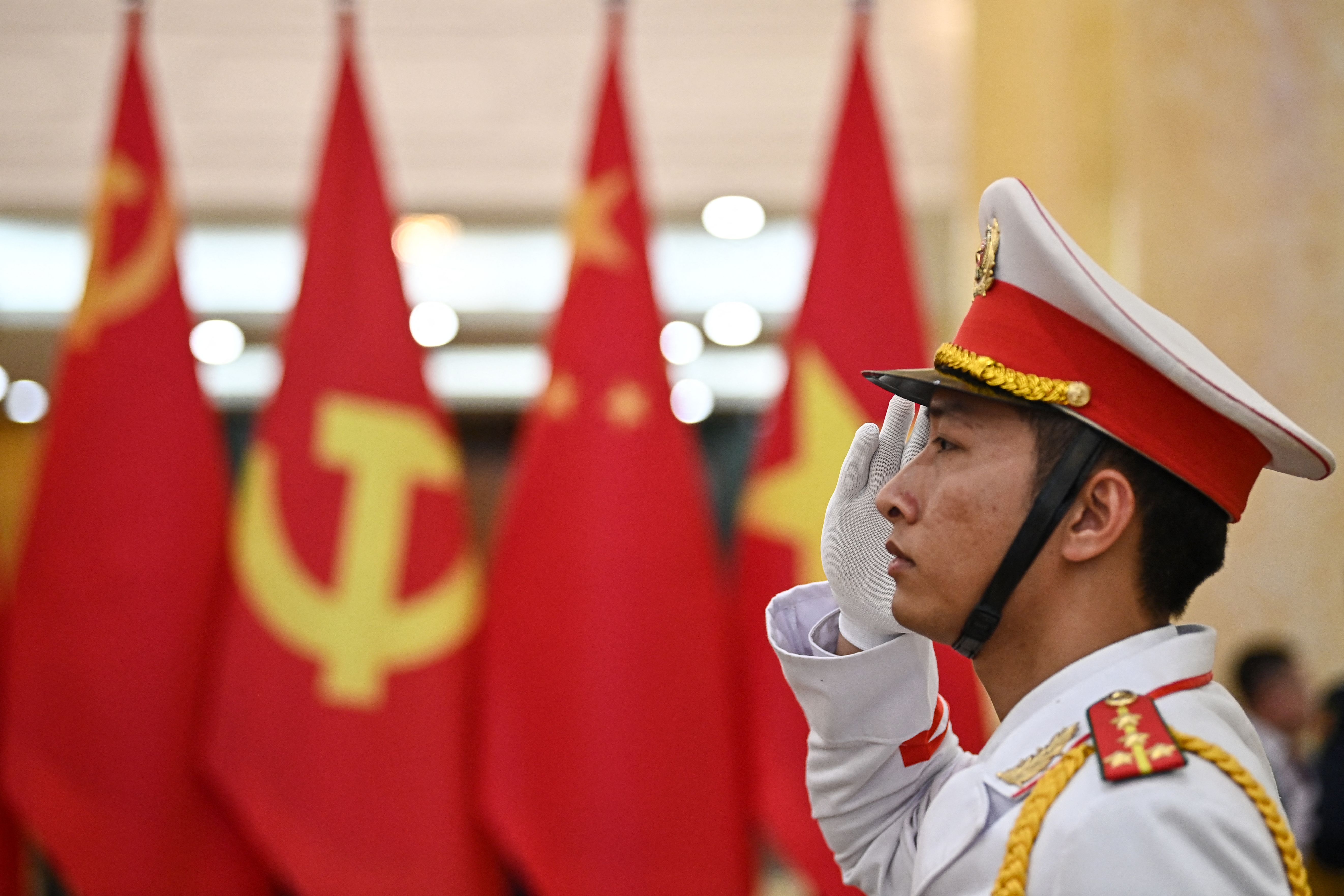
In July 2025, Vietnam and China held their first joint army drill, a modest but symbolic move reflecting Hanoi’s strategic hedging amid U.S.–China rivalry.

Nguyễn Khắc Giang
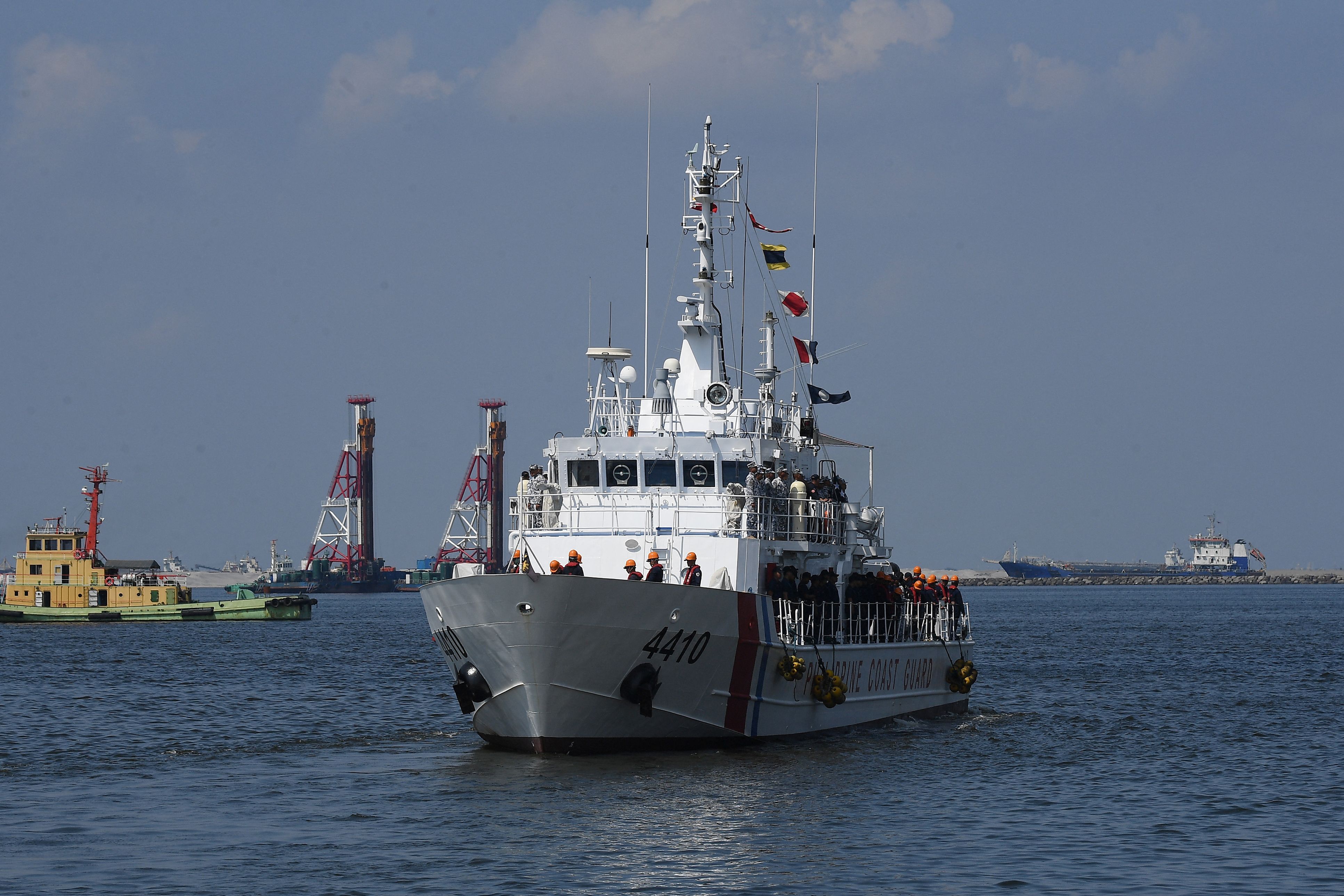
Most Southeast Asian states behave as if the actions of their Northeast Asian neighbors and the Philippines will be sufficient to maintain a regional status quo from which they can benefit.

Chong Ja Ian
Transactional relationships are stable but can be shallow.


Paul Haenle, Maha Yahya, Benjamin Ho, …
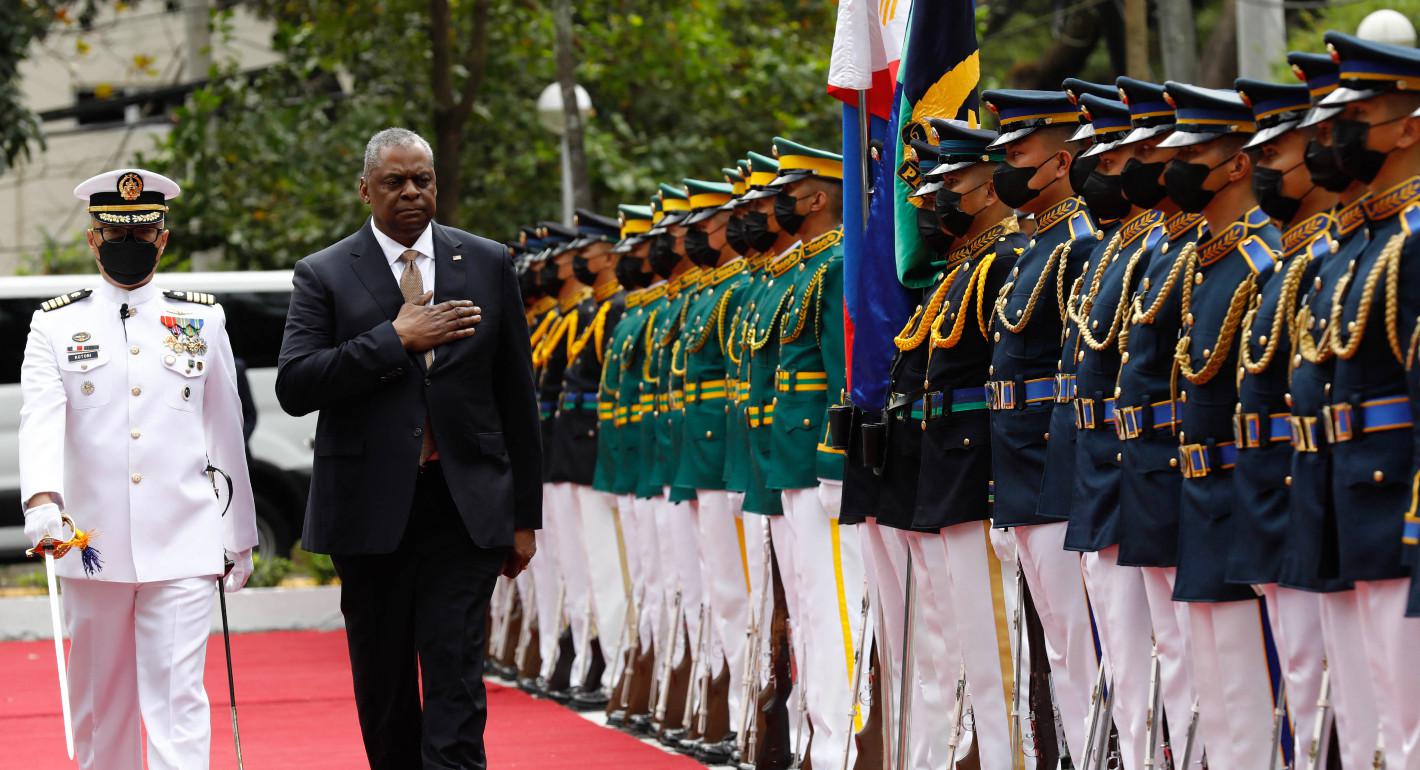
Blinken’s Beijing visit will be seen through a security lens, but Washington should separate its alliance from Manila from its calculations around China.

Charmaine Misalucha-Willoughby
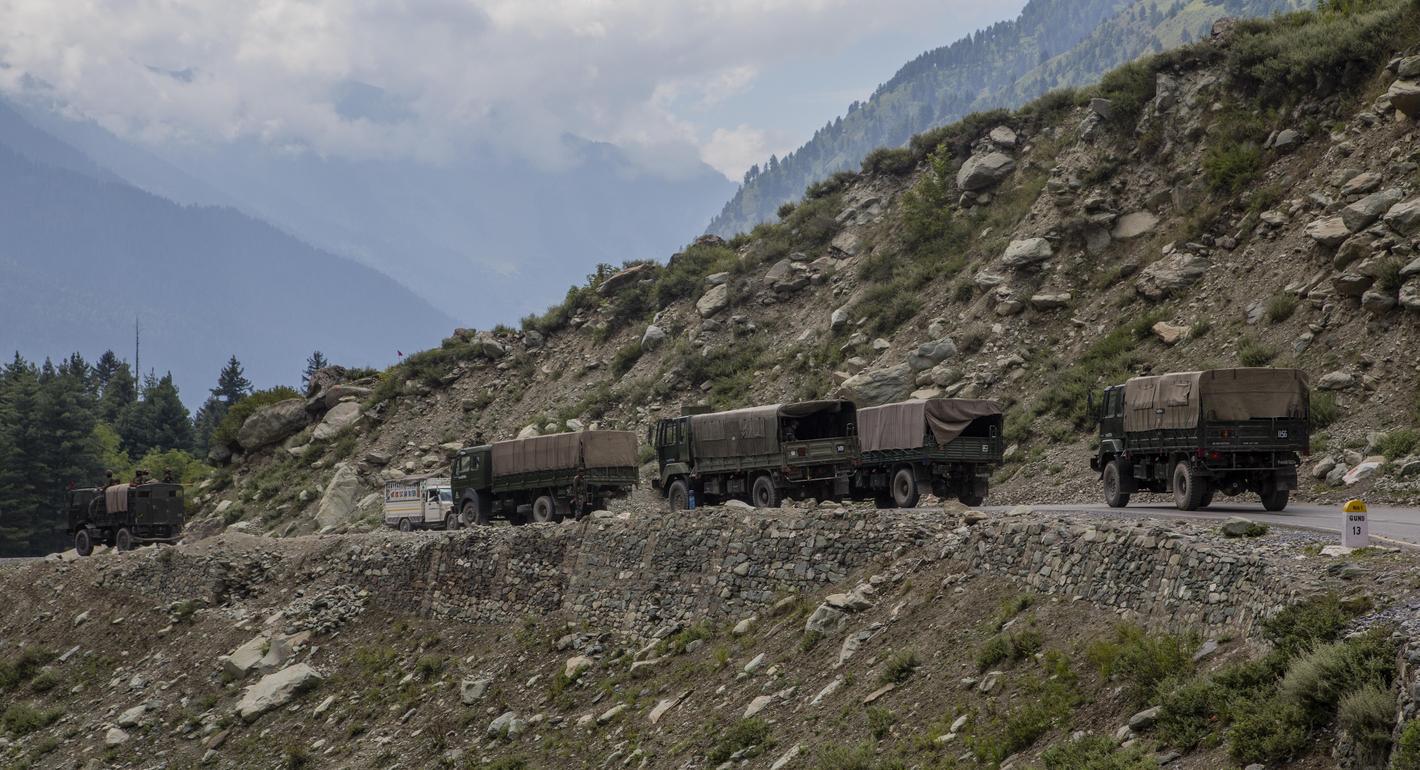
Can China and India disengage from contested territories along the border?
Paul Haenle, Ashley J. Tellis, Han Hua, …