

Research
- +10
Rosa Balfour, Frances Z. Brown, Yasmine Farouk, …
{
  "authors": [
    "Moisés Naím"
  ],
  "type": "legacyinthemedia",
  "centerAffiliationAll": "",
  "centers": [
    "Carnegie Endowment for International Peace"
  ],
  "collections": [],
  "englishNewsletterAll": "",
  "nonEnglishNewsletterAll": "",
  "primaryCenter": "Carnegie Endowment for International Peace",
  "programAffiliation": "",
  "programs": [],
  "projects": [],
  "regions": [
    "North America",
    "United States"
  ],
  "topics": [
    "Political Reform"
  ]
}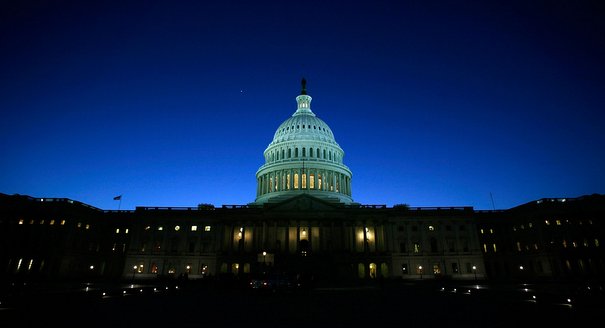
Source: Getty
The negative connotation associated with political parties has led to dwindling youth membership. Changes must take root in order to get the U.S. political system out of gridlock and paralysis.
Source: Prospect Magazine
When I speak to university students, I often ask how many of them would want to join me if there was a butterfly endangered in Indonesia, and I was forming an organisation to save it. Inevitably, a few hands go up. Then, I ask how many would want to join me in one of the existing political parties. They all run for the doors.
This may sound trivial but I believe it represents a global trend with serious consequences. Around the world, political parties have had a disastrous couple of decades, especially compared to non-governmental organisations (NGOs). Nowadays, when it comes to attracting idealistic, engaged people, especially the young, parties barely stand a chance. Many still retain substantial power and in some countries it is impossible for new rivals to contest them. But in most democracies, the traditional party structure has been replaced by inchoate and unstable coalitions made of tired old parties and newer but transient political organisations.
Why does that matter? Democracies based on single-issue NGOs and opportunistic electoral machines are weak democracies. And they are proliferating. To fix that, we need a wave of political innovation that parallels the other innovations that have transformed our lives—the way we eat, read, write, shop, date, travel, and communicate. Almost everything we do has been transformed by new technologies and organisations. Everything, that is, except the way we govern ourselves. We need disruptive, revolutionary innovations to pull democratic parties into the 21st century.That’s why, if I were to rule the world, one of my priorities would be to change political parties in order to attract the many individuals who want to change the world (or their country) but that would never consider doing so through a political party. Of course, I would also want to make the world less poor, more equal and more able to change the behaviours that feed global warming. I realise that fixing parties is no silver bullet. Yet I believe that bringing political parties back into fashion would help democracies regain the power they need to tackle some of the biggest challenges of our time.
As it stands, political paralysis is rising, and governments have become increasingly incapable of making the decisions needed to deal with their country’s problems. When power becomes this constrained, stability, safety, and material prosperity suffer.
Around the world “vetocracies” (a term coined by Francis Fukuyama) are proliferating. Systems where myriad actors have just enough power to veto, dilute and delay decisions but where no single actor has enough power to push through an agenda. Take, for example, the sequester debacle in America. One faction’s refusal to compromise on a budget deal has led to sweeping and irrational cuts bound to hurt the nation. Or take Italy, where recent elections have resulted in parliamentary deadlock, making it impossible to form a viable government. Or Israel. Or the UK.
This political paralysis is hampering not only national governments, but international efforts to solve global problems, from climate change to nuclear proliferation to economic crises.
What, then, to do? To improve the effectiveness of democratic governments, political parties must regain the ability to inspire and mobilise people—especially the young—who would otherwise disdain politics, or channel whatever political energy they have through single-issue organisations or even fringe groups. Political parties must be willing to drastically overhaul their structures, mindsets and methods to a new world.
To do this, they could take a few ideas from, for example, Occupy Wall Street—or even al Qaeda. Now of course I don’t think they should become homicidal cults or disjointed, quasi-anarchic political movements long on ideals and short on pragmatism. But the ability to recruit young, idealistic and highly motivated activists willing to sacrifice for the organisation and its cause is something political parties need to re-learn. Parties must reach out to larger segments of society, beyond their narrow, traditional base of activists. Only then will they be able to recover the kind of power they need to govern us well.
Without these changes, sustained progress in fighting the threats at home and abroad that conspire against our security and prosperity will be impossible. I want a world where democratically elected leaders and their governments have more power to get things done. And I am convinced that in order to get that we need stronger, more modern and more democratic political parties.

Distinguished Fellow
Moisés Naím is a distinguished fellow at the Carnegie Endowment for International Peace, a best-selling author, and an internationally syndicated columnist.
Recent Work



Rosa Balfour, Frances Z. Brown, Yasmine Farouk, …
Moisés Naím
Carnegie does not take institutional positions on public policy issues; the views represented herein are those of the author(s) and do not necessarily reflect the views of Carnegie, its staff, or its trustees.

For Malaysia, the conjunction that works is “and” not “or” when it comes to the United States and China.

Elina Noor

Regulation, not embargo, allows Beijing to shape how other countries and firms adapt to its terms.

Alvin Camba
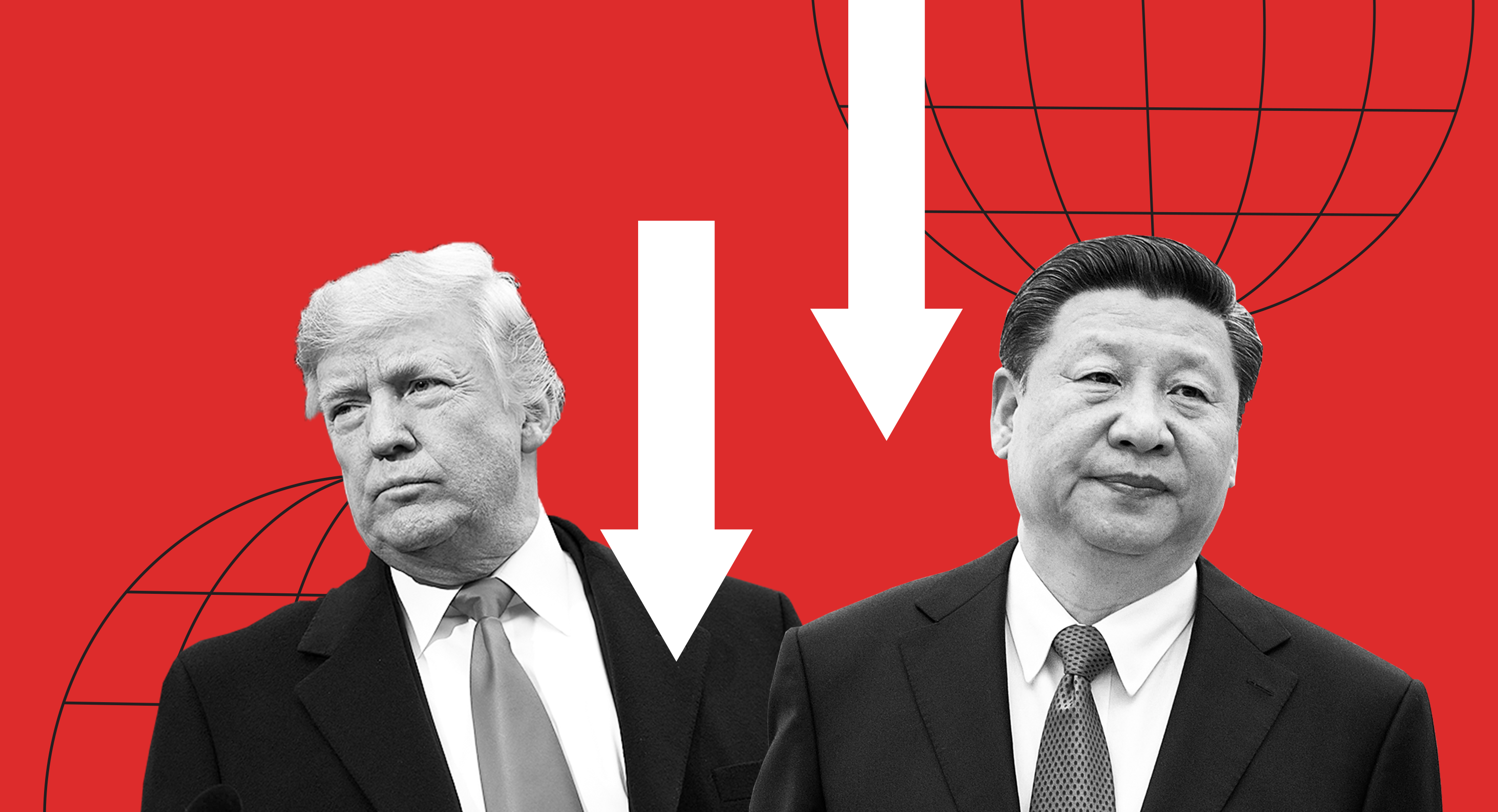
Beijing believes that Washington is overestimating its own leverage and its ability to handle the trade war’s impacts.


Rick Waters, Sheena Chestnut Greitens
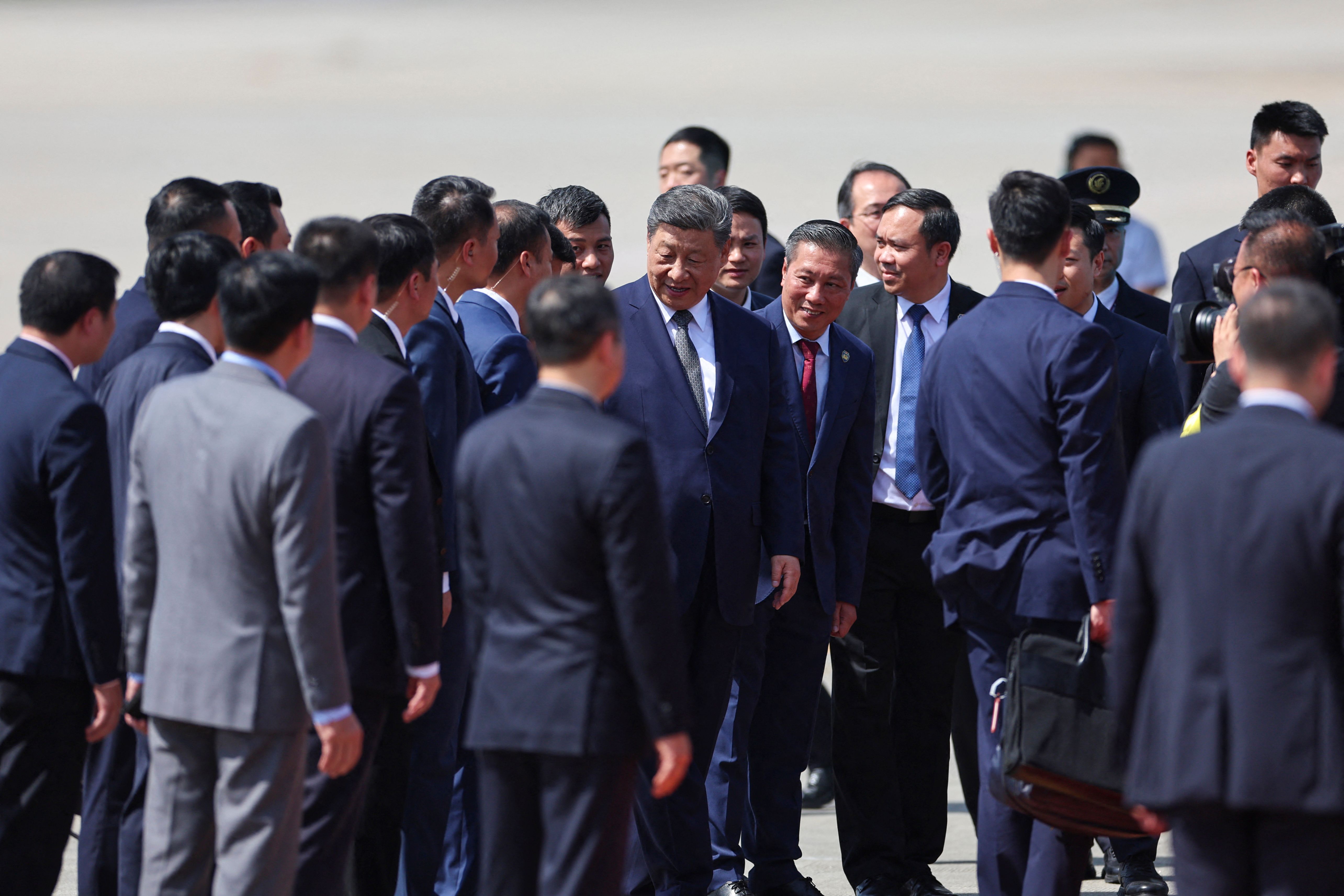
Tapping our network of China experts in the region, Carnegie China offers this latest “China Through a Southeast Asian Lens” report to offer preliminary assessments of whether the U.S. effort to reshape the global trading order will lead countries in the region to tilt toward Beijing.


Selina Ho, Khin Khin Kyaw Kyee, Joseph Ching Velasco, …

Beijing is trying to navigate the overall situation regarding Ukraine, especially the substance of interactions between Washington and Moscow.

Ellen Nakashima, Zhao Long, Pavlo Klimkin, …