

Q&A
Suzanne Maloney, Aaron David Miller, Karim Sadjadpour
{
  "authors": [
    "Karim Sadjadpour"
  ],
  "type": "legacyinthemedia",
  "centerAffiliationAll": "dc",
  "centers": [
    "Carnegie Endowment for International Peace"
  ],
  "collections": [],
  "englishNewsletterAll": "menaTransitions",
  "nonEnglishNewsletterAll": "",
  "primaryCenter": "Carnegie Endowment for International Peace",
  "programAffiliation": "MEP",
  "programs": [
    "Middle East"
  ],
  "projects": [],
  "regions": [
    "Middle East",
    "Iran"
  ],
  "topics": [
    "Political Reform"
  ]
}
Source: Getty
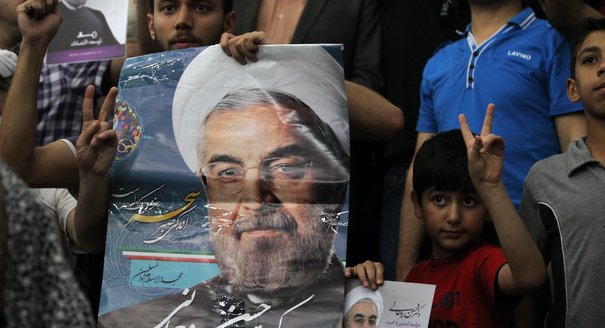
While the outcome of Iran’s presidential election will not change the country’s external behavior with regard to its nuclear program, support for the Assad regime, or opposition to the United States and Israel, the new president will likely impact Iran’s internal atmosphere.
Source: BBC World News America
In the lead up to the Iranian presidential elections, Carnegie's Karim Sadjadpour told BBC World News America that while the outcome of this election will not change Iran’s external behavior with regard to its nuclear program, support for the Assad regime, or opposition to the United States and Israel, the new president will likely impact Iran’s internal atmosphere. While all of the candidates are conservative, the lone reformist candidate is Hassan Rowhani who is not a “fire breathing anti-American ideologue.” Sadjadpour predicted that there would most likely be a runoff election and that protests on the scale of those that occurred in 2009 were unlikely. He also argued that the incoming president will face serious economic challenges as Iran is dealing with draconian sanctions, an oil embargo, and colossal economic mismanagement and corruption.
This interview was originally aired on BBC World News America.

Senior Fellow, Middle East Program
Karim Sadjadpour is a senior fellow at the Carnegie Endowment for International Peace, where he focuses on Iran and U.S. foreign policy toward the Middle East.
Recent Work


Suzanne Maloney, Aaron David Miller, Karim Sadjadpour

Aaron David Miller, Karim Sadjadpour, Robin Wright
Carnegie does not take institutional positions on public policy issues; the views represented herein are those of the author(s) and do not necessarily reflect the views of Carnegie, its staff, or its trustees.
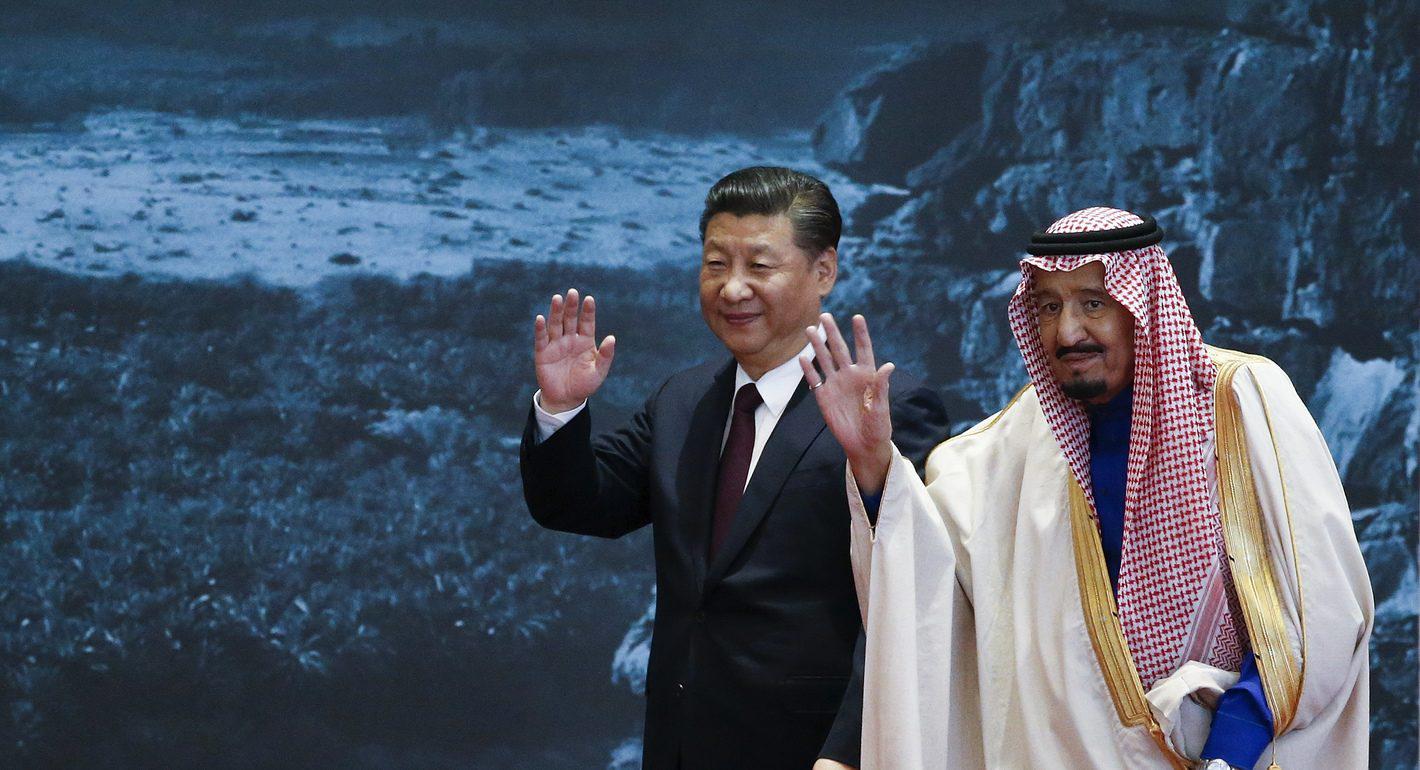
The advantage that China has over other global powers, especially America, is that its foreign policy is closely aligned with those of many of the Middle Eastern countries.
Jin Liangxiang, Maha Yahya, Hesham Alghannam
Transactional relationships are stable but can be shallow.

Paul Haenle, Maha Yahya, Benjamin Ho, …
“It’s not so clear how we’re going to get out of this.”
Paul Haenle, Philippe Le Corre
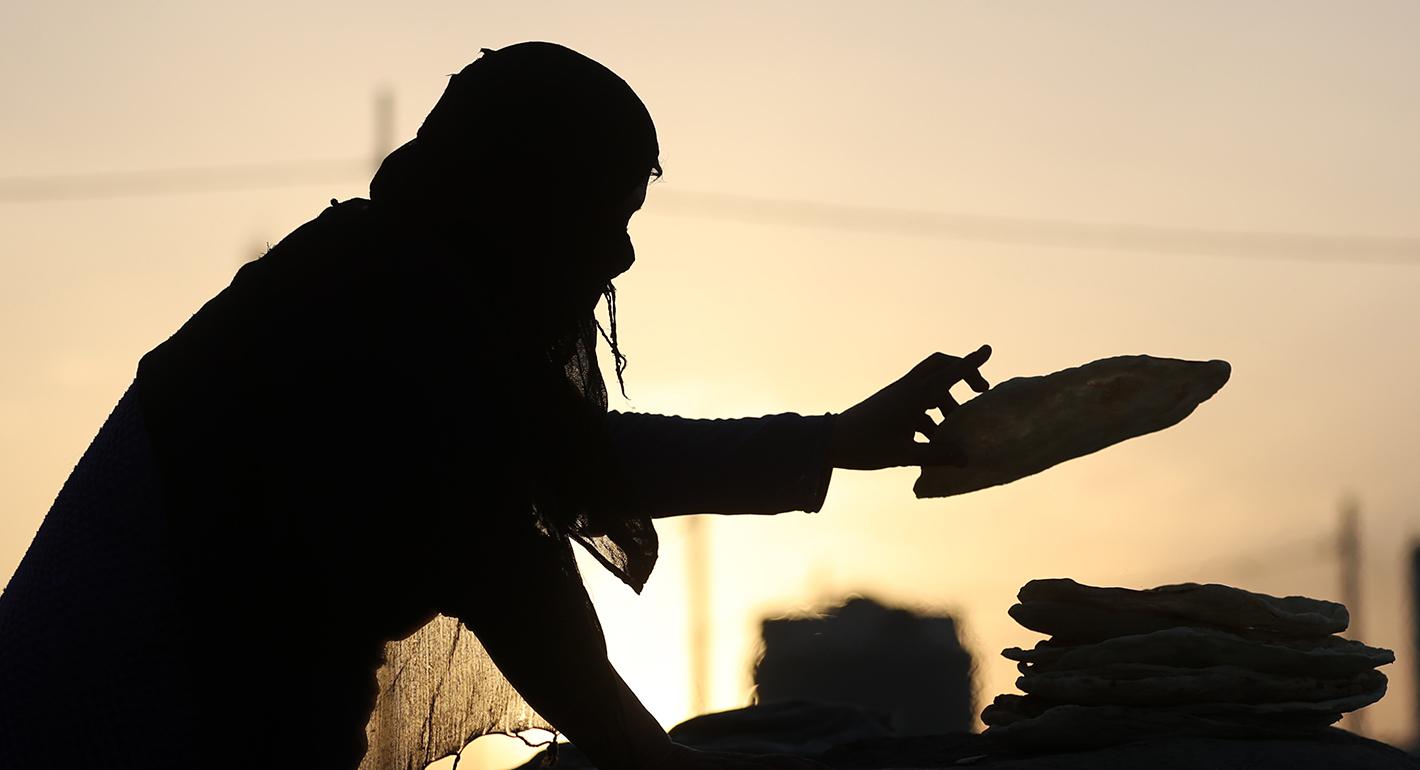
It’s about managing oil prices, bread prices, and strategic partnerships.

Amr Hamzawy, Karim Sadjadpour, Aaron David Miller, …

With the potential of enabling not only significant economic growth but also the innovation of critical technologies in various fields, both the United States and China view 5G as one of the key influencing factors in the “great power competition.”
Lyu Jinghua