

Research
- +10
Rosa Balfour, Frances Z. Brown, Yasmine Farouk, …
{
  "authors": [
    "Moisés Naím"
  ],
  "type": "legacyinthemedia",
  "centerAffiliationAll": "",
  "centers": [
    "Carnegie Endowment for International Peace"
  ],
  "collections": [],
  "englishNewsletterAll": "",
  "nonEnglishNewsletterAll": "",
  "primaryCenter": "Carnegie Endowment for International Peace",
  "programAffiliation": "",
  "programs": [],
  "projects": [],
  "regions": [
    "North America"
  ],
  "topics": [
    "Political Reform",
    "Global Governance",
    "Religion"
  ]
}
Source: Getty
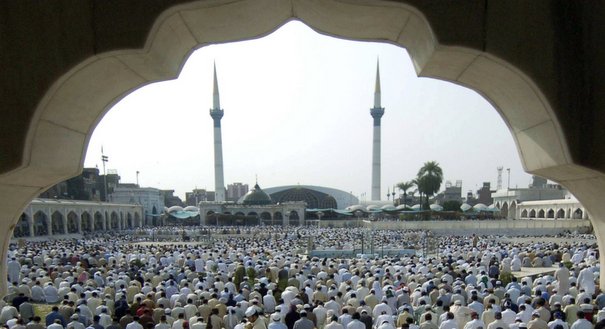
There are a number of obstacles facing major established religious institutions in today’s globalized world, where the number of smaller religious affiliations has proliferated.
Source: VOA Press Conference
Speaking to Voice of America, Carnegie's Moises Naím discussed the fascinating trends overcoming religions in today's global society. Established religious institutions, which once had strong followings in countries across the world, are losing their market share, Naím explained. For instance, the 1970 census in Brazil showed 90 percent of the population identifying as Catholic. In 2010, this figure dropped to 65 percent. The same trend is occurring in Guatemala, the Philippines, and Nigeria. On the reverse end, Naím added, some religious sectors are growing. The Pentecostal church has seen a surge, as it has been competing effectively in attracting people that come from families with traditional roots in one of the more common institutionalized religions.
Islam, like Christianity, is also seeing a revolution; it is observing hyper-fragmentation, Naím argued.. Unlike the centralized hierarchy in Catholicism, there is no central power or order that established a homogenous doctrine and rules for the religious following, Naím concluded.

Distinguished Fellow
Moisés Naím is a distinguished fellow at the Carnegie Endowment for International Peace, a best-selling author, and an internationally syndicated columnist.
Recent Work



Rosa Balfour, Frances Z. Brown, Yasmine Farouk, …
Moisés Naím
Carnegie does not take institutional positions on public policy issues; the views represented herein are those of the author(s) and do not necessarily reflect the views of Carnegie, its staff, or its trustees.
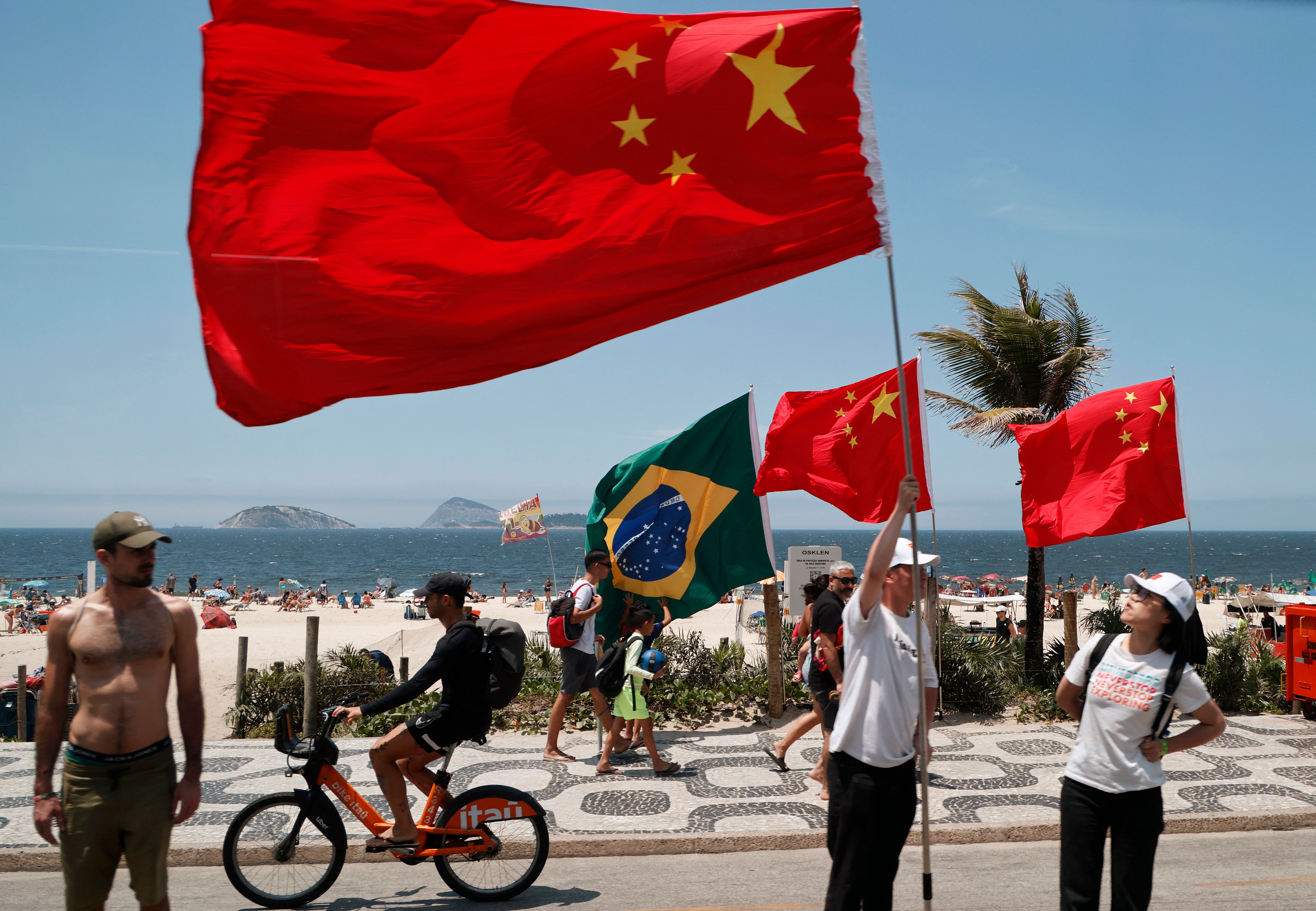
While China will remain a significant political and economic force in the Global South, its ambition to leverage the Global South as a counterbalance to the United States and the Global North is far from assured.

Xue Gong
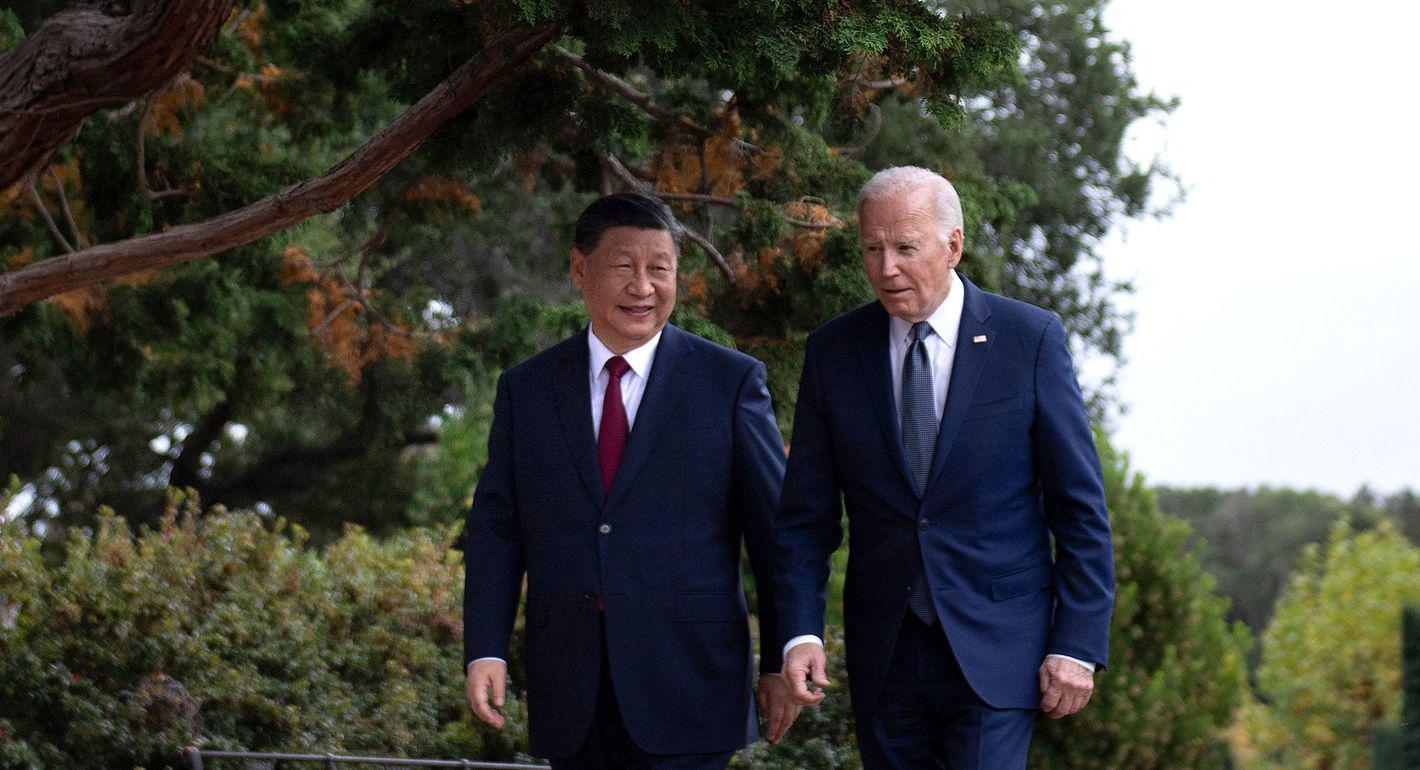
Carnegie China scholars share their assessment of the Biden-Xi meeting and its implications for U.S.-China relations going forward.


Paul Haenle, Xue Gong, Ngeow Chow Bing, …
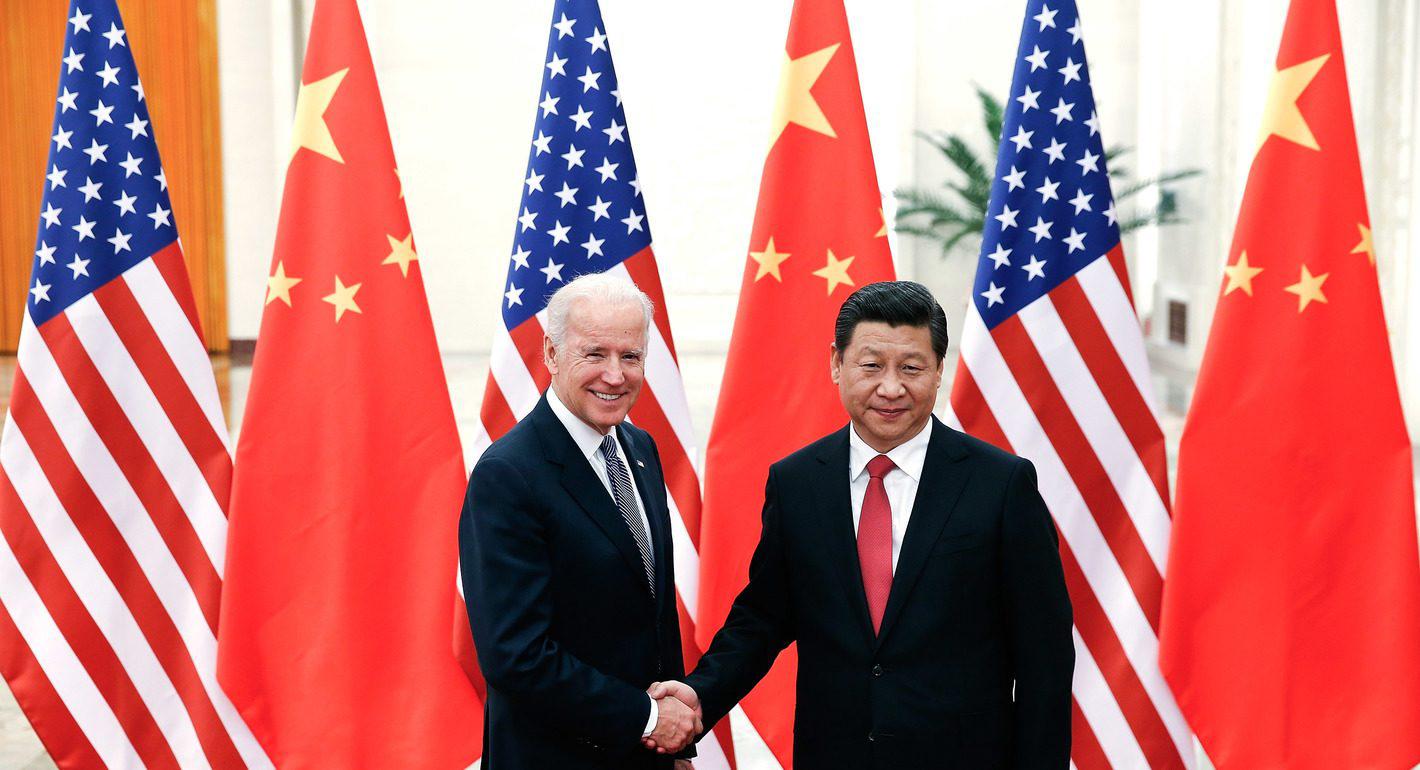
Southeast Asian capitals would prefer that the U.S. and PRC manage their relationship, if not get along.

Paul Haenle, Chong Ja Ian
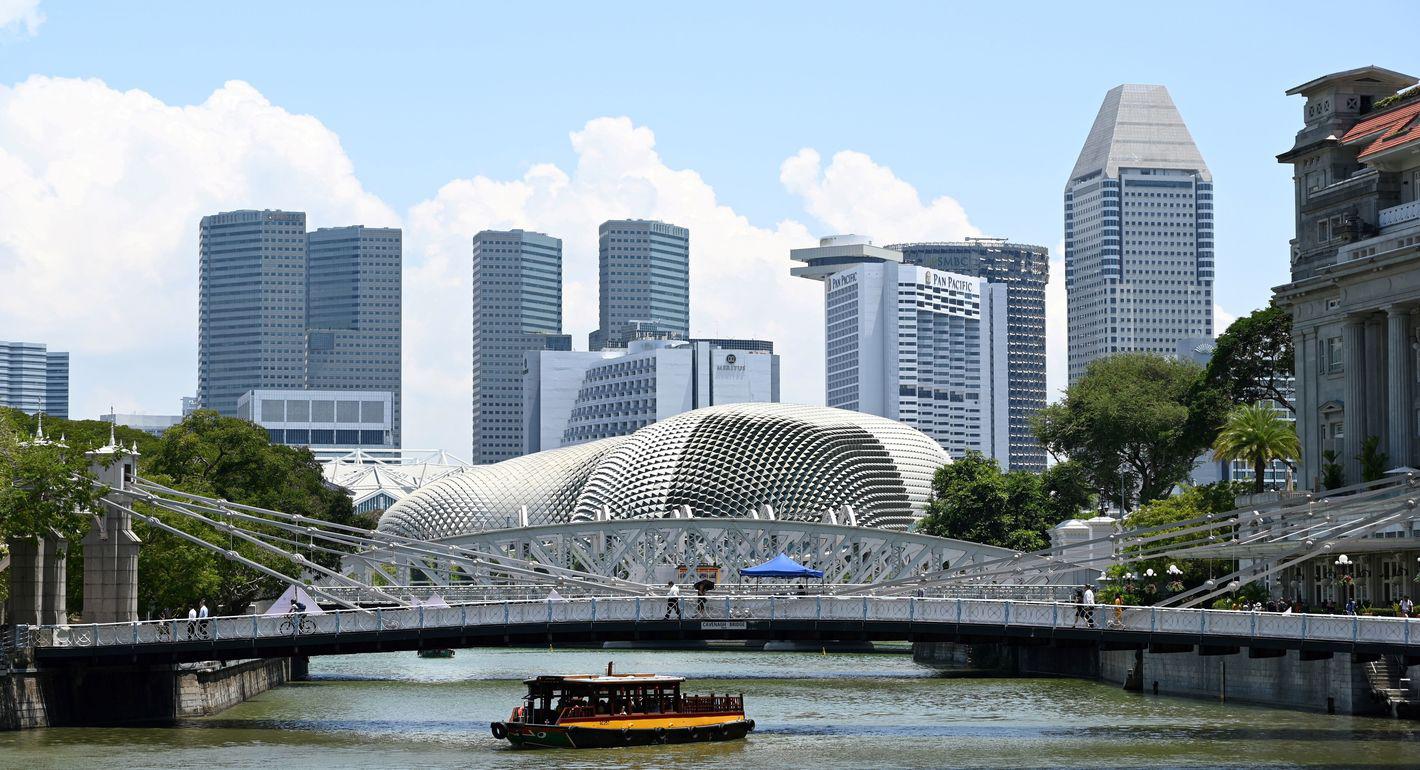
As the world undergoes a new round of fragmentation and major power rivalry that includes the advancing of divergent visions of global order, Singapore is discovering that its interests are increasingly being pulled in different directions.
Chong Ja Ian
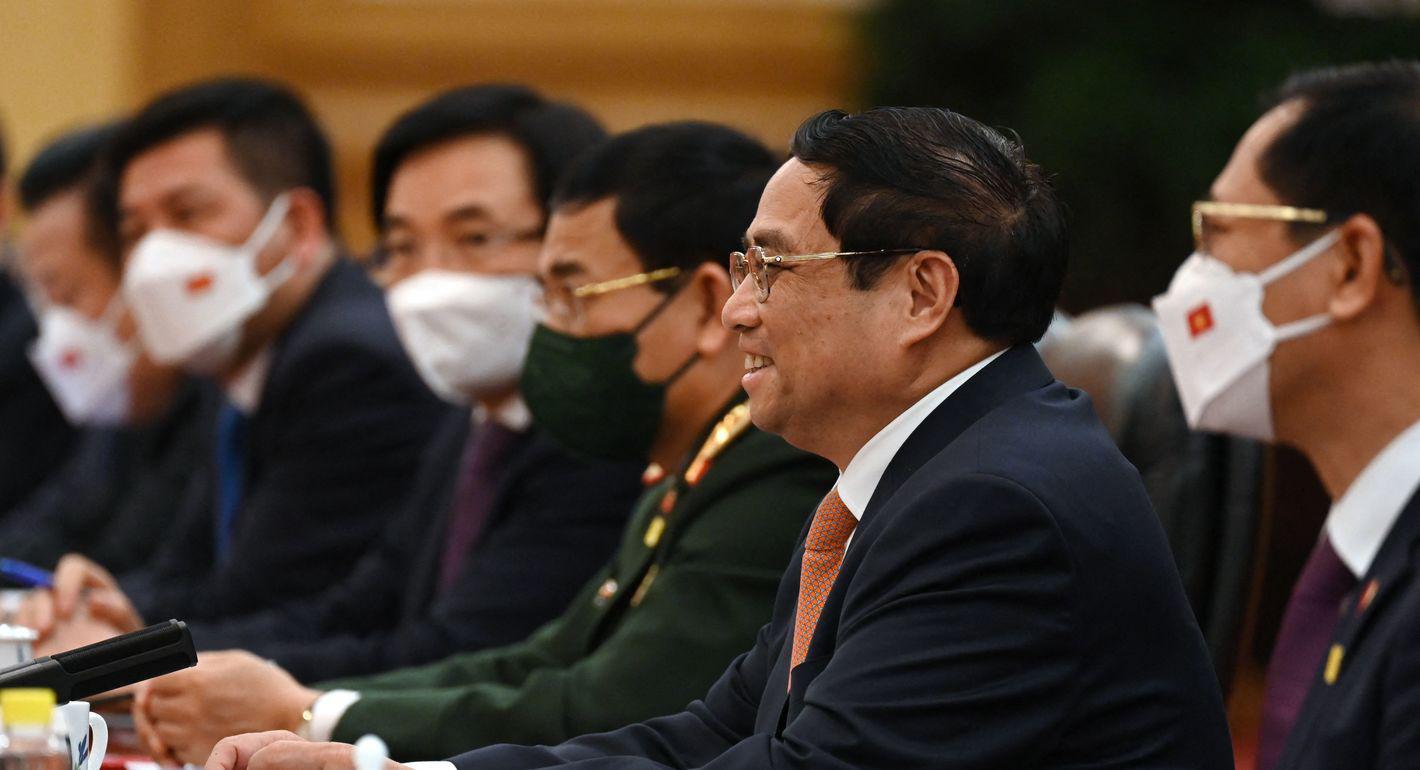
There is a certain level of restraint, but there is also a lingering distrust.
Paul Haenle, Huong Le Thu