

Q&A
Suzanne Maloney, Aaron David Miller, Karim Sadjadpour
{
  "authors": [
    "Karim Sadjadpour"
  ],
  "type": "legacyinthemedia",
  "centerAffiliationAll": "dc",
  "centers": [
    "Carnegie Endowment for International Peace",
    "Malcolm H. Kerr Carnegie Middle East Center"
  ],
  "collections": [],
  "englishNewsletterAll": "menaTransitions",
  "nonEnglishNewsletterAll": "",
  "primaryCenter": "Carnegie Endowment for International Peace",
  "programAffiliation": "MEP",
  "programs": [
    "Middle East"
  ],
  "projects": [],
  "regions": [
    "Middle East",
    "Iran"
  ],
  "topics": [
    "Political Reform"
  ]
}
Source: Getty
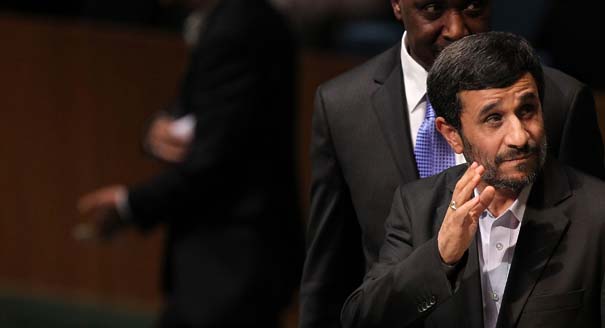
Although Ahmadinejad’s mismanagement and abrasive style lost him supporters and political allies, his confidence and boastfulness never faltered.
Source: BBC World Service
Speaking on BBC World Service, Carnegie’s Karim Sadjadpour reflected on the legacy of former Iranian President Mahmoud Ahmadinejad. Sadjadpour explained that although Ahmadinejad wasn’t Iran’s most powerful man, his denial of the Holocaust forced Western journalists to learn how to pronounce his name. Though reviled in the West, he noted that Ahmadinejad was popular among the pious working class outside of Iran, who admired his willingness to defy America and Israel. Ahmadinejad presided over the greatest oil windfall in the Iran’s history, but during his presidency, Iran’s inflation rate doubled and its currency depreciated over 80 percent under his custodianship. Over time, Ahmadinejad’s mismanagement and abrasive style lost him supporters and political allies, but his boastfulness never faltered, Sadjadpour concluded.
Senior Fellow, Middle East Program
Karim Sadjadpour is a senior fellow at the Carnegie Endowment for International Peace, where he focuses on Iran and U.S. foreign policy toward the Middle East.
Recent Work
Suzanne Maloney, Aaron David Miller, Karim Sadjadpour
Aaron David Miller, Karim Sadjadpour, Robin Wright
Carnegie does not take institutional positions on public policy issues; the views represented herein are those of the author(s) and do not necessarily reflect the views of Carnegie, its staff, or its trustees.
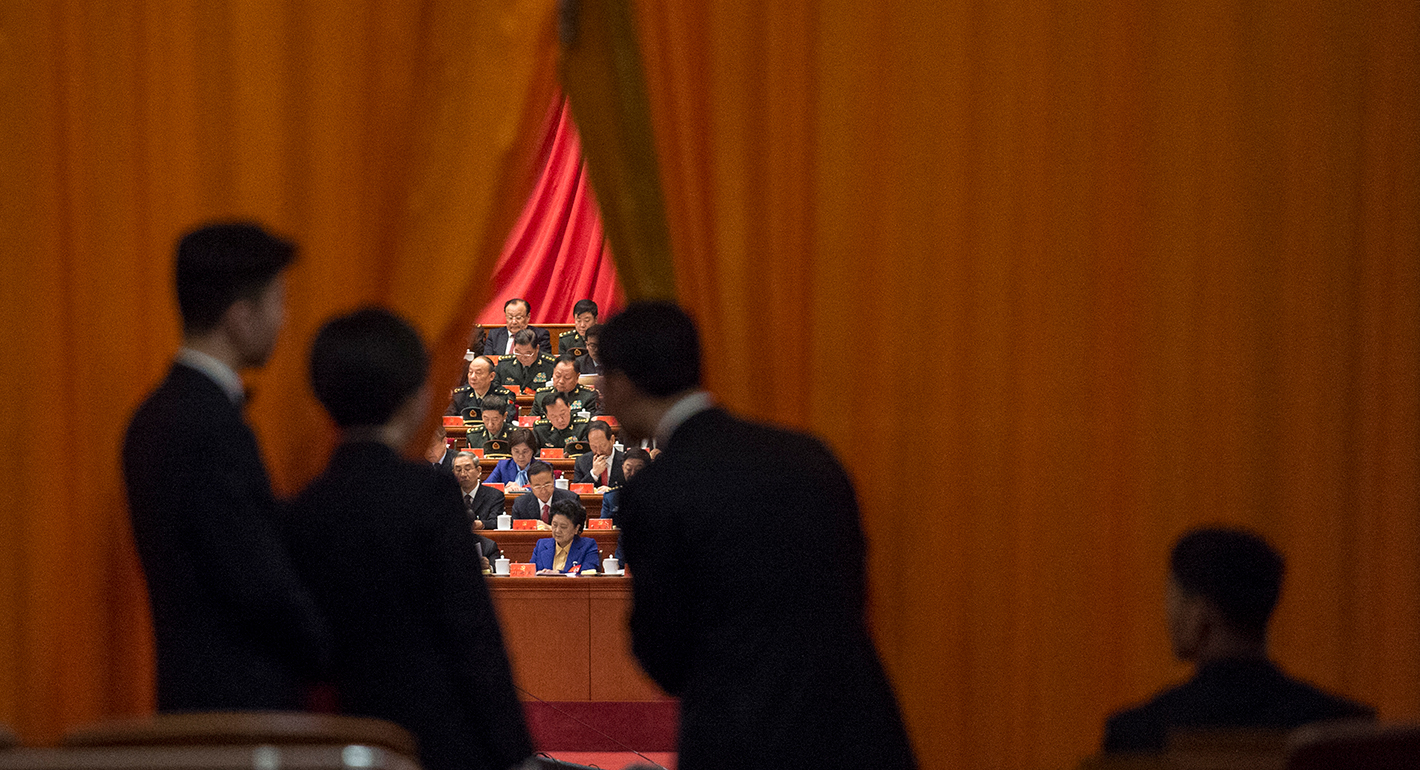
China’s political future will be shaped between now and next October. As the Communist Party enters its intense “campaign season” to prepare for a major political transition in 2027, reading Beijing's actions and responses may become more difficult as domestic politics weigh on its behavior more than usual.
Damien Ma
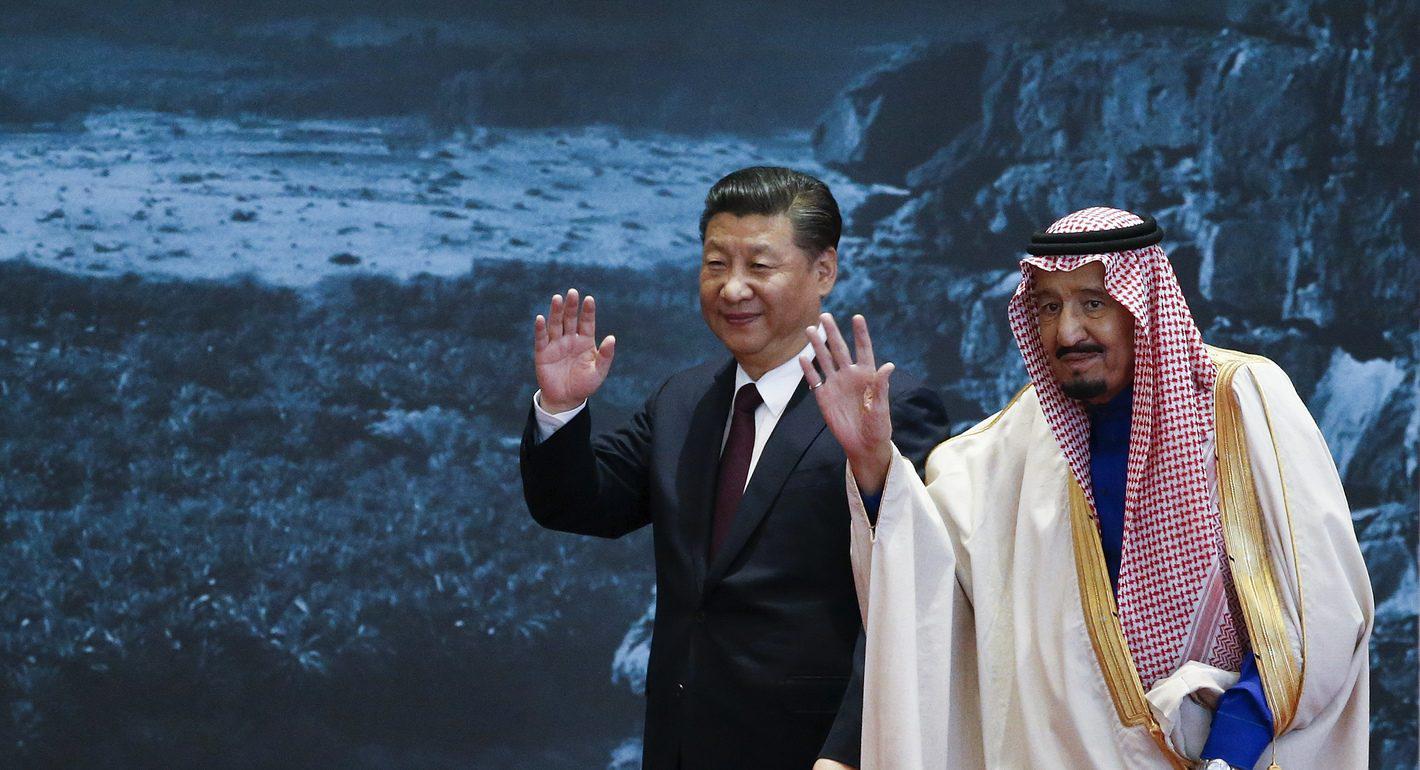
The advantage that China has over other global powers, especially America, is that its foreign policy is closely aligned with those of many of the Middle Eastern countries.
Jin Liangxiang, Maha Yahya, Hesham Alghannam
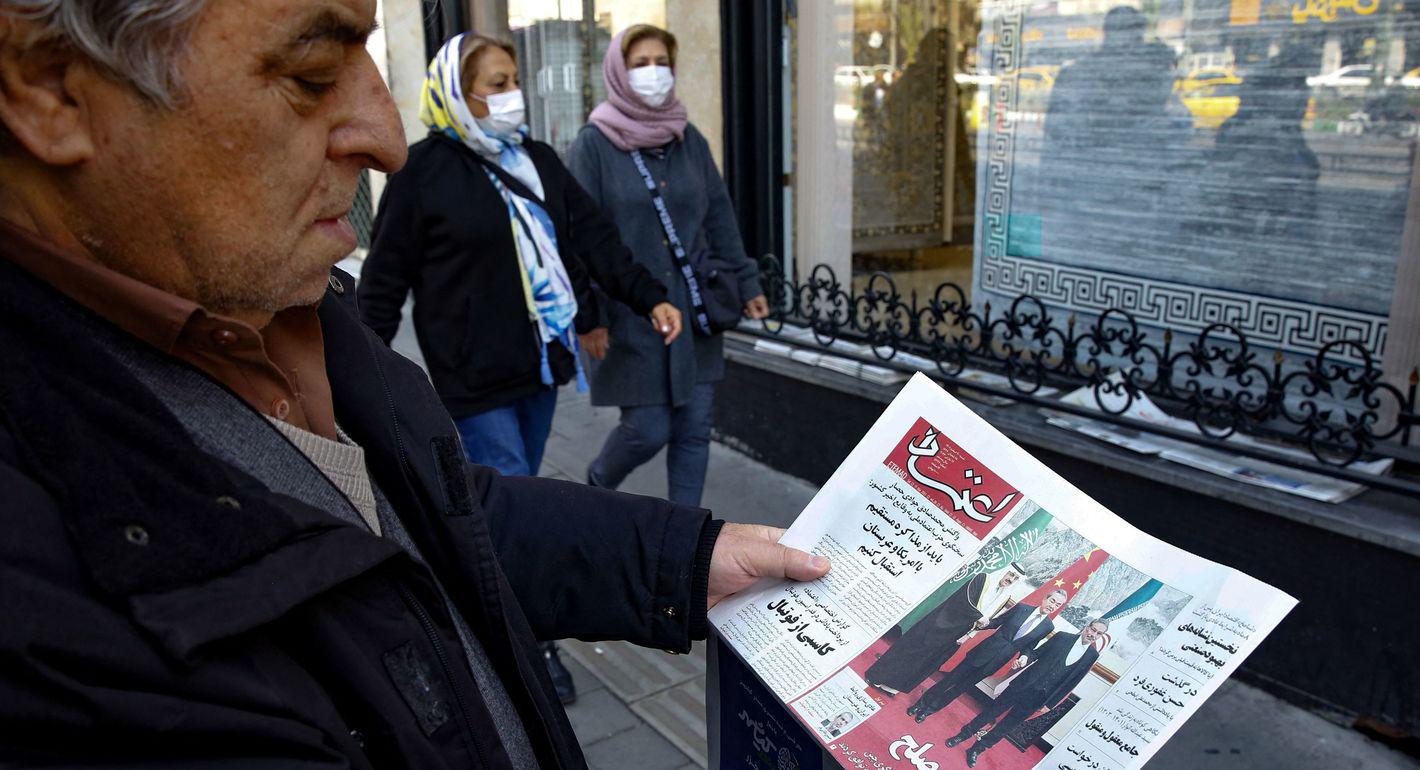
Transactional relationships are stable but can be shallow.
Paul Haenle, Maha Yahya, Benjamin Ho, …
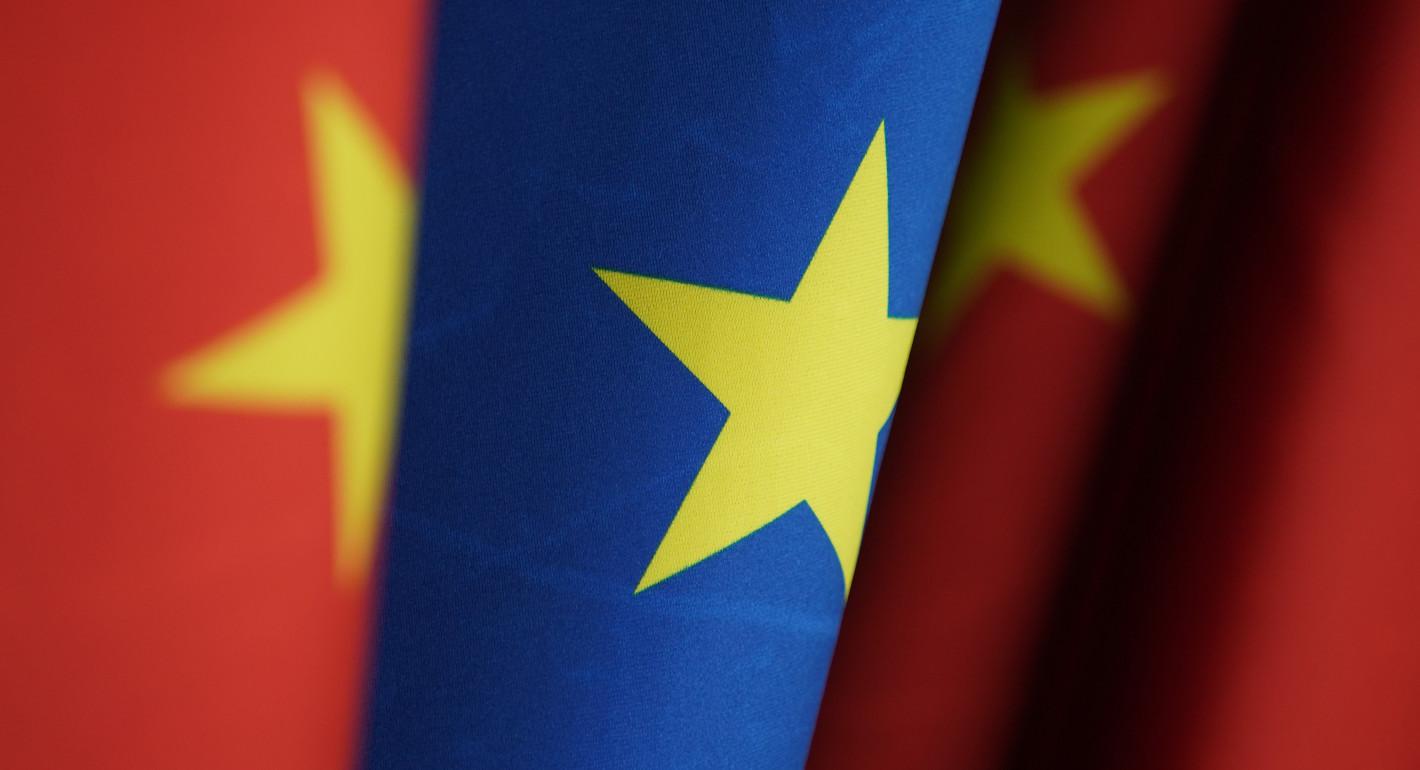
“It’s not so clear how we’re going to get out of this.”
Paul Haenle, Philippe Le Corre
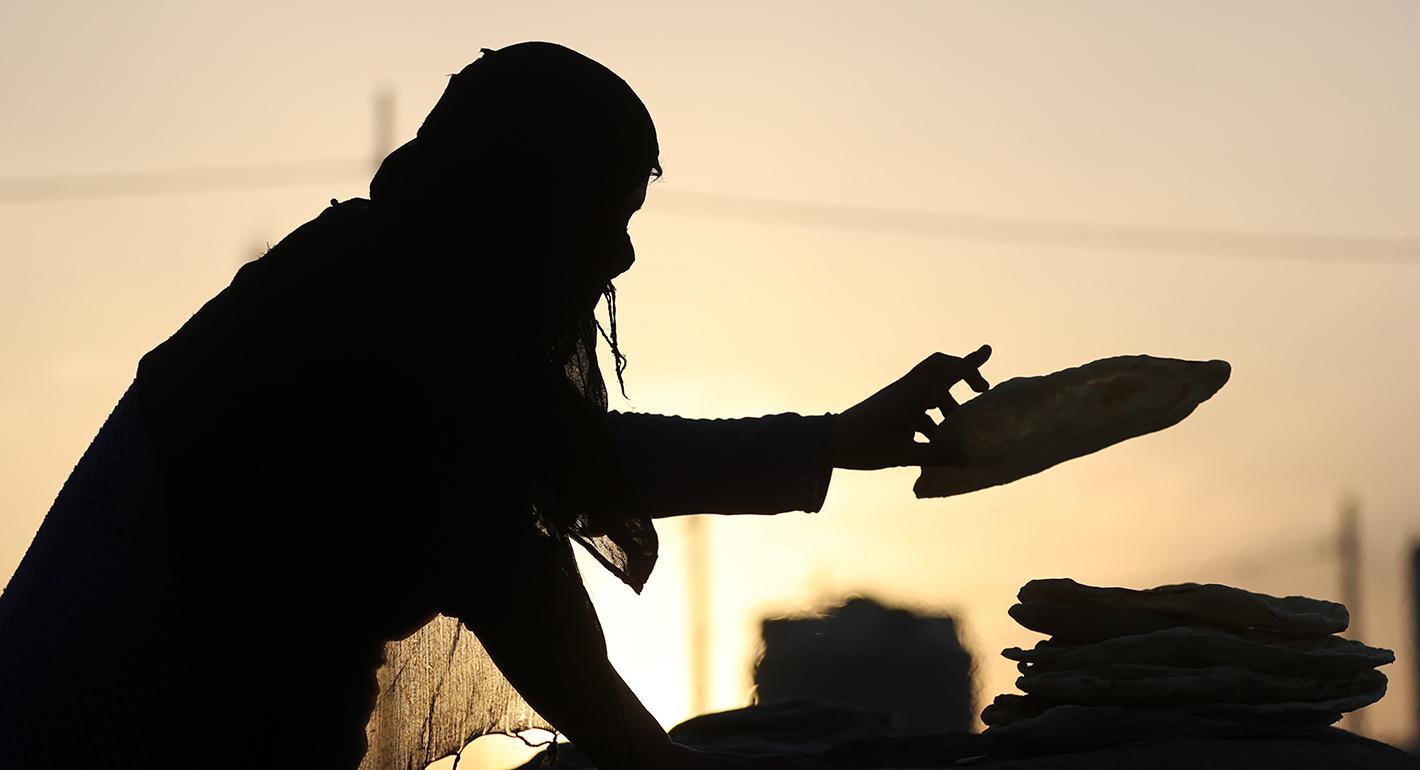
It’s about managing oil prices, bread prices, and strategic partnerships.
Amr Hamzawy, Karim Sadjadpour, Aaron David Miller, …