
• Commentary
  • Research
  • Experts
  • Events
Carnegie China logoCarnegie lettermark logo
{
  "authors": [
    "Joseph Cheng",
    "Dmitri Trenin"
  ],
  "type": "legacyinthemedia",
  "centerAffiliationAll": "dc",
  "centers": [
    "Carnegie Endowment for International Peace",
    "Carnegie China",
    "Carnegie Russia Eurasia Center"
  ],
  "collections": [
    "China’s Foreign Relations"
  ],
  "englishNewsletterAll": "ctw",
  "nonEnglishNewsletterAll": "",
  "primaryCenter": "Carnegie Russia Eurasia Center",
  "programAffiliation": "russia",
  "programs": [
    "Russia and Eurasia"
  ],
  "projects": [],
  "regions": [
    "East Asia",
    "China",
    "Russia"
  ],
  "topics": [
    "Economy",
    "Foreign Policy"
  ]
}

Source: Getty

In The Media
Carnegie Russia Eurasia Center

China-Russia Relations, September, 6, 2013

The current state of the affairs between Russia and China is most positive in their history. This relationship is built primarily on an economic pragmatism.

Link Copied
By Joseph Cheng and Dmitri Trenin
Published on Sep 6, 2013

Source: China Radio International’s People In the Know

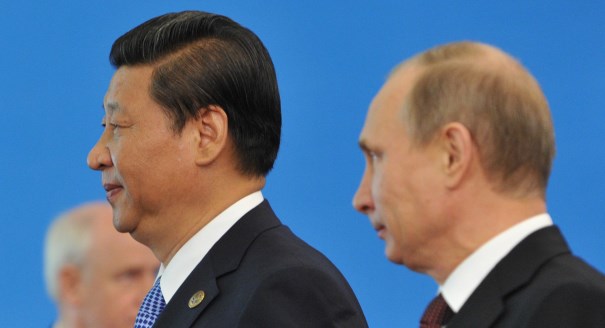
When Chinese President Xi Jinping went to Moscow in his first overseas visit after being elected China's president, it became quite clear that China-Russian relations are in high gear. The Chinese President is going to Russia again this week, attending the G20 Summit in St. Petersburg and meet with Russian President Putin on the sideline of the global event.

On the China Radio International, Carnegie Moscow Center’s Dmitri Trenin discussed Russia-China relations with Zheng Chenguang. He was joined by Joseph Cheng, chair professor of the department of political science at the City University of Hong Kong.

Trenin said he is optimistic about the current state of the affairs between the two powers, which were described as most positive they've shared in their histories. According to Trenin, a relationship built primarily on an economic pragmatism has seen trade rise dramatically to $80 billion per year, and despite some uncertainties the two countries are expected to sign a major gas agreement improving Russia's access to Chinese markets and China's to Russian energy.

Trenin also discussed the extension of Sino-Russian cooperation into the military sphere. Joint exercises, such as the largest joint-naval event staged in the Sea of Japan this July, go a long way toward boosting confidence and trust between the two countries and their militaries. A military alliance, however, remains both unrealistic and unnecessary for both powers, Trenin said.

Despite the partnership-like relationship between Russia and China, Trenin stressed the continuing importance of Russia's investment in its own economic development and modernization given China's larger, growing, and more globally integrated economy. This reality will continue to contextual Russia-China relations and indeed developments in organizations such as the G20 or BRICS.

This interview was originally broadcast on China Radio International.

About the Authors

Joseph Cheng

Dmitri Trenin

Former Director, Carnegie Moscow Center

Trenin was director of the Carnegie Moscow Center from 2008 to early 2022.

Authors

Joseph Cheng
Dmitri Trenin
Former Director, Carnegie Moscow Center
EconomyForeign PolicyEast AsiaChinaRussia

Carnegie does not take institutional positions on public policy issues; the views represented herein are those of the author(s) and do not necessarily reflect the views of Carnegie, its staff, or its trustees.

More Work from Carnegie China

  • Commentary
    China Financial Markets
    The Plaza Accord and Its Relevance for China

    The Plaza Accord was not an externally imposed punishment of Japan but part of a broader restructuring that Japanese economists and policymakers themselves recognized was necessary. Its effects were undermined, however, when Tokyo responded to the resulting slowdown with policies that exacerbated investment, credit expansion, and the very imbalances the adjustment was intended to resolve.

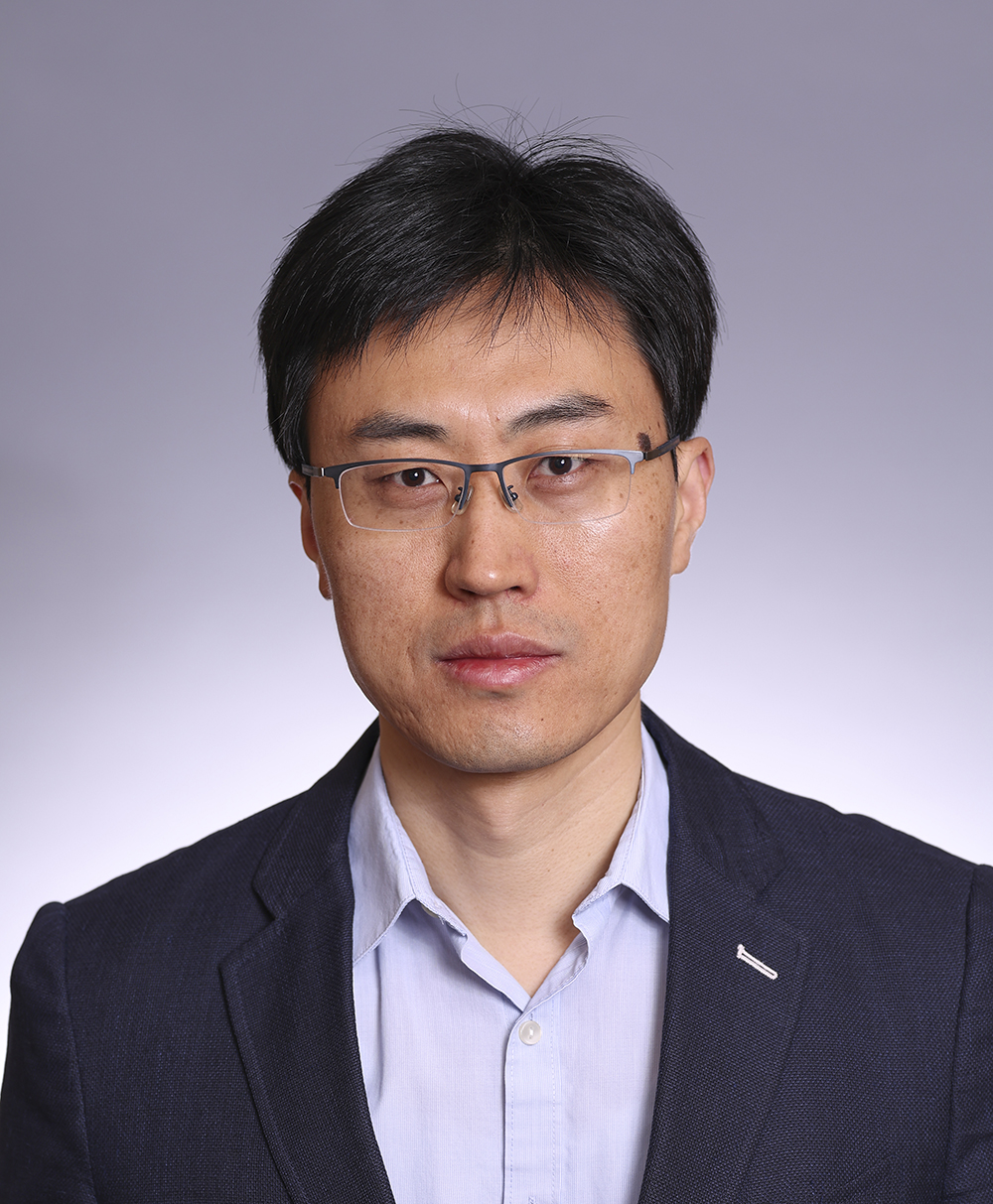
      Michael Pettis

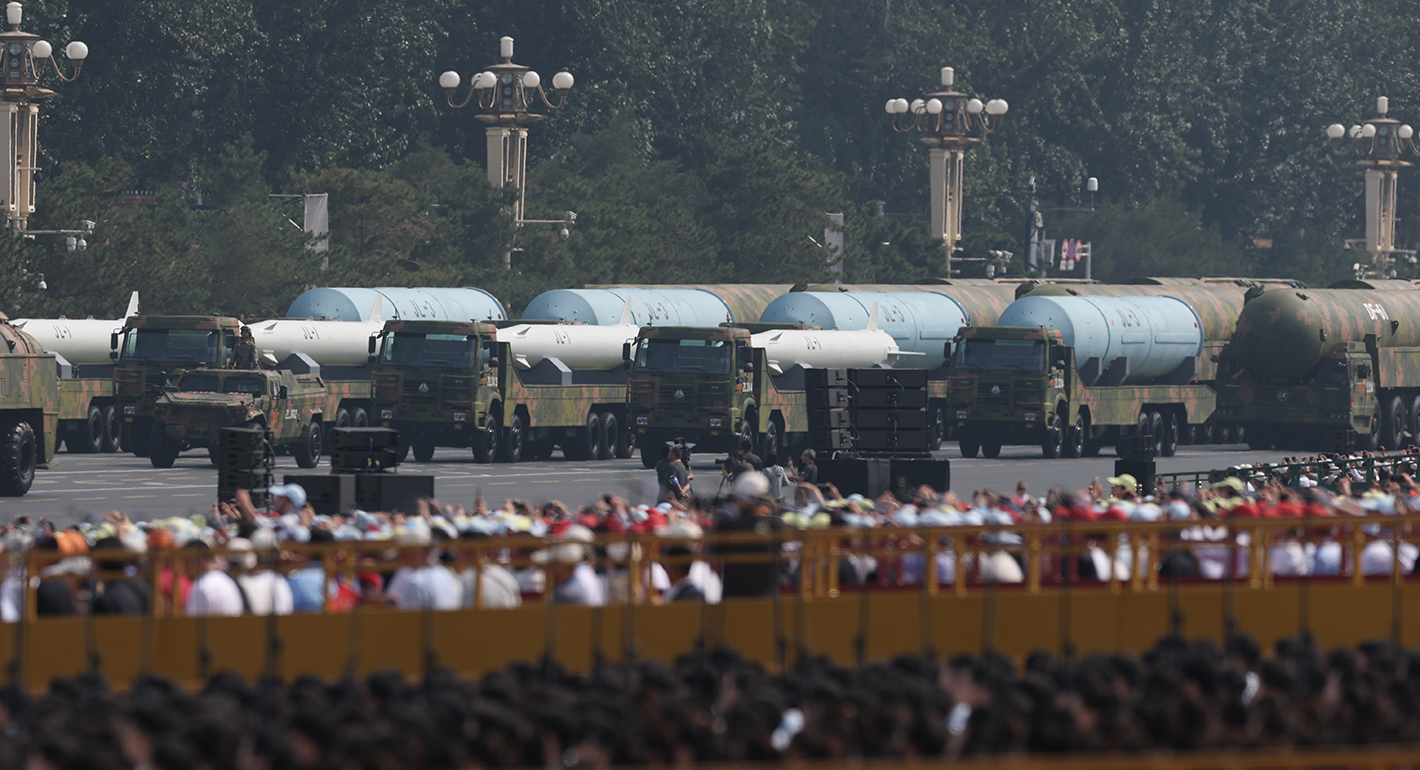
  • The nuclear missile formation passes through Tian'anmen Square during a military parade on September 3, 2025 in Beijing, China.
    Paper
    Untangling the Nuclear Knot: A Constructive Agenda for Managing China’s Nuclear Relations with the United States and Its Allies

    The nuclear relationship between China and the United States is increasingly shaped by widening perception gaps rather than deliberate strategic design.

      Tong Zhao

  • Commentary
    China Financial Markets
    Who Paid for China’s Last Debt Cleanup, and Who Will Pay for the Next?

    China’s banking crisis in the 2000s was resolved by transferring the costs to households through financial repression—a decision that recapitalized the banks while exacerbating the structural imbalances that continue to shape the Chinese economy today.

      Michael Pettis

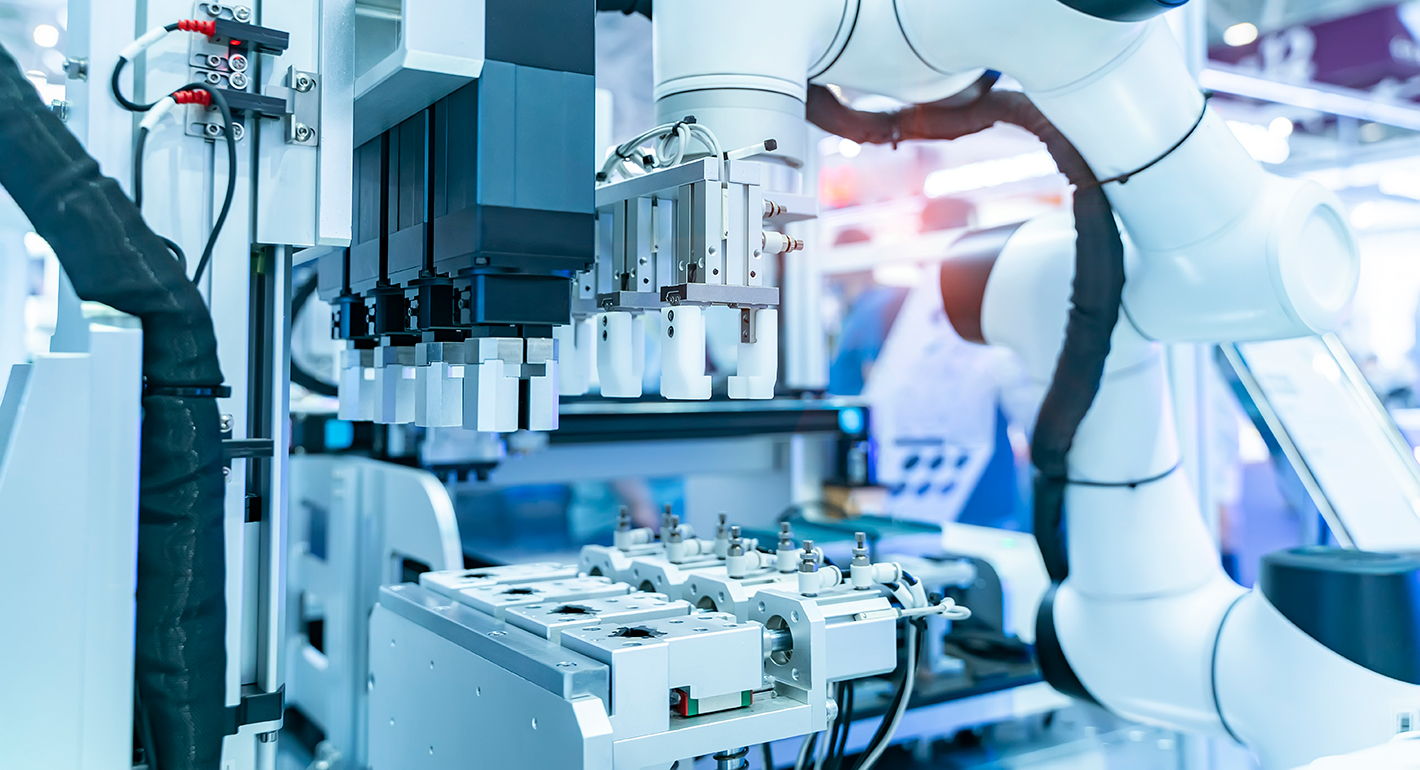
  • Robot arm with disposable test tube virus sampling in laboratory
    Commentary
    Caught in the Middle: Chinese Biotech Firms’ Divergent Responses to U.S. Sanctions

    Chinese biotech companies have been on the receiving end of U.S. economic coercion. Yet their responses have differed significantly because firm and state interests are not uniformly aligned. For Washington, treating all Chinese tech firms the same, irrespective of their actual interests, risks pushing them farther into Beijing’s corner.

      Xue Gong

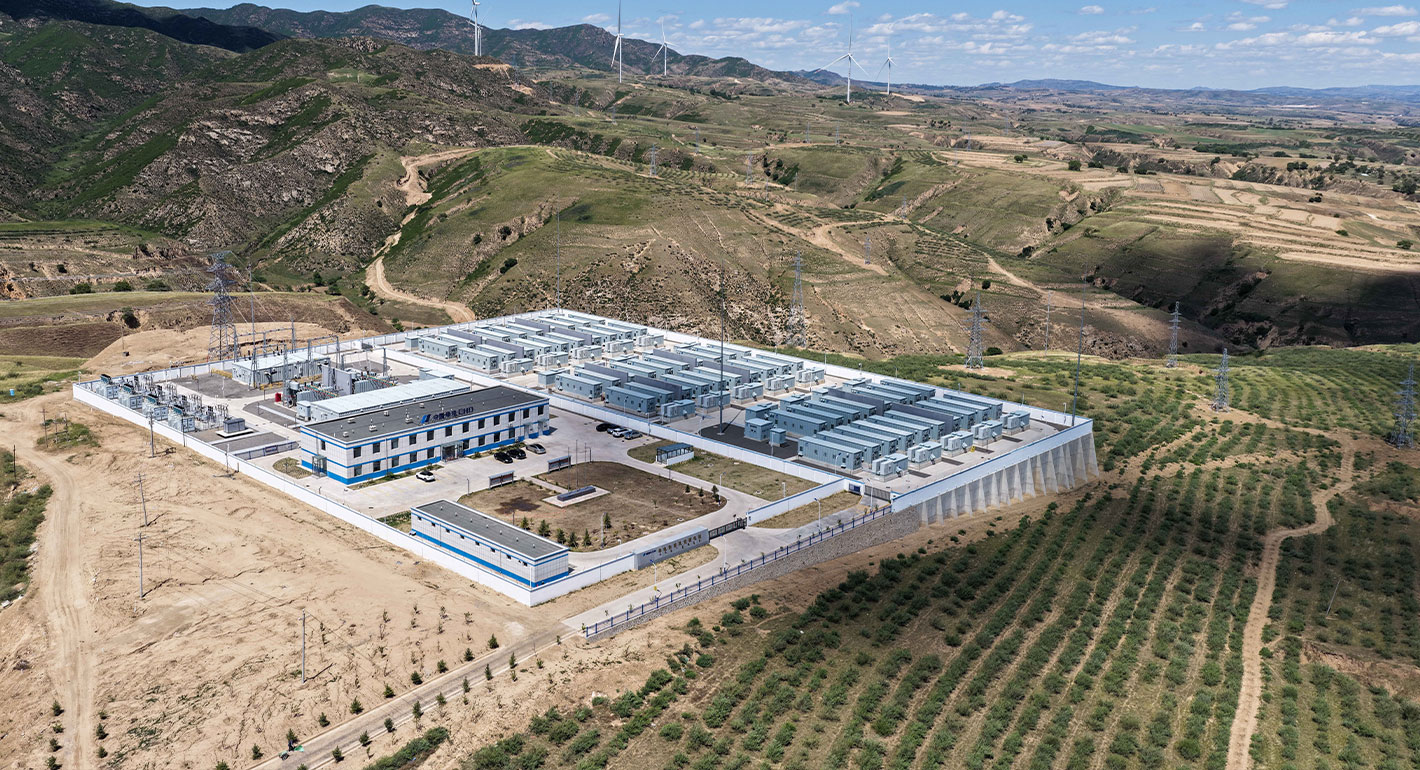
  • An aerial drone photo taken on June 4, 2026 shows a wind-photovoltaic power storage station of Huadian Inner Mongolia New Energy Co., Ltd. as part of the Horinger data center cluster green energy supply demonstration project, in Hohhot, north China's Inner Mongolia Autonomous Region.
    Commentary
    Are Data Centers the Solution to China’s Renewables Excess Capacity?

    China’s latest energy plan explicitly calls for integrating data centers into the electricity system, particularly connecting them to green energy. It appears Beijing wants to use compute as a source of domestic demand to absorb renewables excess capacity.

      • Damien Ma

      Damien Ma

Get more news and analysis from
Carnegie China
Carnegie China logo, white
Keck Seng Tower133 Cecil Street #10-01ASingapore, 069535Phone: +65 9650 7648
  • Research
  • About
  • Experts
  • Events
  • Contact
  • Careers
  • Privacy
  • For Media
Get more news and analysis from
Carnegie China
© 2026 Carnegie Endowment for International Peace. All rights reserved.