

Q&A
Aaron David Miller, Karim Sadjadpour, Robin Wright
{
  "authors": [
    "Karim Sadjadpour"
  ],
  "type": "legacyinthemedia",
  "centerAffiliationAll": "dc",
  "centers": [
    "Carnegie Endowment for International Peace",
    "Malcolm H. Kerr Carnegie Middle East Center"
  ],
  "collections": [
    "Iranian Proliferation"
  ],
  "englishNewsletterAll": "menaTransitions",
  "nonEnglishNewsletterAll": "",
  "primaryCenter": "Carnegie Endowment for International Peace",
  "programAffiliation": "MEP",
  "programs": [
    "Middle East"
  ],
  "projects": [],
  "regions": [
    "North America",
    "United States",
    "Middle East",
    "Iran"
  ],
  "topics": [
    "Foreign Policy",
    "Nuclear Policy"
  ]
}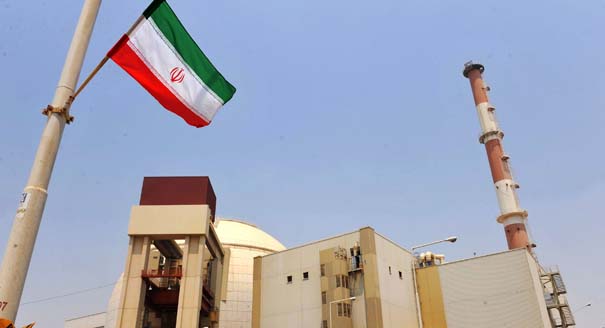
Source: Getty
Given everything that’s taking place in the Middle East, Iran may be one of the few sources of hope for the Obama administration to reach some kind of diplomatic accommodation.
Source: MSNBC’s Andrea Mitchell Reports
In an exchange of letters with Iran’s President Hassan Rouhani, U.S. President Obama said that the United States is ready to resolve the nuclear arms dispute with Iran. Speaking on MSNBC’s Andrea Mitchell Reports, Carnegie’s Karim Sadjapour discussed whether the letters signal a shift in communication between the United States and Iran. Sadjapour noted that, given everything that’s taking place in the Middle East, Iran is one of the few sources of hope for the Obama administration to reach some kind of diplomatic accommodation. However, with Iran militarily propping up the Assad regime in Syria, Sadjapour argued that there are certain strategic principles within the Iranian regime which will be very difficult for anyone to change, including President Rouhani.
Sadjapour said the question is whether or not the United States and Iran can overcome their differences on Syria and Israel in order to reach a nuclear détente. “I would say between President Obama in Washington and President Rouhani in Tehran, this is the best opportunity we’ve had for a diplomatic breakthrough at least for 15 years,” Sadjapour concluded.
This interview was originally broadcast on MSNBC’s Andrea Mitchell Reports.

Senior Fellow, Middle East Program
Karim Sadjadpour is a senior fellow at the Carnegie Endowment for International Peace, where he focuses on Iran and U.S. foreign policy toward the Middle East.
Recent Work


Aaron David Miller, Karim Sadjadpour, Robin Wright
Aaron David Miller, David Petraeus, Karim Sadjadpour
Carnegie does not take institutional positions on public policy issues; the views represented herein are those of the author(s) and do not necessarily reflect the views of Carnegie, its staff, or its trustees.

Across Asia, China is better positioned to withstand energy shocks from the fallout of the Iran war. Its abundant coal capacity can ensure stability in the near term. Yet at the same time, the country’s energy transition away from coal will make it even less vulnerable during the next shock.

Damien Ma

Malaysia’s chairmanship sought to fend off short-term challenges while laying the groundwork for minimizing ASEAN’s longer-term exposure to external stresses.

Elina Noor
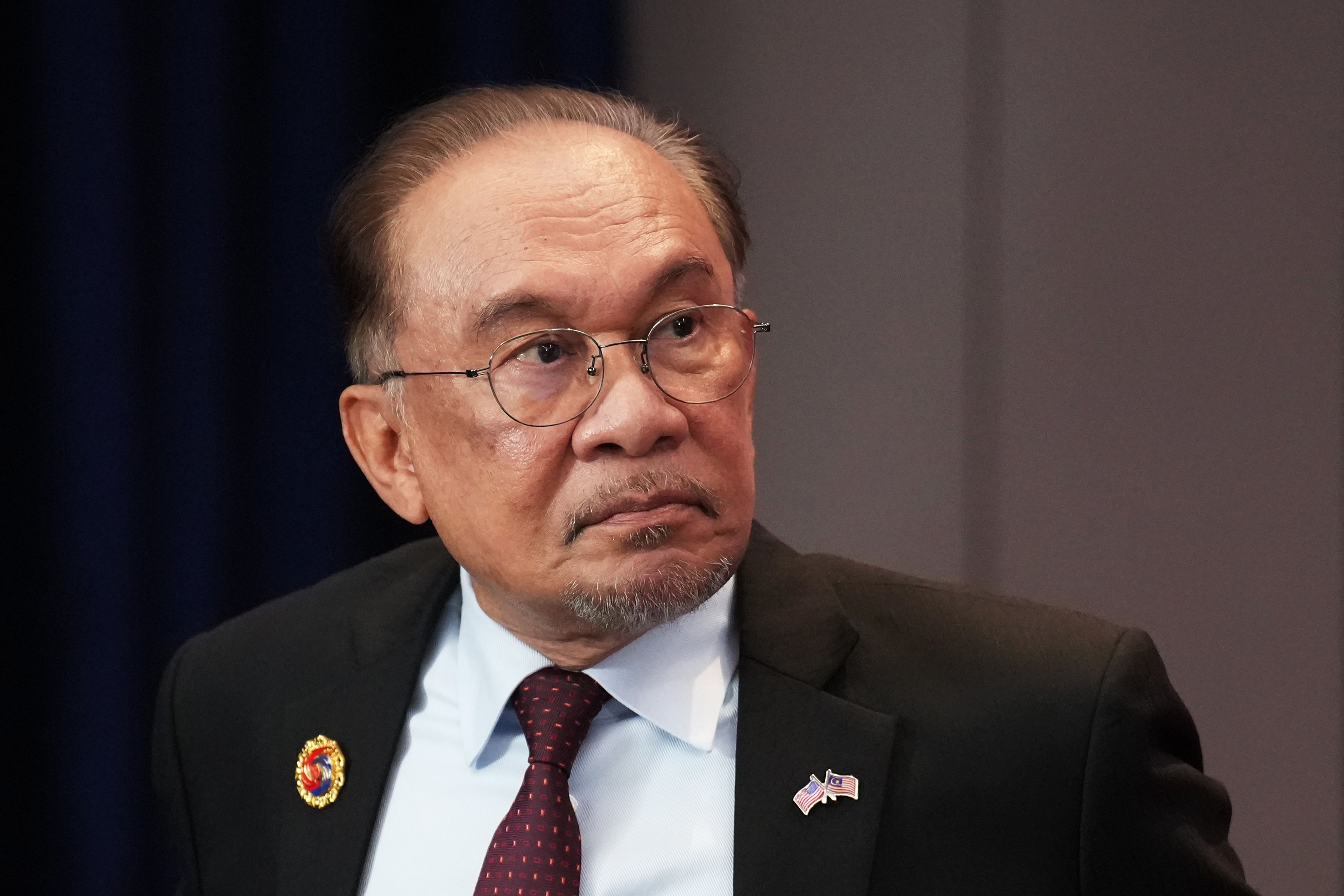
For Malaysia, the conjunction that works is “and” not “or” when it comes to the United States and China.
Elina Noor
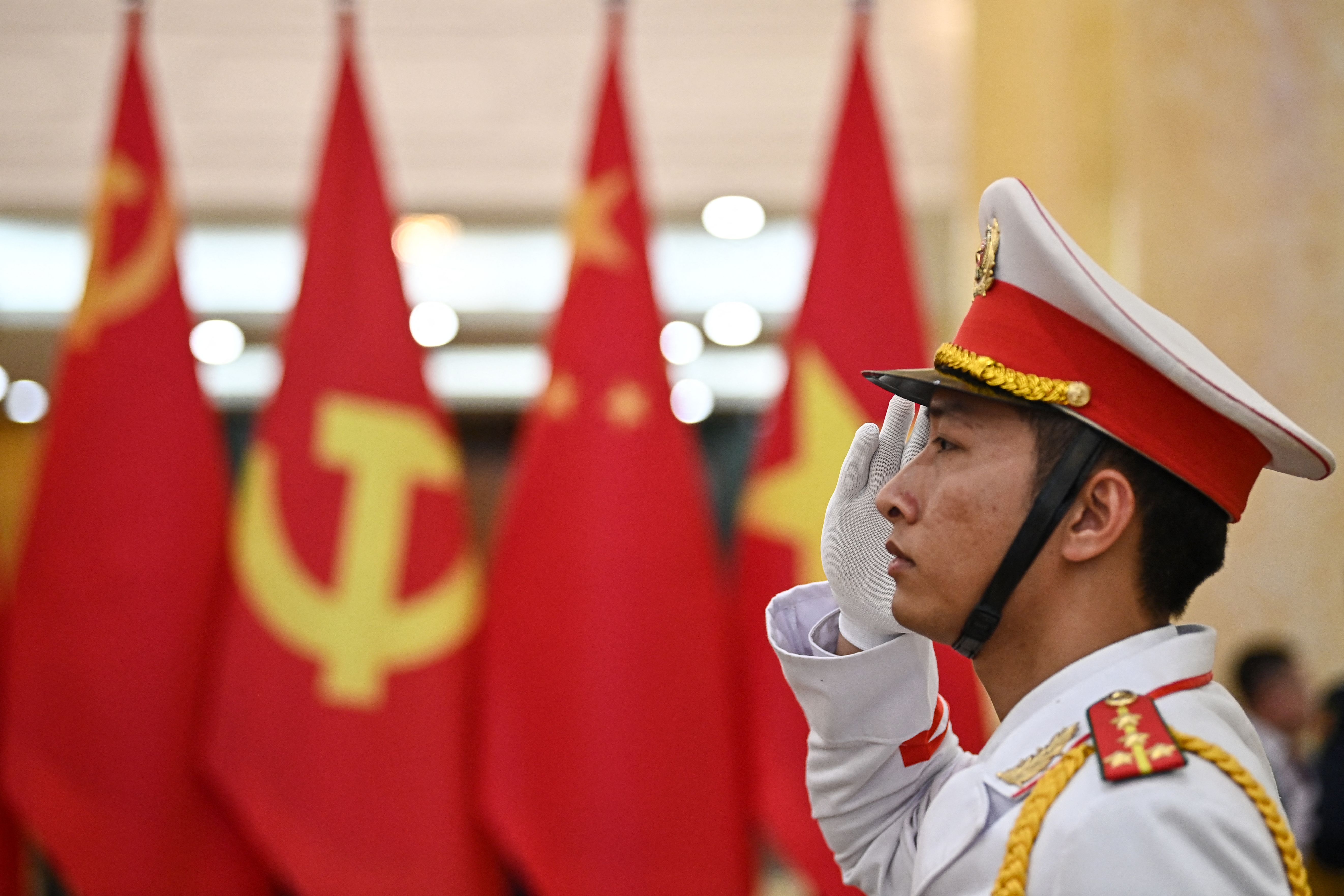
In July 2025, Vietnam and China held their first joint army drill, a modest but symbolic move reflecting Hanoi’s strategic hedging amid U.S.–China rivalry.

Nguyễn Khắc Giang
Regulation, not embargo, allows Beijing to shape how other countries and firms adapt to its terms.
Alvin Camba