

In The Media
Lilia Shevtsova
{
  "authors": [
    "Lilia Shevtsova"
  ],
  "type": "commentary",
  "centerAffiliationAll": "",
  "centers": [
    "Carnegie Endowment for International Peace",
    "Carnegie Russia Eurasia Center"
  ],
  "collections": [],
  "englishNewsletterAll": "",
  "nonEnglishNewsletterAll": "",
  "primaryCenter": "Carnegie Russia Eurasia Center",
  "programAffiliation": "",
  "programs": [],
  "projects": [],
  "regions": [
    "Russia"
  ],
  "topics": [
    "Political Reform"
  ]
}
Source: Getty
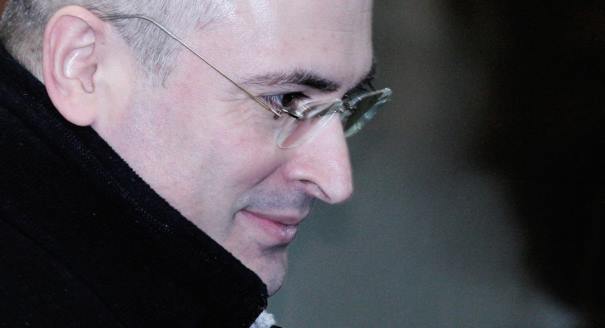
Putin’s pardon of Khodorkovsky is the demonstration of the absolute power of the Russian president who enjoys his omnipotence and who has found one more way to demonstrate it.
I have just read the following comment by Ella Pamfilova, the nicest person who is currently responsible for the distribution of the government funds to the Russian NGOs. Here is what she has written, “For me the pardon of Khodorkovsky is an important benchmark. It means that I was right in my forecasts when, after quitting my job with the government, I decided to return to at least do something there… This is a sign that the situation will change in many aspects…”
I have been appalled by the naiveté of the above, or the misunderstanding of the situation… Or maybe it has been an attempt of self-justification for having agreed to be coopted by the Kremlin?
In reality, Putin’s pardon of Mikhail Khodorkovsky (it still has to be confirmed that there is a pardon!) is a confirmation of the omnipotence of one man who rules Russia and the reflection of the fluctuation of his moods and whims. No, the current chapter of Khodorkovsky drama is not a confirmation of the Political Thaw, as some (including Pamfilova) may hope. Definitely not! Why should there be a thaw? Especially after the Ukrainian Maidan has proved that a half-opened window could seduce the society to try to open the door?
Neither is this an attempt at image correction before the Sochi Olympics. If Putin cares about his or Russia’s image why should he have allowed all the latest developments, including the LGBT harassment, the tightening of the screws, and the creation of the propaganda monster with Dmitri Kiselyov to happen? Putin knows already that the key Western leaders are not attending Sochi. Did he hope that by pardoning the jailed tycoon he would seduce Obama to change his decision? Rubbish. Putin has been all along demonstrating all signs that he does not care anymore what the world is thinking about him. He has been showing the opposite: that he views the world leaders as pathetic weaklings who can be ignored.
I would argue that Khodorkovsky pardon was mainly the result of the fact that Putin has satisfied his burning hatred and the urge to humiliate his former opponent. After 10 years of exerting punishment, he forced his prisoner to appeal for pardon which the Kremlin now presents as an admission of guilt. Putin can feel satisfied. He got what he wanted. He can say to the whole world: you see! I was right—he was guilty! He can also show his other opponents from among the opposition: Kneel down and you’ll be pardoned.
What has happened with Khodorkovsky is the demonstration of the absolute power of one man in the Kremlin who enjoys his omnipotence and who has found one more way to demonstrate it. He can punish and he can pardon if he feels like it. He is riding the tide now. He is the God!
Does the above-mentioned contradict the rumors that Khodorkovsky might have been pardoned as part of a trade-off in return for Obama’s decision not to send a second Magnitsky List to the U.S. Congress? Not at all! It would speak to the ability to marry practicism with a demonstration of omnipotence!
Does it have anything to do with a political thaw? I would say that this is rather the demonstration of the Political Cold!
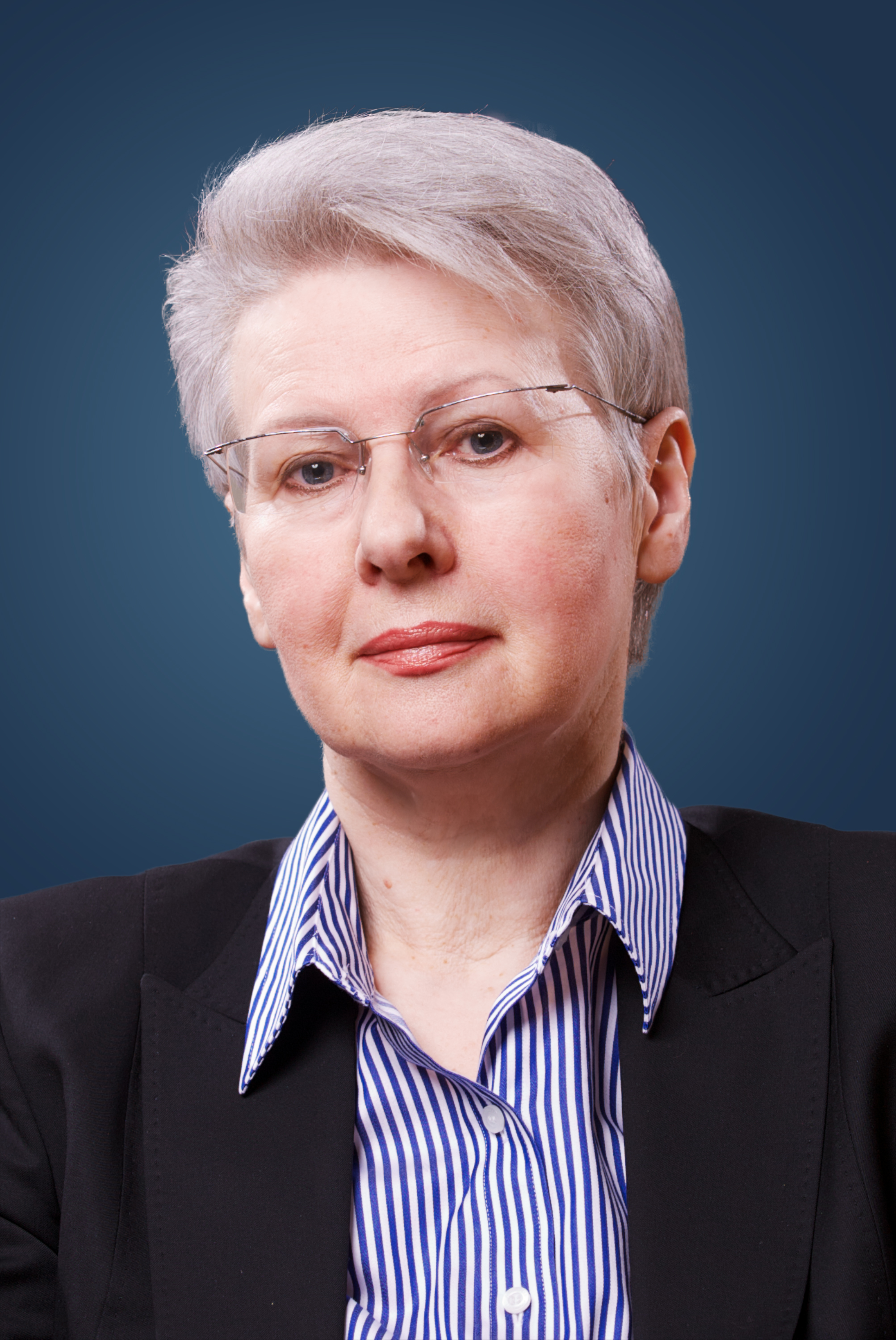
Former Senior Associate, Russian Domestic Politics and Political Institutions Program, Moscow Center
Shevtsova chaired the Russian Domestic Politics and Political Institutions Program at the Carnegie Moscow Center, dividing her time between Carnegie’s offices in Washington, DC, and Moscow. She had been with Carnegie since 1995.
Recent Work
Lilia Shevtsova
Lilia Shevtsova
Carnegie does not take institutional positions on public policy issues; the views represented herein are those of the author(s) and do not necessarily reflect the views of Carnegie, its staff, or its trustees.
Beijing is trying to navigate the overall situation regarding Ukraine, especially the substance of interactions between Washington and Moscow.

Ellen Nakashima, Zhao Long, Pavlo Klimkin, …
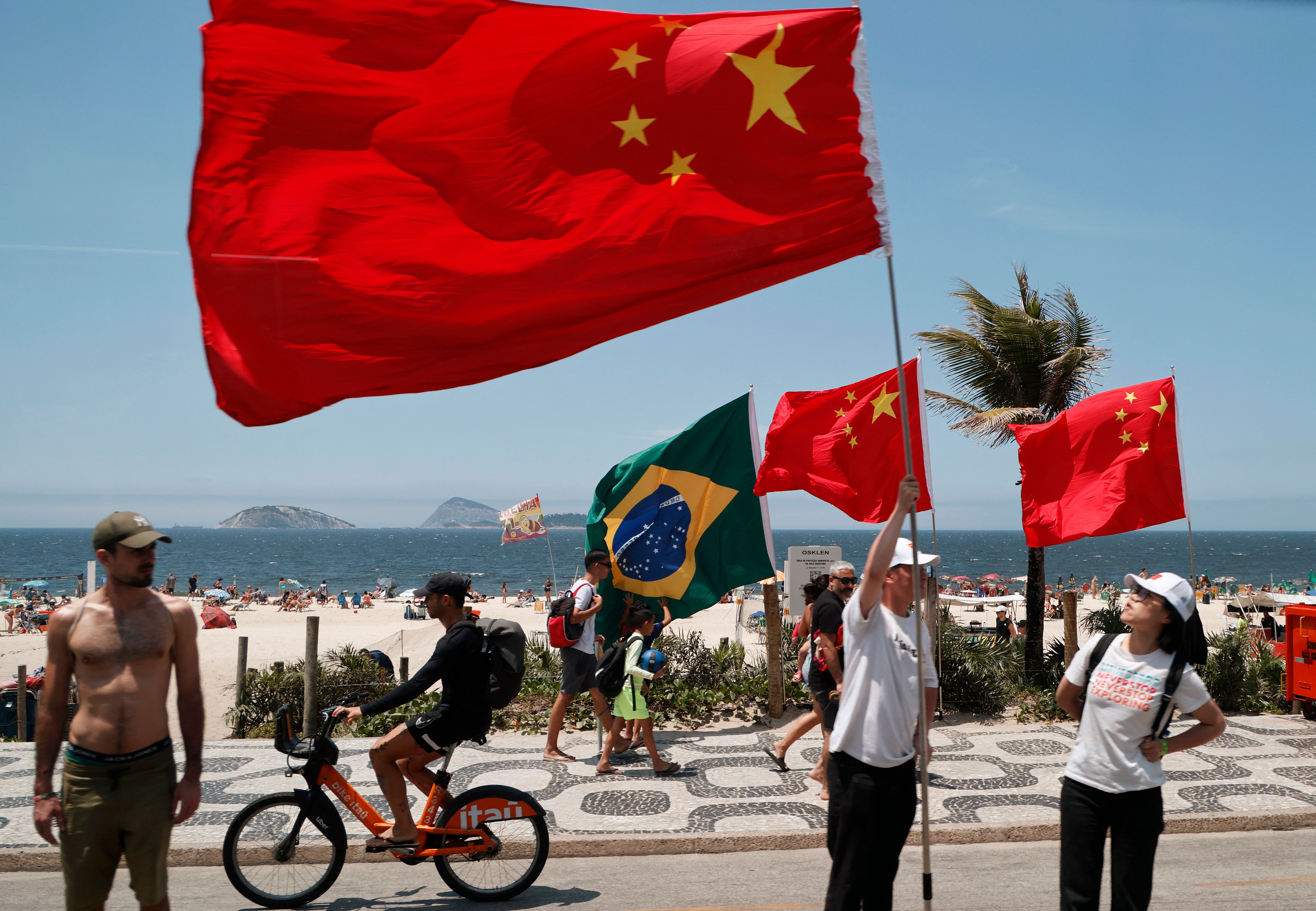
While China will remain a significant political and economic force in the Global South, its ambition to leverage the Global South as a counterbalance to the United States and the Global North is far from assured.

Xue Gong
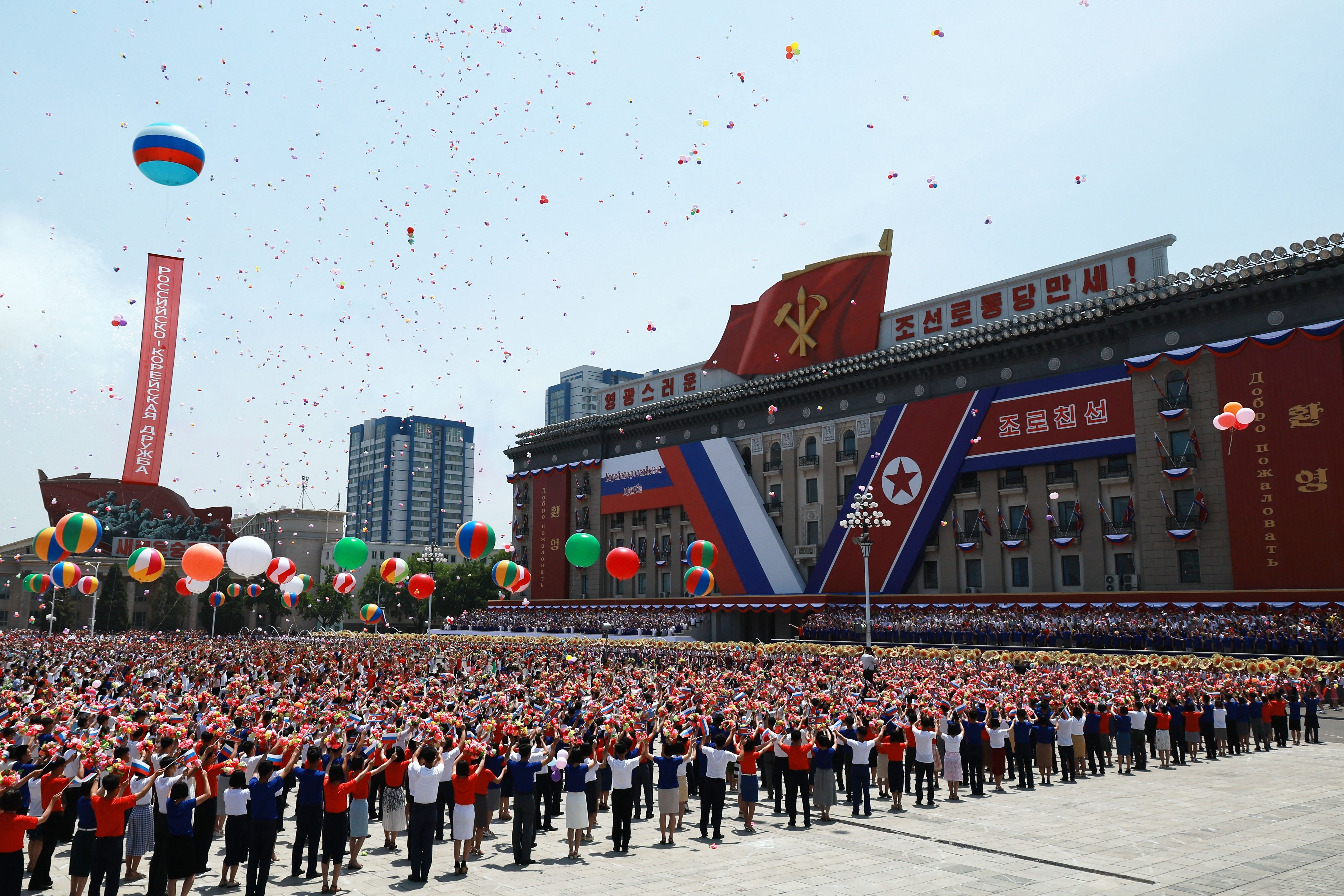
Faced with an increase in strategic maneuvering by Moscow and Pyongyang, Beijing will not sit idly by and allow Putin and Kim to shape the security environment on its behalf.

Tong Zhao
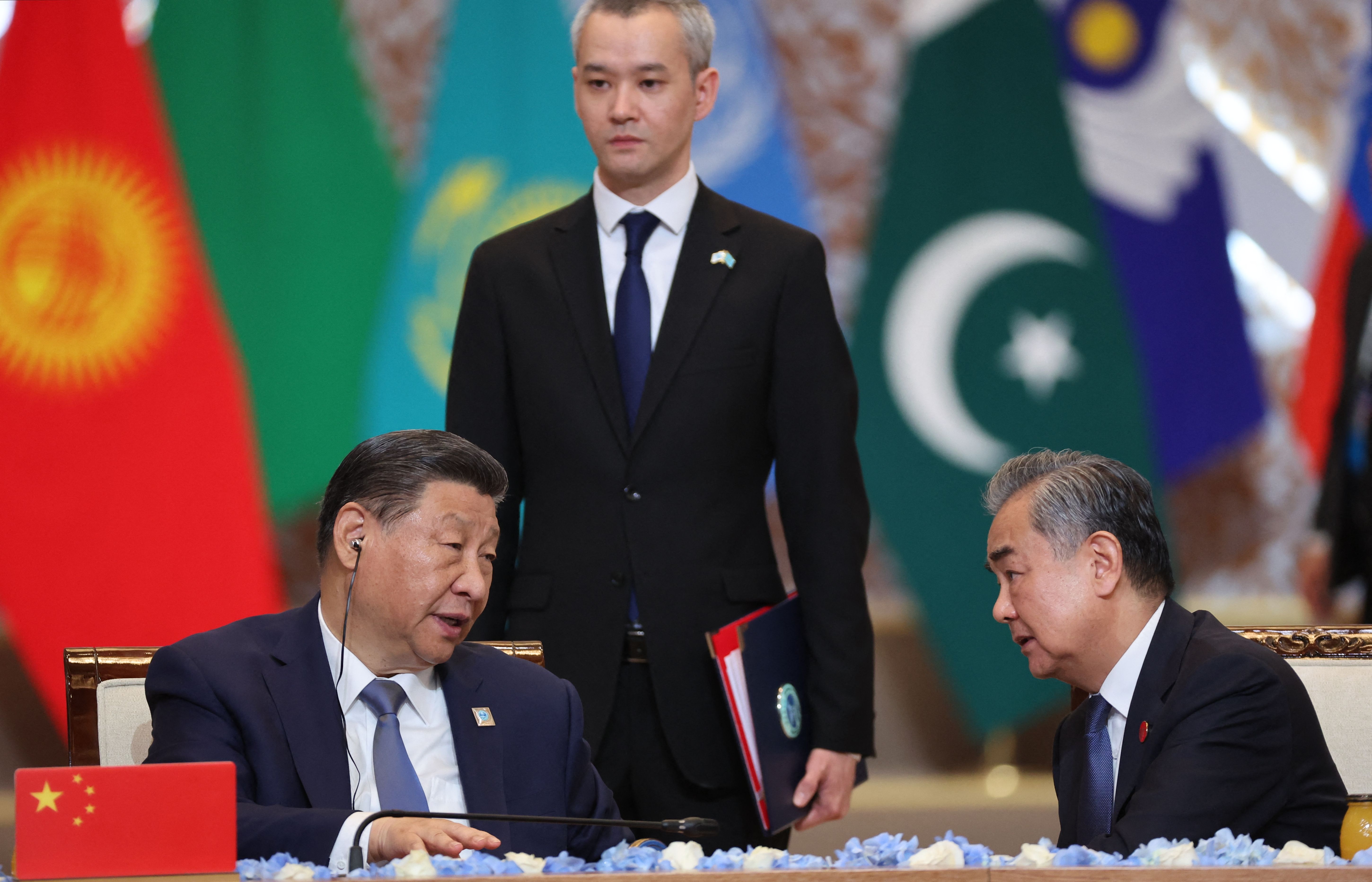
China’s growing attention to Central Asia is perceived as a harbinger of tectonic shifts in regional geopolitics.

Temur Umarov
The Russian invasion of Ukraine is a turning point in the EU-China relationship, and evolution of the China-Russia relationship will continue to impact EU-China relations.
Yifan Ding, Alice Ekman