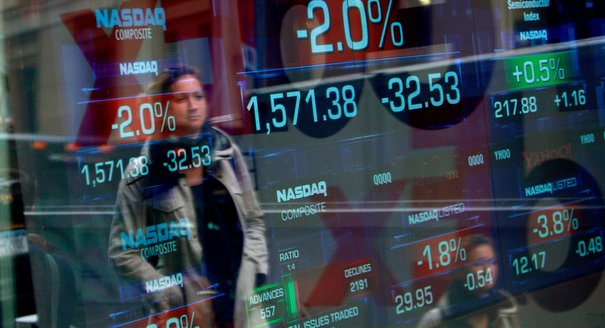
Since the end of the World War II, the United States was often diagnosed dead only to resurrect later. This year, we may have witnessed the same again. While President Barack Obama’s unwillingness to intervene abroad was ridiculed (George Bush was condemned for the opposite, mind you), the U.S. economy stood on its feet again with the sales of houses and automobiles recovering to the pre-Lehman-crisis level and with the financial deficit shrinking by 35 percent annually. All this has led Ben Bernanke, outgoing chairman of the Federal Reserve System, to declare a gradual exit from the phenomenal quantitative easing of money supply. Moreover, in early December, the Democrats and the Republicans agreed upon a modus-vivendi annual budget, which will mean that the defense budget will not be hacked substantially.
As the postwar U.S. economy regained its strength several times, it did so with different means each time. In Lyndon Johnson’s era, the boosting of the domestic consumption played a large role; and during Bill Clinton’s rule, the financial bubble—which was created by deregulations—was vital. Obama may be being helped not only by the monetary easing but also by new and vigorous factors, such as innovation in technology and management model.
In the 20th century, the expansion of the use of electricity and the invention of the automobiles fundamentally changed the economy, and now the use of “big data,” unmanned (“unpersoned” to be politically correct) automobiles, unmanned weapons and robots, and the direct communication between human brain and machines are going to radically reshape the society. The “bit coins,” the value of which is sustained by the big data, may replace the U.S. dollar and the euro as international currency, a miniature unmanned helicopter with machine-gun may chase you on the street, and your wife may someday be able to read your wicked mind by telepathy. The United States has become a leader in these technologies.
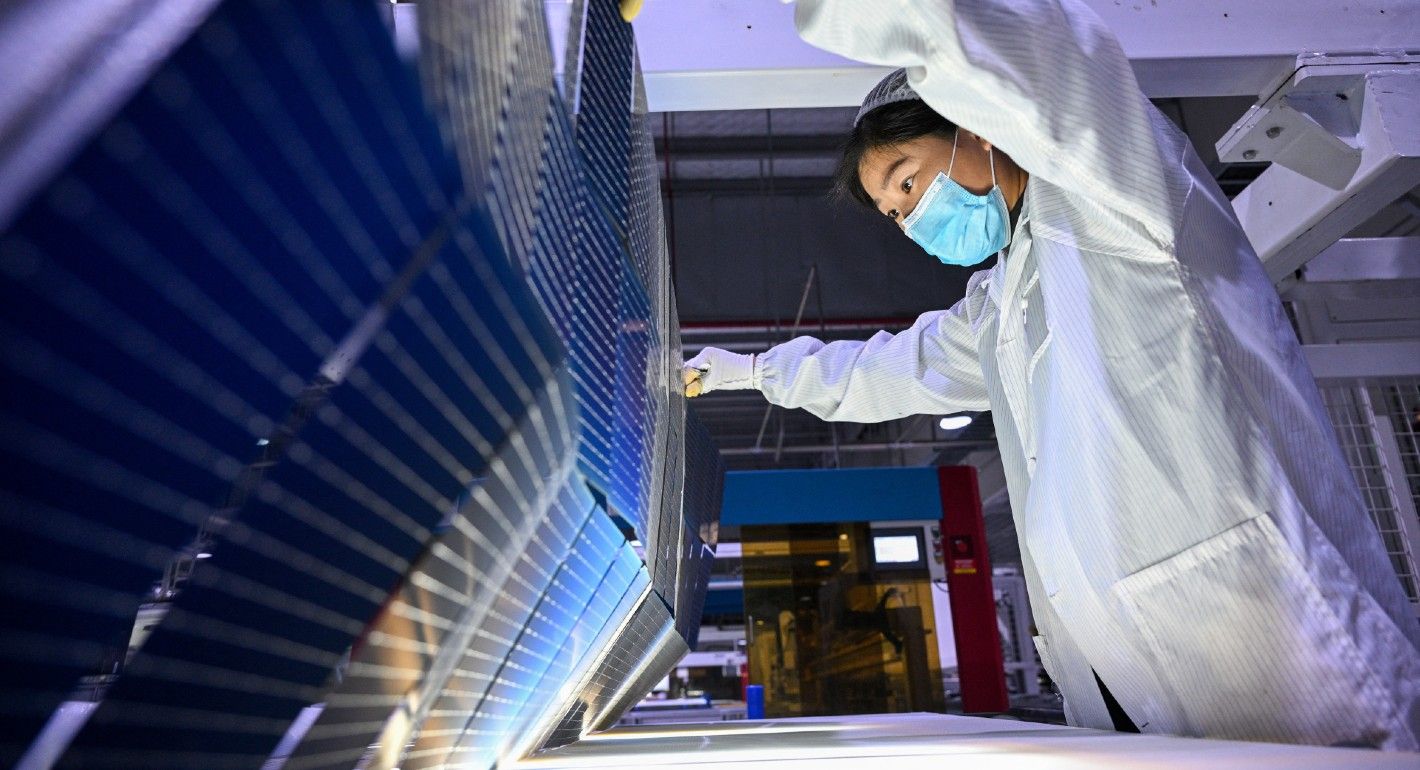
In management, too, the United States has invented new models. The Apple Inc. basically does not have its own factories, but it elaborates ideas, designs new products, orders high-tech parts in Japan, South Korea, and Taiwan, and has them assembled in China. And whenever and wherever iPad is sold, 30 percent of the revenue goes to Apple, another 30 percent to Japan and South Korea, and a mere 1.6 percent to the Chinese workers. And Apple employs more than 200 thousand in the United States to develop 700 thousand kinds of applications for the iPad.
It is worth noting that labor unions are absent or weak in the new industry, and therefore it is easy to introduce cost-cutting new technologies and ways of management. The constant inflow of ambitious engineers and entrepreneurs from all over the world helps the United States to become a mecca for innovation. The United States is relatively free from a privileged ruling structure like the communist parties in the authoritarian countries, which for their own survival obstruct innovation and reform.
Sure, the Unites States is not located in Eurasia. But every country in Eurasia has to dance with the remote United States, politically, economically, militarily, and culturally. A recovery of the U.S. economy would mean that friendly relations with it will pay off and that an unnecessary confrontation will not.
Today, a huge free (not on paper alone) trade area is in the making: the FTA between the United States and the EU and the TPP (Trans-Pacific Strategic Economic Partnership Agreement, an effective U.S.-Japan economic union). Russia (with the Eurasian Union), China, India, and all other countries in Eurasia will have to dance with this dinosaur.