

Article
Frederic Grare
{
  "authors": [
    "Frederic Grare"
  ],
  "type": "other",
  "centerAffiliationAll": "dc",
  "centers": [
    "Carnegie Endowment for International Peace"
  ],
  "collections": [],
  "englishNewsletterAll": "ctw",
  "nonEnglishNewsletterAll": "",
  "primaryCenter": "Carnegie Endowment for International Peace",
  "programAffiliation": "SAP",
  "programs": [
    "South Asia"
  ],
  "projects": [],
  "regions": [
    "South Asia",
    "Afghanistan"
  ],
  "topics": [
    "Security",
    "Military"
  ]
}
Source: Getty
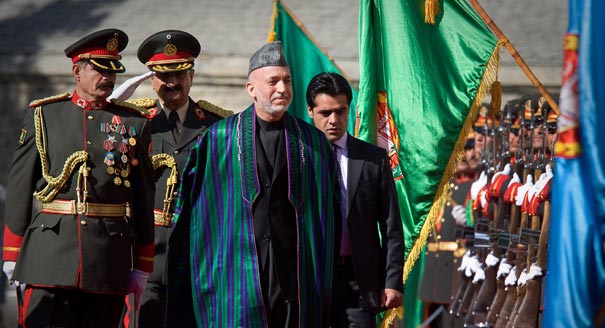
As the withdrawal of U.S. and NATO forces from Afghanistan approaches, anxieties about the future of the country have increased.
Source: The German Marshall Fund and the Foundation for Strategic Research
As the withdrawal of U.S. and NATO forces from Afghanistan approaches, anxieties about the future of the country have increased. A palpable sense of pessimism has come to characterize thinking about the Afghan situation in the West, as well as in Afghanistan and among its neighbors. What will happen in Afghanistan and the region when the transition is completed? How will the domestic situation evolve? How will the regional position themselves? What will the impact of the resulting outcome on Western security and solidarity be? These questions and others loom large in considering the future of Afghanistan and its potential impact on regional and international dynamics.
There are no simple answers to these questions; mapping the future of Afghanistan is indeed a complex task. The number of Afghan and non-Afghan actors, their competing interests and fluctuating alliances, and the lack of a cohesive vision for the country's political future makes it difficult, if not impossible, to predict clear scenarios beyond a certain level of generality.This paper analyzes the evolution of four main variables or categories of variables: 1) the readiness of the Afghan National Security Forces (ANSF) to assume responsibility for Afghanistan's security post-2014; 2) the policies of regional actors, especially Pakistan; 3) the role of the United States; a 4) Afghanistan's political system. The paper argues that the latter will ultimately be the decisive factor, as it will condition the sustainability of existing Afghan institutions, including the ANSF, or constrain the external factors. The paper concludes that the future of Afghanistan will likely fall between a "muddle through" scenario where a partly dysfunctional Afghan state will struggle to survive, and a situation of chaos in which all significant state authority will have disappeared and where Afghanistan as a nation is only a loose confederation of fiefdoms. It then examines the potential impact of these variables in the post-2014 era and concludes that Afghanistan is likely to remain a significant security concern for years.

Former Nonresident Senior Fellow, South Asia Program
Frédéric Grare was a nonresident senior fellow at the Carnegie Endowment for International Peace, where his research focuses on Indo-Pacific dynamics, the search for a security architecture, and South Asia Security issues.
Recent Work
Frederic Grare
Frederic Grare
Carnegie does not take institutional positions on public policy issues; the views represented herein are those of the author(s) and do not necessarily reflect the views of Carnegie, its staff, or its trustees.
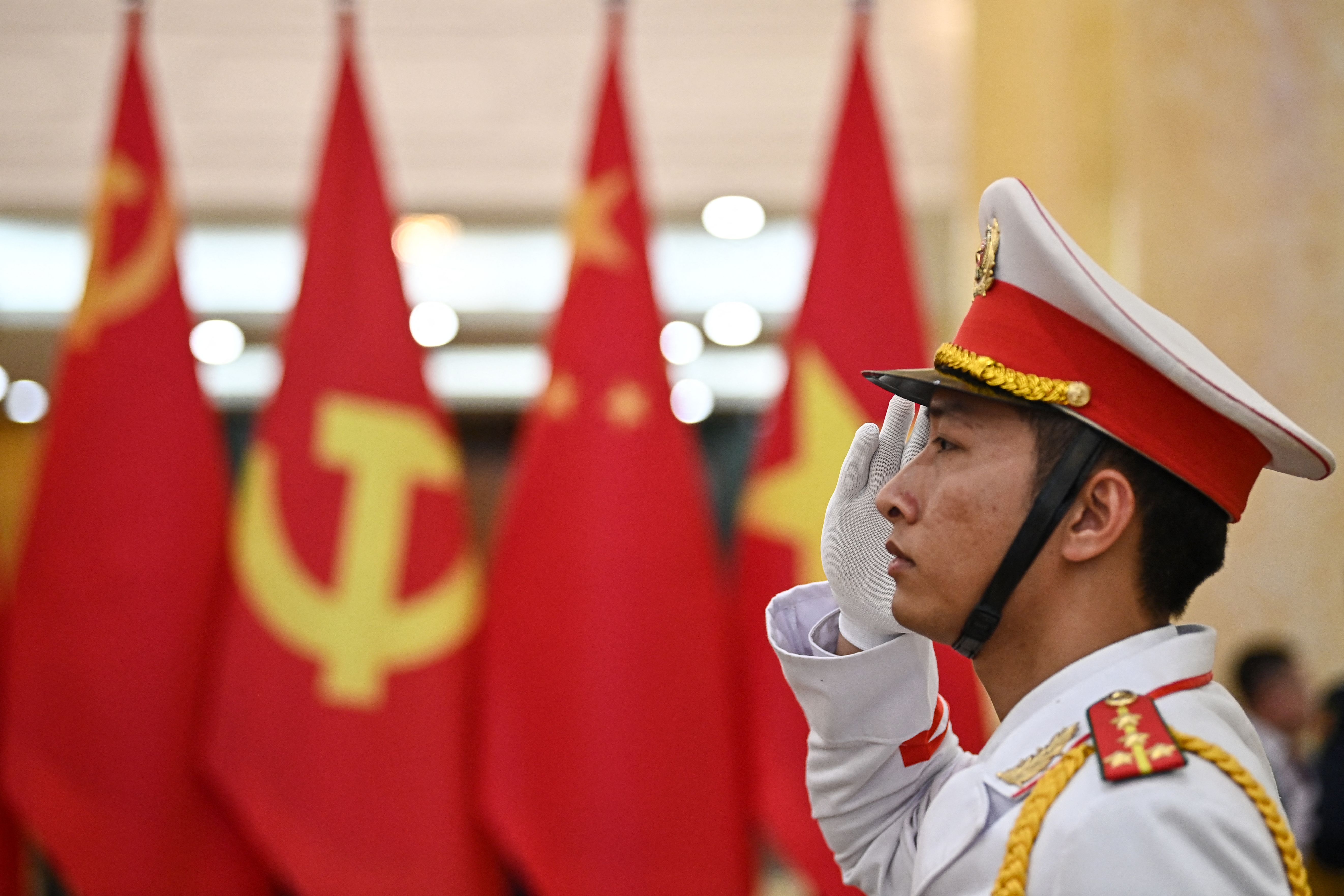
In July 2025, Vietnam and China held their first joint army drill, a modest but symbolic move reflecting Hanoi’s strategic hedging amid U.S.–China rivalry.

Nguyễn Khắc Giang
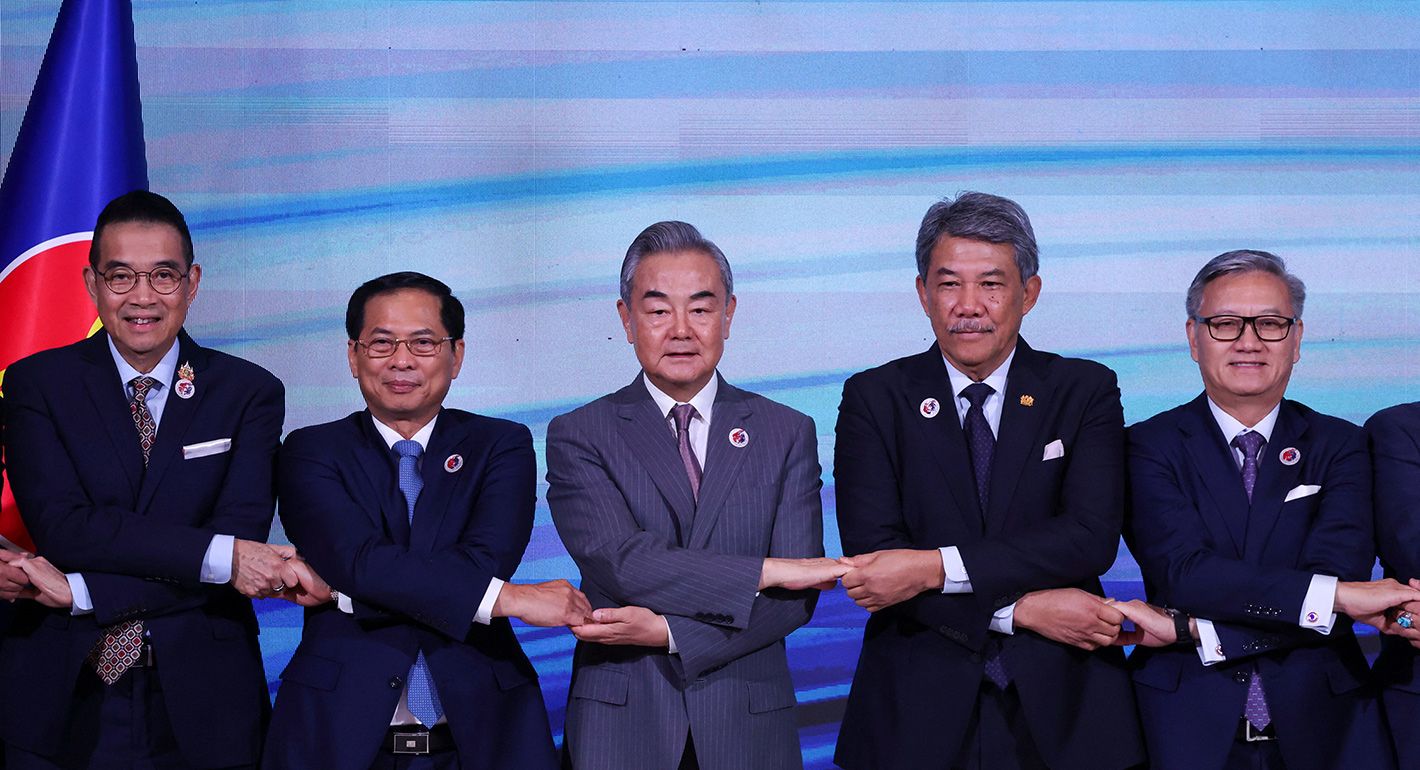
The Thai-Cambodian conflict highlights the limits to China's peacemaker ambition and the significance of this role on Southeast Asia’s balance of power.

Pongphisoot (Paul) Busbarat
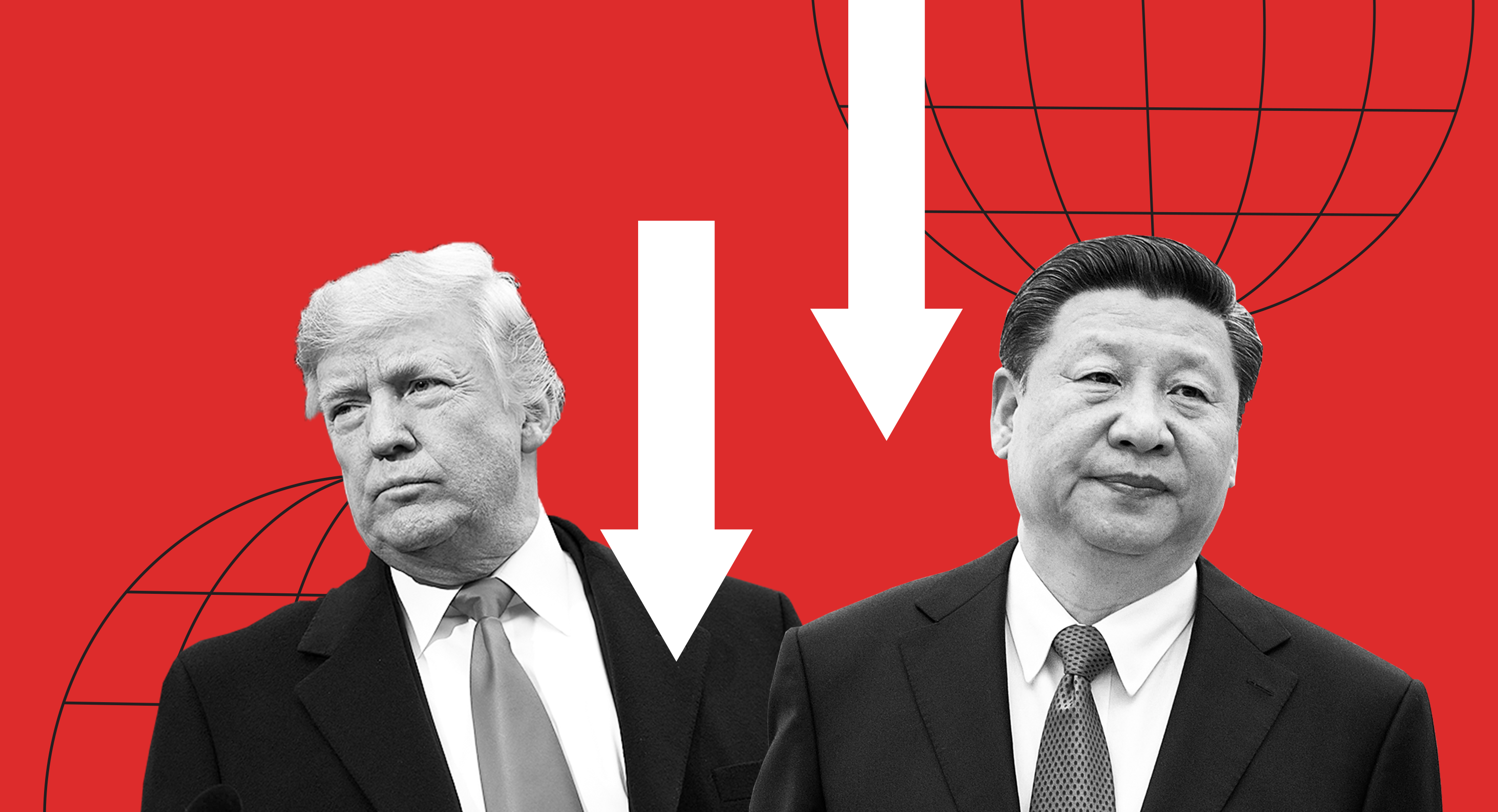
Beijing believes that Washington is overestimating its own leverage and its ability to handle the trade war’s impacts.


Rick Waters, Sheena Chestnut Greitens
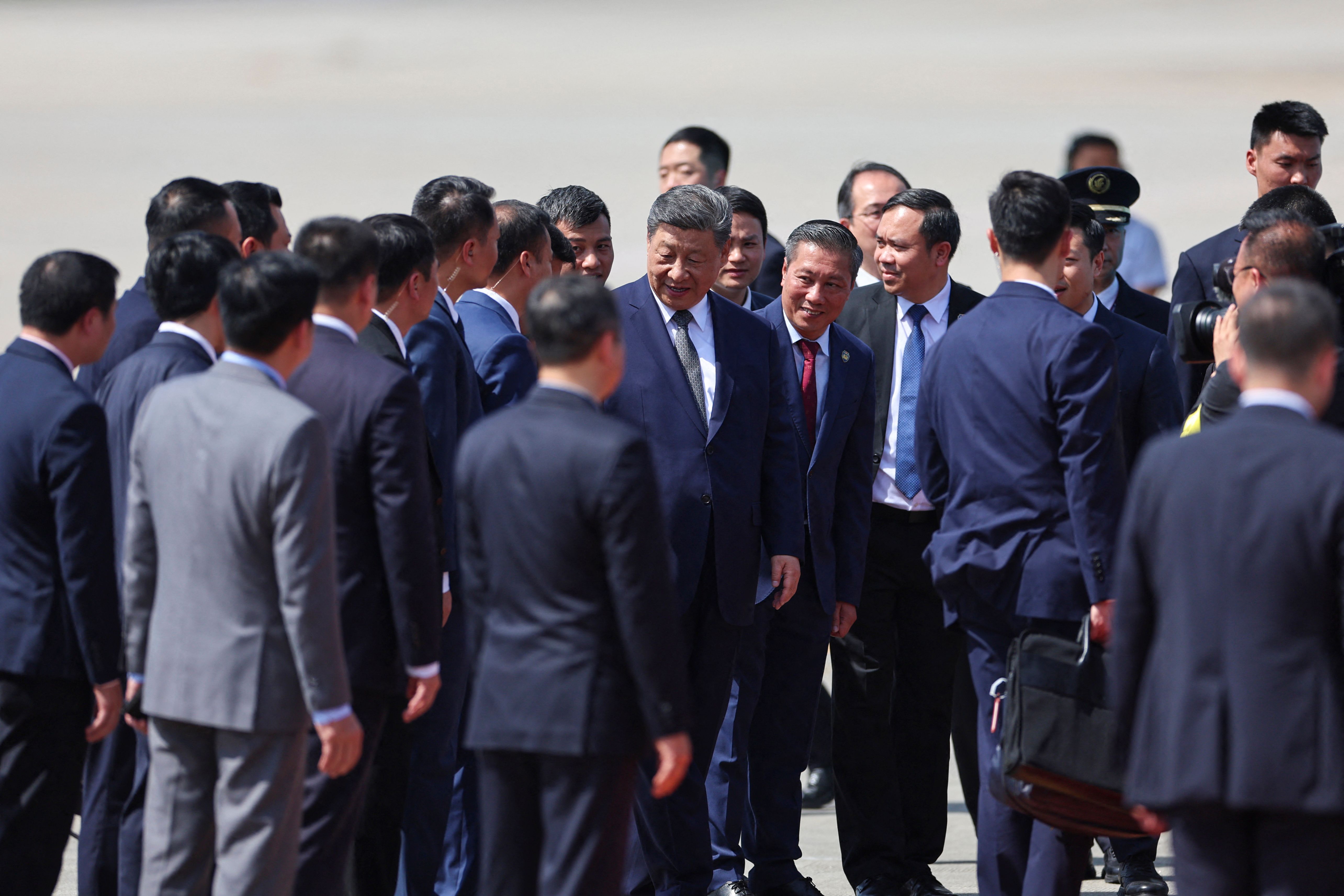
Tapping our network of China experts in the region, Carnegie China offers this latest “China Through a Southeast Asian Lens” report to offer preliminary assessments of whether the U.S. effort to reshape the global trading order will lead countries in the region to tilt toward Beijing.



Selina Ho, Khin Khin Kyaw Kyee, Joseph Ching Velasco, …
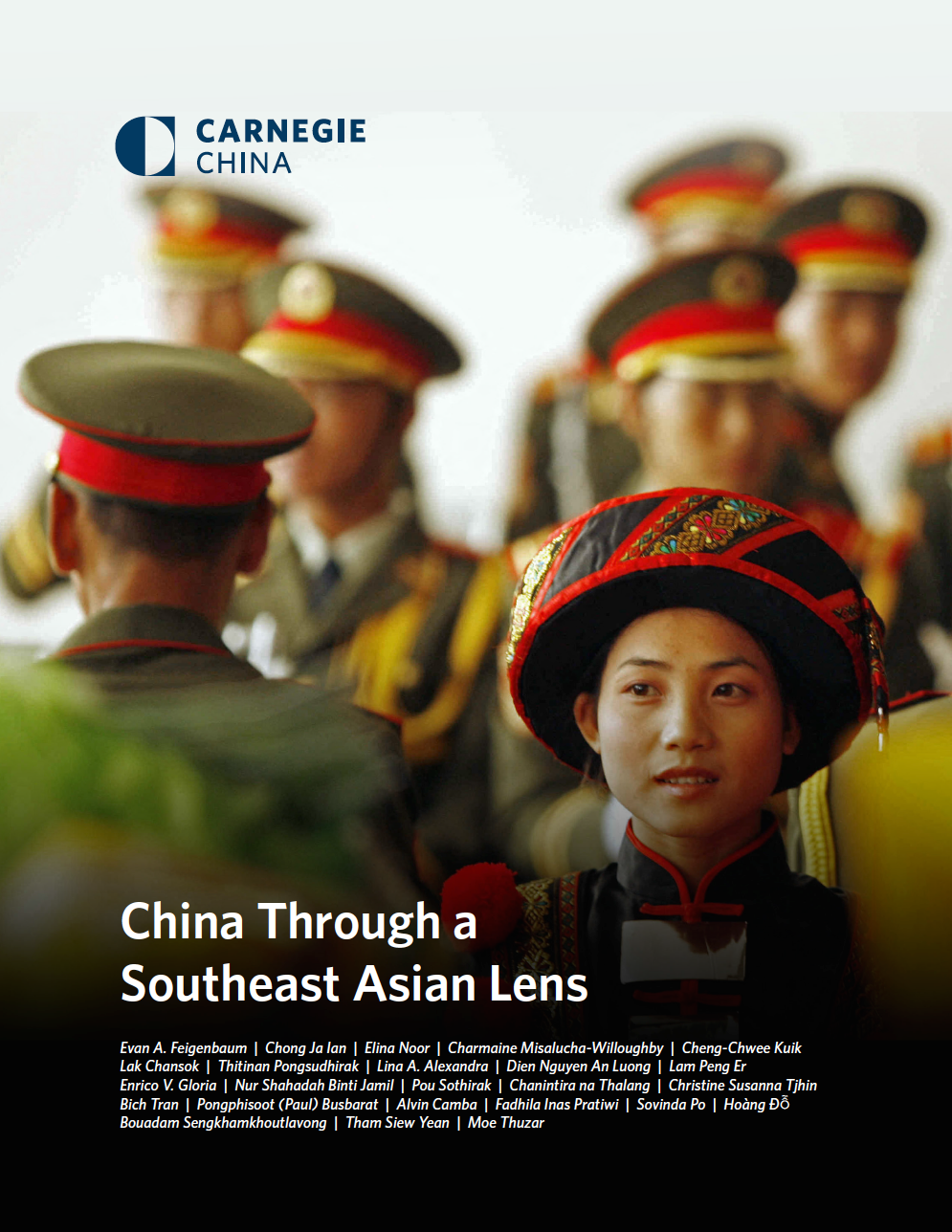
Because strategic, economic, and ideological perceptions of China contain multiple, sometimes contradictory facets in Southeast Asia, receptions of and responses to Beijing diverge across and within state lines.



Evan A. Feigenbaum, Chong Ja Ian, Elina Noor