

Paper
James M. Acton, Ankit Panda
{
  "authors": [
    "James M. Acton"
  ],
  "type": "legacyinthemedia",
  "centerAffiliationAll": "dc",
  "centers": [
    "Carnegie Endowment for International Peace",
    "Malcolm H. Kerr Carnegie Middle East Center"
  ],
  "collections": [
    "Iranian Proliferation",
    "U.S. Nuclear Policy"
  ],
  "englishNewsletterAll": "ctw",
  "nonEnglishNewsletterAll": "",
  "primaryCenter": "Carnegie Endowment for International Peace",
  "programAffiliation": "NPP",
  "programs": [
    "Nuclear Policy"
  ],
  "projects": [],
  "regions": [
    "North America",
    "United States",
    "Middle East",
    "Iran"
  ],
  "topics": [
    "Nuclear Policy"
  ]
}
Source: Getty
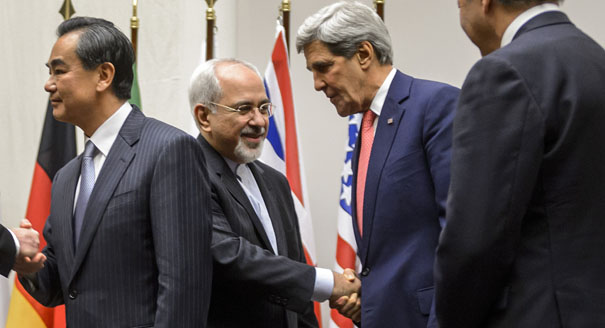
Reaching a final agreement with Iran over its nuclear program is going to require some very hard compromises from hardliners both in Tehran and in Washington.
Source: Bloomberg TV
Carnegie’s James Acton discussed Iran-U.S. relations on Bloomberg Television’s “Bottom Line.”
“Bilaterals between the U.S. and Iran were frankly very hard to imagine before the election of President Rouhani,” said Acton. “But although it is a good sign,” he added, “there is a very, very long way to go. This is the first step in what unquestionably will be a long, drawn-out, difficult, and controversial negotiating process.”Acton told Bloomberg TV that although the two countries still mistrust each other to a certain extent, there is room for guarded optimism: “There is an interim agreement, there is a process to generate a final agreement; there are many stumbling blocks toward getting that final agreement and I suspect President Obama was right when he placed the odds of a final agreement to no more than 50/50.”
“The challenge facing Iran today, and the international community, is to negotiate a set of restrictions, transparency arrangements, and inspections that allow Iran to prove that it is now in compliance with those agreements. And that is going to require some very hard compromises from hardliners both in Tehran and in Washington,” Acton concluded.

Jessica T. Mathews Chair, Co-director, Nuclear Policy Program
Acton holds the Jessica T. Mathews Chair and is co-director of the Nuclear Policy Program at the Carnegie Endowment for International Peace.
Recent Work

James M. Acton, Ankit Panda
James M. Acton
Carnegie does not take institutional positions on public policy issues; the views represented herein are those of the author(s) and do not necessarily reflect the views of Carnegie, its staff, or its trustees.

But their "principal to principal" model will only be as effective as the political strength of each leader back home.

Damien Ma

U.S. unpredictability has allowed China to capitalize on its positioning as the “responsible great power”. Paradoxically, the more China wins the perception game, the more likely expectations will rise for Beijing to deliver not just words but to demonstrate with its deeds.

Chong Ja Ian

For Malaysia, the conjunction that works is “and” not “or” when it comes to the United States and China.

Elina Noor

Regulation, not embargo, allows Beijing to shape how other countries and firms adapt to its terms.
Alvin Camba
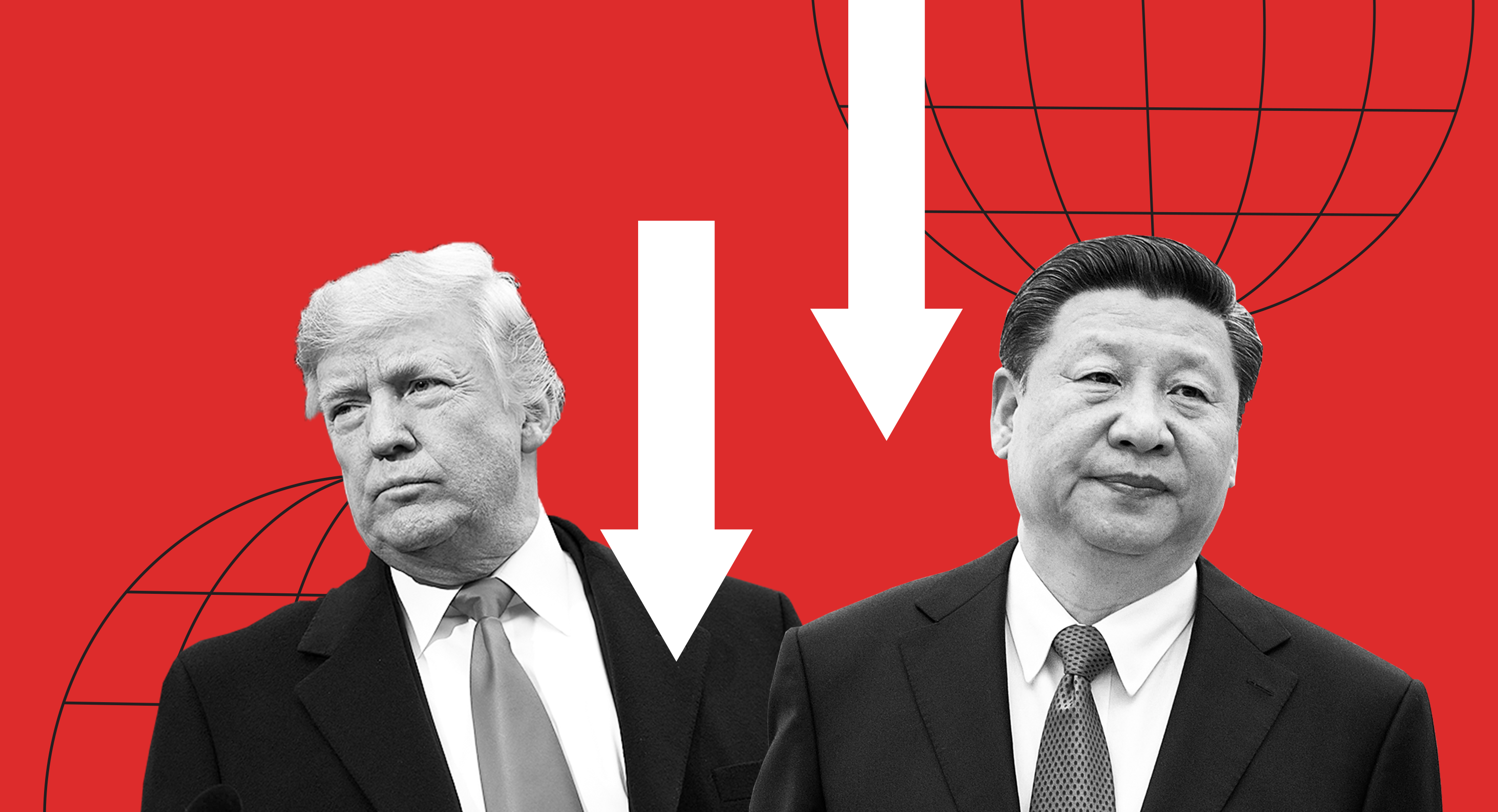
Beijing believes that Washington is overestimating its own leverage and its ability to handle the trade war’s impacts.


Rick Waters, Sheena Chestnut Greitens