

In The Media
Lilia Shevtsova
{
  "authors": [
    "Lilia Shevtsova"
  ],
  "type": "commentary",
  "centerAffiliationAll": "",
  "centers": [
    "Carnegie Endowment for International Peace",
    "Carnegie Russia Eurasia Center"
  ],
  "collections": [],
  "englishNewsletterAll": "",
  "nonEnglishNewsletterAll": "",
  "primaryCenter": "Carnegie Russia Eurasia Center",
  "programAffiliation": "",
  "programs": [],
  "projects": [],
  "regions": [
    "Russia"
  ],
  "topics": [
    "Political Reform"
  ]
}
Source: Getty
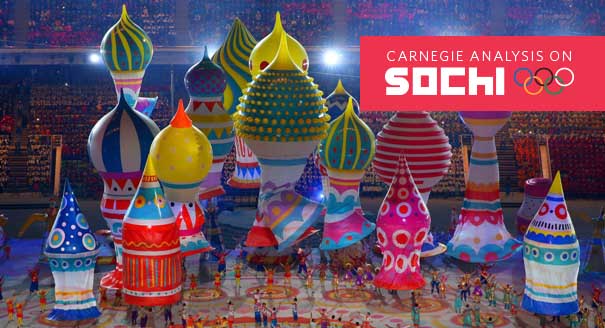
The Sochi Olympics are the Kremlin’s attempt to create the fairy tale myth of Russia that does not exist.
I think that despite the mocking depictions of unfinished Sochi hotels that lack running water and sport cracks in the walls, the Kremlin will succeed in creating the image of the Fairy Tale Russia. And millions of TV viewers will actually believe in this fairy tale. Its creators will use sporting events and glittering shows to amaze millions of people—both in Russia and overseas—and get them hooked on Russia’s great-power mystique. But people will be amazed by Putin’s Russia—the country that belongs to the Kremlin and its main resident.
After watching the Olympics’ opening ceremony—a 3-hour long spectacle that featured 5,000 participants—many of my friends told me in unison: “This is the most brilliant performance I have ever seen!” They are not President Vladimir Putin’s admirers at all; nevertheless, they were amazed. Actually, this is exactly what the Kremlin political strategists want. They did not need a performance that glorified Putin. The show that they created sought to engender patriotic sentiments, which can always be exploited to the regime’s and state’s advantage.
But the opening ceremony was indeed a fairy tale—an artists’ myth of Russia that does not exist. The popular Russian joke that proclaims Russia to be the elephants’ birthplace which means that Russia is an embodiment of absurdities is actually about the Olympic Russia. It is the place you cannot really find in reality. It is the Potemkin village that the Russian elite have become so experienced in building through the centuries.
The real Russia is quite another animal. It is the first in the world when it comes to:
At the same time, Russia is also first when it comes to generals, billionaires, direct individual investment in foreign countries, as well as whiskey imports.
Welcome to the Sochi Olympics!
Former Senior Associate, Russian Domestic Politics and Political Institutions Program, Moscow Center
Shevtsova chaired the Russian Domestic Politics and Political Institutions Program at the Carnegie Moscow Center, dividing her time between Carnegie’s offices in Washington, DC, and Moscow. She had been with Carnegie since 1995.
Recent Work
Lilia Shevtsova
Lilia Shevtsova
Carnegie does not take institutional positions on public policy issues; the views represented herein are those of the author(s) and do not necessarily reflect the views of Carnegie, its staff, or its trustees.
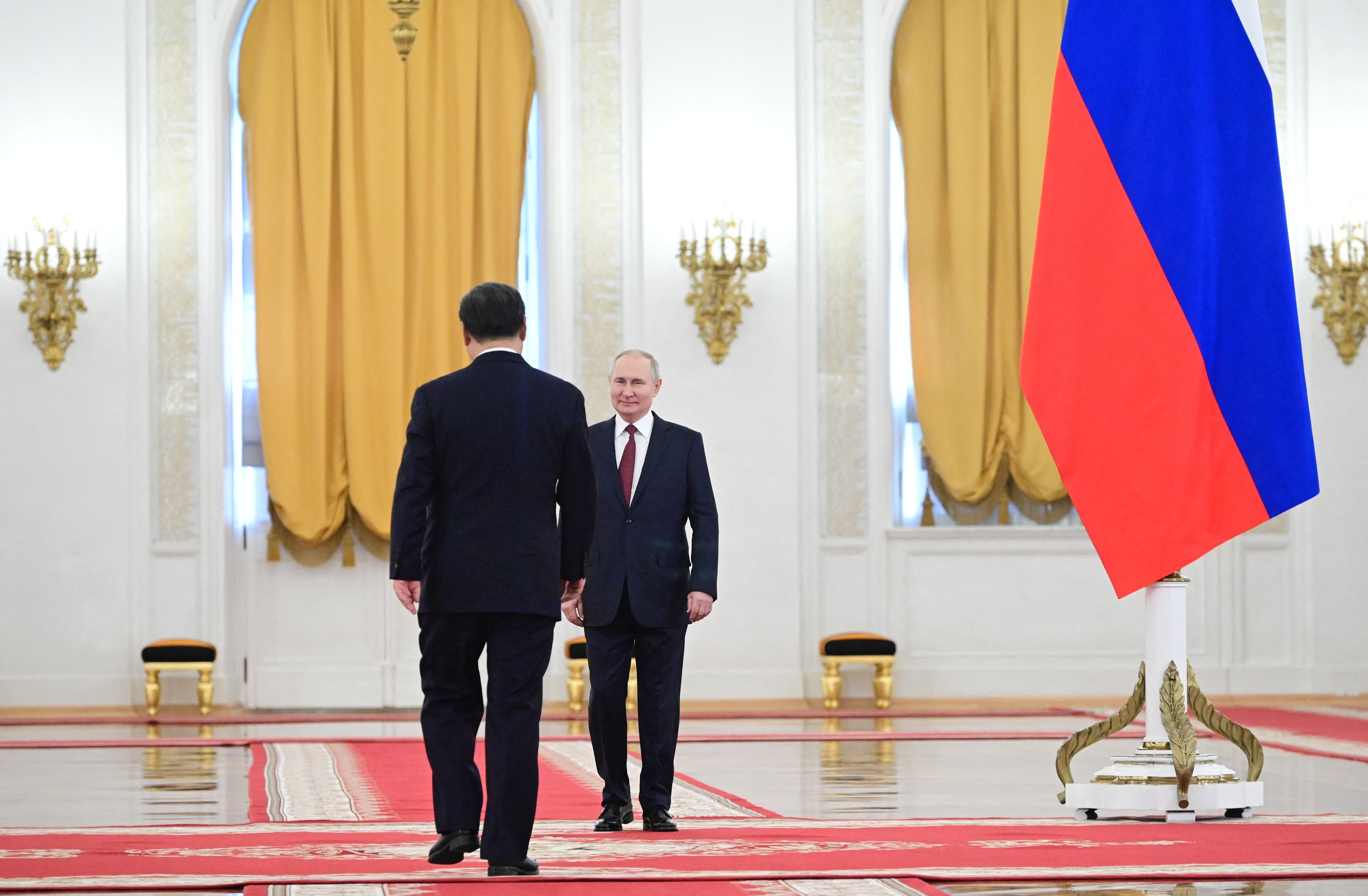
Beijing is trying to navigate the overall situation regarding Ukraine, especially the substance of interactions between Washington and Moscow.
Ellen Nakashima, Zhao Long, Pavlo Klimkin, …
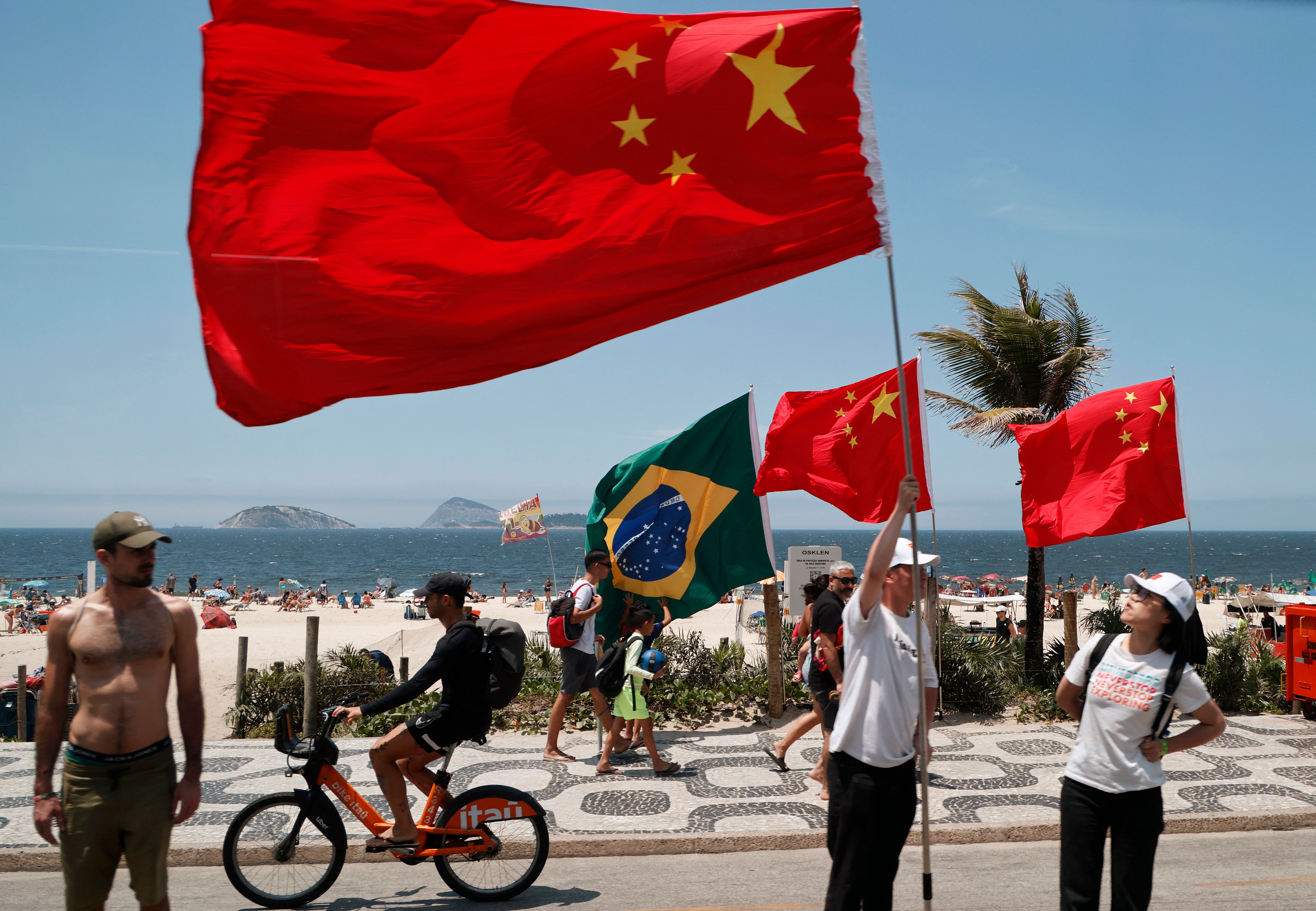
While China will remain a significant political and economic force in the Global South, its ambition to leverage the Global South as a counterbalance to the United States and the Global North is far from assured.

Xue Gong
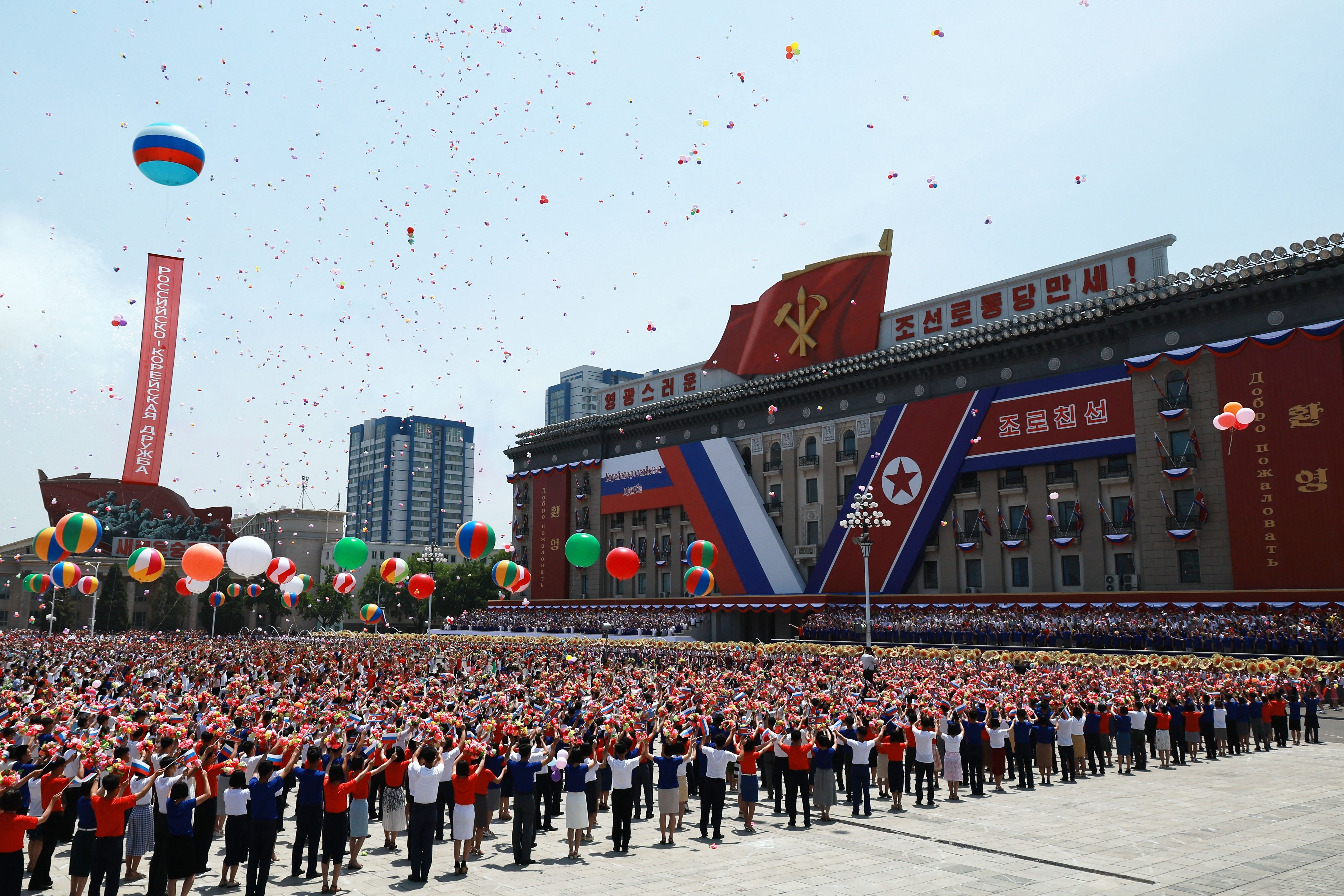
Faced with an increase in strategic maneuvering by Moscow and Pyongyang, Beijing will not sit idly by and allow Putin and Kim to shape the security environment on its behalf.

Tong Zhao
China’s growing attention to Central Asia is perceived as a harbinger of tectonic shifts in regional geopolitics.

Temur Umarov
The Russian invasion of Ukraine is a turning point in the EU-China relationship, and evolution of the China-Russia relationship will continue to impact EU-China relations.
Yifan Ding, Alice Ekman